
· Travel Tips · 5 min read
Saving Face in Morocco: Why "Yes" Doesn't Always Mean Yes
In Morocco a warm yes often means I heard you, not it will happen. Learn how saving face shapes answers, refusals and souk talk.
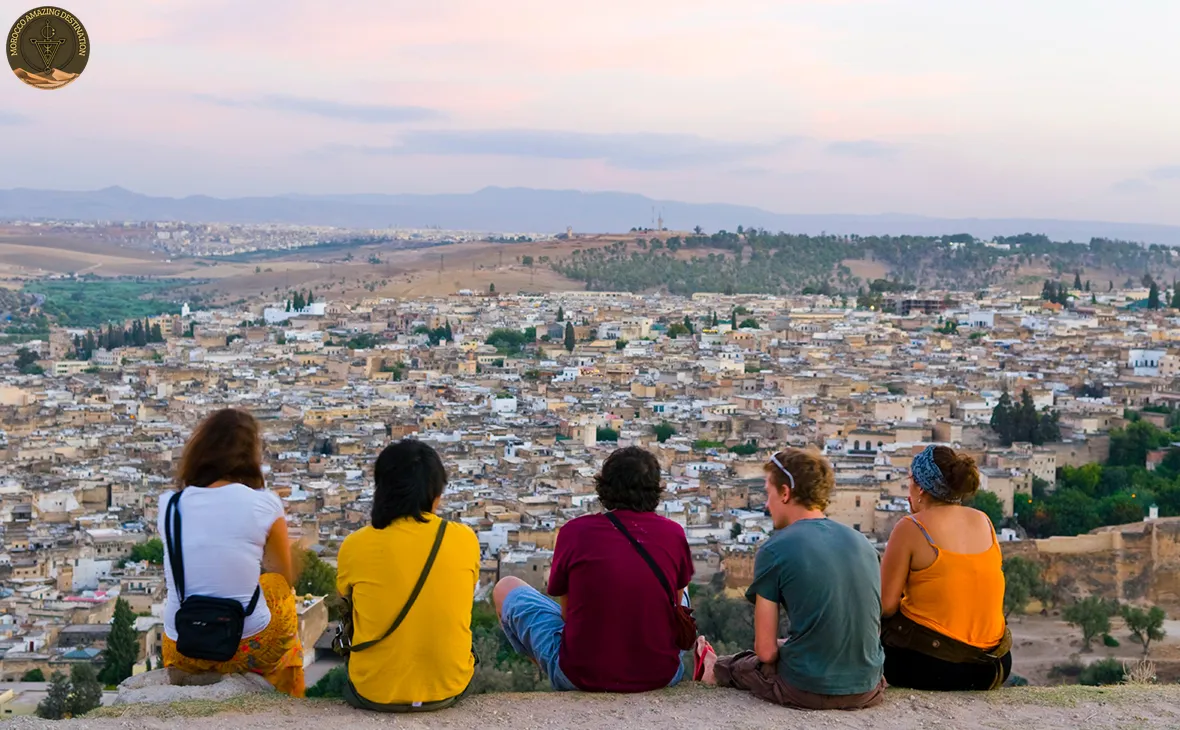
You ask the riad owner whether he can find a driver for the morning. He smiles, pats his chest, and says “no problem, no problem.” The car never shows up. Nothing in that exchange was dishonest, which is exactly what makes saving face in Morocco so hard to read on a first trip. A Moroccan yes often means I have heard you and I want to help. It rarely promises the outcome on its own.
In this guide, we will break down what that warm answer actually commits someone to, how to refuse or complain without costing anyone their dignity, and where a local guide can carry the ambiguity for you.
Why a Moroccan “Yes” Is Often a Maybe
Darija grades agreement more finely than English does. Phrases like no problem and don’t worry tell you the request landed and that the speaker is willing. On my head and my eyes is warmer still: your wish matters to him. None of those phrases fixes a time.
This is Moroccan indirect communication at work. Disagreement rarely comes as the word no; it arrives as something softer:
- A delay: the tomorrow that keeps sliding to the next tomorrow.
- A subject change: the talk moves to your family, your country, the weather.
- A helpful alternative: a cousin who might know, a different shop, another hour.
- Maybe: said with a smile, followed by nothing.
Agreement keeps the conversation pleasant. A flat refusal would end it, so people leave the door open and hope the details sort themselves out. That habit explains why do Moroccans say yes so easily. You lose nothing by asking once more, plainly, near the end: what time, and who will call me?
Hshuma: The Shame Line Behind the Politeness
The word to learn is hshuma, usually rendered as shame. It takes in embarrassment, impropriety, and the loss of standing that follows either one. Behaviour reflects on a family, so Moroccan politeness protects more than the feelings of the person in front of you. The word also works as a mild everyday rebuke, aimed at conduct.
In daily life, hshuma is the line you avoid pushing someone across while other people watch. Correct a guide’s timing in a busy hotel lobby and he may agree with you, then go quiet for the rest of the day. Say the same thing in the car, out of earshot, and he may rebuild the schedule around you. Guides and drivers feel that pressure more than most, because their reputation sits in public view.
Cultural studies of Moroccan proverbs and idioms describe a loss closer to self-respect than to reputation. What a person fears losing is the inner quality others believe he has. A public scene threatens that quality in a way a private mistake never does.
Saying No, Complaining, and Still Leaving Everyone Their Dignity
You can refuse almost anything here if you leave the other person a route out. Studies of Moroccan refusal strategies find that speakers soften far more often than they state a flat no. A visitor can borrow the habit. Refusing tea outright reads as refusing the welcome. Take a little, compliment it, leave the rest.
Four phrases help:
- Soften the no: not today, thank you, but I will come back.
- Blame the schedule: we leave early tomorrow, so the offer has no room.
- Move off the street: ask to finish the conversation at the riad, away from an audience.
- Use the third party: let your guide or driver raise the awkward point.
Complaining follows the same pattern. Name the problem once, quietly, and offer a way to solve it. Raised voices end cooperation, and a shopkeeper embarrassed in front of his neighbours has little reason to help. The everyday ground rules, from greetings to photographs, are in our guide to cultural etiquette in Morocco for first-time visitors.
The Souk: Where Face Gets Tested
A souk stall is a small stage. The seller performs for the row of shops around him, and his neighbours notice how a stranger treats him. Tone travels further down that row than any number you name, and a bargain won in a loud voice costs more than it saves.
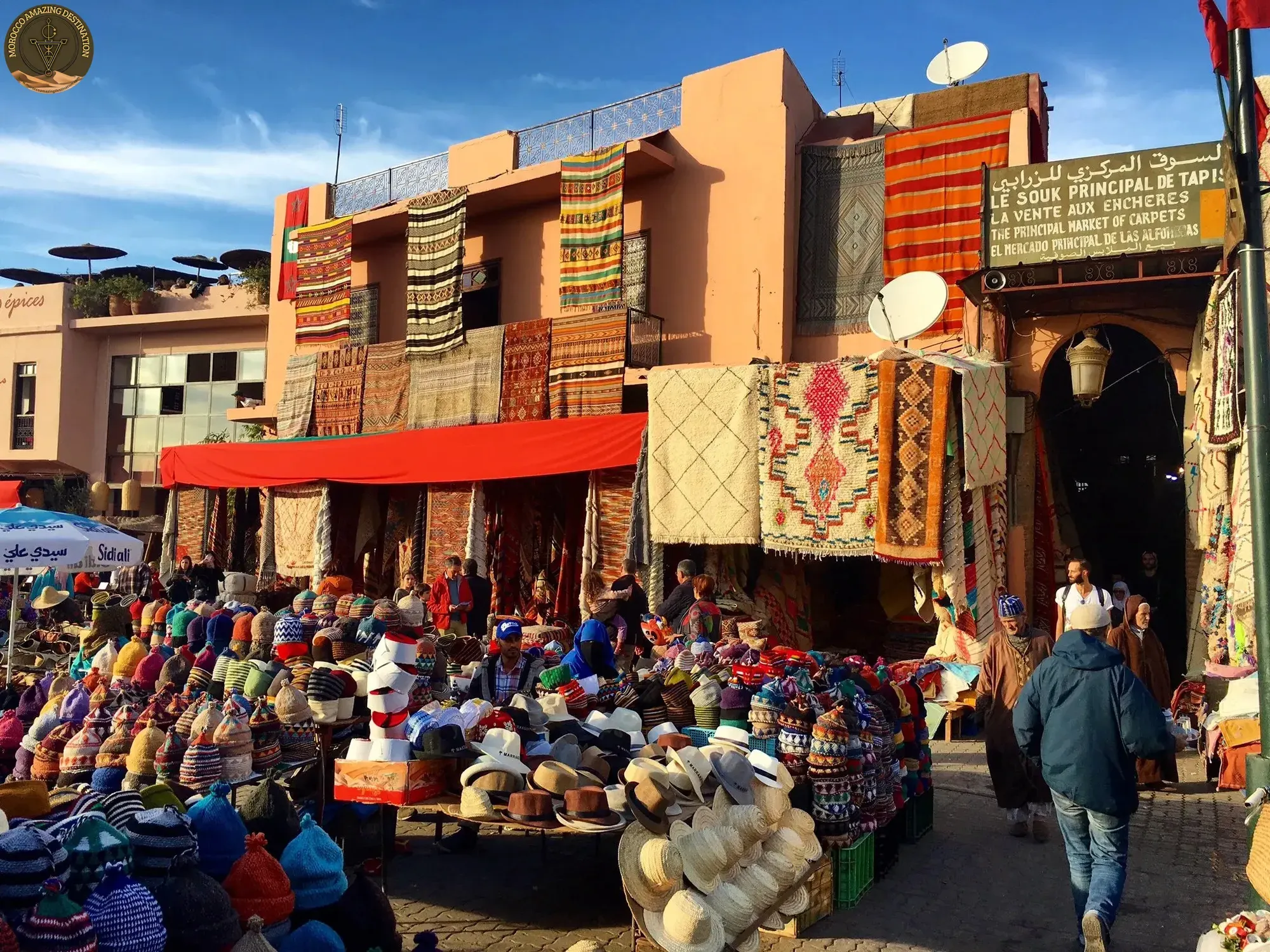
Four habits keep the exchange warm:
- Compliment first: say what you like about the work before you ask what it costs.
- Keep your voice level: a joke lands, a hard tone closes the stall.
- Never correct in public: if something is wrong, step aside or come back later.
- Leave an exit: I will think about it ends the talk without a verdict.
How low to open and how far to move is its own skill, and our guide to haggling in Moroccan souks covers the mechanics. In this corner of the day, nobody should walk away feeling small.
Where a Local Guide Absorbs the Ambiguity
Most of this asks you to read a situation you have never met before, in a language you do not speak. That is the part of a trip a phrasebook cannot prepare you for. A private local guide reads it for you and takes the uncomfortable part onto himself.
Hassan in Fes will ask the driver the question you were dreading. Hamid in the desert will tell a host that you are full before the third plate arrives. Andrea, who coordinates our guests’ journeys, will explain in the car why an appointment moved, so you stop taking it personally. You keep the warmth of the exchange while someone who knows the ground carries the friction.
Our 15-Day Grand Cultural Tour to Explore Morocco from Tangier keeps a guide beside you through two weeks of exactly these moments. The 12-Day Morocco Grand Tour covers similar ground at a quicker pace.
We can customize a tour to match your needs - design your perfect itinerary
If you found this helpful, add us as your preferred source on Google.
Frequently Asked Questions
What does it mean when a Moroccan says yes?
Often it means your request was heard and the person wants to help. Phrases like no problem or don't worry reassure you without fixing a time, so confirm the practical details before you plan around them.
Is it rude to say no in Morocco?
A direct no is not rude, but a bare refusal can leave the other person exposed. Soften it with a reason and a future, such as not today, thank you, or we leave early tomorrow. Refusing tea or food outright reads as refusing the welcome, so take a little and compliment it.
How do I complain or fix a problem without offending anyone?
Raise it once, quietly, and away from an audience. Ask for a solution rather than naming a fault, and let your guide or driver carry the awkward part when you can. A person who has not been embarrassed in public usually finds a way to help.
How should I bargain in a souk without insulting the seller?
Keep your voice level, compliment the work before you question the price, and never correct the seller in front of his neighbours. If the deal is not right, say you will think about it and walk away politely. Nobody should leave the stall feeling small.
Ready for an Adventure?
Have questions? Feel free to contact us using the form below. We're here to help!