· Travel · 6 min read
Of Gods and Men Filming Locations in Morocco: Complete Guide
Discover Of Gods and Men filming locations in Morocco, from Toumliline Monastery to the Middle Atlas landscapes you can visit.
The quiet monastery on screen feels remote and timeless, but you can trace it to a real place in Morocco. Of Gods and Men filming locations center on one extraordinary site in the Middle Atlas, not on a studio set. The film evokes Algeria, yet the monks’ daily life was recreated near Azrou between Fes and Meknes.
In this guide, we will break down the Moroccan stand-in for Tibhirine, the Middle Atlas setting between Fes and Meknes, why Morocco was chosen, and how you can visit these landscapes.
Toumliline Monastery — The Moroccan Stand-In for Tibhirine
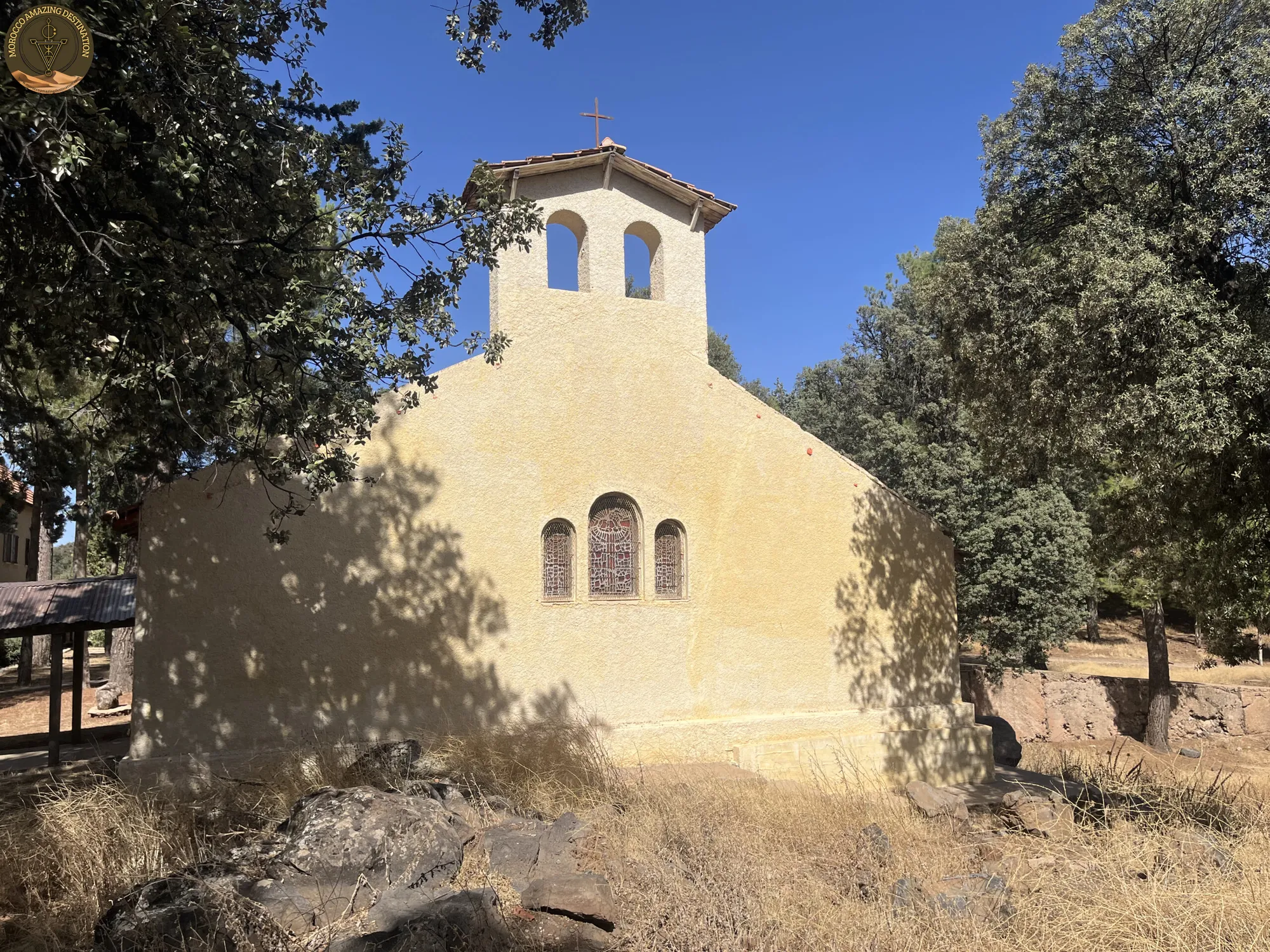
Of Gods and Men Morocco filming locations begin and end at Toumliline. The Benedictine monastery of Toumliline, also spelled Tioumliline, sits on a wooded hill about 20 kilometers from Azrou at around 1,600 meters. It once housed a small community of Benedictines who ran a school and hosted summer dialogues between young Catholics and Muslims.
After decades of abandonment, the buildings stood semi-ruined when the crew arrived. The chapel held families, the refectory was open to animals, and fittings had collapsed. Production designer Michel Barthélémy led a large local team to clear debris, rebuild walls, and restore the chapel with its now-famous red stained glass.
The result feels austere and close to the Cistercian simplicity of Tibhirine. Monastic consultant Henry Quinson advised on liturgy, and the team visited the Priory in Midelt where survivors live.
What to recognize on screen:
- Chapel with red glass: The warm glow in prayer scenes comes from the glass added for the film.
- Cloister and terraces: Stark stone, mountain light, and cedar views frame the monks’ walks.
- Refectory and cells: Simple, whitewashed spaces rebuilt to reflect monastic austerity.
- Outer paths: Forest tracks and stone walls around the hill appear in work and procession moments.
Between Fes, Meknes and Azrou — The Middle Atlas Setting
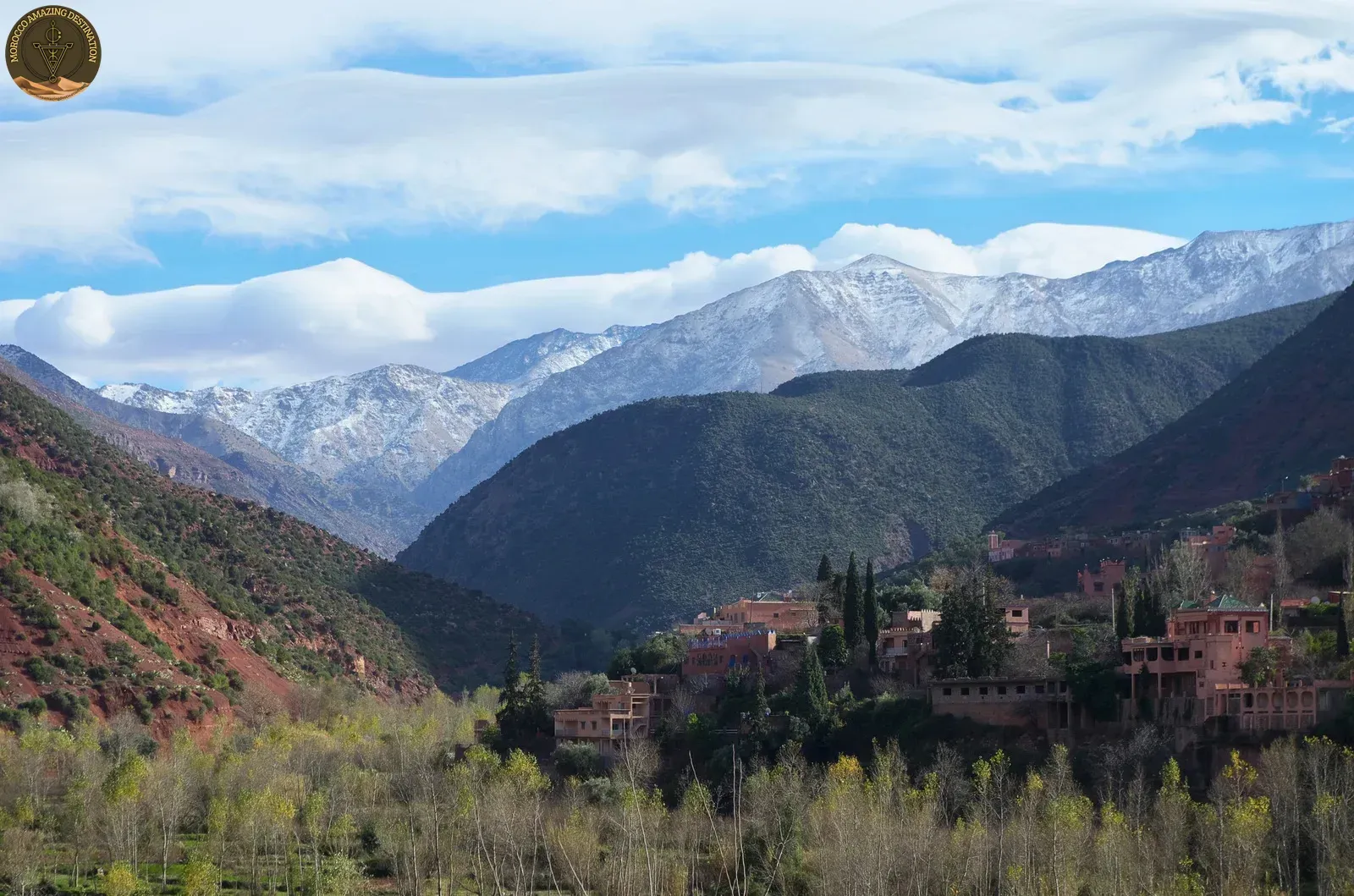
The monastery does not stand alone. The film’s landscape is the triangle between Fes, Meknes and Azrou, a high plateau of cedar forests and winter light. This is the Middle Atlas at its most serene, a credible stand-in for northern Algeria.
From Fes you reach Ifrane and Azrou in under two hours, climbing through forests where Barbary macaques appear. Meknes lies to the north, a convenient base the production used. The drive mirrors the film’s mood: quiet roads and snow-dusted peaks.
If you travel this corridor today, the same elements greet you. Cedar trunks and low clouds create the hushed atmosphere that made the location so fitting.
Highlights of the corridor:
- Azrou cedar forest: Ancient cedars and macaque troops along the forest road.
- Ifrane and the plateau: Alpine-style town and open pastures between Fes and Azrou.
- Meknes gateway: Imperial city used as the production base and ideal start for the area.
- Midelt direction: South toward Midelt, where the surviving community maintains its priory.
Why Morocco Was Chosen — Atlas Mountains — and What Was Rebuilt
The search for Des hommes et des dieux filming locations led the director to Morocco. Security conditions at the real Tibhirine prevented a shoot there, and Toumliline offered a ready, historically resonant alternative.
Toumliline carried its own interfaith story. Founded as a place for encounter, it hosted dialogue between Christians and Muslims for years. That legacy echoed the film’s theme of coexistence.
On arrival, the crew found a working village within the ruin. Two families lived on site and became guardians, later rehoused nearby. Around 120 craftspeople stabilized the complex, cleaned the chapel, and recreated monastic fittings while keeping the weathered character.
Attention to language and ritual mattered. Extras’ clothing and Arabic intonation were directed to sound Algerian, and chant coaching shaped the prayer scenes. The team let the mountain light and stone do much of the storytelling.
Why the site worked:
- Credible architecture: Benedictine layout adapted to Cistercian austerity with minimal intervention.
- Matching climate: Middle Atlas altitude and light closely resemble the Tell Atlas.
- Living memory: A former center for Christian-Muslim exchange, aligned with the story.
- Logistical base: Proximity to Meknes and Fes allowed a private, focused shoot.
Beyond Morocco — Real Tibhirine and French Abbey Preparations
Beyond the Moroccan shoot, the real geography belongs to Algeria. Tibhirine lies near Médéa in the Tell Atlas south of Algiers, where the Monastery of Notre-Dame de l’Atlas once stood. The film never shot there, but honors it through Toumliline’s quiet likeness.
To prepare, the actors withdrew from public life. They spent a week at the Abbey of Notre-Dame de Tamié above Albertville in Savoie and also visited Aiguebelle in Drôme. There they learned chant from specialist François Polgár and lived the hours of prayer, work and meals.
These French stays were rehearsal, not filming locations. The contrast helps you understand the film: French abbeys shaped the performances, the Moroccan monastery shaped the image. When you visit Azrou, you stand where the camera stood; when you reflect on Tibhirine, you remember the real community the story honors.
Plan Your Journey — Meknes and Volubilis — Through the Film’s Landscapes
You can weave the film’s landscapes into a private Morocco itinerary. The Fes–Meknes–Azrou triangle sits on the road to the Sahara, so a north-to-desert route passes the forests seen on screen. Travel is hassle-free with a private driver and guide who handles timing and translation.
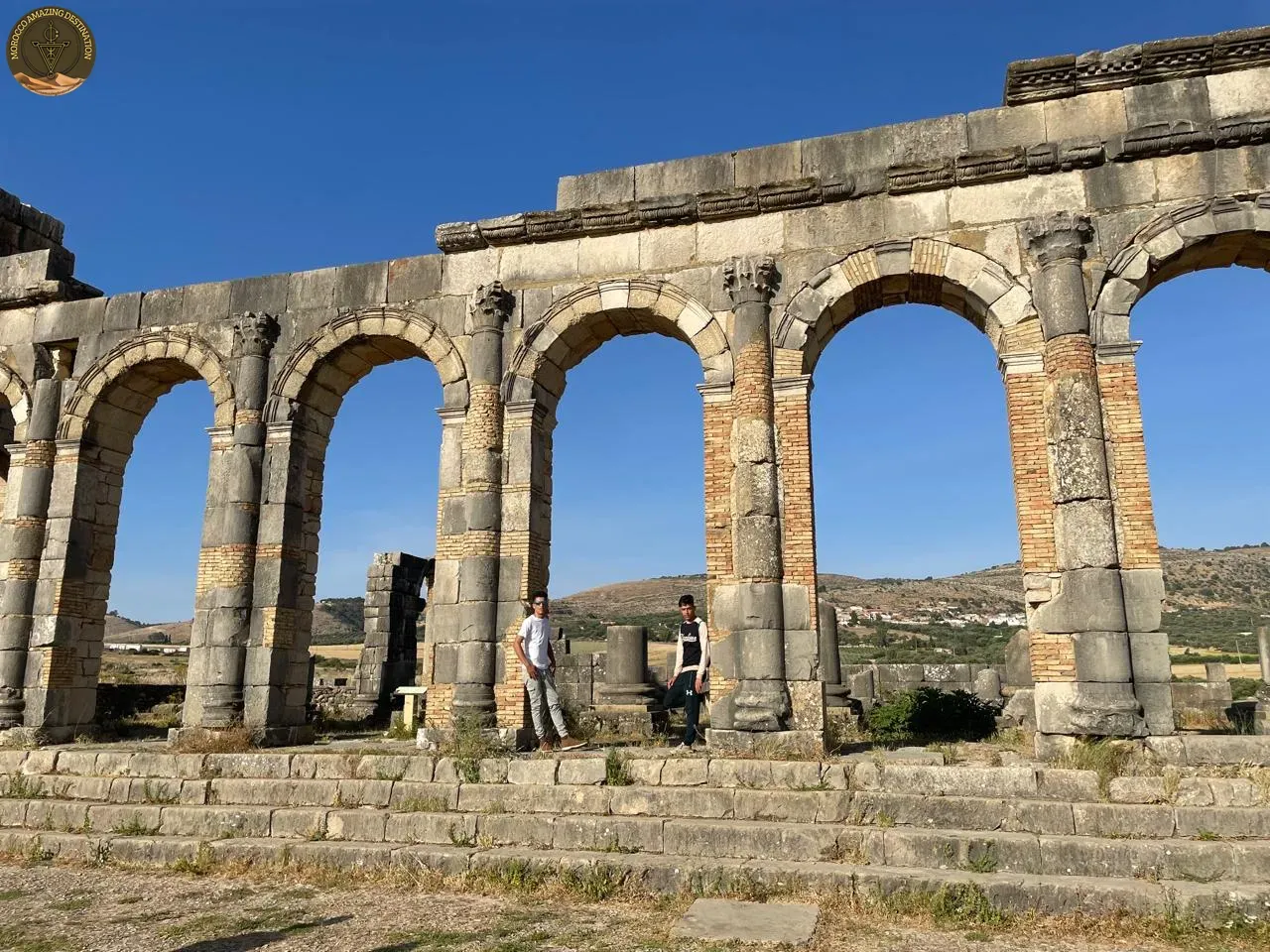
Base yourself in Fes for medina life and then drive to Azrou for cedars and quiet hills. Or start in Meknes, explore Volubilis and climb to the plateau. The distances are short and the light is best in morning and late afternoon.
What to expect on the route:
- Short drives: Fes to Azrou is about 80 kilometers, Meknes to Azrou is similar, all on good roads.
- Private flexibility: Stop for cedar forest walks, tea with shepherds, or Volubilis without rushing.
- Comfort stays: Hand-picked riads in Fes and Meknes plus quiet guesthouses near the forest.
- Local insight: Guides share the monastery’s interfaith past and point out filming perspectives.
For a seamless loop that follows the film’s corridor to the desert, consider our 7-Day Morocco Tour from Fes, which runs Fes to Ifrane and the Azrou cedar forest before continuing to the Sahara via Midelt and the Ziz Valley. If you want imperial cities plus the Middle Atlas transit, the 8-Day Imperial Cities and Desert Tour from Casablanca covers Meknes, Fes and the same high plateau.
We can customize a tour to match your needs — design your perfect itinerary
If you found this helpful, add us as your preferred source on Google.
Frequently Asked Questions
Where was Of Gods and Men filmed in Morocco?
Almost entirely at the abandoned Benedictine monastery of Toumliline near Azrou, in the Middle Atlas between Fes and Meknes. The production renovated the monastery to stand in for Tibhirine and filmed the surrounding cedar forests and hills.
Can you visit the Toumliline monastery used in Of Gods and Men?
Yes, you can visit the exterior and the quiet surroundings near Azrou with a private driver and guide. The interior is not a regular tourist site, so access depends on local permission, but the landscape itself is easy to explore on a Middle Atlas route.
Why was Of Gods and Men filmed in Morocco instead of Algeria?
The real Tibhirine monastery near Médéa in Algeria could not safely host a film crew. Morocco offered the historically credible Benedictine monastery of Toumliline, with similar Atlas climate and architecture and a legacy of Christian-Muslim dialogue.
Was any part of Of Gods and Men filmed in the real Tibhirine or in France?
No on-screen scenes were shot in the real Tibhirine. French abbeys of Tamié in Savoie and Aiguebelle in Drôme were used only for actor preparation, where the cast lived as monks and trained in chant before the Morocco shoot.
Ready for an Adventure?
Have questions? Feel free to contact us using the form below. We're here to help!