· Travel · 8 min read
Must-See in Tangier: Top Attractions & What Not to Miss
Discover the must-see in Tangier from the Kasbah to the Caves of Hercules. A complete guide to Tangier's top attractions, hidden gems, and insider tips for an unforgettable visit.
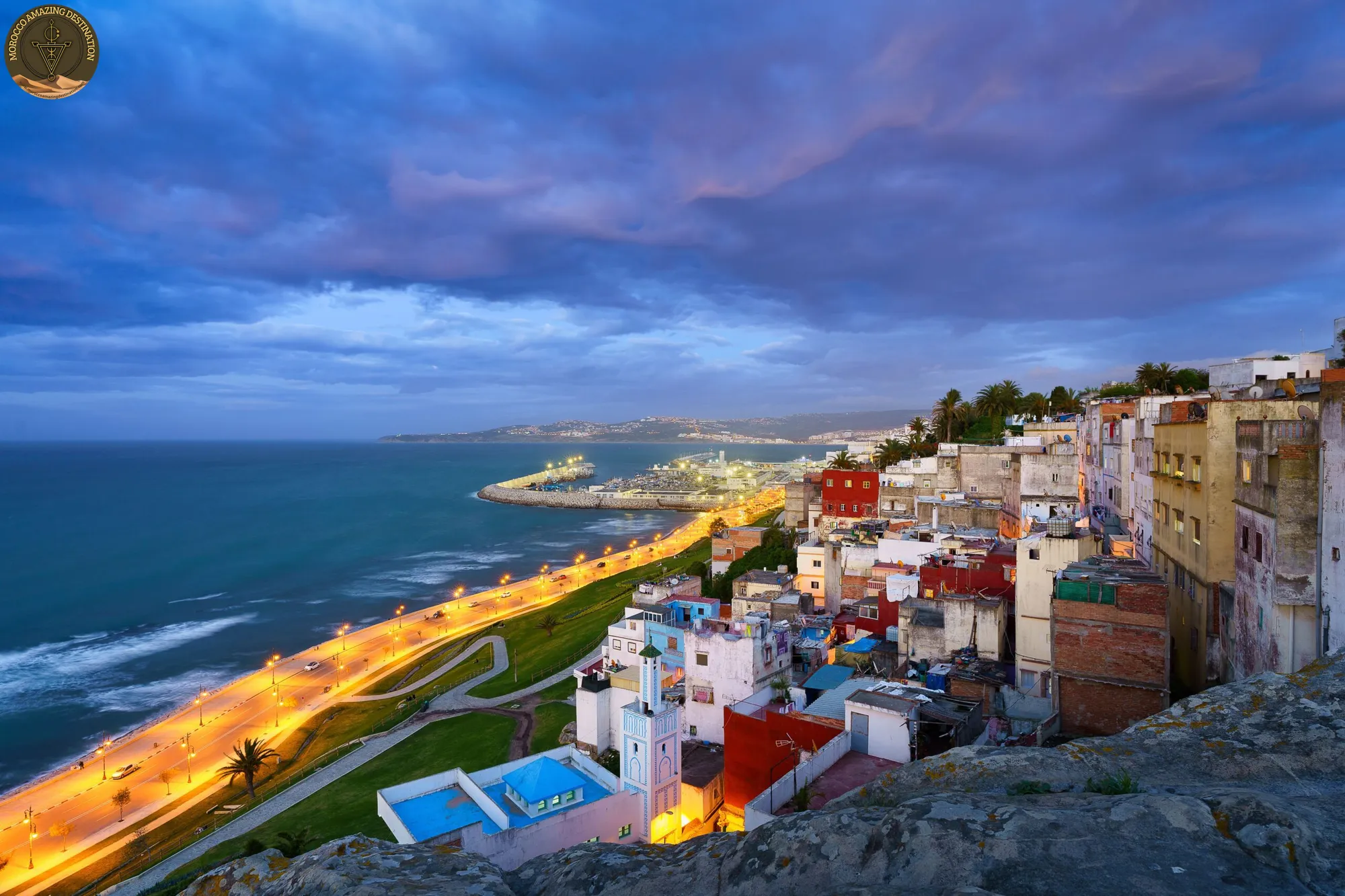
Tangier is not just another Moroccan city — it is a living crossroads where the Mediterranean kisses the Atlantic and Africa stretches a hand toward Europe. For centuries, writers, artists, spies, and travelers have been drawn to its whitewashed streets and dramatic coastline. Whether you are stepping off a ferry from Spain, flying into Ibn Battouta Airport, or winding your way up from the imperial cities, knowing the must-see in Tangier is the first step to falling in love with this magnetic city.
This guide walks you through the absolute essentials — the sights, experiences, and hidden corners that define Tangier — so you leave having truly seen its soul.
Why Tangier Belongs on Your Morocco Itinerary
Tangier has a personality entirely its own. Unlike the bustling chaos of Marrakech or the ancient grandeur of Fes, Tangier feels cosmopolitan, coastal, and effortlessly cool. From the 1920s through the 1950s, it was an International Zone governed by multiple European powers — a status that attracted a bohemian crowd of writers, musicians, and adventurers.
Today, after major investment and urban renewal, Tangier is cleaner, safer, and more vibrant than it has been in decades. Its marina gleams, its corniche hums with life, and its medina — compact and manageable — is one of the most walkable historic quarters in the country. For anyone exploring northern Morocco, it is the perfect introduction.
Top Must-See Attractions in Tangier
These are the sights that no visitor should miss. Each one reveals a different layer of Tangier’s layered identity — from ancient myth to modern art.
1. The Kasbah and Dar el Makhzen Museum
Perched on the highest point of the old city, the Kasbah is the fortified heart of Tangier and your first true must-see. Walking through its arched gates, you find yourself in a world of white-and-blue alleyways, ornate wooden doors, and sweeping views over the Strait of Gibraltar — on clear days, the coast of Spain is visible just 14 kilometers away.
Inside the Kasbah sits the Dar el Makhzen Museum, housed in a former sultan’s palace. Its Andalusian gardens, intricate zellige tilework, and galleries filled with prehistoric artifacts, Roman mosaics, and Moroccan ceramics make it one of the finest museums in the country. Give yourself at least an hour here.
2. The Medina: Petit Socco and Grand Socco
Below the Kasbah, Tangier’s Medina unfolds in a labyrinth that is refreshingly easy to navigate compared to other Moroccan cities. The Petit Socco (Little Square) was once the epicenter of Tangier’s international intrigue — a meeting place for spies, smugglers, and literati. Today it is lined with cafes where you can sip mint tea and watch the world go by.
A short walk away, the Grand Socco (Place du 9 Avril 1947) marks the boundary between the old and new city. Its palm-fringed plaza buzzes with street vendors, women in colorful traditional dress heading from the countryside to market, and the constant rhythm of daily Moroccan life. The Cinema Rif, an Art Deco movie house overlooking the square, is a cultural landmark in its own right.
3. Caves of Hercules
A short drive west of the city center brings you to one of the most photographed Tangier attractions: the Caves of Hercules. According to legend, the Greek hero Hercules rested here after separating Europe from Africa — the pillars he created are the Rock of Gibraltar and Jebel Musa, visible from the cave’s mouth.
The main chamber opens to the Atlantic Ocean through a striking opening shaped like the African continent, and it is a spectacular spot for photographs. The caves have been inhabited since Neolithic times and were used as a quarry for millstones by the Phoenicians and Romans. Entry is affordable, and the adjacent cafes offer fresh-squeezed orange juice with unbeatable sea views.
4. Cap Spartel
Where the Mediterranean meets the Atlantic, Cap Spartel juts out into the sea as Morocco’s northwesternmost point. A lighthouse built in 1864 by an international commission stands at the tip, and the surrounding pine-shaded park is a favorite spot for family picnics and sunset watching.
The panoramic views from Cap Spartel are genuinely breathtaking: to the north, the Strait of Gibraltar and Spain’s coastline; to the west, the endless blue of the Atlantic. It is one of those rare places where you can stand and physically feel you are at the meeting point of two seas and two continents. Visit in the late afternoon for golden-hour light that turns the cliffs copper and the water silver.
5. The American Legation Museum
Tucked inside the medina, the American Legation Museum occupies the first American diplomatic property ever established abroad — gifted to the United States by Sultan Moulay Suliman in 1821. Morocco was the first country to recognize the newly independent United States, and this elegant five-story mansion celebrates that long friendship through art, documents, and cultural exhibitions.
The building itself is a masterpiece of Moroccan-Andalusian architecture, with a peaceful courtyard that feels worlds away from the medina’s bustle. The collection includes works by Moroccan and American artists, historical maps, and a wing dedicated to Paul Bowles — the American writer who made Tangier his home for over half a century.
6. Cafe Hafa
No list of the must-see in Tangier would be complete without Cafe Hafa. Opened in 1921, this cliffside cafe overlooking the Strait of Gibraltar has changed almost nothing in over a century. Its terraced gardens, cracked tiles, and simple wooden tables are exactly as they were when the Beat Generation writers came here to drink mint tea and watch the ferries cross to Spain.
The tea is cheap, the view is priceless, and the atmosphere is pure Tangier. Come in the late afternoon, grab a seat on the lowest terrace closest to the sea, and let the hours slip by. The Rolling Stones, Sean Connery, and endless generations of travelers have done exactly the same.
7. Achakar Beach and the Atlantic Coast
A ten-minute drive past the Caves of Hercules brings you to Achakar Beach, a wide sweep of golden sand where the Atlantic crashes in long, rideable waves. It is less developed than Tangier’s municipal beach and feels wild and expansive. On weekends, locals gather here for barbecues, horse rides, and football matches on the sand.
For a quieter coastal experience, the nearby Plage Oued Aliane and Plage Ba Kacem offer even more seclusion. Pack a towel, bring snacks, and plan to spend a lazy afternoon between the dunes and the surf.
Hidden Gems Most Tourists Miss
Beyond the headline acts, Tangier hides smaller treasures that reward the curious traveler.
The Mendoubia Gardens and Giant Banyan Tree
Next to the Grand Socco, the Mendoubia Gardens are a pocket of tropical calm. The star here is an 800-year-old banyan tree with a sprawling canopy that feels like something from a fairy tale. Benches under its shade offer a cool retreat from the midday sun.
St. Andrew’s Church
A surprising find in the heart of Tangier, St. Andrew’s Anglican Church blends Moroccan craftsmanship with English tradition. Inside, the Lord’s Prayer is inscribed in Arabic above the altar, and the wooden screens and arched windows reflect centuries of Islamic design. It is a quiet, beautiful testament to Tangier’s multicultural past.
The Fondation Lorin
Housed in a former synagogue near the Grand Socco, the Fondation Lorin showcases vintage photographs, posters, and press clippings documenting Tangier’s international period. It is free to enter and offers a fascinating window into the city’s mid-century golden age.
Practical Tips for Your Visit
- Getting around: Tangier’s medina is best explored on foot. For the Caves of Hercules and Cap Spartel, take a petit taxi (agree on a price beforehand) or join a guided tour for convenience.
- What to wear: Tangier is more relaxed than inland cities, but modest dress is still appreciated. Lightweight fabrics in summer; layers in cooler months.
- Where to eat: For fresh seafood, head to the port area or Restaurant Le Saveur du Poisson. For Moroccan classics in a stylish setting, El Morocco Club in the Kasbah is exceptional. Don’t miss the street food at Grand Socco.
- Combining Tangier with other destinations: The city is an excellent launchpad for day trips or longer journeys. The blue streets of Chefchaouen lie roughly two hours away, and the Atlantic artist town of Asilah makes a perfect half-day excursion.
Tangier is a city that rewards the curious. Its must-see sights span millennia — from Neolithic caves to Art Deco cinemas, from sultans’ palaces to Beat Generation cafes — and the best way to experience them is with time, an open mind, and a willingness to wander off the main path.
If you are inspired to explore Tangier and beyond with local insight, we offer guided experiences that bring the city to life.
Our 4-Day Trip from Tangier to Marrakech takes you from the northern coast through the Rif Mountains, the blue city of Chefchaouen, the imperial wonders of Fes, and the dramatic landscapes of the Sahara before arriving in the red city of Marrakech — a perfect introduction to Morocco’s diversity.
For those with more time, our 5 Days Tour to Chefchaouen & Imperial Cities From Tangier combines the must-see of northern Morocco with visits to Meknes, Volubilis, and Fes, all with expert local guides who bring each destination to life.
Looking for something tailored to your interests? Contact us to customize your own tour and we will design an itinerary that matches your pace and passions.
If you found this helpful, add us as your preferred source on Google.
Frequently Asked Questions
What are the absolute must-see places in Tangier?
The essential must-see in Tangier are the Kasbah and Dar el Makhzen Museum, the Medina with Petit Socco and Grand Socco, the Caves of Hercules, Cap Spartel, the American Legation Museum, and Cafe Hafa. Together they capture the city's history, natural beauty, and legendary cafe culture.
How many days do you need to see the best of Tangier?
Two to three days is ideal to cover the must-see in Tangier without rushing. One day lets you hit the highlights (Kasbah, Medina, Caves of Hercules), while staying longer gives you time for Cap Spartel at sunset, the beach, and a relaxed exploration of the city's artistic corners.
Is Tangier safe for tourists?
Yes, Tangier is generally very safe for tourists. The city has undergone significant modernization and the police presence is visible in tourist areas. As with any destination, keep an eye on your belongings in crowded areas of the medina and use common sense, especially at night.
When is the best time to visit Tangier?
Spring (March to May) and autumn (September to November) offer the most pleasant weather for exploring the must-see in Tangier, with mild temperatures and fewer crowds. Summer is warm and lively but busier, while winter is cooler but still perfectly enjoyable for sightseeing.
Ready for an Adventure?
Have questions? Feel free to contact us using the form below. We're here to help!