· Travel · 6 min read
Morocco UNESCO World Heritage Sites: 9 Must-See Places
Discover Morocco UNESCO World Heritage sites grouped by route, with tips to visit 9 medinas, forts and ksars on a private tailored journey.
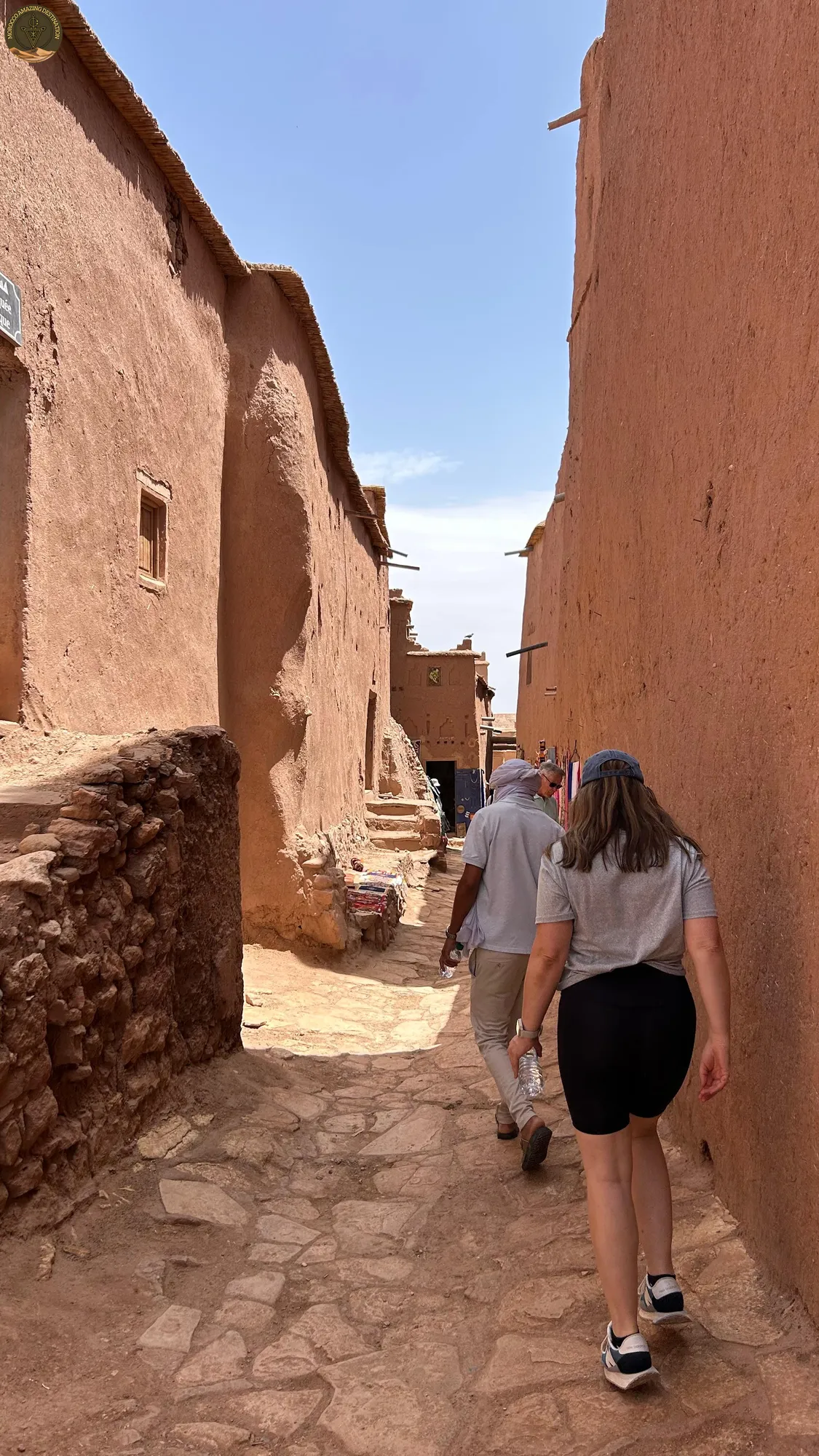
From winding medina alleys to wind-scoured Atlantic ramparts and earthen kasbahs on old caravan trails, Morocco packs a remarkable range of history into one country. The morocco unesco world heritage sites gather nine cultural places that show how Berber, Arab, Andalusian, Roman and European influences layered over centuries, and they remain living neighborhoods, ports and villages you can walk through today.
In this guide, we will break down the nine sites grouped by how you actually visit them and how you can link them on a private tailor-made route.
Imperial Medinas - Fez, Marrakech and Meknes
The imperial medinas are the heart of Morocco’s UNESCO list. Fez, Marrakech and Meknes each preserve a historic walled city that still functions as a neighborhood, not a museum, with daily crafts, markets and family homes behind ornate doors.
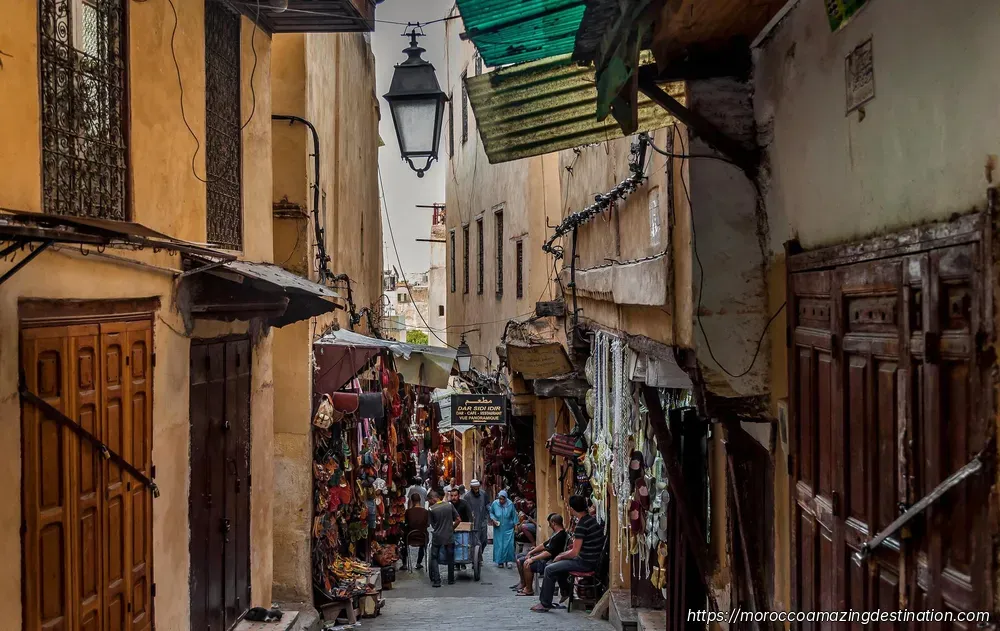
Fez el-Bali is the most intact. Its car-free alleys lead to Chouara tanneries, quiet fondouks, madrasas with carved cedar, and the area around Al Qarawiyyin, founded as a mosque and learning center more than a thousand years ago. Marrakech feels more open, built around Jemaa el-Fna, the Koutoubia, the Saadian Tombs and Bahia Palace. Meknes offers a calmer imperial scale with vast ramparts, the grand Bab Mansour gate and a planned court city linked to Moulay Ismail. Meknes pairs naturally with Volubilis as a day trip from Fez, which keeps driving light and leaves time for mint tea in a quiet square. Together these three explain the morocco world heritage sites rooted in Islamic urban life.
What to expect in the medinas:
- On-foot exploration: licensed local guides help you navigate alleys and reach hidden courtyards without pressure.
- Craft quarters: leather, metal, wood and textiles remain active, with workshops open to watch artisans.
- Stay inside the walls: a hand-picked riad keeps you close to morning light and evening calls to prayer.
Atlantic Fortresses and Port Cities - Essaouira, El Jadida and Rabat
Morocco’s Atlantic edge holds a different UNESCO story. Here European military design met Moroccan port life, creating fortified towns where sea air and stone walls shape the visit.
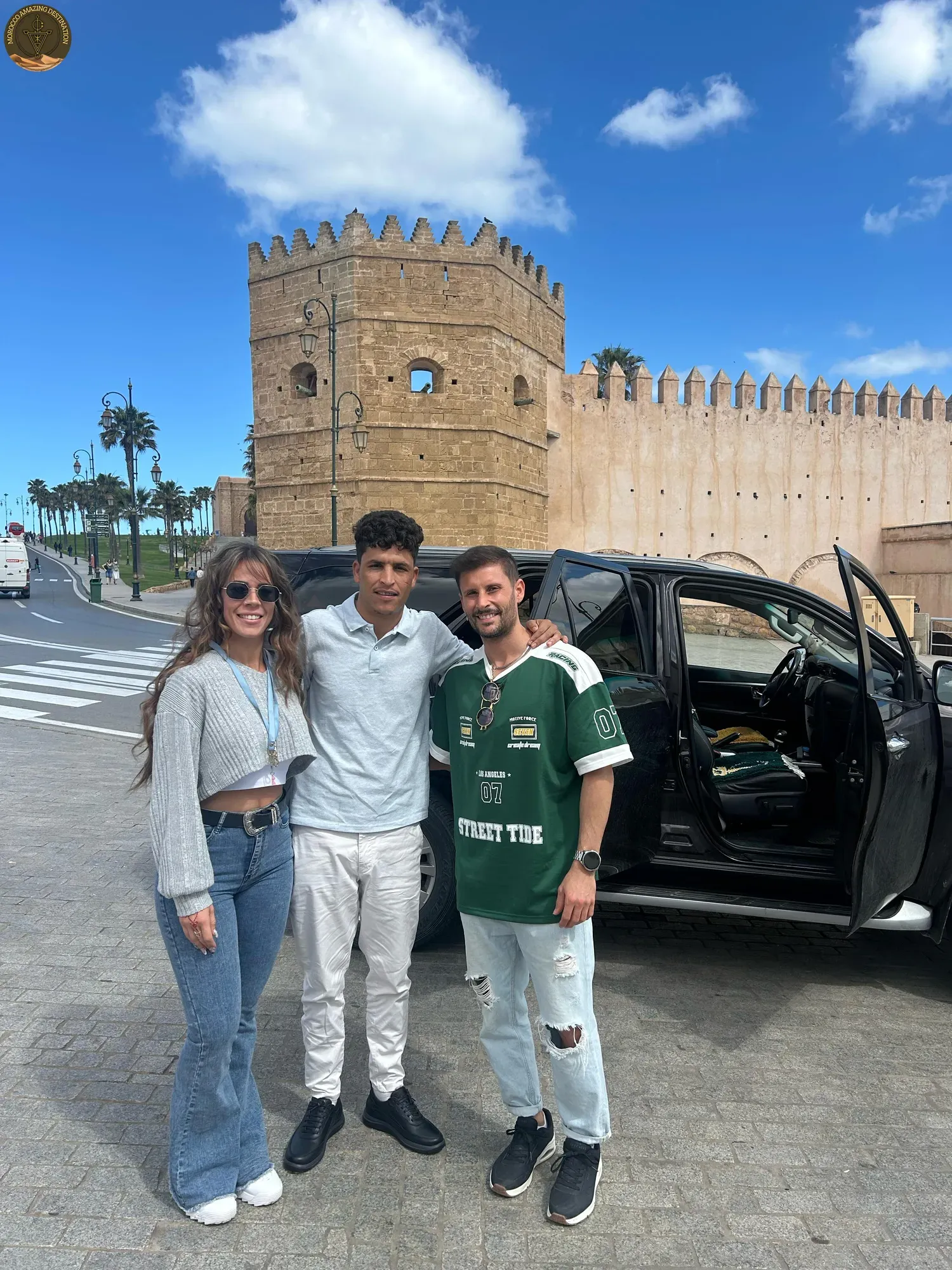
Essaouira is a compact harbor town with ramparts, bastions and a working fishing port where blue boats unload the catch. El Jadida keeps the Portuguese city of Mazagan, with thick sea walls, a bastioned plan and the atmospheric Manueline cistern with its vaulted arches and reflection pool. Rabat pairs the ceremonial capital built in the early twentieth century with much older layers, including Hassan Tower, the Kasbah of the Udayas and the Chellah garden, plus palm-lined boulevards that show how the city balances historic and contemporary life. For more on the capital, see our Rabat travel guide. These three together show the unesco sites in morocco that face the ocean.
Highlights along the Atlantic:
- Walls and views: walk the Skala in Essaouira and the sea bastions in El Jadida for light and photo points.
- Cisterns and towers: El Jadida cistern and Rabat Hassan Tower read clearly with a local guide.
- Easy pacing: flat medinas, cafes and corniche walks make this cluster relaxed for families.
Desert, Mountain and Ancient Crossroads - Ait Ben Haddou, Volubilis and Tetouan
Away from the big medinas and the coast, three sites trace older trade and cultural crossings. They fit neatly between desert, foothills and the Rif mountains.
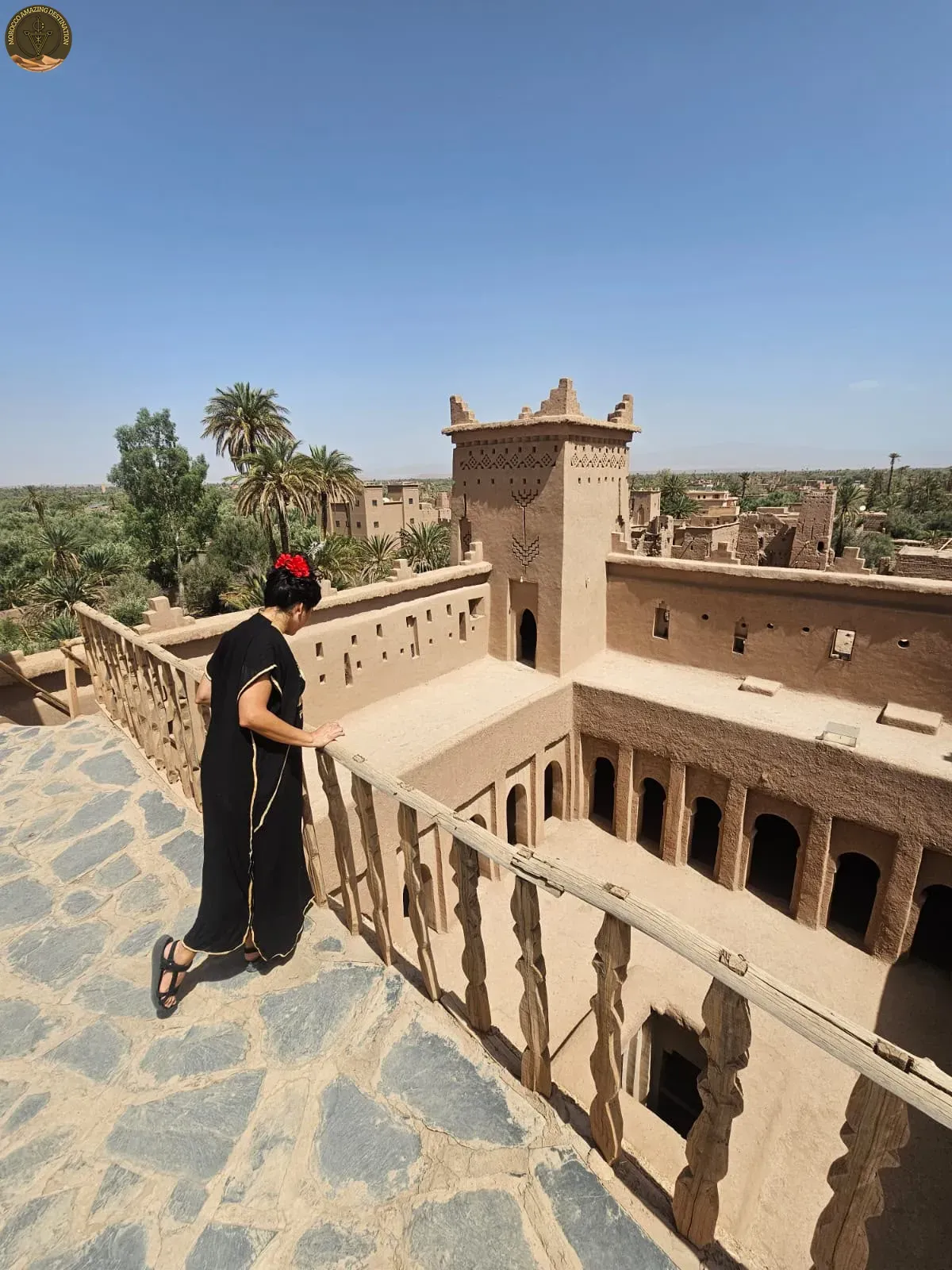
Ait Ben Haddou is the most photographed ksar in Morocco. Its earthen towers and stacked houses rise above the former caravan route that crossed the High Atlas toward Ouarzazate. Volubilis sits at the foot of Jbel Zerhoun in fertile hills, a Berber town later expanded as a Roman provincial capital with mosaics, baths and arches still visible. Tetouan, tucked below the Rif, kept a strong Andalusian character after families from Al Andalus resettled there. Its whitewashed medina links naturally with Chefchaouen and Tangier in the north. Each stop benefits from a short guided walk, then free time for tea and views before you continue driving.
Why these three work together:
- Route logic: pair Volubilis with Fez and Meknes, Ait Ben Haddou between Marrakech and the desert, Tetouan with the north.
- Scale and texture: earthen architecture, Roman stone and hillside medina give clear variety in one trip.
- Light visits: all three are walkable in a few hours with a guide, then continue driving.
How to Visit Morocco UNESCO Sites on a Private Tailor-Made Route
Seeing the sites well depends less on ticking names and more on how you move between them. Morocco rewards road travel with a private driver, so you can start early, adjust timing for light, and keep luggage, water and rest stops easy. That is where a tailor-made plan built with locals Hassan, Hamid and Andrea makes a real difference, with hand-picked riads, timing that avoids crowds and guides who know each quarter gate and rampart.
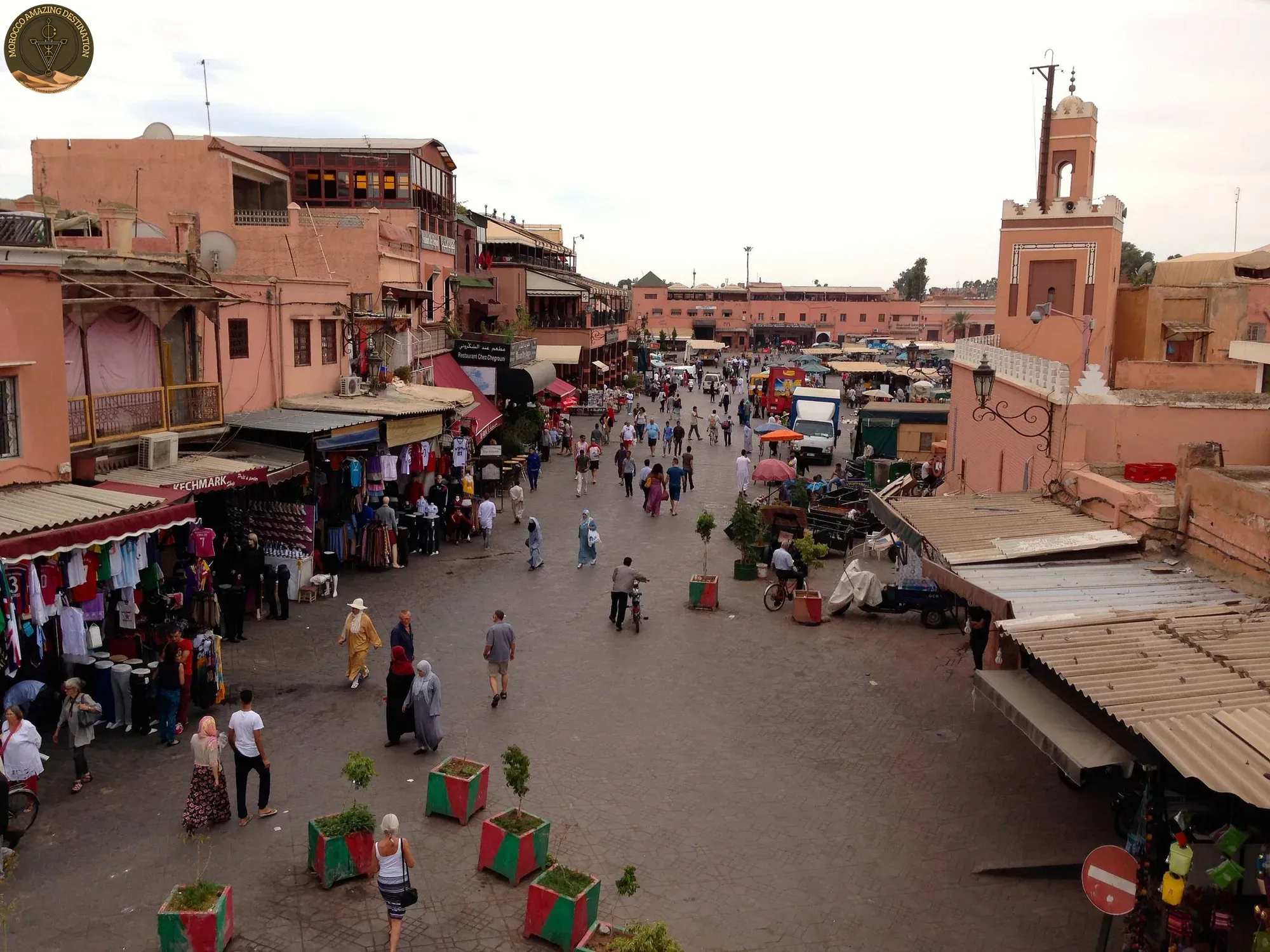
Most travelers connect three to six sites in one itinerary. An imperial circle links Casablanca, Rabat, Meknes, Volubilis and Fez before heading south. A desert crossing links Marrakech over the High Atlas to Ait Ben Haddou and on to the dunes. The north adds Tetouan after Chefchaouen, while the Atlantic set fits naturally between Casablanca and Essaouira. Your driver handles mountain passes and city gates while your guide handles tickets and context. Evenings in hand-picked riads bring courtyards for mint tea and a slow dinner, so the days feel unhurried even when roads are long.
Simple way to plan:
- Choose your anchor: imperial cities, desert and kasbahs, or Atlantic coast.
- Add one contrast: coast after medinas, or Roman site after desert.
- Keep it hassle-free: private vehicle, local guide in each medina, and riads inside or near the historic core.
You do not need to chase all nine at once. A well paced loop with three or four UNESCO places often feels richer than rushing the list, and you can return for the rest.
For a concise imperial circuit, look at the 8-Day Tour From Casablanca to Morocco Imperial Cities, which strings together Rabat, Meknes, Volubilis, Fez and Marrakech with private driving and local guides. If you want medinas plus desert and kasbahs, the 4-Day Marrakech to Fes Tour via Dades and Merzouga connects Marrakech, Ait Ben Haddou and the desert road to Fez.
We can customize a tour to match your needs - design your perfect itinerary
If you found this helpful, add us as your preferred source on Google.
Frequently Asked Questions
How many UNESCO World Heritage sites are there in Morocco?
Morocco has 9 cultural UNESCO World Heritage sites. They include imperial medinas, Atlantic fortified cities, a Roman archaeological site and an earthen ksar, all spread from the Rif to the desert edge.
Which Morocco UNESCO World Heritage sites are best for first-time visitors?
Fez and Marrakech suit first visits for their living medinas and souks, while Ait Ben Haddou and Essaouira add desert and coastal contrast. A private driver helps you link them without backtracking.
Can you visit several UNESCO sites in Morocco on one private tour?
Yes. Most private itineraries combine 3 to 6 sites in one loop. Imperial cities pair with Volubilis, the High Atlas links Marrakech to Ait Ben Haddou, and Atlantic cities fit well after Casablanca or Rabat.
What is the difference between the medinas of Fez and Marrakech?
Fez el-Bali is a dense, pedestrian labyrinth with tanneries and the Al Qarawiyyin university area, while Marrakech centers on Jemaa el-Fna square, Koutoubia gardens, Saadian Tombs and Bahia Palace with a more open, lively flow.
Ready for an Adventure?
Have questions? Feel free to contact us using the form below. We're here to help!