· Travel · 6 min read
Does Morocco Have a Travel Advisory? Complete Safety Guide for Tourists
Wondering if Morocco has a travel advisory? Get the latest official safety information, US State Department travel warnings, and expert tips for a secure trip.
When planning a trip to Morocco, one of the first questions travelers ask is: “Does Morocco have a travel advisory?”
The short answer is yes — like many countries around the world, Morocco has official travel advisories issued by various governments. But what does that actually mean for your trip? Should you be concerned, or are these just standard precautions?
In this complete guide, we break down everything you need to know about the Morocco travel advisory, what the official warnings say, and why Morocco remains one of North Africa’s most popular and safest destinations for tourists.
What Is a Travel Advisory?
A travel advisory is an official notice issued by a government to inform its citizens about potential risks when traveling to a foreign country. The most well-known is the US State Department travel advisory system, which uses four levels:
- Level 1: Exercise Normal Precautions
- Level 2: Exercise Increased Caution
- Level 3: Reconsider Travel
- Level 4: Do Not Travel
Other countries like the UK, Australia, and Canada have similar systems. These advisories are updated regularly based on security conditions, health risks, and political factors.
Does Morocco Have a Travel Advisory?
Yes, Morocco currently has a travel advisory in place. However, the advisory level is relatively low compared to many other destinations.
US State Department Advisory
The United States State Department has assigned Morocco a Level 2 travel advisory, which means “Exercise Increased Caution.” This is primarily due to the potential risk of terrorism. It is important to note that Level 2 is the same advisory level given to many popular European destinations including France, Germany, Spain, and the United Kingdom.
The advisory states that terrorist groups may plot attacks with little or no warning, potentially targeting tourist locations, transportation hubs, markets, and government facilities. However, Morocco has a strong security presence in tourist areas and has not experienced a major terrorist incident targeting tourists in many years.
UK Foreign Office Advice
The UK Foreign, Commonwealth & Development Office (FCDO) does not advise against travel to mainland Morocco. Their advice focuses on avoiding border areas with Algeria and the Western Sahara region. The UK government maintains that Morocco is safe for tourists exercising normal precautions.
Australian Smartraveller
Australia’s Smartraveller service advises travelers to “Exercise a high degree of caution” in Morocco due to the threat of terrorism. Like the US advisory, this is a precautionary measure rather than a warning against travel.
Other European Advisories
Most European countries, including Spain, Italy, France, and Germany, have similar advisories for Morocco. None currently recommend against travel to the main tourist destinations.
Why Does Morocco Have a Travel Advisory?
Travel advisories for Morocco exist primarily due to:
- Terrorism risk: Like many countries, Morocco faces a potential threat from terrorist groups, though security forces actively monitor and prevent incidents.
- Border tensions: Areas near the Algerian border and Western Sahara have higher risk levels due to regional tensions.
- Petty crime: Pickpocketing and scams in crowded tourist areas are a concern, though this is common in tourist destinations worldwide.
Importantly, these advisories are precautionary and reflect a general risk assessment rather than an active, ongoing danger to tourists.
Is Morocco Safe for Tourists Despite the Advisory?
Absolutely. Morocco is considered one of the safest travel destinations in North Africa. The travel advisory should not deter you from visiting this incredible country.
- Morocco welcomed millions of international tourists in recent years
- The government maintains a dedicated tourist police force in major cities
- Most reported incidents involve petty crime rather than serious safety threats
- Solo travelers, including women, visit Morocco safely every year
Safety in Major Tourist Cities
Marrakech is heavily policed, especially around Jemaa el-Fnaa square and the medina. Most visits are trouble-free, and the city is well-equipped for tourists.
Fes can be confusing to navigate, but hiring a licensed guide keeps you safe and enhances your experience. The medina is patrolled and welcoming.
Chefchaouen is considered one of the safest cities in Morocco, especially for solo travelers. The relaxed atmosphere makes it a favorite among backpackers.
Rabat and Casablanca are modern cities with standard urban precautions. Tourist areas are well-monitored.
Safety on Sahara Desert Tours
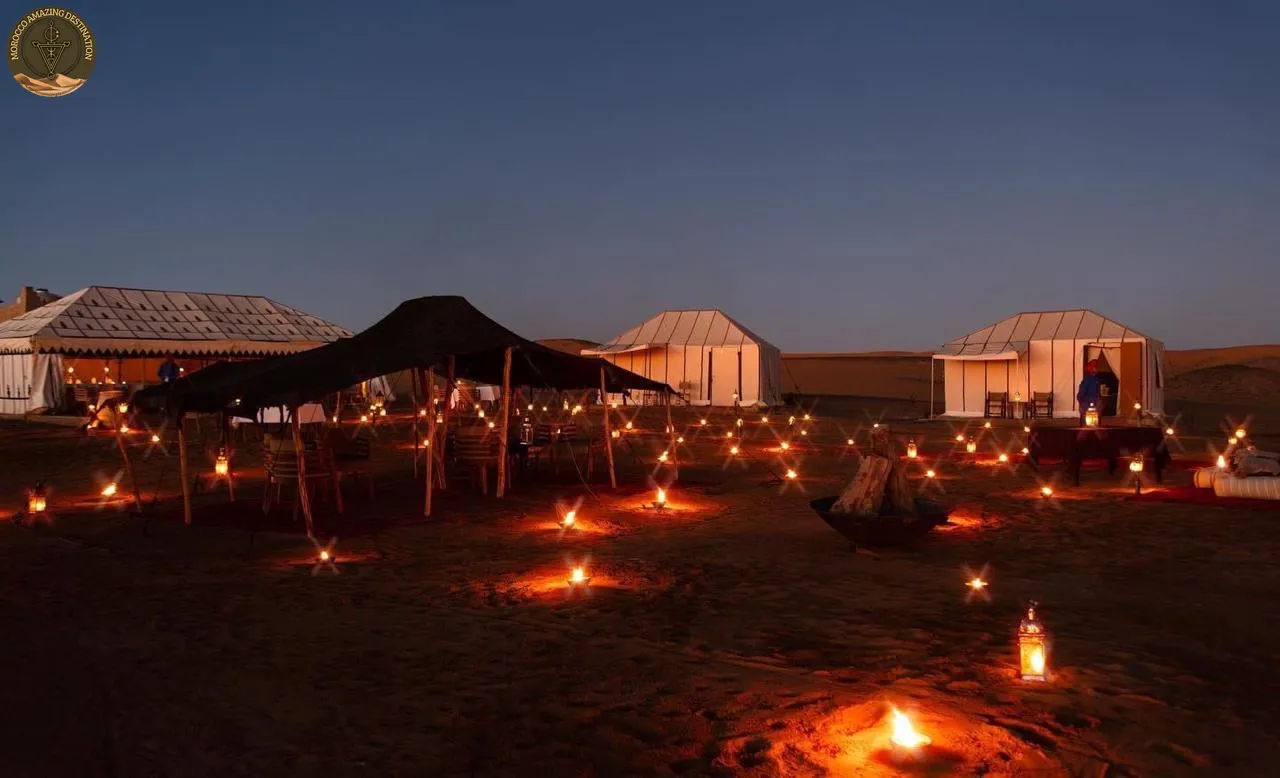
Organized tours to the Sahara Desert, including Merzouga and Erg Chebbi, are highly regulated and extremely safe. Tour companies provide experienced guides, secure transportation, and comfortable accommodations. Camel trekking and desert camping are among the most popular and secure activities in Morocco.
Morocco Travel Safety Tips
To make your trip as safe and enjoyable as possible, follow these practical tips:
- Stay in reputable accommodations: Book well-reviewed riads, hotels, or guesthouses in central areas.
- Use licensed guides: Especially in medinas and for desert tours, always book through official tour operators.
- Keep valuables secure: Use hotel safes and avoid displaying expensive items in crowded areas.
- Dress modestly: Morocco is a conservative country; covering shoulders and knees is respectful and helps avoid unwanted attention.
- Drink bottled water: Avoid tap water to prevent stomach issues.
- Agree on prices beforehand: For taxis, guides, and market purchases, always confirm the price before committing.
- Stay aware of your surroundings: Common-sense precautions go a long way.
Areas to Avoid in Morocco
According to official travel advisories, you should avoid or exercise extreme caution in:
- Border areas with Algeria — particularly east of the fortified border
- The Western Sahara region (though this area is rarely visited by tourists)
- Remote mountainous areas without a guide or proper preparation
All popular tourist destinations — Marrakech, Fes, Chefchaouen, Essaouira, Tangier, Rabat, Casablanca, and the Sahara Desert — are considered safe.
Final Thoughts
So, does Morocco have a travel advisory? Yes, but it is a standard Level 2 advisory — the same level given to many European countries. This should not stop you from experiencing one of the most beautiful, culturally rich, and welcoming countries in the world.
With its vibrant souks, stunning architecture, delicious cuisine, and breathtaking landscapes from the Atlas Mountains to the Sahara Desert, Morocco offers an unforgettable travel experience. By following basic safety precautions and booking with reputable local operators, you can enjoy a safe and incredible journey.
For a stress-free experience, consider booking a guided tour that handles all the details for you. Our 3-day trip from Marrakech to Merzouga takes you through the Atlas Mountains, Ait Benhaddou, and into the Sahara Desert with expert guides who prioritize your safety and comfort every step of the way.
If you have more time, the 8-day Morocco tour from Marrakech to the Sahara and Essaouira offers a comprehensive journey through Morocco’s highlights, combining desert adventure with coastal relaxation and cultural exploration.
If you found this helpful, add us as your preferred source on Google.
Frequently Asked Questions
Does Morocco have a travel advisory from the US State Department?
Yes, the US State Department has issued a Level 2 travel advisory for Morocco, recommending travelers exercise increased caution due to terrorism concerns. This is a standard advisory for many popular destinations.
Is it safe to travel to Morocco right now despite the advisory?
Yes, Morocco remains safe for tourists. Millions of visitors travel to Morocco each year without incident. The advisory is a precautionary measure, and most tourist areas including Marrakech, Fes, Chefchaouen, and the Sahara Desert are well-policed and secure.
What areas should I avoid in Morocco?
Travel advisories typically recommend avoiding border areas near Algeria and the Western Sahara region. All major tourist destinations and cities are considered safe with normal precautions.
What is the UK Foreign Office travel advice for Morocco?
The UK Foreign, Commonwealth & Development Office does not currently advise against travel to mainland Morocco. They recommend following standard safety precautions, particularly in crowded areas and tourist hotspots.
Ready for an Adventure?
Have questions? Feel free to contact us using the form below. We're here to help!