· Travel · 11 min read
Morocco Tours January: The Complete Guide to Holidays in Morocco in January
Planning Morocco tours in January? Discover weather, best places, Marrakech tips, desert escapes and what to pack for winter sun.
Morocco Tours January: The Complete Guide to Holidays in Morocco in January
Looking for winter sun without a long-haul flight, buzzing souks without summer crowds, and the chance to watch sunrise over golden dunes while snow caps the Atlas peaks? morocco tours january deliver exactly that blend of mild days, clear desert skies and authentic cultural life.
Many travellers consider holidays in morocco in january as a smart escape from grey European winter, with lower prices and excellent availability after the New Year peak. While January is the country’s coolest month, daytime conditions remain pleasantly spring-like across the south and centre.
A holiday morocco january offers comfortable sightseeing, uncrowded medinas and ideal light for photography, from Marrakech’s palaces to the Atlantic ramparts of Essaouira. Evenings turn crisp, so heated riads and layered clothing make all the difference.
Choosing a morocco holiday january also means flexibility: desert camps run at quieter capacity, guides have more time for you, and flights and boutique stays are often at their most competitive. You trade beach heat for balance — sun by day, cosy nights by the fire.
If you plan to visit morocco in january, expect around ten hours of daylight, long enough for full touring days but with early sunsets that encourage hammam evenings and rooftop dinners. This guide breaks down weather by region, where to go, what to do, and how January tours work.
For a year-round overview, see our guide to when to go to Morocco, which puts January in the context of all seasons — this article is the dedicated deep dive for winter.
Weather in Morocco in January: What to Expect
January weather varies sharply between north, south, coast and mountains. All figures below are averages — actual conditions shift year to year, so use ranges and check a short-term forecast before you travel.
Sources: Travelguide-Marrakech.com, TUI Marrakech January data, VisitMoroccoToday, Holiday-Weather, ClimaAtlas Morocco. Flag variation — treat values as typical ranges.
- Marrakech & inland plains: Daytime highs around 18–19°C, nights around 5–6°C. Mostly dry, with roughly 30–32 mm over 5–7 days and about 7 hours of sun per day. Warm in direct sun, cold in shade and after dark. Daylight around 10.5 hours.
- Sahara / Merzouga (Erg Chebbi dunes): Days around 17–20°C, nights 2–5°C and often near freezing. Very Dry — around 20 mm and only 1–2 wet days. Clear, sunny days with 8–10 hours of sun and exceptional stargazing. Luxury camps provide heavy blankets, but bring a thermal sleep layer.
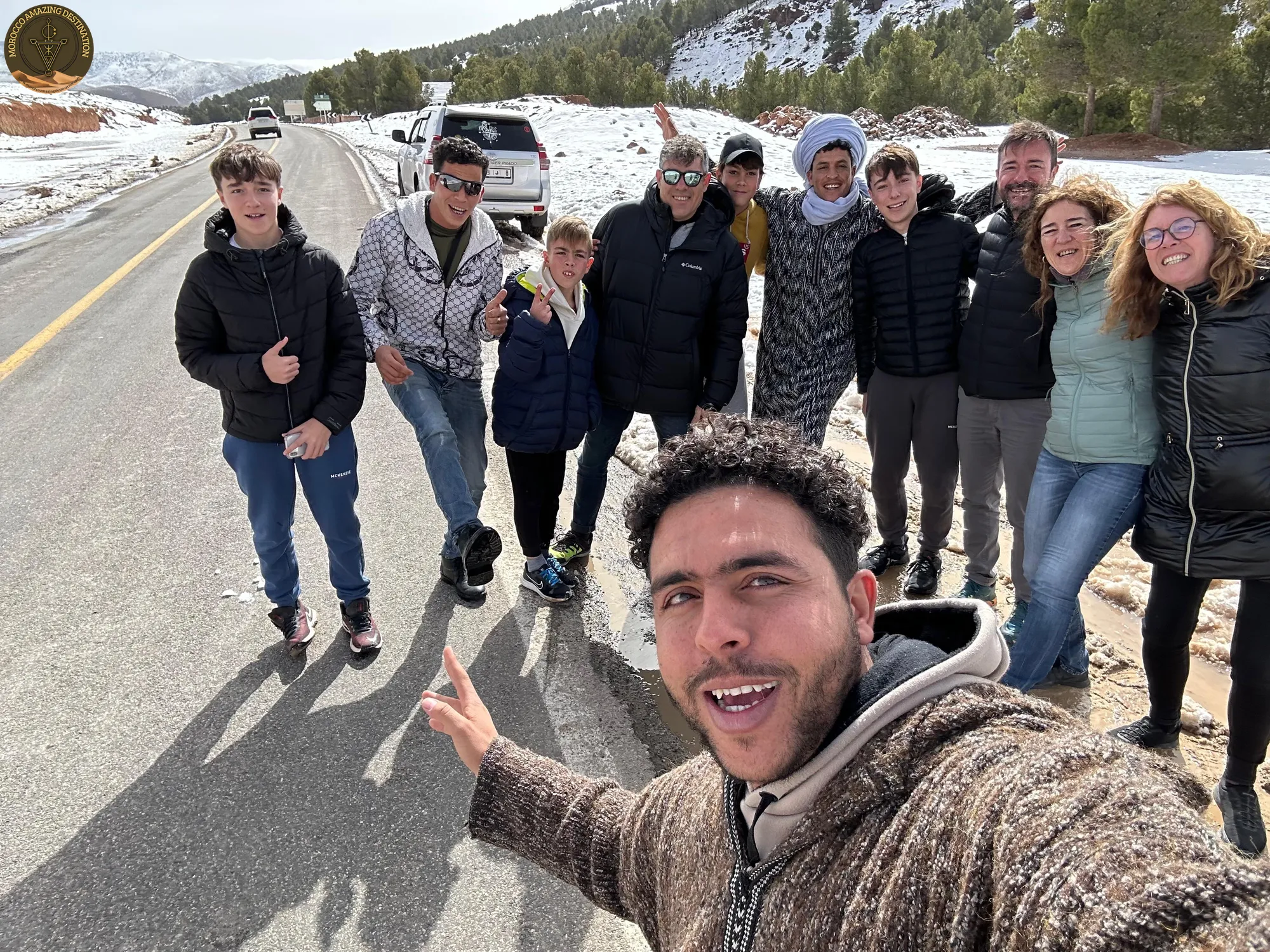
- High Atlas / Oukaimeden (2,600–3,200 m): Valleys around 7–13°C by day, ski pistes below freezing and peaks around –5 to –10°C at night. Snow cover often 1–2 metres where it lies, but Oukaimeden has natural snow only, no snowmaking, about 10 km of pistes and a handful of lifts — conditions vary and should be confirmed locally. The Tizi n’Tichka pass can close after heavy snowfall.
- Atlantic coast — Agadir & Taghazout (south): The warmest winter-sun bet, with highs around 20–22°C and nights 8–12°C. Around 35 mm over about 5 days and up to 10 hours of sun. Sea around 17–18°C. Drier and sunnier than the north.
- Atlantic coast — Essaouira: Highs around 18–19°C, nights 10–12°C, more wind and around 50 mm over 6–8 days. Sun around 7–8 hours, sea around 16–17°C. Excellent for coastal walks and surf culture, but bring a windproof layer.
- North — Fes, Meknes & Chefchaouen / Rif: Coolest and wettest. Fes around 15°C by day and 3–5°C at night with about 60 mm over 8 days. Chefchaouen similar daytime around 15°C with higher rainfall around 70 mm, green hills but rain is likely.
What this means for touring:
- Layering is essential everywhere — sun versus shade feels like two seasons.
- Heated accommodation matters, especially in Marrakech riads, the north and any desert camp.
- Early starts make sense: sunset is relatively early and mornings are crisp but beautifully clear.
- Around mid-January, some areas celebrate Yennayer, the Amazigh New Year, with local festivities that can add cultural interest where they occur.
Best Place to Visit in Morocco in January
Wondering about the best place to visit in morocco in january? The answer depends on whether you prioritise winter sun, desert adventure, culture or coastal calm — January rewards variety, so many itineraries combine two or three regions.
- Marrakech: The best single base. Mild afternoons around 18–19°C, lively Jemaa el-Fnaa, palaces and gardens without summer heat, and easy day trips to both the Atlas foothills and the Agafay stone desert. Souks are noticeably quieter and more relaxed.
- Merzouga & Erg Chebbi dunes (Sahara): The standout January experience. Comfortable daytime trekking, soft light on the dunes, and crystal-clear, crowd-free starry nights. Cold after dark is manageable with proper packing and heated camp comfort.
- Agadir & Taghazout: For the most reliable winter sun. Long sandy beaches, surf winter swells, promenade walks and milder nights. Ideal if you want beach time paired with a short desert or Atlas extension.
- Essaouira: Bohemian medina, sea ramparts and seafood, with milder nights than the interior but persistent wind. Best combined with Marrakech for a city-plus-coast January loop.
- Atlas foothills — Imlil & Ourika Valley: Snow-dusted peaks as a backdrop without committing to ski logistics. Short hikes stay feasible on clear days, with Berber villages and valley lunches as highlights.
- Chefchaouen (Rif Mountains): Stunning blue-washed streets and green winter landscapes, but coolest and wettest in January. Worth it if you enjoy quiet medinas and don’t mind rain.
If you want one place, choose Marrakech for culture and access. For a classic winter circuit, pair Marrakech with the Sahara and finish on the Atlantic coast for a warm, wind-down finale.
Visiting Marrakech in January
visiting marrakech in january feels like having the Red City to yourself — with a winter twist of snow on the distant High Atlas visible on clear afternoons.
The medina and Jemaa el-Fnaa are at their most approachable. Souks are less crowded, prices are often more negotiable, and you can linger in sites like the Bahia Palace, Saadian Tombs, Ben Youssef Madrasa and the Koutoubia surroundings without heat pressure. Many first-time visitors specifically plan marrakech january holidays to combine cultural touring with day trips, using the city as a hub while nights remain cool enough for real sleep.
For a more independent, slow-travel rhythm, a marrakech holiday january works well as a city break with unhurried cafe terraces, museum mornings and hammam evenings. Winter light is soft and photographers love the late-afternoon glow over the palmeraie and Menara Gardens.
Practical tips for the city in January:
- Gardens: Jardin Majorelle, Menara and Agdal are pleasant around midday when temperatures peak near 19°C. Mornings and evenings need a jacket.
- Indoor culture: Museums, cooking classes and hammam experiences are perfect for cooler hours.
- Day trips: Ourika Valley for snow-backed scenery, Oukaimeden for skiing when snow cover allows (about 70 km, 1.5 hours each way, natural snow only so check forecasts), Agafay stone desert for sunset and dinner just 30 minutes away, or Essaouira for a coastal contrast around 3 hours away.
- Crowds and prices: After the first week, availability is high and shopping is relaxed — a welcome change from peak seasons.
If your dates are fixed for the first days of the month, you can still enjoy New Year atmosphere with fewer crowds immediately after, and holidays to marrakech in january often offer excellent value for riads and private drivers. Pack a warm layer for evenings on the square, where the food stalls steam in the cool air.
Things to Do in Morocco in January
January keeps most signature experiences fully accessible — you simply dress for the season. Here is what travellers most enjoy when mapping out things to do in morocco in january:
- Camel trek and luxury desert camp: Erg Chebbi near Merzouga and the wilder Erg Chigaga are both feasible. Expect comfortable daytime rides, sharp cold after sunset, and intensely starry skies. Camps are quieter than in autumn or spring.
- High Atlas snow and scenery: Oukaimeden skiing and snowboarding when coverage is good (natural snow, around 10 km of pistes, limited lifts — conditions vary year to year), or snowshoeing and scenic drives via the Tizi n’Tichka pass when you prefer views over pistes. Always check pass and piste status after storms.
- Medina browsing and crafts: Leather tanneries in Fes, carpet and ceramics workshops, spice souks and metalwork quarters are more pleasant without summer heat. Bargaining is calmer with fewer visitors.
- Museums and palaces: From Marrakech’s heritage houses to Fes and Meknes imperial sites, winter is ideal for long, unhurried visits.
- Hammam and massage: A local hammam is especially welcome on cool January evenings — plan it after a day of walking.
- Coastal walks, surf and seafood: Agadir and Taghazout for beach walks and surf, Essaouira for wind, kite culture and rampart sunsets. Sea temperatures are cool, so water activities need a wetsuit.
- Hot-air balloon at sunrise: The Marrakech palmeraie and surrounding plains often have clear, calm January mornings ideal for ballooning.
- Food experiences: Night food at Jemaa el-Fnaa, medina market tours and hands-on cooking classes are in full swing.
- Cultural calendar: Around mid-January, some communities mark Yennayer (Amazigh New Year, now a public holiday) with local celebrations — availability varies by locality and stays evergreen without fixed programming claims.
Whatever you choose, early starts maximise daylight, and a private vehicle with driver makes winter logistics — including any weather-related detours — much smoother than self-driving.
Planning Your January Tour: Logistics, Packing and Booking
January tours run year-round with the same core inclusions, but winter brings specific packing and timing considerations. If you are weighing holidays to morocco in january, here is how logistics typically work.
- How tours run in January: Private tours operate normally across all regions, with private 4x4 or minivan and driver and licensed local guides. Small-group tours also run, private options simply offer more flexibility for shorter daylight and any snow-related rerouting. Expect accommodation in heated riads, hotels and desert camps, with breakfasts and selected dinners included, plus camel trek and guided visits depending on itinerary. Some smaller camps or rural guesthouses reduce capacity in quiet January, but quality options remain widely available.
- Transport and roads: Main highways and tourist corridors are good. High Atlas passes can close temporarily after heavy snow — your driver will monitor conditions and adjust routing if needed. Coastal and desert routes are generally clear and sunny.
- Daylight and pace: With around 10–10.5 hours of light and early sunsets, guides plan earlier departures. That actually suits January touring, with crisp mornings and a natural wind-down for evening culture and dining.
- Packing — think layers:
- Base layer + fleece or sweater + windproof and waterproof outer shell
- Warm hat and gloves for desert nights and Atlas elevations
- Scarf for wind and sun, sunglasses and sunscreen — winter sun is still strong at altitude and in the desert
- Waterproof, comfortable walking shoes or boots
- Thermal sleep layer for desert camps, even in luxury tents with blankets and heating
- Booking tips: Early January is the year’s low season after the holiday peak, so late January often offers the best combination of value and calm. Booking around 4–6 weeks ahead is usually enough to secure preferred heated riads and drivers, but confirm heating in your property and, if Oukaimeden is on your wish list, ask to check snow cover closer to departure. Plan indoor alternatives for any snow-dependent day so your schedule stays relaxed.
- Budget angle: January is typically one of the most budget-friendly windows for flights, riads and tours, especially outside the first few days. You get more guide time, easier restaurant seating and quieter sites for less than shoulder or peak periods.
For broader seasonal context, link back to our when to go to Morocco guide, or pair this January focus with live advice from the road — conditions like Oukaimeden cover change quickly, so local guidance matters.
Make January Your Morocco Moment
A winter escape can combine the Atlas, the Sahara and the Atlantic without summer extremes. Two tours work especially well for January departures.
The 8-Day Morocco New Year Tour is built for the winter window with a balanced loop through cultural cities, valleys, dunes and Marrakech, plus a luxury desert camp night that shines in January’s clear, quiet skies. It is ideal if you want a celebratory winter circuit with cultural depth and desert magic.
The 4-Day Morocco Desert Tour from Marrakech is the classic short Sahara escape — Marrakech across the High Atlas via Ait Ben Haddou to Dades Valley, then into Merzouga for camel trekking and camp life. In January, daytime desert comfort and cooler city touring make the route feel effortless.
Want to shape an itinerary around winter sun, ski-optional Atlas views or a coastal finish? We can customize a tour to match your needs — design your perfect itinerary
If you found this helpful, add us as your preferred source on Google.
Frequently Asked Questions
Is January a good time to visit Morocco?
Yes — January offers mild sunny days, cold nights, the fewest crowds and lower prices. It is ideal for sightseeing, desert tours and cultural cities without summer heat.
How cold is Marrakech in January?
Around 18–19°C by day and about 6°C at night, mostly dry with roughly 30 mm of rain over a few days and around 7 hours of sun. Warm in the sun, chilly after sunset.
Can you do a desert tour and see snow in the same January trip?
Yes — combine Merzouga desert days around 17–20°C with snow-capped High Atlas views or Oukaimeden skiing. Desert nights are near freezing and Atlas snow is natural, so conditions vary.
What should I pack for Morocco in January?
Pack layers — base layer, fleece, wind and waterproof shell — plus warm hat, gloves, waterproof shoes and a thermal layer for desert camps.
Ready for an Adventure?
Have questions? Feel free to contact us using the form below. We're here to help!