· Travel Tips · 7 min read
Morocco Food Safety Guide: What to Eat, Drink, and Avoid
Wondering if the food is safe in Morocco? From street food to tagine, here is your complete guide to eating safely, avoiding stomach issues, and enjoying Moroccan cuisine like a local.
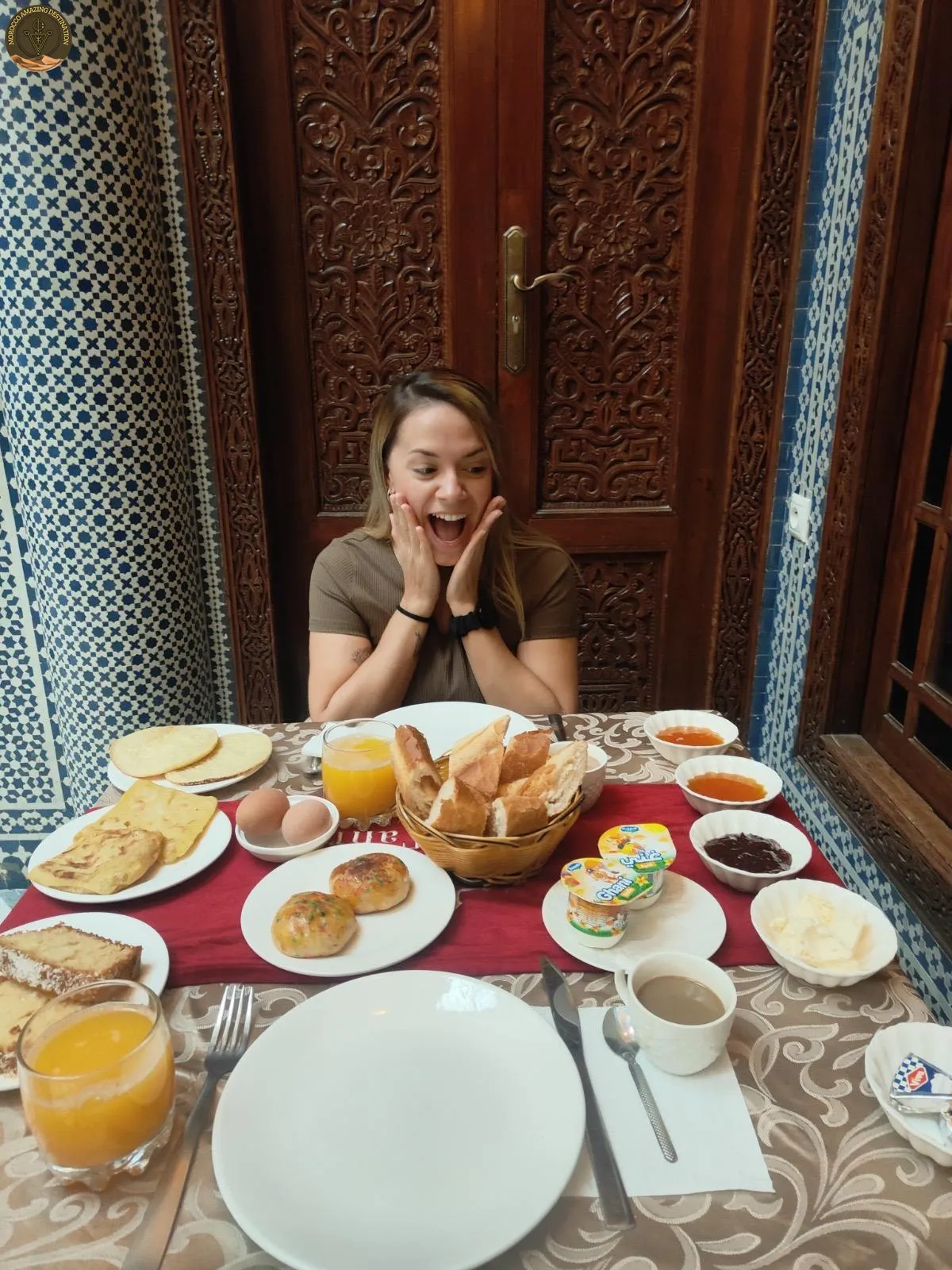
Morocco is a dream destination for food lovers. From the fragrant spices of a slow-cooked tagine to the sizzling aromas of street food stalls in Marrakech, Morocco food safety is a top concern for many travelers planning their trip. The good news? With a few smart precautions, you can explore the country’s incredible moroccan cuisine without worrying about getting sick.
In this guide, we will cover everything you need to know about eating safely in Morocco: what to eat, what to avoid, and how to enjoy every bite of your culinary adventure.
Is the Food Safe to Eat in Morocco?
For the vast majority of visitors, the answer is a confident yes. Moroccan food culture revolves around fresh ingredients, long cooking times, and high standards of hospitality that naturally reduce health risks.
Dishes like tagine and couscous are cooked at high temperatures for extended periods, making them some of the safest meals you can order. The slow cooking process eliminates bacteria, and the ingredients — meat, vegetables, and spices — are typically sourced daily from local markets.
That said, traveler’s diarrhea affects a small percentage of tourists, often caused by exposure to unfamiliar bacteria rather than poor hygiene. The key is knowing where and what to eat.
Safe bets include:
- Tagine: Slow-cooked in a clay pot, thoroughly heated
- Couscous: Steamed and served hot, usually on Fridays
- Harira: A hearty soup boiled for hours
- Grilled brochettes: Skewered meat cooked over open flames
- Freshly baked bread (khobz): Baked daily in communal ovens
Foods to approach with more caution:
- Raw salads: May have been washed with tap water
- Unpeeled fruit: Stick to fruit you can peel yourself, like oranges and bananas
- Buffet-style food: Choose only what looks freshly prepared and kept hot
Drinking Water in Morocco: What You Need to Know
One of the most common questions travelers ask is about drinking water in Morocco. Here is the straightforward answer: do not drink the tap water.
While Moroccan tap water is treated in urban areas, the mineral content and treatment chemicals can disagree with foreign stomachs. Locals often drink tap water without issues, but as a visitor, your digestive system is not adapted to it.
Water safety tips:
- Always drink bottled water — it is cheap (around 5-7 MAD per bottle) and sold everywhere
- Use bottled or filtered water for brushing your teeth
- Avoid ice cubes in drinks unless you are in a reputable restaurant that uses filtered water
- Check that the seal is intact when buying bottled water from street vendors
- Carry a reusable water bottle with a built-in filter if you want to reduce plastic waste
Hot drinks like Moroccan mint tea are perfectly safe because the water is boiled during preparation. This is one of the many reasons to embrace the local tea culture.
Moroccan Street Food: A Guide to Eating Safely
Moroccan street food is one of the highlights of any trip. The Jemaa el-Fnaa square in Marrakech alone is a UNESCO-recognized cultural space where dozens of food stalls come alive every evening. Street food gives you an authentic taste of local life — you just need to know how to navigate it smartly.
How to choose a safe street food stall:
- Follow the crowd: Busy stalls with a high turnover of customers mean fresher food
- Watch the cooking: Choose stalls where food is cooked to order in front of you
- Check for cleanliness: Look at general hygiene — does the vendor use gloves or tongs?
- Eat it hot: Food that has been sitting out at room temperature is riskier
- Trust your instincts: If something does not look or smell right, walk away
Best street foods to try:
- Maakouda: Deep-fried potato cakes, crispy and safe when freshly fried
- Harira soup: A steaming bowl of tomato, lentil, and chickpea soup
- Sfenj: Moroccan doughnuts, fried on the spot
- Grilled corn: Cooked over charcoal, a simple and safe snack
- Brochettes: Grilled meat skewers served with cumin and salt
What to be cautious about with street food:
- Shellfish and seafood stalls (especially those far from the coast)
- Pre-prepared sandwiches that may have been sitting out
- Raw vegetable toppings on street dishes
Best Places to Eat in Morocco
Knowing the best places to eat in Morocco can make the difference between a good meal and a great one — and between feeling fine and feeling unwell.
Restaurants in the Medina
The medinas of Marrakech, Fes, and Chefchaouen are packed with small restaurants and rooftop terraces. Look for places that are:
- Busy with locals: A restaurant full of Moroccan diners is always a good sign
- Well-reviewed: Check recent reviews on platforms like Google Maps or TripAdvisor
- Clean and organized: Visible kitchen areas and clean tables are reassuring
The Jemaa el-Fnaa Food Stalls
Marrakech’s famous square is a must-visit for food enthusiasts. Stall number 1 (famous for its mechoui — slow-roasted lamb) and stall 14 (known for merguez sausages) have built loyal followings over the years. The numbered stalls are permanent fixtures, which means they are subject to hygiene inspections.
Local Cafés and Bakeries
Every neighborhood in Morocco has a hanout (corner shop) and a local bakery. Fresh khobz (round bread) is baked daily and costs just a few dirhams. Pair it with olives, cheese, or amlou (almond and argan oil spread) for a simple and safe meal.
Riads and Guesthouses
Many riads offer home-cooked meals to their guests. This is arguably the safest and most authentic way to eat in Morocco. The food is prepared in a private kitchen with care, and the ingredients are bought fresh. Ask your riad host if they serve dinner — it is often the best meal of your trip.
Must-Try Moroccan Dishes (That Are Also Safe)
Moroccan food is incredibly diverse, and most traditional dishes are cooked thoroughly. Here are the essentials you should not miss:
- Chicken tagine with preserved lemon and olives: A classic, slow-cooked to perfection
- Lamb tagine with prunes and almonds: Sweet-savory magic in a clay pot
- Couscous with seven vegetables: The traditional Friday lunch
- Pastilla (bastilla): Flaky pastry filled with pigeon or chicken and dusted with cinnamon and sugar
- Zaalouk: Smoky eggplant and tomato dip, served with bread
- Bissara: Dried fava bean soup, simple and nourishing
- Mint tea: The national drink, poured from a height to create a frothy top
For vegetarians, Morocco offers plenty of options: vegetable tagines, couscous, zaalouk, briouates (filled pastries), and lentil-based dishes are widely available. Just be clear with your server about your dietary needs.
Practical Food Safety Tips for Travelers
Beyond choosing the right food, a few daily habits will keep you healthy throughout your trip.
- Wash your hands frequently: Carry hand sanitizer for when soap and water are not available
- Peel your fruit: Bananas, oranges, and prickly pears are safe choices
- Stay hydrated: The Moroccan sun is intense — drink plenty of bottled water
- Ease into the spices: If you are not used to rich, spiced food, start slowly
- Pack a basic medical kit: Anti-diarrheal tablets, rehydration salts, and probiotic supplements are good insurance
- Consider probiotics: Taking probiotics a week before and during your trip can help strengthen your gut
Enjoy Moroccan Cuisine with Confidence
Morocco’s food culture is one of the richest and most welcoming in the world. The key to enjoying moroccan food safety is not to avoid everything, but to make informed choices. Eat where locals eat, favor freshly cooked dishes, drink bottled water, and trust your senses.
Millions of travelers visit Morocco every year and return home raving about the food. From your first sip of mint tea to your last spoonful of couscous, the flavors of Morocco will stay with you long after your journey ends.
Ready to taste Morocco for yourself? Combine your culinary exploration with an unforgettable adventure. Our 3-Day Trip from Marrakech to Merzouga takes you through the Atlas Mountains and into the Sahara, with opportunities to enjoy authentic Berber meals and mint tea in desert camps. For a longer immersive experience, the 4-Day Morocco Desert Tour from Marrakech includes visits to traditional villages where you will taste home-cooked Moroccan dishes made with locally sourced ingredients.
If you found this helpful, add us as your preferred source on Google.
Frequently Asked Questions
Is the food safe to eat in Morocco?
Yes, Moroccan food is generally very safe, especially when eating at busy, well-reviewed restaurants and food stalls. Stick to freshly cooked meals like tagine and couscous, avoid raw salads unless you are sure the vegetables have been properly washed with safe water, and follow basic hygiene practices.
Can I drink the tap water in Morocco?
It is not recommended to drink tap water in Morocco. Stick to bottled water, which is widely available and affordable. Use bottled water for brushing your teeth as well, and avoid ice cubes unless you are certain they were made with filtered water.
Is Moroccan street food safe to eat?
Moroccan street food can be safe and delicious if you choose wisely. Look for stalls with high customer turnover and where food is cooked fresh in front of you. Popular safe options include freshly fried maakouda, grilled brochettes, and harira soup from busy vendors.
What should I do if I get an upset stomach in Morocco?
Pack basic remedies such as anti-diarrheal medication and oral rehydration salts. Most stomach issues are mild and pass within a day. Drink plenty of bottled water, stick to bland foods like bread and rice, and seek medical help if symptoms are severe or persistent.
Ready for an Adventure?
Have questions? Feel free to contact us using the form below. We're here to help!