
· Travel · 4 min read
Is Moroccan Street Food Safe? What to Eat and Skip
Is Moroccan street food safe? Learn what to order, what to skip, and how to handle street drinks and ice.
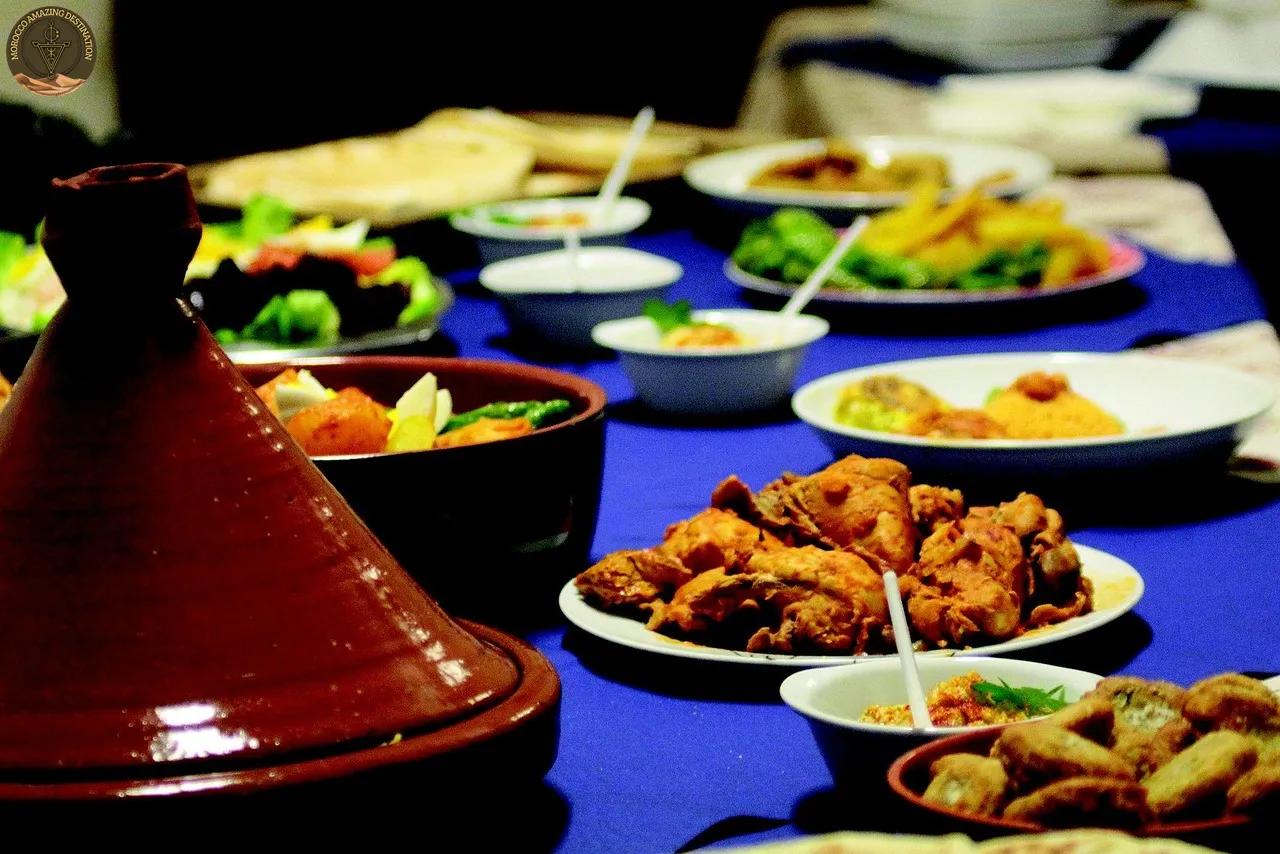
The first time you stand in front of a smoky grill in the Marrakech medina, the question comes fast: is Moroccan street food safe? The short answer is yes, as long as you order food cooked to order and served hot from a busy stall. The real risk sits in pre-plated, room-temperature or hand-assembled food.
In this guide, we will break down the dishes locals queue for. We will cover what not to eat or drink in Morocco, and how to choose a clean stall.
Is Moroccan Street Food Safe? The Honest Answer
Morocco’s street kitchens are not a gamble when you learn to read them. Skewers hit hot coals, soup is ladled from a simmering pot, and bread is fried to order. Heat is the safeguard.
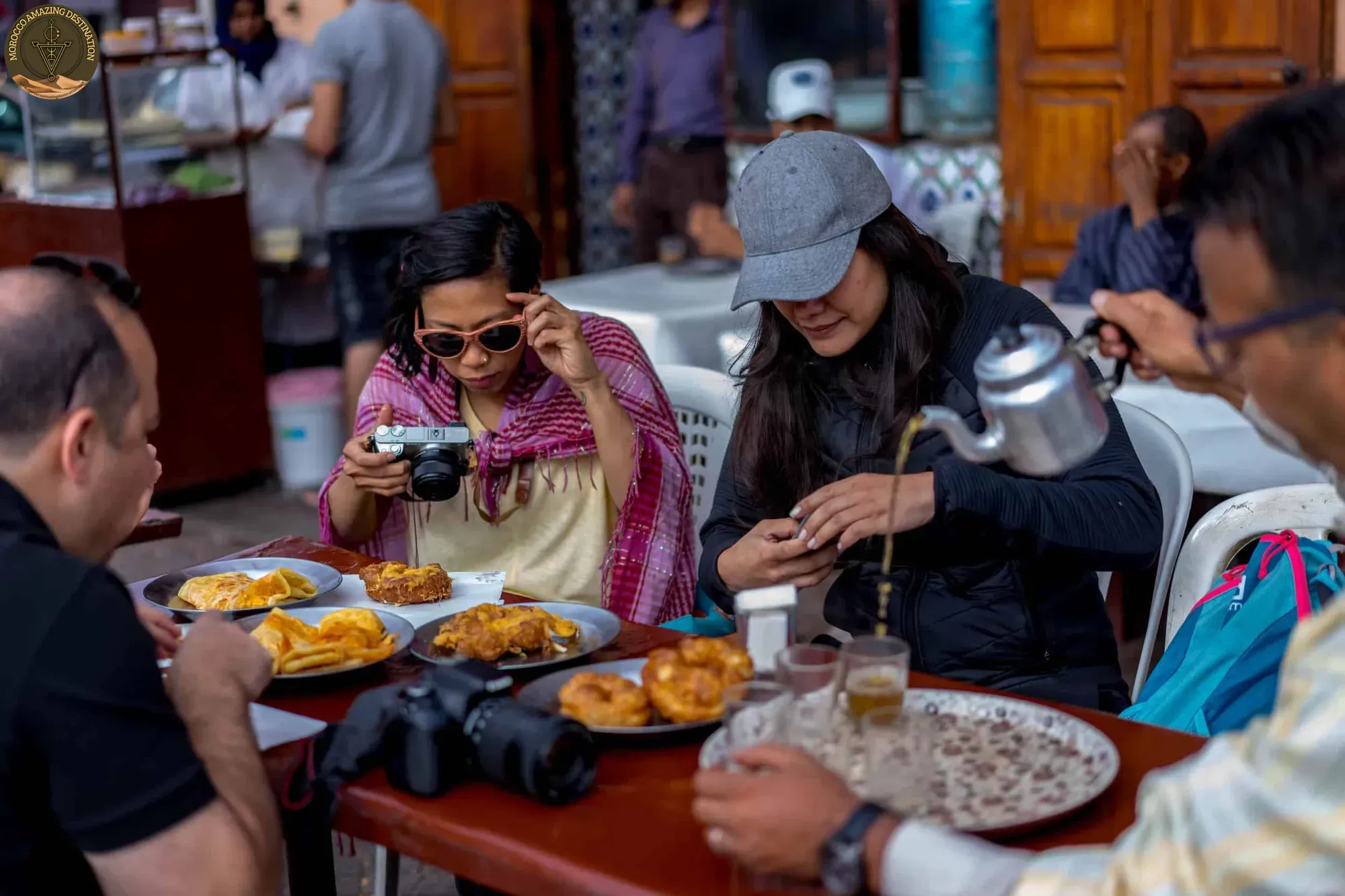
What matters is temperature and time. Food that arrived hot and stayed hot is low risk. Food dressed or plated an hour ago and left at room temperature is where travellers get caught out.
This is also why Moroccan street food hygiene has less to do with the neighbourhood than the individual stall. A busy stand with visible flames and constant turnover usually beats a quiet restaurant with a buffet tray sitting out.
What Locals Order at the Grill, Soup Pot and Sfenj Stand
If you want to eat like a local and eat safely, follow the queue. Turnover is the best signal of freshness, and Moroccans vote with their feet at lunchtime.
What locals queue for:
- Brochettes and kefta: lamb or beef skewers lifted sizzling off the grill and served with bread.
- Harira: a hot tomato, lentil and chickpea soup ladled straight from the pot.
- Bissara: a creamy fava-bean purée with olive oil, eaten hot at breakfast.
- Tanjia: meat slow-braised for hours in a sealed clay pot, cooked all the way through.
- Sfenj and msemen: doughnuts and flatbreads fried to order; the advice to avoid them is overstated.
Freshly fried sfenj shows how overstated some warnings are. Hot oil and a tray that empties quickly make it a lower-risk street bite. For the country’s signature dishes, see our guide to What to Eat in Morocco.
Snails, Open-Air Sweets and Fried Dough: What’s Really Risky
Babbouche, the peppery snail broth sold from steaming pots in Marrakech and Fes, divides travellers. The snails are hard-boiled and traditionally purged before cooking, so the snail itself is rarely the problem. A pot that has been standing all day is.
Open-air sweets and unpackaged cookies follow one rule. If they have sat exposed to dust, flies and hands, or are pre-portioned on an unrefrigerated tray, skip them. Fried-to-order sweets are fine; for anything sitting exposed, buy from a busy bakery instead.
Street Drinks and Ice: Juices, Smoothies and Mint Tea
Moroccan street drinks deserve more attention than most food warnings get. The safest orders are simple: sealed bottled water, hot mint tea, or a juice squeezed in front of you.
Orange juice is pressed by the glass at stands across every medina. Avocado smoothie (za3 za3) and sugar-cane juice are made to order while you watch. When you see it made, you can trust it.
Ice is the one genuine trap. Cubes may be made from water you would not drink yourself. If you cannot confirm the source, ask for no ice. Tap water is the same story — see our guide to is tap water safe in Morocco.
Your Safe Ordering Playbook (and Planning Tips)
Reading a stall takes about ten seconds. Once you know the tells, ordering street food in Morocco becomes the best part of the trip.
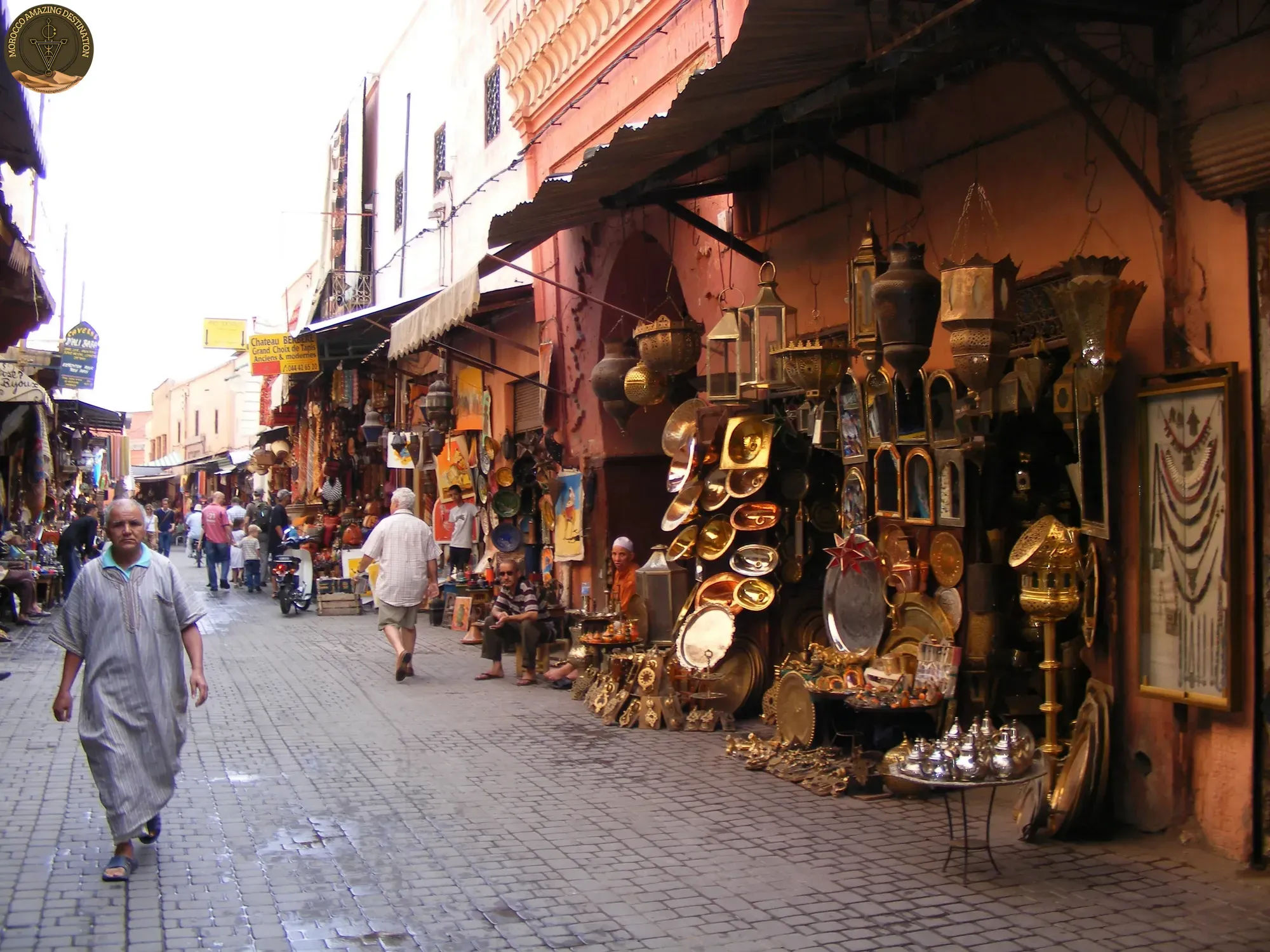
How to spot a clean stall:
- Follow the crowd: a long local queue means fast turnover and fresher stock.
- Watch for live heat: food cooked over visible coals, flames or a bubbling pot.
- Check the handling: tongs, gloves and a dry, clean prep surface.
- Keep it covered: display cases shield food from dust and flies.
- Skip the grey zone: open salad trays, unrefrigerated sides and open condiment jars.
A few kitchen rules complete the picture. Choose buffets that are hot, covered and busy. Eat fruit you have peeled yourself, and ask for sealed sachets over open sauce bottles. Order dressed-to-order salads.
With a private local guide and driver, none of this is guesswork. Our team knows the busy, clean, high-turnover stalls in Marrakech and Fes. We can also explain ingredients, spice levels and allergies to the kitchen in your language.
The Jemaa el-Fna food stalls are part of the itinerary on our 10 Days in Morocco: The Ultimate Private Tour from Marrakech to the Sahara. If you prefer an imperial-city route, our 12 Days Tour from Casablanca | Grand Desert & Imperial Cities covers both street-food heartlands. We can customize a tour to match your needs — design your perfect itinerary.
If you found this helpful, add us as your preferred source on Google.
Frequently Asked Questions
Is Moroccan street food safe for tourists?
Yes, in most cases. Food cooked to order and served hot from a busy stall is low risk. Treat pre-plated, room-temperature, raw or hand-assembled foods with care, along with ice from an unknown source.
What should I not eat or drink in Morocco?
Be cautious with open salad trays, unrefrigerated sides left out for hours, pre-portioned sweets exposed to dust and flies, and drinks with ice made from unclear water. Steaming grills, hot soups and freshly fried bread are safe choices.
Are Moroccan snails (babbouche) safe to eat?
Usually yes. The snails are hard-boiled in a spiced broth and traditionally purged before cooking. The real caveat is turnover — choose a busy pot that is steaming and selling fast, and drink the broth while it is hot.
Is the ice in Moroccan drinks safe?
Ice is the main drink risk because it may be made from water you would not drink. Ask for no ice when the source is unclear. Sealed bottled water, hot mint tea and juice squeezed in front of you are the safer orders.
Ready for an Adventure?
Have questions? Feel free to contact us using the form below. We're here to help!