
· Travel · 5 min read
Marrakech Carpet Museum: A Visit Guide to Dar Si Said
The Marrakech carpet museum in Dar Si Said: what the national weaving collection holds, how to check access, and a medina loop around it.
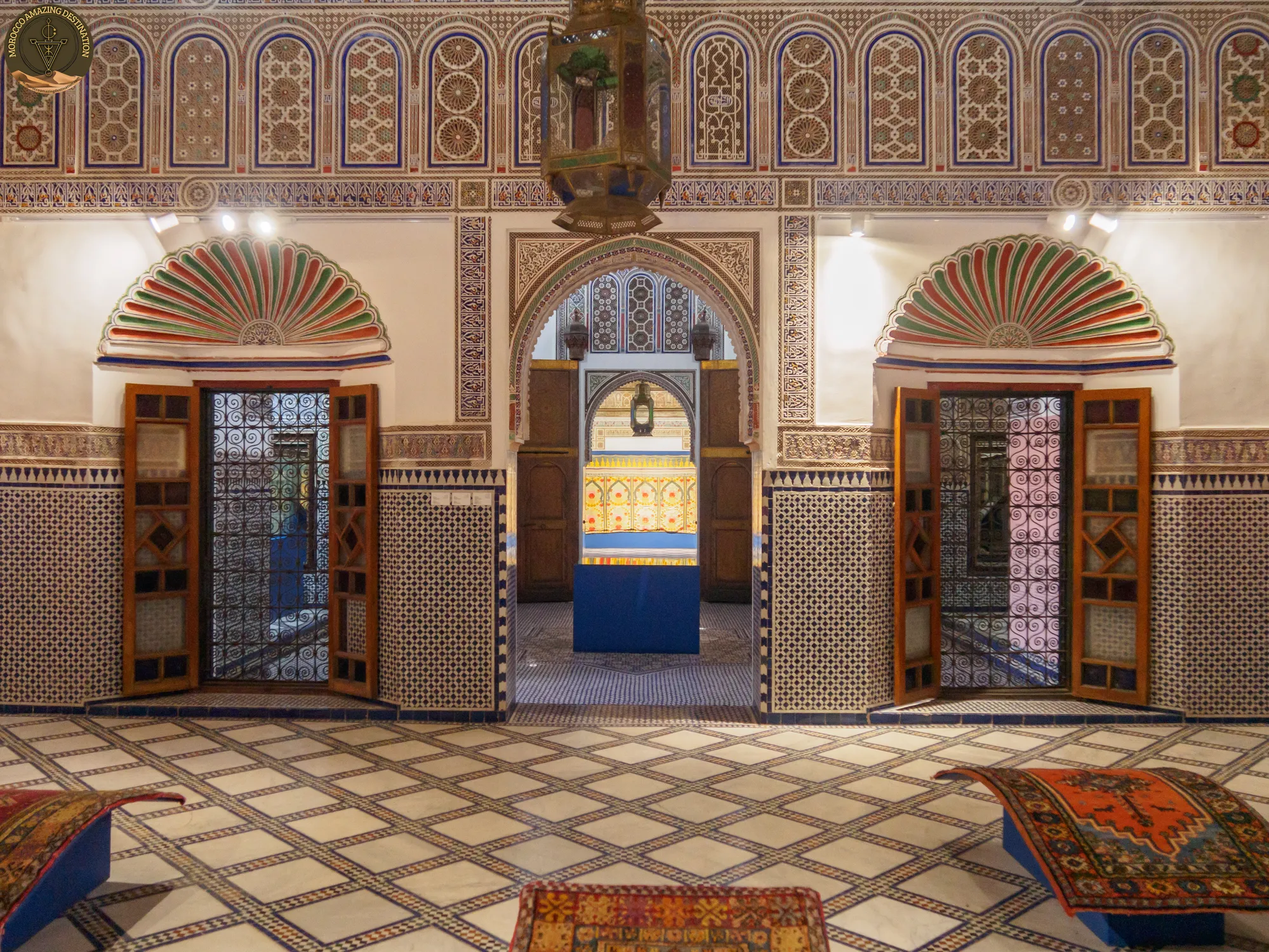
Bahia Palace pulls the crowds in the southern medina, and plenty of visitors walk straight past the palace a few minutes away. The marrakech carpet museum is officially the National Museum of Weaving and Carpets. Its rooms sit inside Dar Si Said, a vizier’s house from the second half of the nineteenth century. One entry covers a national textile collection and one of the medina’s better-kept interiors.
In plain terms, it is the national weaving and carpet collection of Morocco, shown in a palace rather than a purpose-built gallery. In this guide, we will break down what the rooms hold, the building around them, how the weaving regions are arranged, and how to confirm access before you travel.
What the Marrakech Carpet Museum Actually Is
Search for a carpet museum in Marrakech and you will meet several names for one place. Listings call it the national museum of carpets marrakech, the National Museum of Weaving and Carpets, or the Musée National du Tissage et du Tapis. There is no second carpet museum elsewhere in the city.
The collection runs on two tracks. One is weaving as a craft: velvet, silk, brocade and leather worked into caftans, jellabas, handira wedding blankets and the akhnif cloak worn in the south. The other treats the carpet as a record of who made it, where, and what it marked.
Because the pieces belong to a national collection, the labels name regions and weaving groups. An hour here gives you the vocabulary to read what the souk is selling.
The Palace Under the Carpets: Dar Si Said’s Own Craft
Dar Si Said Marrakech went up for Si Said ben Moussa, war minister under Sultan Moulay Abdelaziz. Si Said was the brother of the grand vizier Ba Ahmed, who built Bahia Palace nearby. The two houses stand a five-minute walk apart, and the smaller one is the quieter visit.
Inside, the building competes with the displays. Look up as often as you look ahead:
- Zellij: cut tile panels in geometric patterns cover the lower walls.
- Cedar ceilings: carved and painted, some still holding their colour.
- Stucco: carved plaster with kufic inscriptions runs along the upper walls.
- Reception hall: a first-floor salon under a painted cupola.
- Riad garden: a courtyard with a painted-wood pavilion.
The upper salons sit at the top of a staircase, so climb while you still have energy for them. The courtyard is the calmest part of the visit, and the easiest place to sit for ten minutes.
How Morocco’s Weaving Regions Show Up, Room by Room
The displays are arranged by geography, so you can read moroccan carpets as a map. Urban workshops in Rabat, Mediouna and Casablanca favour a banded border around a central octagonal medallion. Rural weaving breaks that rule, and the pattern usually tells you where a piece was made.
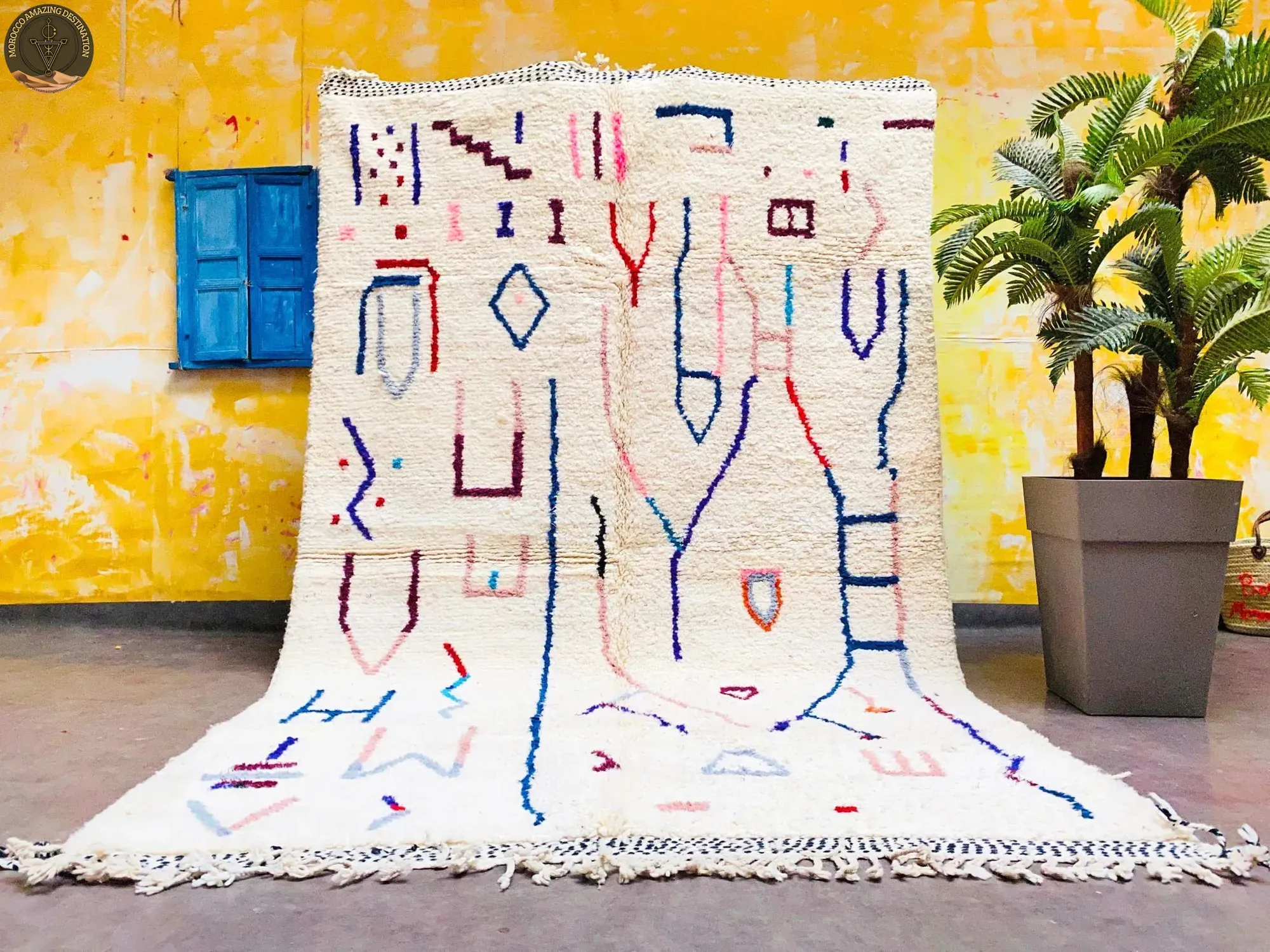
Four families are worth knowing before you walk in:
- Tensift red: brick-red wool from the Marrakech plain, with Rhamna, Ahmar, Chiadma and Oulad Bousbaa work.
- High Atlas: Ait Ouaouzguite weaving from the mountains south of the city.
- Middle Atlas: Zemmour, Zayane, Beni Ouarain, Beni Mguild, Beni Sadden and Marmoucha pieces.
- Anti-Atlas and east: a further set of regional styles, including Tafilalet.
The wall text ties the pieces back to the loom: what a family could weave at home, what a workshop made for a market. By the end, the flat weave hanging outside a souk shop carries a place name.
Check Before You Go: Status, Tickets and Timing
The museum was damaged in the Al Haouz earthquake and has been closed for restoration since. Its reopening is not confirmed, and some listings still show normal opening hours. Confirm current access with your hotel or a local guide before you build a morning around it.
When the doors are open, a visit looks like this:
- Hours: around 10:00 to 18:00, closed one day a week.
- Tickets: roughly 30 MAD for adults and 10 MAD for children, approximate.
- Residents: reduced or free entry on Fridays.
- Time: 45 minutes to an hour at an easy pace.
- Photography: generally allowed, though rules can change.
If the palace stays shut, Riad Zitoun Jdid still deserves the walk. Bahia Palace is five minutes away, the souk des tapis is a short step north, and the medina’s craft workshops keep their own hours.
A Half-Day Medina Loop That Fits Around It
Start at Jemaa el-Fnaa while the square is still quiet and walk south into Riad Zitoun Jdid, about ten minutes at an easy pace. Dar Si Said sits off Rue Riad Zitoun el-Jdid, down Derb Si Said.
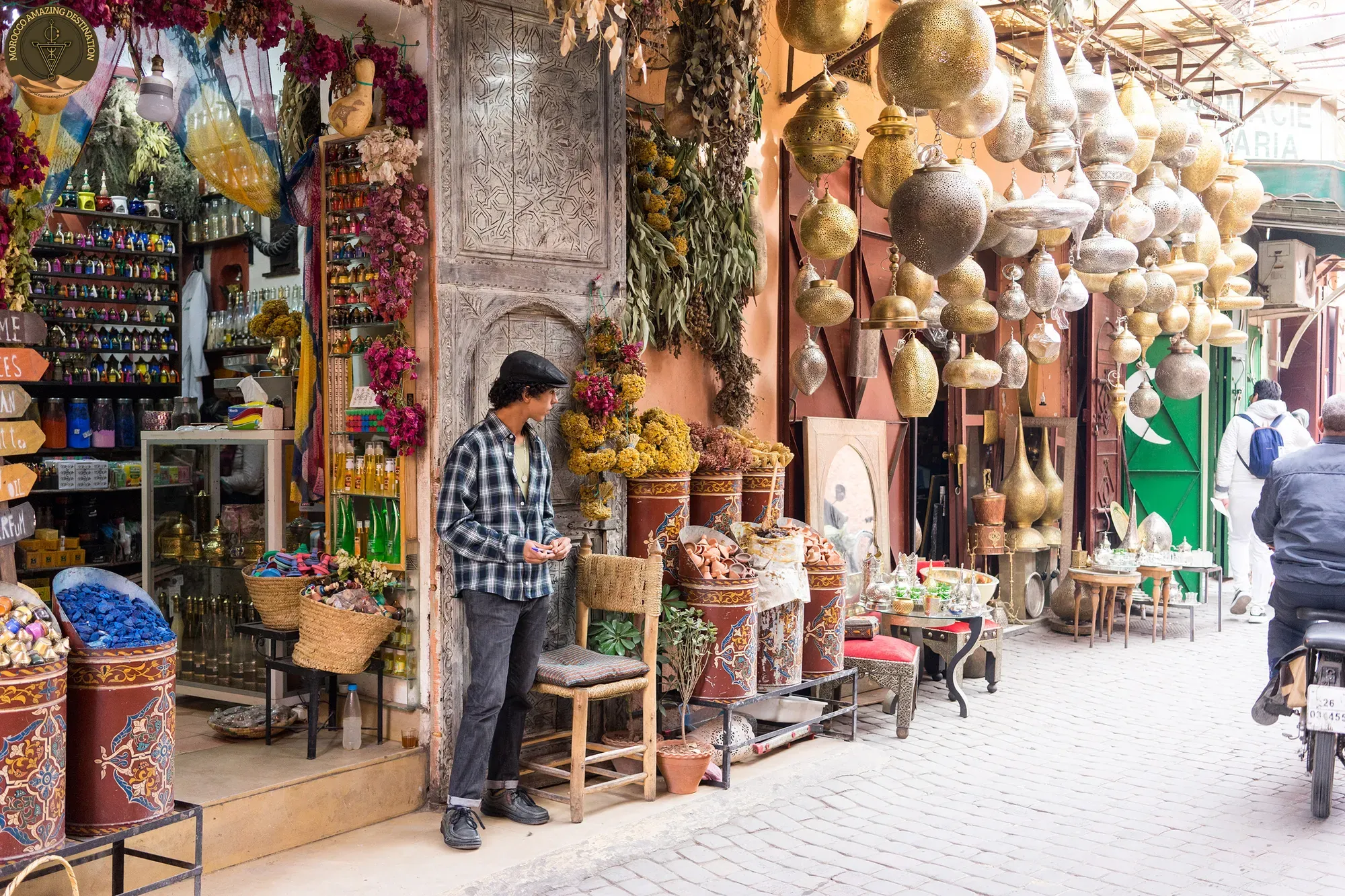
Give the museum 45 to 60 minutes, then make the five-minute walk to Bahia Palace and give that an hour. From Bahia, the Mellah is a short walk east, and the souk des tapis sits back towards the square.
This loop works better with a private guide, mainly because the turnings around Derb Si Said are easy to miss and the palace labels reward explanation. Half a day covers it without hurrying.
The museum also works as a primer for the road south. Once a border and a medallion mean something, the rugs in Ait Benhaddou and the Dades Valley stop looking alike, and the buying conversation changes. Our guide to how Moroccan rugs are made and bought covers the workshops and the pricing.
Both of our Marrakech departures leave room for a city morning. The 10 Days Morocco Tour from Marrakech starts in the medina before the road climbs to the High Atlas. The 9 Days Morocco Tour from Marrakesh comes back with time for museums and craft.
We can customize a tour to match your needs - design your perfect itinerary
If you found this helpful, add us as your preferred source on Google.
Frequently Asked Questions
Is the Marrakech carpet museum open to visitors?
That is the thing to confirm before you travel. The palace was damaged in the Al Haouz earthquake and closed for restoration, and no reopening has been announced. Some listings still show normal hours, so ask your hotel or a local guide on the day and keep the visit flexible.
Where is Dar Si Said and how far is it from Bahia Palace?
Dar Si Said sits on Derb Si Said, off Rue Riad Zitoun el-Jdid in the Riad Zitoun Jdid quarter. Bahia Palace is about a five-minute walk away and Jemaa el-Fnaa is roughly ten minutes on foot.
How much are tickets and how long does a visit take?
Expect roughly 30 MAD for adults and 10 MAD for children, with reduced or free entry for residents on Fridays. Prices are approximate, and the museum closes one day a week. Most visitors need 45 minutes to an hour.
What can you see inside in an hour?
Two collections share the building. The weaving rooms hold velvet, silk, brocade and leather, worked into caftans, jellabas, handira blankets and the akhnif cloak. The carpets are grouped by weaving region, from Rabat and Casablanca to the Tensift plain and the Atlas.
Ready for an Adventure?
Have questions? Feel free to contact us using the form below. We're here to help!