
· Travel · 5 min read
Madrasas in Morocco: Visitor Guide to 5 Historic Schools
Madrasas in Morocco explained: 5 historic schools in Fes, Marrakech, Meknes and Sale, with access tips and an easy route. Start planning.
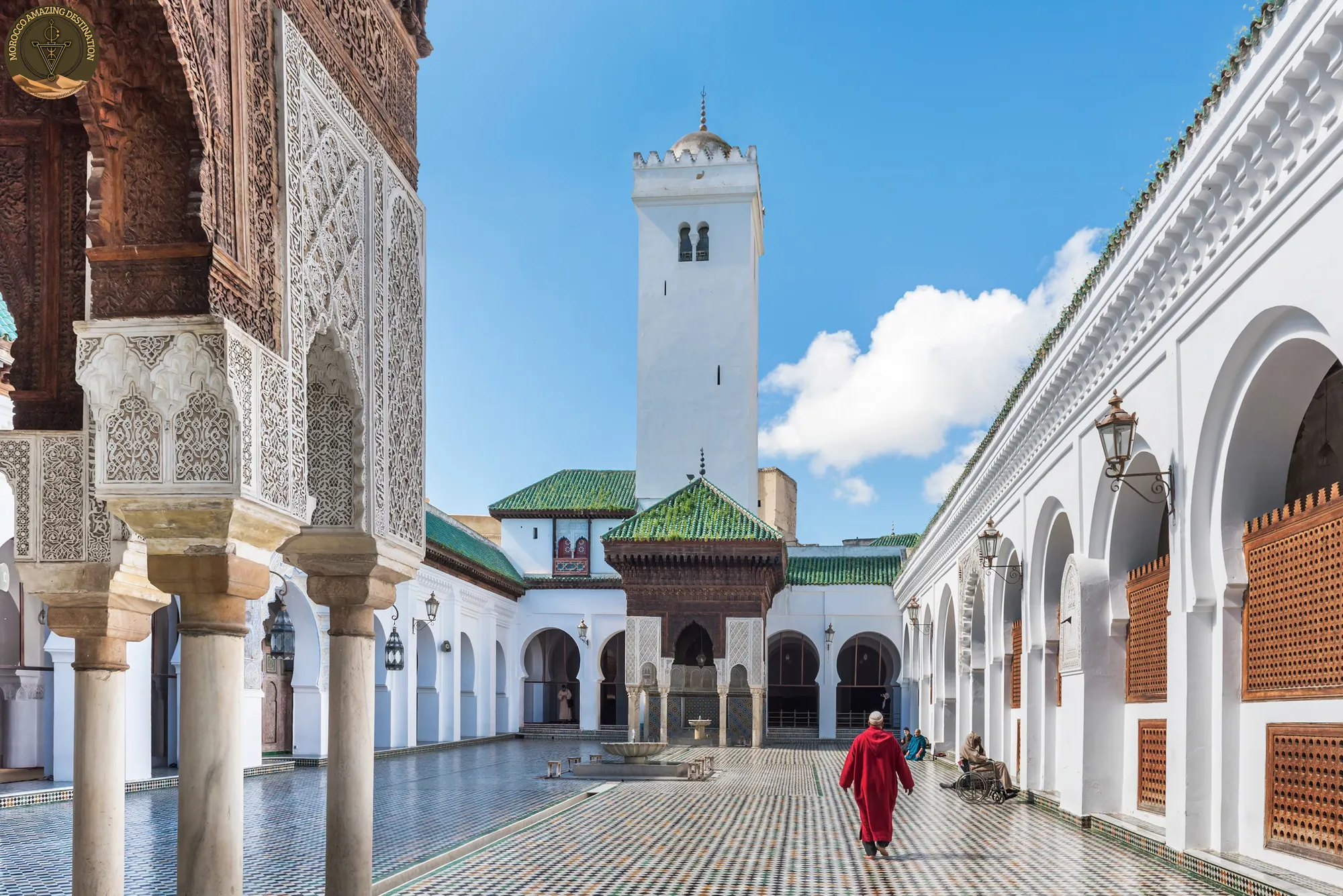
Step off a busy medina lane into sudden quiet, with tilework at your feet and carved cedar above your head. The madrasas in Morocco give you that shift better than almost any other monument, because they were built for study and daily life, not for show.
In this guide, we break down what these colleges were, what to see in each of the five, and how you can visit them with ease. Madrasas in Morocco are five historic boarding colleges with courtyards open to all visitors in Fes, Marrakech, Meknes and Sale, with short visits of 30 to 60 minutes, quiet reserved prayer halls, calm mornings, and a simple imperial cities loop with a private driver and local guide.
What a Madrasa Actually Was
A madrasa worked as a residential college for students of the quranic schools morocco tradition. Young men received a room, a small stipend, and daily lessons around one shared courtyard. The syllabus mixed Quran study with law, grammar, maths, astronomy, and poetry.
Student life centered on four things:
- Shared courtyard: Lessons and debate happened in the open galleries around a central fountain.
- Small cells: Plain upstairs rooms gave each student sleeping and study space near inner courts.
- Prayer hall: A modest hall anchored one side of the building and set the rhythm of each day.
- Craft as teaching: Tile, stucco, cedar, and bronze work showed order, patience, and care.
You still feel that mix today. The courts stay calm while the lanes outside stay loud. Stand in a gallery for a minute and the whole plan makes sense.
Fes - Two Colleges, One Medina Walk
Fes holds its two finest colleges within one walkable medina loop. Start at the bou inania madrasa on Talaa Kebira near Bab Bou Jeloud. It still serves as a Friday mosque, with a courtyard basin, a working prayer hall, a tall minaret, and the old water clock facade across the lane.
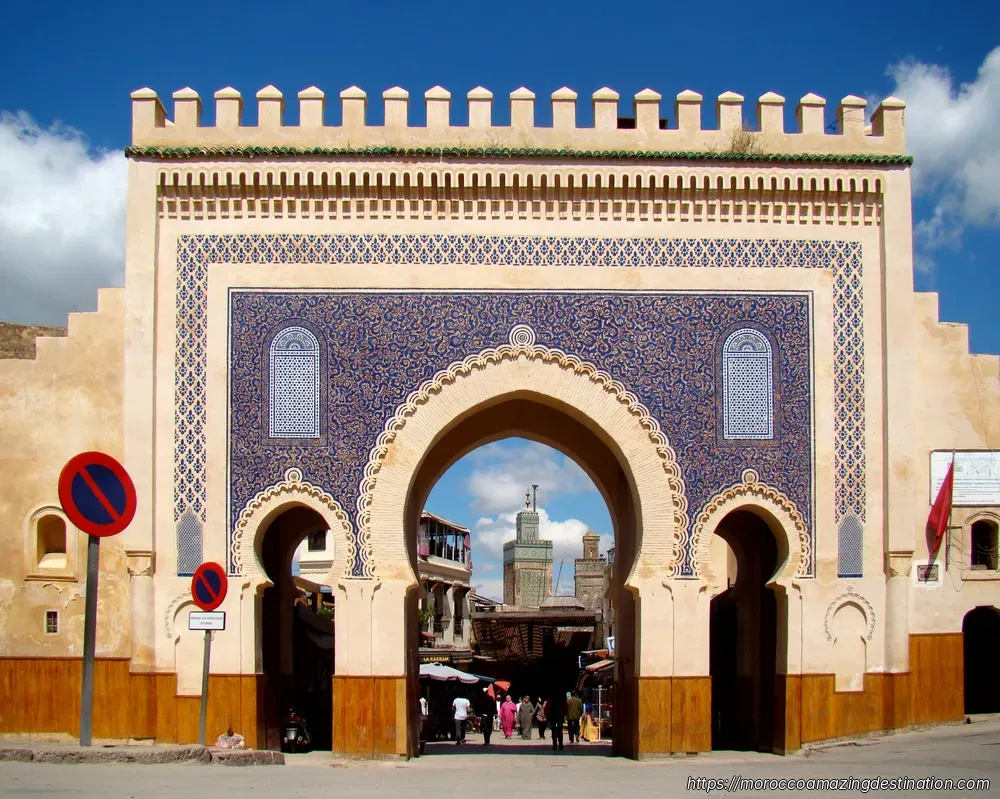
Then drift downhill toward the spice lanes and the second college near Qarawiyyin. Al-Attarine is compact, with a marble court, dense stucco, cedar carving, and bronze detail in a small space.
What to notice in Fes:
- Basin and galleries: The marble court forms a calm center with onyx columns and cedar screens.
- Clock facade: The Dar al-Magana frontage opposite the gate once tracked prayer times with wooden beams.
- Al-Attarine court: The smaller courtyard rewards slow looking at tile bands and carved doors.
Walk the pair in one morning. Talaa Kebira slopes down toward the spice lanes, so the route flows well. A local guide times prayer closures and finds the quiet corners.
Marrakech - The Great Ben Youssef Courtyard
The ben youssef madrasa trades intimacy for scale. More than a hundred plain student cells wrap around inner courts on two floors. At the center sits a large marble pool court with bands of tile, stucco, cedar, and script from the Saadian era.
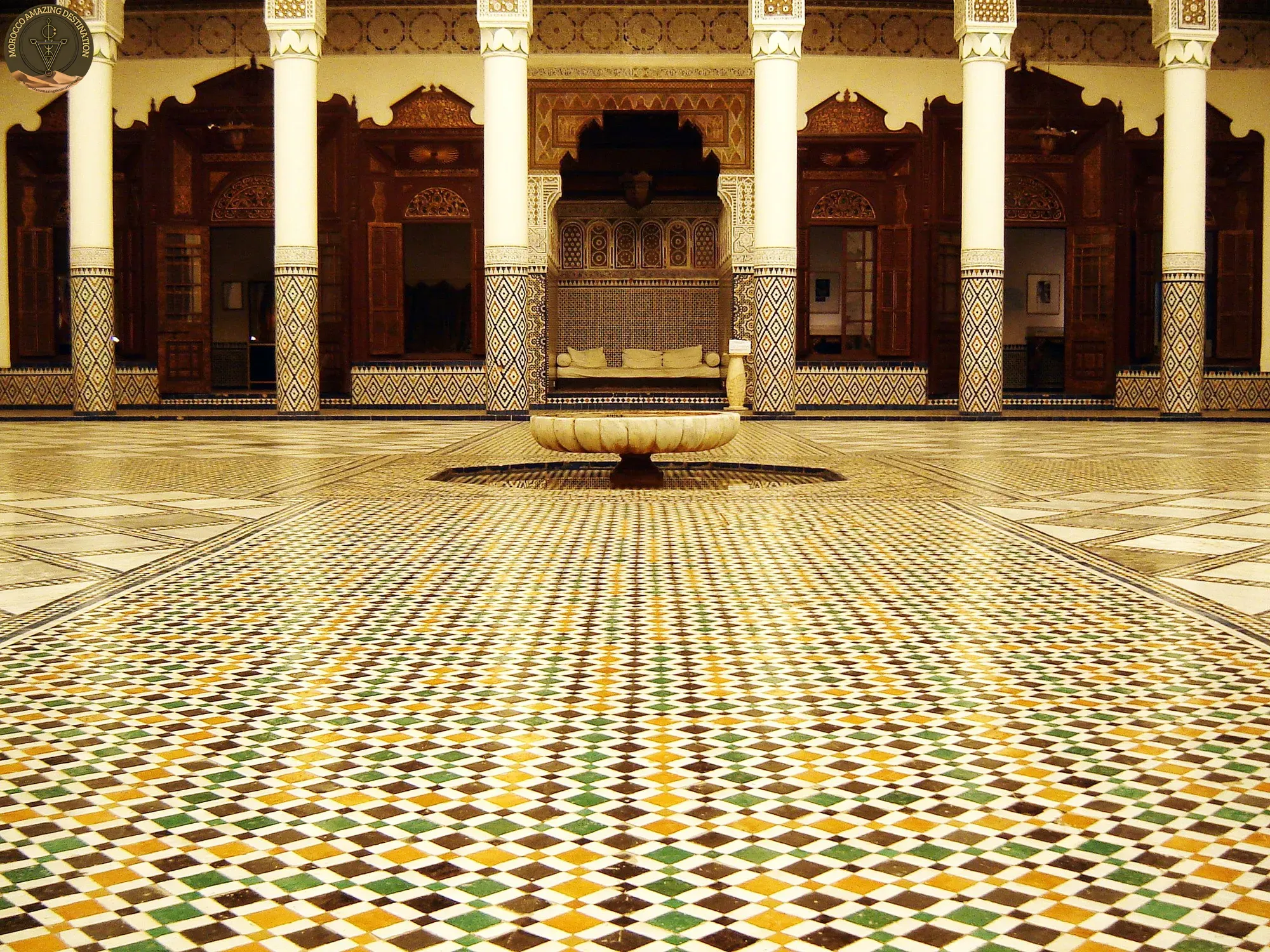
The contrast is the point. The cells are tiny, with small windows and bare walls that show how spare student life stayed. The court below is rich and ordered, with still water that doubles the carved facades and keeps the space cool.
The college anchors the northern medina near the souks and the Almoravid Koubba, so it pairs well with a full medina day. Allow about an hour here. Light moves across the carving through the day, and late afternoon brings softer tones and thinner groups. Arrive with your guide before the midday groups and you get the pool court almost to yourself.
Meknes and Sale - The Two Quiet Colleges
Two smaller colleges reward travelers who step past the main crowds. The Meknes Bou Inania offers refined Marinid detail with rooftop views over the medina roofs. The Abu al-Hassan school in Sale stands beside the Grand Mosque, with soft Atlantic light reaching its small terrace.
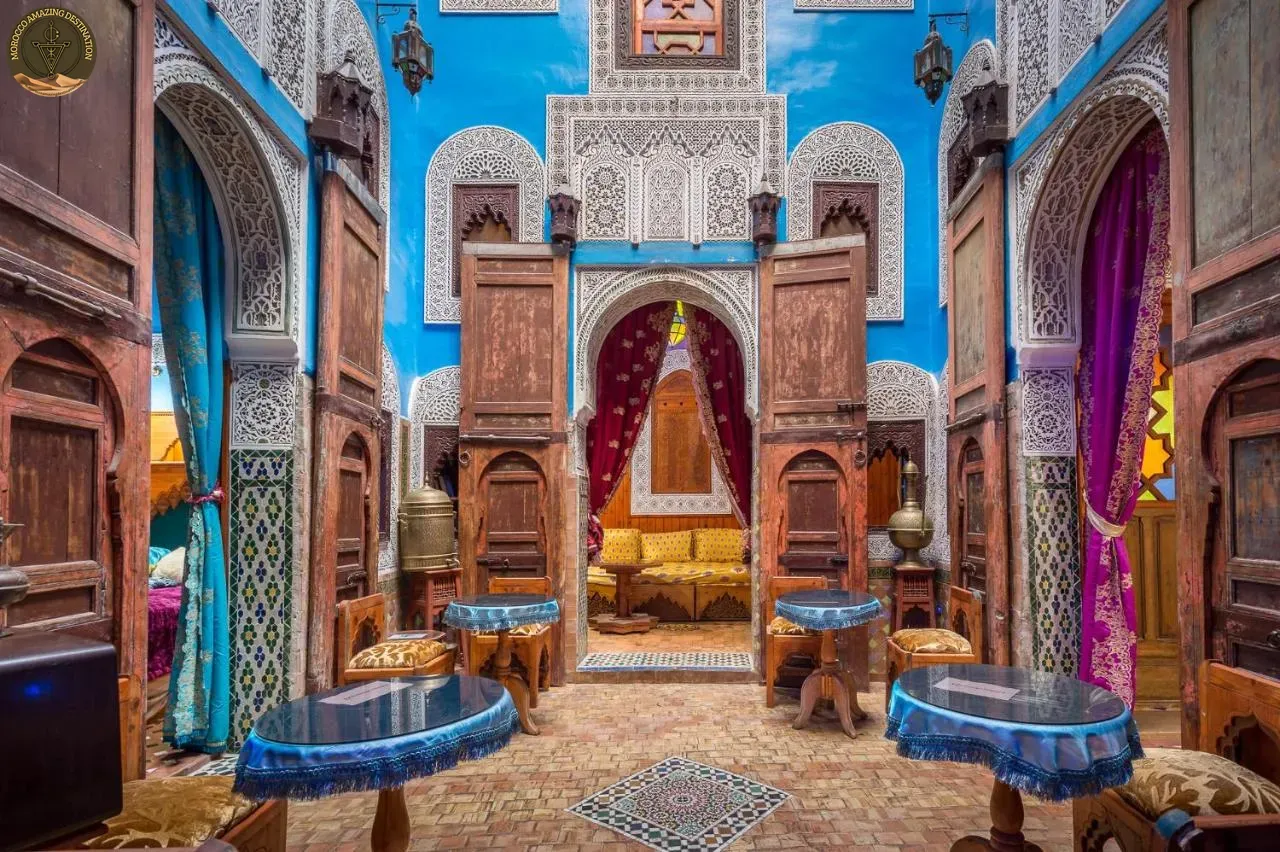
Fewer visitors reach these two, so you get longer looks at tile bands, cedar lintels, and carved plaster. The scale stays human, and the courts invite sitting rather than rushing through. A guide points out the inscriptions you would otherwise walk past.
Pairing is simple. Meknes joins well with nearby Volubilis in one day out of Fes. Sale joins well with Rabat across the river. Both stops suit slow travelers who enjoy lanes, views, and small details.
Visiting With Ease and Linking the Four Cities
All five schools welcome non-Muslim visitors in their courtyards and galleries. Prayer halls stay reserved at prayer times, and the Fes Bou Inania closes its tour circuit on Fridays for worship. Modest dress, low voices, and covered shoulders keep every stop smooth.
A simple rhythm for your visits:
- Time per stop: Small schools take about half an hour, while Ben Youssef deserves about an hour.
- Calm hours: Mornings and late afternoons bring softer light and fewer groups.
- Dress code: Cover shoulders and knees, and keep a light scarf in your daypack.
- City order: Fes pair in one morning, Ben Youssef with a medina day, Meknes with Volubilis, Sale with Rabat.
A private vehicle with a driver and a local guide in each city stitches the loop together. Our team shapes the pace around your interests, with hand-picked riads near the medinas. Hassan, Hamid, and Andrea keep timing, tickets, and access simple, so the days feel relaxed and personal.
For wider context on mosques, shrines, and sacred quarters, see our broader guide to Islamic places to visit in Morocco. It frames these five colleges within the full religious landscape of the country.
To walk them with local experts, join the 8-Day Imperial Cities Tour from Casablanca, which links Fes, Meknes, Rabat, Sale, and Marrakech with a private driver and guides. To add desert dunes to the same loop, look at the Morocco 7-Day Imperial Cities and Desert Tour.
We can customize a tour to match your needs - design your perfect itinerary
If you found this helpful, add us as your preferred source on Google.
Frequently Asked Questions
What is a madrasa in Morocco?
A madrasa was a residential boarding college where students received lodging, a small stipend, and daily lessons around a shared courtyard. The curriculum mixed Quran study with law, grammar, maths, astronomy, and poetry, taught aloud in the courtyard galleries.
Can non-Muslims visit madrasas in Morocco?
Yes. All five historic madrasas welcome non-Muslim visitors in their courtyards and galleries. Prayer halls stay reserved for worship, especially at prayer times, and the Bou Inania in Fes closes its tour circuit on Fridays for the main weekly prayer.
Which is more impressive, Ben Youssef or Bou Inania?
Ben Youssef in Marrakech impresses with scale, with more than a hundred plain student cells around a grand marble pool court. Bou Inania in Fes feels more intimate, with a working prayer hall, onyx columns, and fine cedar screens. Most travelers enjoy seeing both.
How do you combine the five madrasas in one trip?
See the two Fes colleges in one morning, Ben Youssef with a full Marrakech medina day, Meknes with nearby Volubilis, and Sale with Rabat. A private driver and local guides in each city link the four stops into a smooth imperial cities loop.
Ready for an Adventure?
Have questions? Feel free to contact us using the form below. We're here to help!