
· Travel · 4 min read
Local Activities in Traditional Souks: A Morocco Guide
Discover local activities in traditional souks: watch artisans, join cooking and henna workshops, and enjoy Moroccan souk experiences with ease.
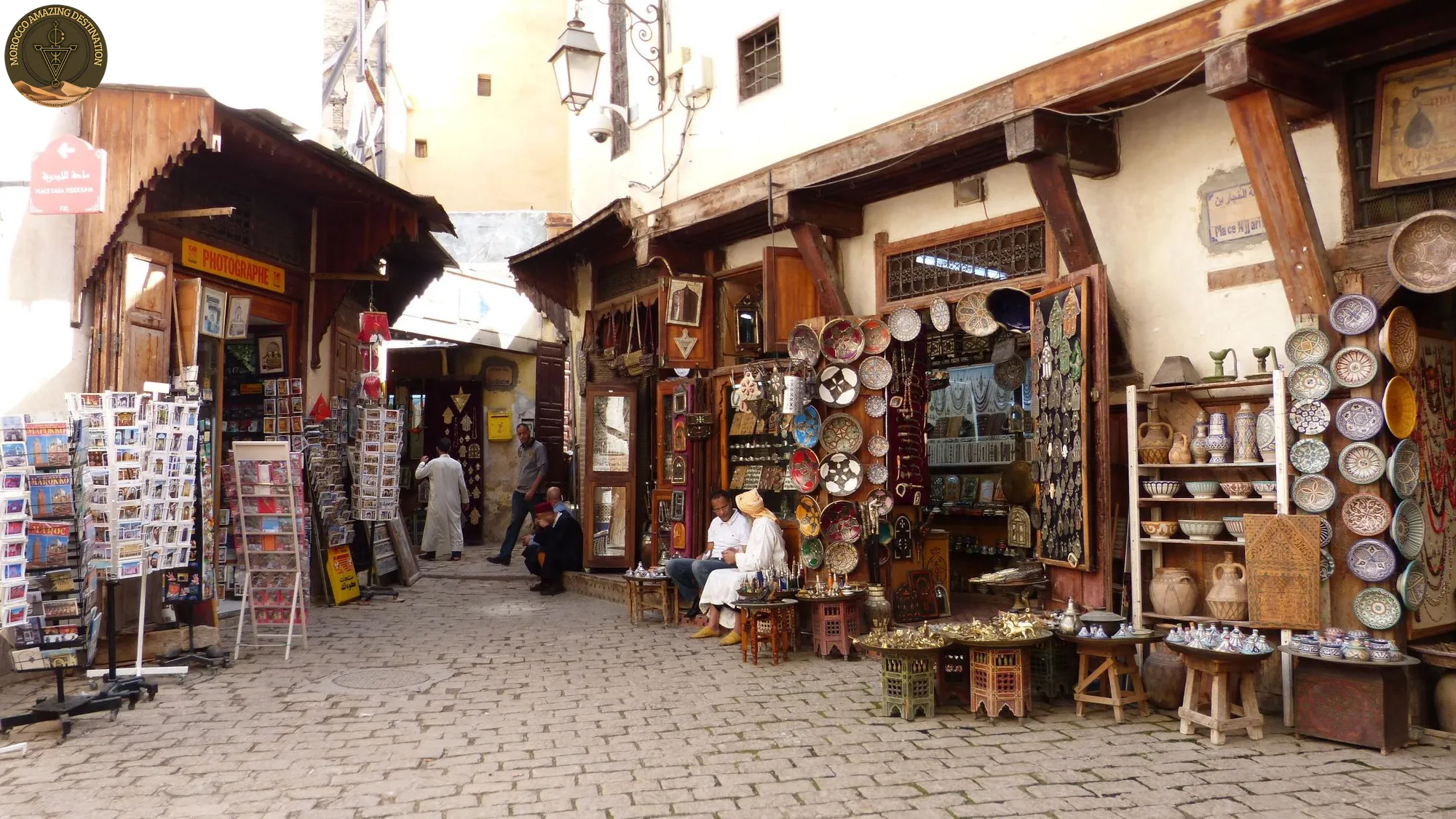
Morocco’s souks are living workshops where centuries-old crafts still happen in front of you. Look for local activities in traditional souks — from watching a leatherworker to rolling dough in a cooking class — and the medinas of Marrakech, Fes and Essaouira deliver them daily.
This guide breaks down what a traditional souk really is, the best moroccan souk experiences, and how to visit with confidence and zero pressure.
What a Traditional Souk Really Is
Souk means market, but inside Morocco’s medinas it is also a production quarter. Alleys group by trade, so metalworkers, leatherworkers, carpenters, dyers and weavers each cluster in their own lanes. A slow walk becomes a craft demonstration.
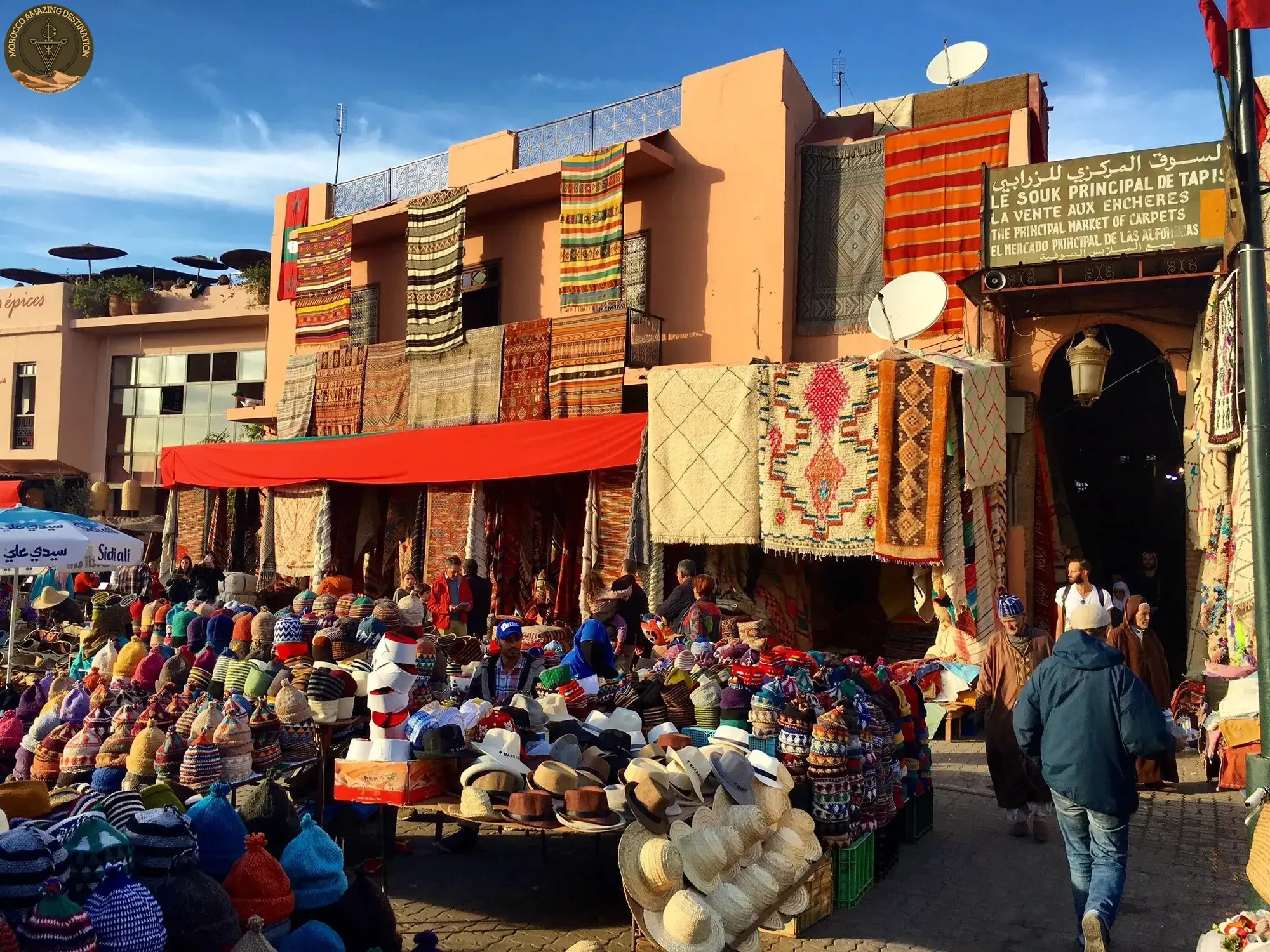
In Marrakech you often hear Souk Haddadine before you see it — the blacksmiths’ hammering is the giveaway. Behind the shopfronts sit small ateliers where goods are made, not just sold.
Several historic medinas, including Fes el-Bali, Marrakech and Essaouira, are UNESCO World Heritage sites. Artisans pause for mint tea and greet regulars, so the souk is a social space too.
Rural weekly souks, like the one near Rissani, follow a different rhythm — livestock and produce arrive on market day and vanish by evening.
What makes it different:
- Working quarters: Streets grouped by trade, from brass to babouches.
- Live production: Crafts made on-site, not shipped in from a factory.
- Daily rhythm: Tea breaks and greetings shape the working day.
- Social space: Mint tea and conversation are part of the visit.
Watch Artisans at Work: Fes Tannery & Craft Quarters
The deepest concentration of traditional craft is in Fes el-Bali. From terraces above the Chouara tannery, leather is softened and dyed in stone vats using methods unchanged for centuries. Nearby, zellij tile-cutters chip geometric pieces by eye.
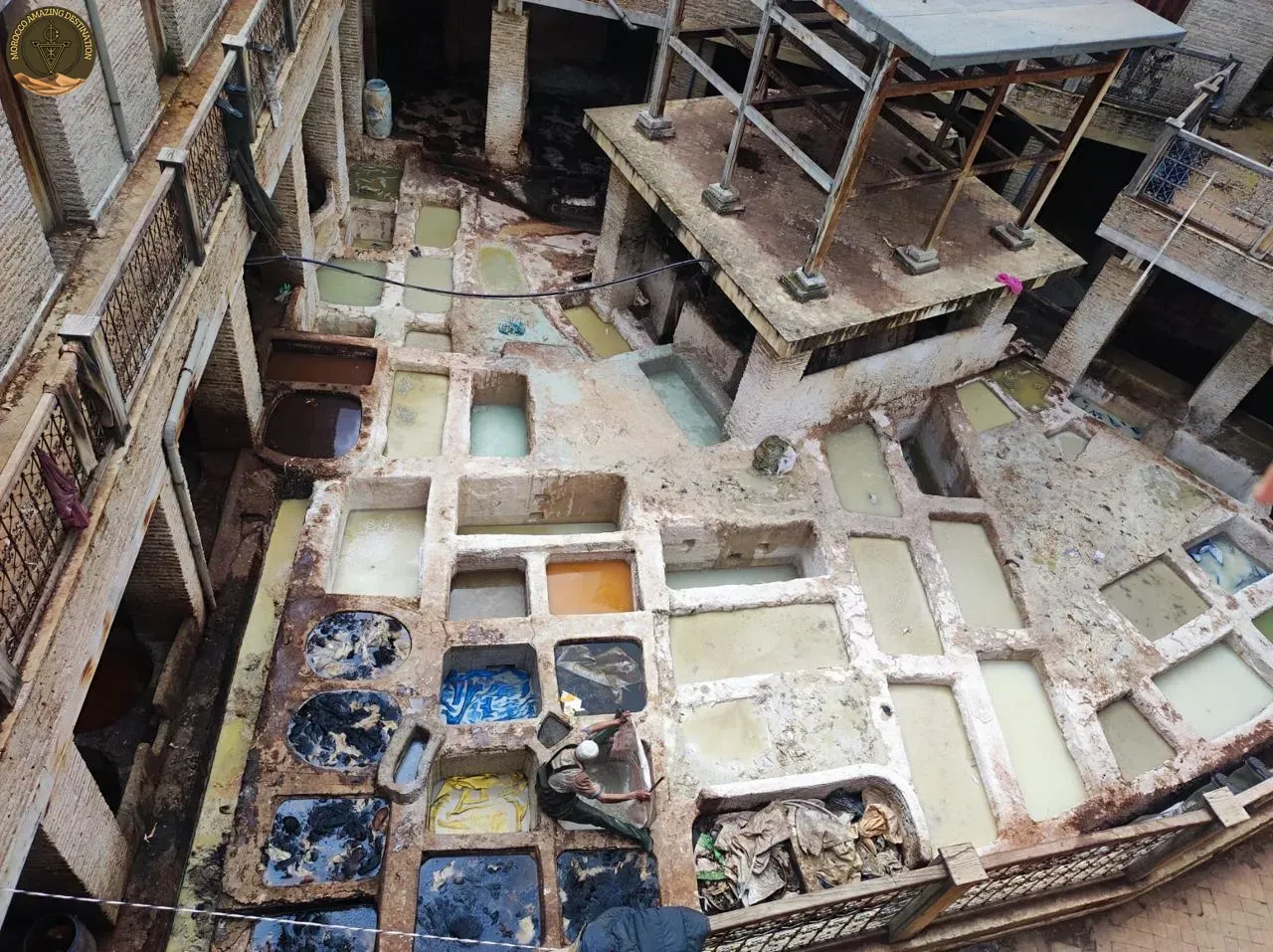
Copper engravers, babouche makers and weavers work in open ateliers along the lanes. A licensed guide is worth it here: the medina is a maze, and guides open workshop doors you would walk past.
Marrakech packs the same crafts into a compact area, and nearby argan-oil cooperatives offer demonstrations. Essaouira’s Mellah quarter shows thuya wood carving and inlay, while Chefchaouen and Tangier offer smaller, lower-pressure workshops.
Crafts to look for:
- Leather: Tanning and dyeing at the Chouara tannery in Fes.
- Zellij: Hand-cut mosaic tile assembled into geometric panels.
- Copper: Engraved trays, lanterns and teapots hammered by hand.
- Thuya wood: Carved and inlaid boxes in Essaouira.
Hands-On Souk Activities: Cooking, Pottery & Henna
Watching is wonderful, but joining in is better. Artisan workshops in Morocco welcome beginners, and many run in small groups with patient local teachers. You leave with a skill, not just a souvenir.
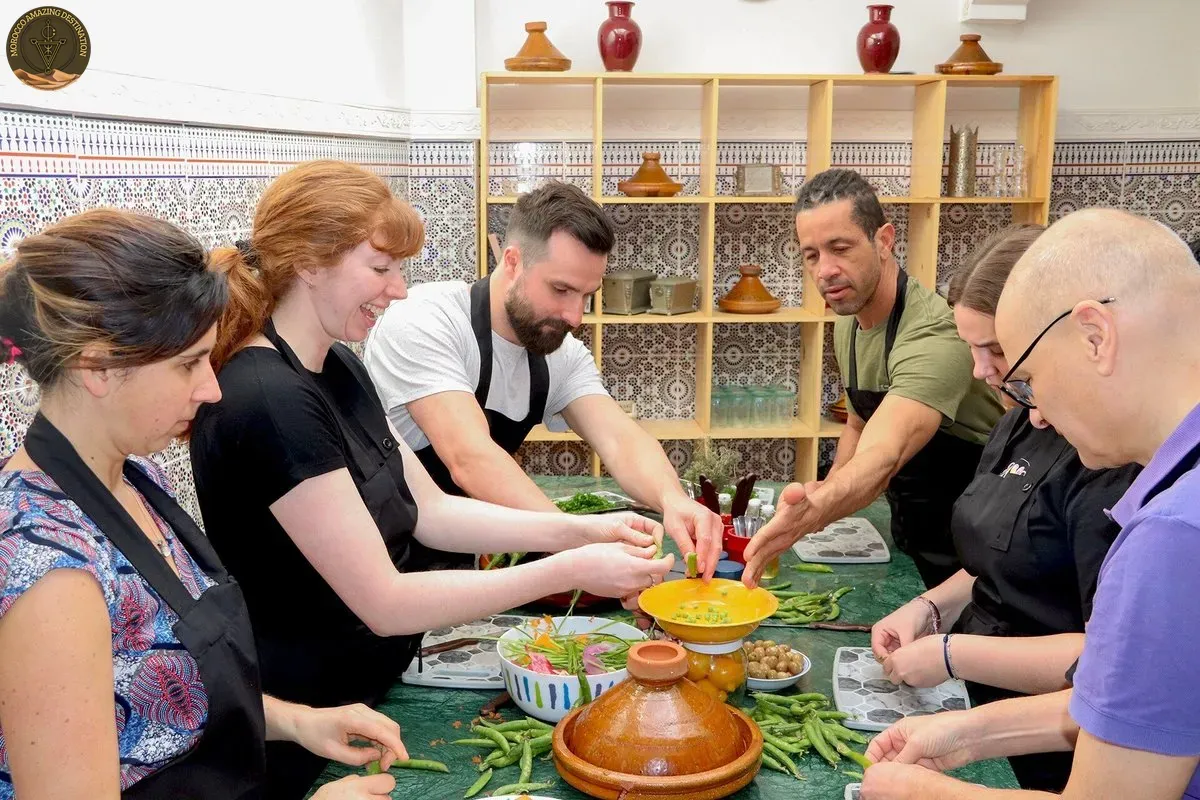
Cooking classes start in the market, choosing vegetables and spices, then move to a kitchen for a tagine. Pottery and zellij workshops let you paint your own piece, while henna, mint-tea tastings and gnawa evenings round out the list.
Most activities are beginner-friendly and best booked ahead in high season, and many teachers share family recipes along the way.
Hands-on experiences:
- Cooking class: Market shopping, then a tagine, salad and tea.
- Pottery & zellij: Paint and glaze your own tile or bowl.
- Henna: A traditional design painted on your hand.
- Mint tea & spices: Taste and blend at a spice stall.
- Gnawa music: Learn a rhythm on a drum in a small group.
Where to Find the Best Souk Experiences
Each city offers a different flavour of things to do in moroccan souks. Marrakech is the easiest first taste, Fes el-Bali goes deepest into craft, and Essaouira is calm and known for woodwork.
Chefchaouen’s small workshops feel low-pressure, while Tangier’s Grand Socco is a gentle introduction with herb shops and cafés. For a companion map of Marrakech’s lanes, see our guide to the best souks in Marrakech.
Essaouira’s workshops sit close to the harbour, so you can pair a woodwork demonstration with a seafood lunch.
Plan Your Souk Visit: Etiquette & Best Time
A little etiquette keeps the experience warm. Ask before photographing people or workshops, dress modestly, greet with “salam” and accept mint tea when offered. Give artisans space to work.
Most shops open from mid-morning until early evening, and many pause around Friday midday prayer. Weekday mornings are calmest for watching crafts.
A private guide navigates the maze, explains each craft and handles any negotiation, so you can focus on the experience. Choosing cooperatives where artisans are fairly paid supports local families. During Ramadan, hours shift, so ask your riad or guide to confirm the day’s rhythm.
Our 7-day Morocco tour from Fes includes the Fes medina, tanneries and craft quarters, while the 9-day Morocco tour from Marrakesh pairs Marrakech’s souks with Essaouira’s artisan workshops.
We can customize a tour to match your needs — design your perfect itinerary
If you found this helpful, add us as your preferred source on Google.
Frequently Asked Questions
What can you do in a traditional Moroccan souk besides shopping?
You can watch artisans, join cooking, pottery or henna workshops, taste mint tea and spices, and hear gnawa music.
Can tourists join artisan workshops in Morocco?
Yes, cooking, pottery, thuya carving and henna workshops welcome beginners in Marrakech, Fes and Essaouira.
What is the best time to visit a Moroccan souk?
Weekday mornings are calmest for watching crafts, while late afternoon and early evening are most atmospheric.
Do you need a guide to visit the souks?
Not for a short wander, but a licensed guide helps in a maze like Fes el-Bali and handles any negotiation.
Ready for an Adventure?
Have questions? Feel free to contact us using the form below. We're here to help!