
· Shopping · 5 min read
Best Souks in Marrakech: Ranked Shopping Guide & Map
Discover the best souks in Marrakech ranked by popularity, with a shopping guide, what to buy and a souk map to explore with ease.
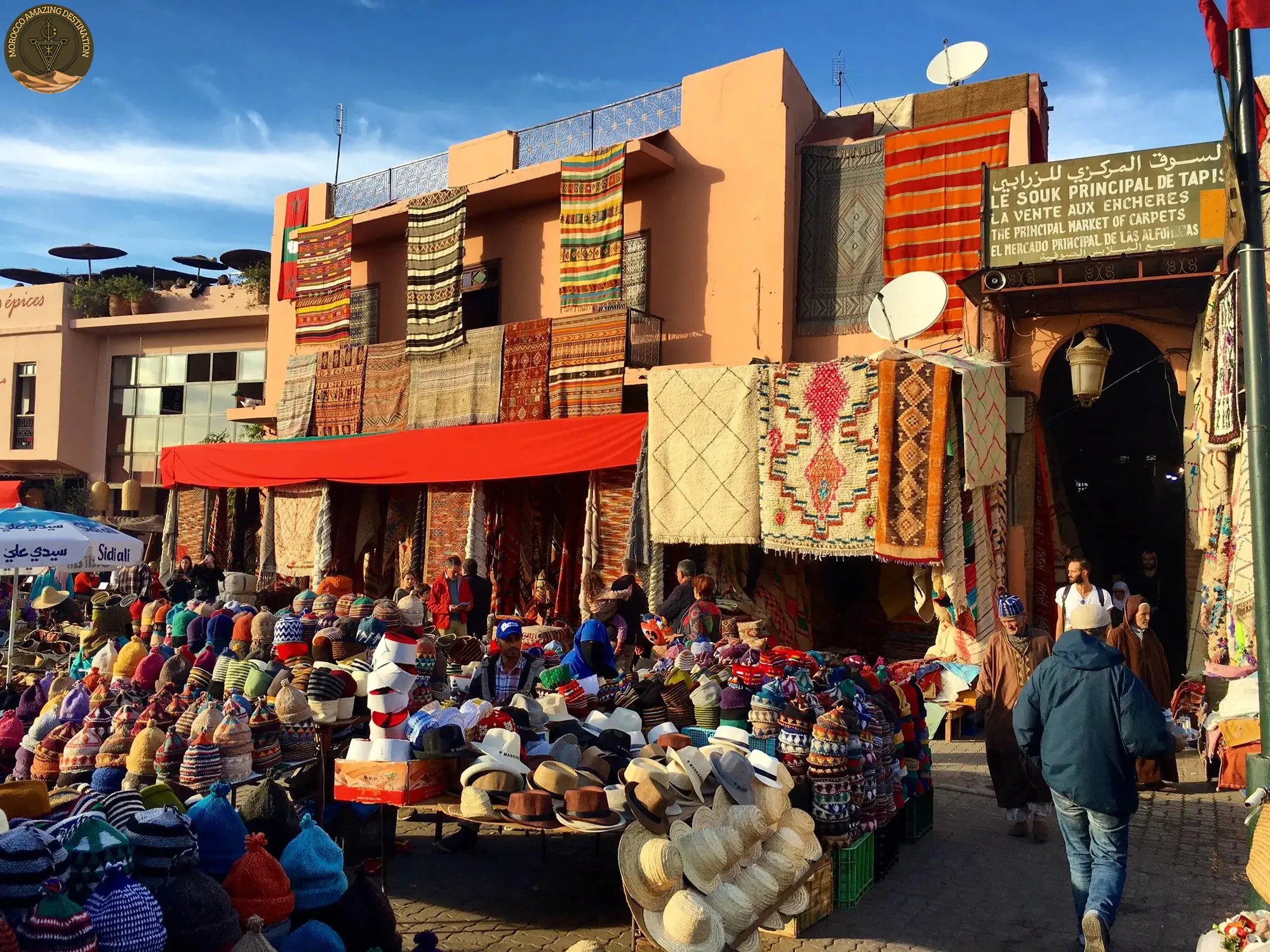
The lanes north of Jemaa el-Fna feel like a living craft fair, colored wool overhead and hammered brass echoing ahead. If you want the best souks in Marrakech without getting lost, start with a ranked plan, not a random wander. The medina is compact once you read it by trade.
In this guide, we will break down every major souk ranked by popularity, what each does best and how you can visit them with a simple map and calm route.
The Main Artery: Souk Semmarine to Souk El Attarine (Top 4)
These four see the most footfall. They sit closest to Jemaa el-Fna along the central spine and funnel almost every visitor. Think of them as your first pass. This is also where a concise marrakech souks shopping guide helps you shop smart and keep perspective on prices.
You enter via the main covered lane and branch naturally. The lighting is soft through reed roofs, scents shift from leather to spice, and stalls overlap. Go mid-morning when artisans are active and lanes are calmer.
Top 4 by popularity — what to expect:
- Souk Semmarine (Semlalia): Widest artery, densest mix of textiles, scarves, babouches and lanterns. Unavoidable and liveliest.
- Souk El Kebir: Direct continuation for leather. Babouches, bags, belts and poufs in deep, even colors.
- Souk Smata: Narrow babouche specialist next to El Kebir. Focused on slippers and belts, often feels like one leather quarter.
- Souk El Attarine: Former spice spine now famous for spice pyramids, brass lanterns and perfumes. The aroma alone pulls you in.
Hammer, Spice and Colour: Souk Haddadine, Rahba Kedima and Sebbagh
Step a few minutes deeper and the trades become audible and photogenic. These mid-tier quarters draw craft lovers who want to watch making, not just shopping. Crowds thin a little, so you can linger without pressure.
If you wonder what to buy in marrakech souks at this stage, look for weight and finish rather than shine. Solid brass feels heavy, leather smells natural, and spice blends look matte and even, not neon.
Craftsmen highlights:
- Souk Haddadine (Blacksmiths): Rhythmic hammering, pierced lanterns, copper trays and ironwork. Great for photos and comparing pierce patterns.
- Rahba Kedima (Spice Square): Open triangular plaza, once a historic market, now spice and curiosity stalls with easy rooftop cafes for orientation.
- Souk Sebbagh (Sabbaghine Dyers): Skeins of wool drying overhead, vats dyed by hand. Most colorful lane for textiles and scarves made on site.
For Treasure Hunters: Zrabi, Cherratine and the Chouari Cluster
Farther north, the souks turn specialist. Visitor numbers drop, intent rises. This is where serious collectors and returning travelers spend time, and where patience pays.
Bargaining stays friendly. Ask to see the reverse of a rug for knot tightness, check stitching on bags, and compare two similar pieces before deciding. Polite curiosity opens workshop doors.
Specialist lanes — still ranked by popularity:
- Souk Zrabi (Criee Berbere): Carpet and kilim quarter with a historic late-afternoon auction. Women-run stalls offer Berber and Arab rugs, best for curated buying.
- Souk Cherratine: Leather atelier lane for bags, satchels, wallets and belts stitched in small workshops. Named for its leatherworkers.
- Souk Chouari + Souk Kchacha + Mouassine corridor: Chouari brings cedar wood and wool, Kchacha offers dates, nuts and dried fruits, and Mouassine provides a calmer western parallel with cafes and access to Ben Youssef and Dar El Bacha.
Outside the Medina and Reading Your Marrakech Souk Map
Not every great address sits inside the walls. The marrakech souk map in your head should be a simple triangle: Jemaa el-Fna at the south tip, Semmarine as the central spine, and Ben Youssef at the north tip. About 18 souks and 19km of covered lanes fill that triangle inside the UNESCO World Heritage site of Marrakech.
For fixed-price calm, add one outlier. Souk Sidi Ghanem, ranked here as an alternative, lies in an industrial zone west of the medina. You need a short drive. No haggling, just contemporary boutiques, ateliers and galleries. It is not a historic medina souk, but it is perfect if you feel haggle-fatigue or travel with limited time.
For navigation, use the calm parallel and an offline map. Signal fades under the roofs, so landmarks beat GPS.
Seamless navigation tips:
- Follow Mouassine west: Loop south to Jemaa el-Fna and avoid backtracking through the densest spine.
- Use minaret and fountain cues: Koutoubia minaret and the Mouassine fountain make reliable anchors when lanes blur.
- Go light and listen: Watch for mule carts when you hear “Balak,” and keep bags close in tight stretches.
- Calibrate first: Check Ensemble Artisanal on Avenue Mohammed V for fixed-price reference on lanterns, leather and argan before you bargain.
Pair Your Souk Stroll With a Wider Moroccan Journey
Once you have your favorites, keep buying focused. Choose one leather piece with solid zippers, one textile with even dye, or one small brass lantern with clean pierce lines. For spices, pick cumin, ras el hanout or saffron threads from a single trusted stall, and confirm argan type, culinary roasted versus cosmetic cold-pressed. A short, hassle-free loop with a private driver and licensed guide makes the medina feel like family, not a maze.
Turn the stroll into a wider private and tailor-made story. Combine Marrakech with the High Atlas, kasbahs and Sahara dunes for real Morocco in a few days, with hand-picked riads and seamless transfers.
For a balanced desert loop after your shopping, consider the 4-Day Morocco Desert Tour from Marrakech — Ait Ben Haddou, Dades Valley & Merzouga via the High Atlas and UNESCO-listed kasbahs to Merzouga. If you are short on time, the 3-Day Trip from Marrakech to Merzouga still delivers Todra Gorge and a camel trek with a night in a luxury desert camp.
We can customize a tour to match your needs — design your perfect itinerary
If you found this helpful, add us as your preferred source on Google.
Frequently Asked Questions
Which souk is the most popular in Marrakech?
Souk Semmarine, often called Souk Semlalia, is the most visited. It is the main covered artery north of Jemaa el-Fna and every first-time visitor passes through it for textiles, babouches, lanterns and scarves.
How many souks are there in Marrakech?
The medina holds about 18 historic souks stretching over covered lanes, with around 40,000 artisans. Most visitors focus on 10 to 11 named quarters, from Semmarine and El Kebir to the dyers and carpet souks.
Which souk is best for leather, rugs or spices?
Head to Souk El Kebir and Smata for babouches and leather bags, Souk Zrabi, also called Criee Berbere, for Berber rugs and kilims with its historic auction, and Souk El Attarine plus Rahba Kedima for spices, argan and perfumes.
Is Souk Sidi Ghanem part of the Marrakech medina?
No. Sidi Ghanem is an industrial design district west of the medina, outside the walls. It offers fixed-price contemporary boutiques and galleries, ideal if you prefer no-haggle shopping or a calm alternative.
Ready for an Adventure?
Have questions? Feel free to contact us using the form below. We're here to help!