· Travel · 5 min read
Last Temptation of Christ Filming Locations in Morocco
Follow the Last Temptation of Christ filming locations from Ait Benhaddou to Volubilis, and plan your own film route through Morocco.
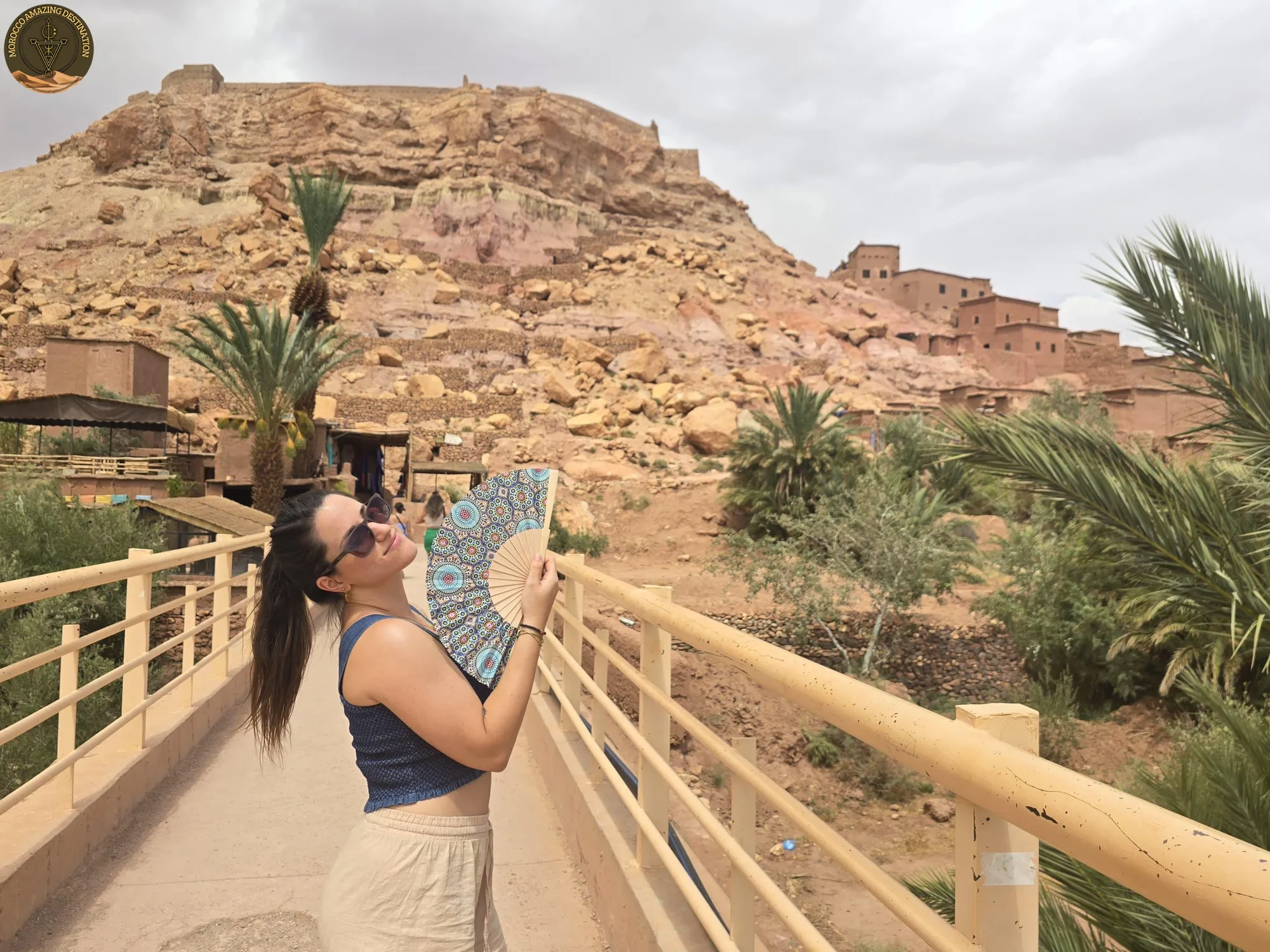
Martin Scorsese filmed his biblical epic far from Hollywood, in the deserts and old cities of North Africa. The last temptation of christ filming locations stretch across the whole country, from the earthen ksar of Ait Benhaddou to the Roman columns of Volubilis. The production was shot entirely in Morocco on a tight, low-budget schedule of just over a month, and the crew worked almost entirely in real historic places.
In this guide, we will break down every filming area, what it stood in for on screen, and how you can visit them on one trip.
Ait Benhaddou - Jerusalem Walls in the Desert
The ksar of Ait Benhaddou appears in published filmographies for the production. That places it among the ait benhaddou filming locations tied to last temptation of christ morocco. This fortified mud-brick village climbs a hillside above a dry riverbed, its towers and lanes almost unchanged for centuries. Some guides describe its walls doubling for Jerusalem type settings, though exact shots are inconsistently documented, so visit it as a visual stand-in rather than one fixed scene.
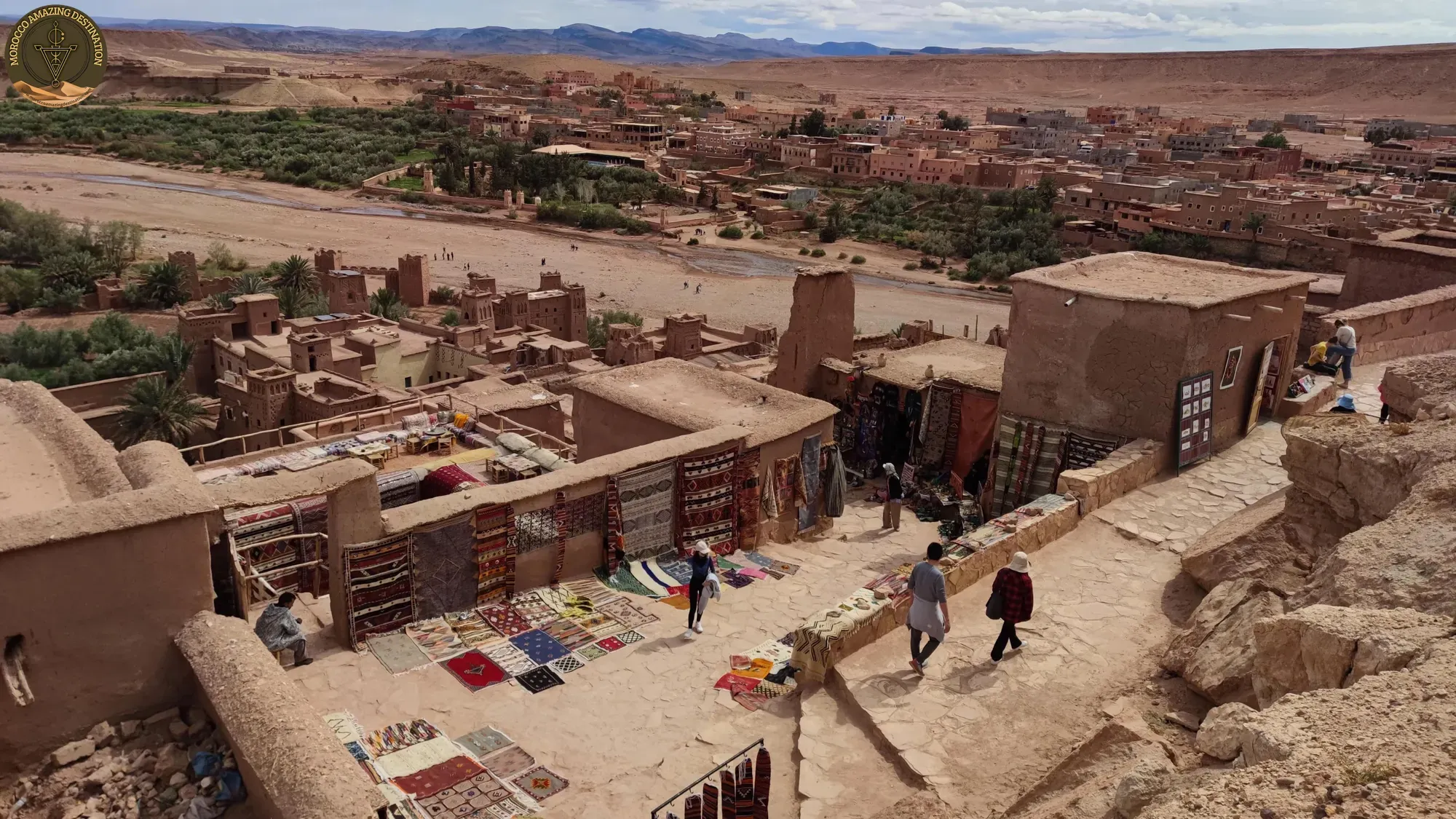
The site is a UNESCO World Heritage site, and it photographs best in early morning or late afternoon light. Most visitors walk the lanes and climb to the granary viewpoint in one to two hours. A local guide can point out the angles that film crews favor. Arrive before the day coaches if you want the lanes to yourself.
What to look for on your walk:
- The upper granary: the high viewpoint over the riverbed and palm groves below.
- The main lanes: narrow passages between tall earthen houses that read as ancient streets.
- The outer walls: the ramparts and corner towers that give the Jerusalem type look.
- The riverbed crossing: the classic wide shot of the whole ksar from the opposite bank.
Ouarzazate and Atlas Studios - The Desert Base
The crew based itself near Ouarzazate, the desert town southeast of Marrakech that anchors the country’s film industry. Local casbahs were considered and then dropped for technical reasons, so do not expect to match a specific scene to a town gate. Treat Ouarzazate as the production base and the studios as the part you can still walk through.
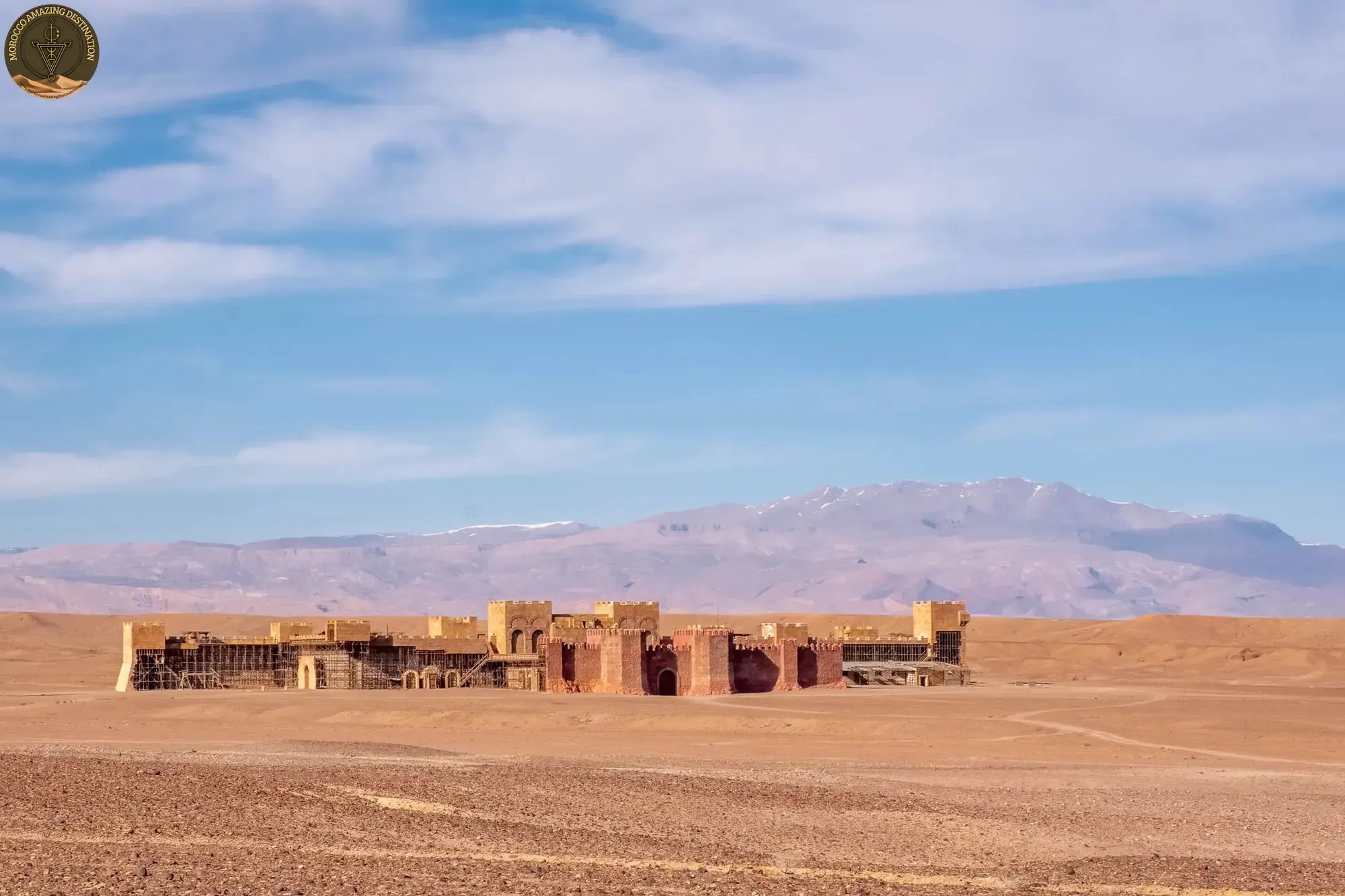
The studio complex outside town runs guided set tours, with gates, temples, and desert sets left behind by past epics. Our Atlas Studios guide covers tickets and timing in full. Scorsese later returned to the same desert base for Kundun, which we trace in our Kundun filming locations guide.
The drive from Marrakech crosses the high Tizi n’Tichka pass and takes around four hours. Many travelers stop at Ait Benhaddou on the way, since the ksar sits about half an hour before Ouarzazate. A private driver takes the strain out of the mountain road and the photo stops. The pass road is paved and busy with tour vans, so an early start beats the crowds at both stops.
Meknes Royal Stables - Temple and Pilate Palace
Some of the grandest interiors were filmed far from the desert, in the imperial city of Meknes. The vast vaulted halls of the royal stables complex, Heri es-Souani, stood in for the Temple interior, the Passover baths, and the palace of Pontius Pilate. The high arches and roofless sections gave the crew natural light and a monumental scale no built set needed to supply.
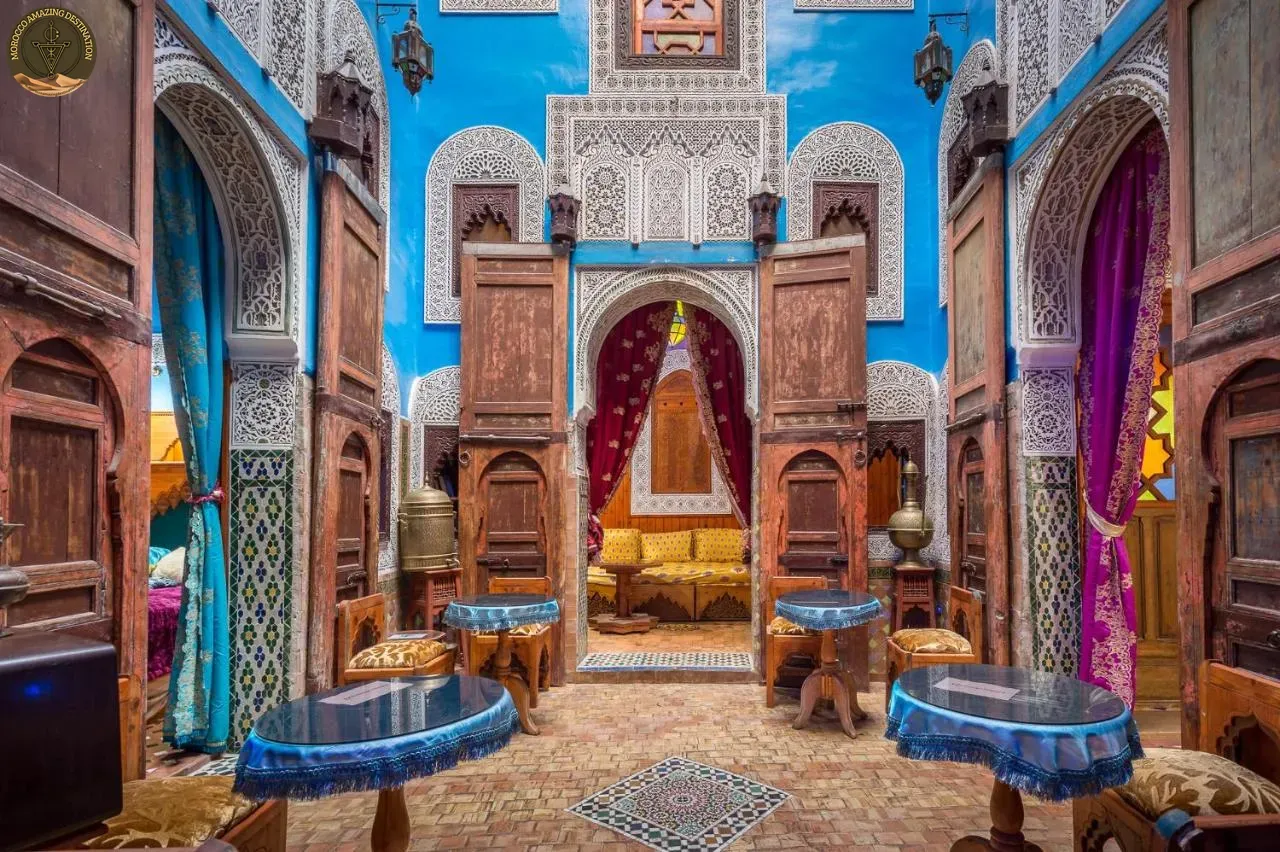
The halls feel dark and cool after the open desert, which matches the contrast the film leans on. Walk the long aisles slowly and look up at the rows of arches overhead. Pair the visit with the Meknes medina and the main city gate for a full half day. The complex also holds huge grain stores and water cisterns worth a glance on the way out.
What the stables became on screen:
- Temple interior: the long vaulted aisles dressed as sacred halls.
- Passover baths: the water channels and basins of the complex.
- Pilate palace: the grandest vaulted rooms used for the governor’s seat.
Volubilis Roman Ruins - The Final Temptation
The closing temptation sequence was staged around the volubilis morocco filming sites and the nearby Atlas slopes. Volubilis is a UNESCO World Heritage site of Roman ruins, with standing columns, a triumphal arch, and floor mosaics spread across a wide hillside. On screen its broken colonnades read as an ancient world outside time, which suits the film’s final passage.
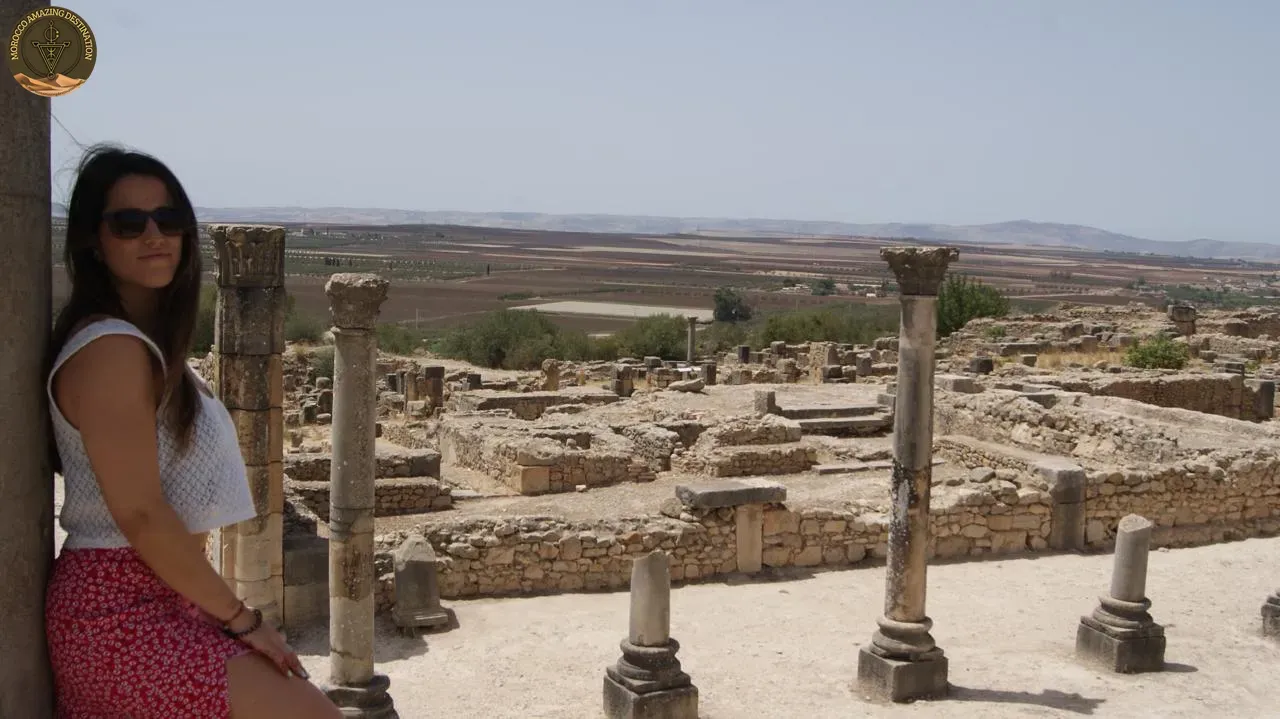
The ruins sit about half an hour from Meknes and up to ninety minutes from Fes, and most visits take around two hours. Early morning brings soft light on the stones and fewer coaches. A guide helps the mosaics and house layouts make sense. Combine Volubilis with Meknes in one day trip from Fes if your time is short.
Plan your stop at Volubilis:
- The triumphal arch: the landmark every visitor photographs first.
- The mosaic houses: floors with myth scenes still in place.
- The forum and basilica: the civic heart with the widest views.
- The hillside path: the full loop past olive trees and outer columns.
Plan Your Film Route Through Morocco
The locations fall into two natural clusters. The southern loop runs from Marrakech over the mountains to Ait Benhaddou and Ouarzazate. The northern loop links Fes or Meknes with Volubilis and the royal stables. Each loop works as a separate trip. Joining both calls for a multi-day private itinerary with a driver, since the passes, drives, and site hours are hard to line up alone. Spring and autumn bring the easiest driving weather for both loops.
For the southern loop, our 4-Day Guided Morocco Tour: Ouarzazate to Marrakech follows the same mountain road past Ait Benhaddou and the studios. To cover the north as well, the 8-Day Tour from Casablanca to Morocco Imperial Cities links Meknes, Volubilis, and Fes with time for the ruins and the stables.
We can customize a tour to match your needs - design your perfect itinerary
If you found this helpful, add us as your preferred source on Google.
Frequently Asked Questions
Was The Last Temptation of Christ filmed in Morocco?
Yes, the production was shot entirely in Morocco. Crews worked in a village south of Marrakech, around Ouarzazate, in the royal stables of Meknes, at the Roman ruins of Volubilis, and on Atlas Mountain slopes.
Was Ait Benhaddou in The Last Temptation of Christ?
Ait Benhaddou is credited among the film's locations in published filmographies. Guides describe its earthen walls as a stand-in for Jerusalem type settings, though exact shots are inconsistently documented.
Where were the Temple and Pontius Pilate scenes filmed?
The Temple interior, the Passover baths, and the palace of Pontius Pilate were filmed in the royal stables complex of Heri es-Souani in Meknes, whose vast vaulted halls gave the crew natural light and monumental scale.
Can you visit The Last Temptation of Christ filming locations?
Yes. The sites split into a southern loop from Marrakech to Ait Benhaddou and Ouarzazate and a northern loop from Fes or Meknes to Volubilis and the royal stables. Atlas Studios near Ouarzazate runs guided set tours, and a private driver makes joining the loops simple.
Ready for an Adventure?
Have questions? Feel free to contact us using the form below. We're here to help!