
· Travel · 6 min read
Is Morocco Safe Right Now? What Tourists Need to Know
Is Morocco safe right now? Yes — discover what tourists need to know, practical safety tips and how to travel hassle-free across Morocco.
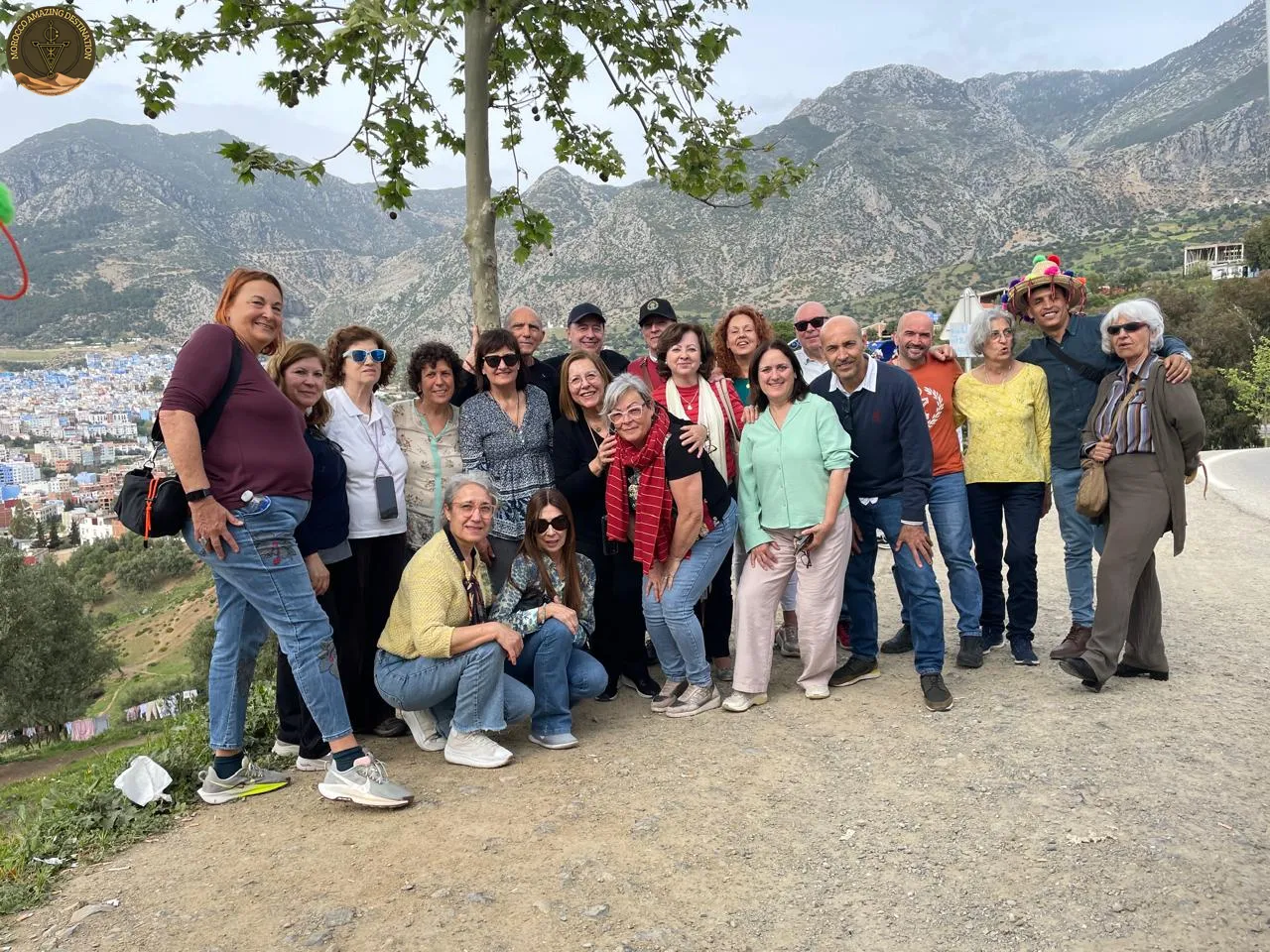
If you are wondering is morocco safe right now, the short answer is yes — Morocco is welcoming, stable and safe for tourists with normal precautions. The country hosts millions of visitors who explore medinas, mountain passes and Sahara dunes without incident, supported by visible tourist police and regulated tourism areas.
In this guide, we will break down what advisories really mean, what daily safety feels like and how you can visit with confidence.
Yes, Morocco Is Safe Right Now — What Advisories Mean
Yes, is morocco safe for tourists is the right question, and the answer is consistently reassuring. Morocco maintains a stable, heavily policed environment for visitors. Official advisories do not warn against visiting the tourist heartland.
The United States lists Morocco as Level 2 Exercise Increased Caution, the same level as France, the United Kingdom, Italy and Spain. The United Kingdom has no blanket advisory against Marrakech, Fes, Chefchaouen, Rabat, Casablanca, Essaouira or standard Sahara routes. Canada and Australia use similar language, urging a high degree of caution with narrow regional exclusions only.
This level means stay aware in crowded places, keep valuables discreet and avoid demonstrations. It is not a prohibition. It reflects routine awareness you would use in any busy destination. Tourism remains well regulated in major areas, with licensed guides and 24-hour riad reception.
What that means in practice:
- Routine caution, not risk ban: Level 2 is about awareness in markets, squares and transport hubs, not about avoiding the country.
- No blanket warning for tourist corridors: Imperial cities, Atlantic coast and Sahara circuits are not subject to do-not-travel orders.
- Visible support: Tourist police and licensed Ministry-badge guides are present in medinas and at key sites.
What Safety Feels Like Day to Day
Violent crime against tourists is rare. Day-to-day safety is about low-level friction rather than serious risk. The most reported issues are pickpocketing, phone and bag snatching in busy souks, Jemaa el-Fnaa and transport hubs, often from passing motorcycles.
Road conditions are a more practical concern than crime. Atlas passes are winding, driving standards vary and Casablanca and Rabat can be congested. Night driving outside highways is best avoided. Trains on main routes have a good record, and licensed drivers handle logistics smoothly.
Other friction points are social, not dangerous. They include unofficial guides demanding payment, persistent vendor pressure in tanneries, carpet shops or henna offers, petit taxis without meters and occasional verbal catcalling. Modest dress covering shoulders and knees, a polite firm “la, shukran” and walking with purpose help.
Women and solo travelers routinely have smooth trips, often starting in calmer bases like Rabat, Essaouira or Chefchaouen before busier Marrakech and Fes. Agreeing taxi fares in advance, using regulated stands and pre-booking a licensed guide solves most hassle quickly.
Essential Morocco Safety Tips for a Hassle-Free Trip
Good morocco safety tips are simple and make travel feel effortless. Think small habits, not heavy restrictions. Most visitors feel at ease after the first day once routines are set.
Stay street-smart in markets and squares. Keep valuables minimal, divide cash between pockets, and avoid displaying jewelry or large cameras. Book accommodations with secure reception, use offline maps and share your daily route with your driver or host. The national emergency number is 190, and travel insurance with medical evacuation is wise for mountain and desert areas where rural response is slower.
Dress helps you blend in and feel respected. Light layers that cover shoulders and knees work in cities and villages and adapt to changing mountain and desert temperatures. Agree on prices before services, confirm what is included and keep a copy of your passport on your phone.
Pack and plan checklist:
- Bags and valuables: Cross-body, zipped bag; hotel safe for documents; avoid back pockets and loose totes.
- Transport: Private vehicle with driver, or agree taxi meter before moving; avoid night driving on rural roads.
- Guiding: Licensed badge guide for medinas and cultural sites; pre-agreed meeting points and timings.
- Health and help: Offline maps, emergency number 190 saved, travel insurance and water and sun cover for Atlas and Sahara.
- Street etiquette: Modest dress, polite but firm refusal, avoid empty alleys after dark and keep to lively streets.
Why Private Tailor-Made Travel Feels Safer
Private tailor-made travel is the simplest safety multiplier, especially for first-timers and families. It removes four common friction points: medina navigation after dark, taxi negotiation, accommodation vetting and mountain or desert driving.
Your own air-conditioned vehicle, private driver and licensed guide handle timing, parking, meeting points and translation. Hand-picked riads with 24-hour reception, pre-booked transfers and known dinner stops replace on-the-spot decisions. You control pacing with flexible stops for photos, rest or meals, and you skip the pressure of ad-hoc shopping stops.
Tourism is well regulated across major visitor areas. Outside those zones, regulation is lighter and rural medical response can be slower, so a local team that knows which lanes fill on market day, which taxi stands are regulated and which desert camps meet comfort standards is your most practical safety resource. Routes via the UNESCO World Heritage site of Ait Benhaddou show how planned, guided travel keeps the journey smooth and culturally rich.
Why private helps:
- Navigation: Guide leads medina walks and evening transfers, so you avoid wrong turns and empty lanes.
- Transport: Professional driver manages Atlas passes, dunes roads and city traffic while you relax.
- Vetting: Hand-picked riads and luxury desert camps are checked for safety, comfort and location.
Plan Your Trip With Local Support
You can explore Morocco with confidence when logistics are handled locally. The safest itineraries pair iconic cities with desert and coast in balanced drive blocks, trusted stays and expert guiding, so you focus on the real Morocco, not on coordination.
For a balanced first trip that stays inside the safest tourist corridor, consider the 8-Day Morocco Tour: Marrakech, Sahara Desert & Essaouira Adventure. It links Marrakech, the High Atlas and the UNESCO World Heritage site of Ait Benhaddou to Dades Valley, Merzouga dunes and laid-back Essaouira with private vehicle and guide throughout. If you prefer a shorter city-to-city route through valleys and dunes, the 4-Day Marrakech to Fes via Dades & Merzouga connects the same trusted corridor in a compact format.
We can customize a tour to match your needs — design your perfect itinerary
If you found this helpful, add us as your preferred source on Google.
Frequently Asked Questions
Is Morocco safe right now for tourists?
Yes. Morocco is safe for tourists right now across Marrakech, Fes, Chefchaouen, Rabat, Casablanca, Essaouira and the Sahara circuits. There is no blanket advisory for the tourist heartland — just normal awareness for petty crime and scams.
Is Morocco safe for solo and family travelers?
Yes. Solo and family travelers visit comfortably with private transport, licensed guides and vetted riads and desert camps. Use modest dress, a polite firm refusal for pushy offers, and avoid empty alleys after dark.
What areas should I avoid in Morocco?
Only narrow zones far from standard routes: the closed Algeria border strip of about 20-30km and the Berm area of Western Sahara with military and unexploded ordnance risks. No classic itinerary touches these areas.
What are the main safety tips for Morocco?
Keep bags zipped and cross-body, use your riad safe, agree taxi fares or insist on the meter, use a licensed badge guide, carry offline maps, know emergency number 190, and use travel insurance. A private driver handles most logistics for you.
- is-morocco-safe-now
- is-morocco-safe
- morocco-safety-tips
- morocco-travel-safety
- first-time-visitors-morocco
Ready for an Adventure?
Have questions? Feel free to contact us using the form below. We're here to help!