· Travel · 5 min read
Is Morocco an Old Spanish Colony? History Explained
Was Morocco ever a Spanish colony? Get the clear answer on protectorates, zones and enclaves.
Many travelers hear Spanish spoken in northern Morocco and wonder: is morocco an old spanish colony? No — not fully, and not in the way most people imagine. Morocco was a protectorate, not a full colony, and most of its territory was administered by France rather than Spain.
In this guide, we break down what was morocco a spanish colony really means. You will see how the French and Spanish zones worked and how to visit that history today.
No — Morocco Was Never a Full Spanish Colony
Morocco kept its Sultan and nominal sovereignty even while foreign powers ran day-to-day administration. That is the core difference between a protectorate and a colony. A colony is annexed and ruled directly. A protectorate keeps a local ruler while delegating powers.
Under an agreement signed in the early twentieth century, the Sultan entrusted administration and foreign affairs to France. France then delegated a northern strip and a small southern strip to Spain through a later convention. So Spain did govern part of Morocco, but it never ruled the whole country.
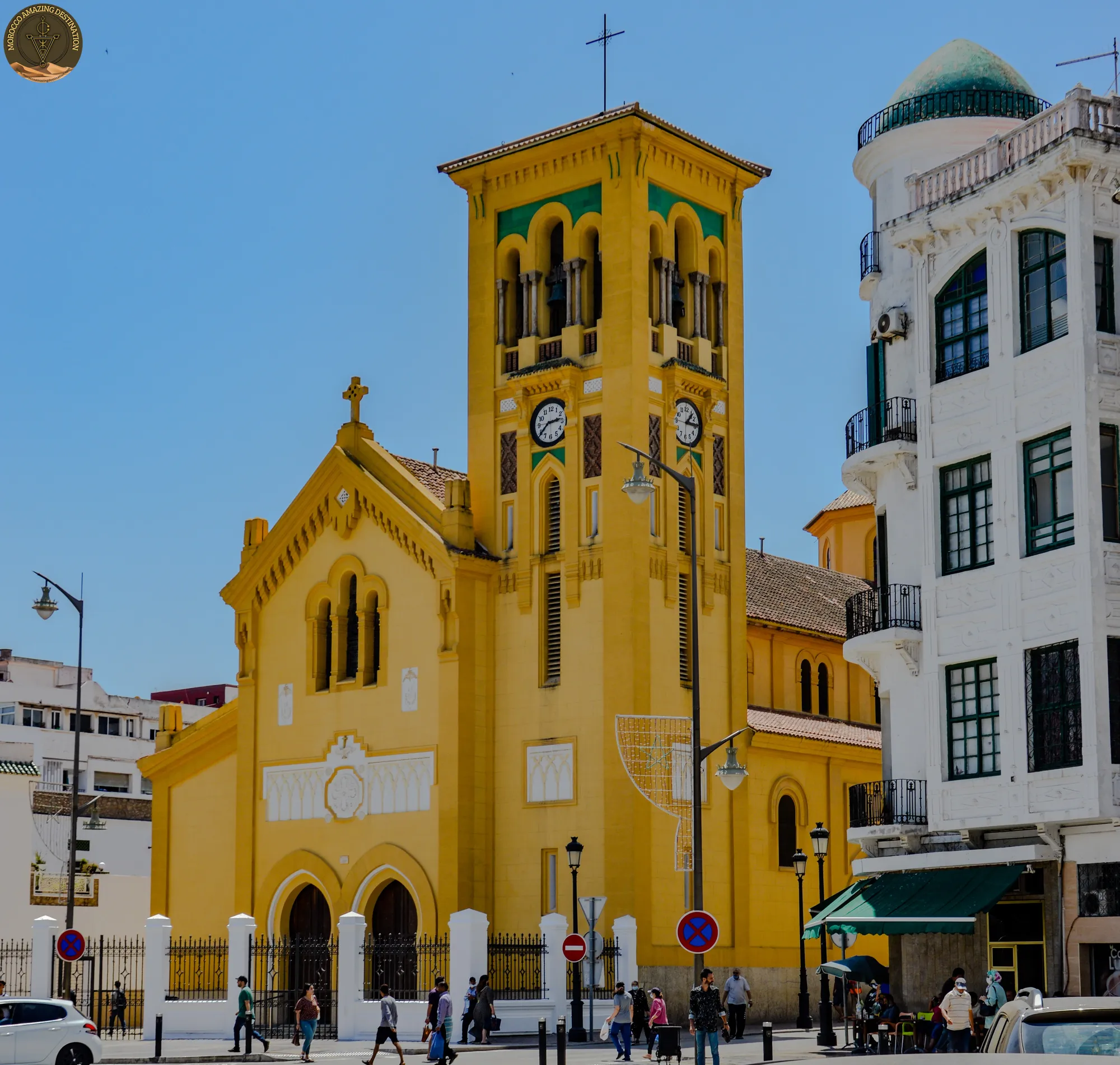
You feel this history on the ground today. French remains common in business and large cities, while Spanish influence is strongest in the north. Tetouan was the capital of the Spanish zone. Chefchaouen, Larache and Nador still show Spanish urban planning, balconies and bilingual signs.
If you ask was morocco a spanish colony as a yes-or-no question, the answer is no. It was a protectorate shared between France and Spain, with France holding the larger share.
Two Protectorates and the Tangier International Zone
In the north, the Spanish zone stretched from Larache on the Atlantic to the hills beyond Melilla on the Mediterranean. It covered the rugged Rif mountains, home to Tamazight-speaking communities. For a time, the Rif Republic led by Abd el-Krim resisted Spanish forces.
In the center and south, the French zone covered most of Morocco. Rabat was its administrative capital. Roads, rail and modern administration expanded there, while Spanish investment focused on Tetouan and the northern ports.
Tangier followed a different path entirely. To avoid rivalry, the great powers made it a neutral International Zone from the mid-nineteen-twenties. It was jointly administered and demilitarized, with its own laws and currency. Spain occupied Tangier briefly in the early nineteen-forties, then withdrew. The zone was abolished and reunited with independent Morocco in the late nineteen-fifties.
Key zones to understand:
- French Protectorate: central Morocco, capital Rabat, largest population and infrastructure.
- Spanish Protectorate North: Rif mountains and Mediterranean coast, capital Tetouan.
- Spanish Protectorate South: narrow desert strip around Cape Juby, near Tarfaya.
- Tangier International Zone: neutral, jointly run city-state outside both protectorates.
Spanish Sahara, Ifni and Tarfaya — A Separate Story
South of Morocco proper lay a very different territory. The vast desert now often called Western Sahara was not part of either protectorate. It was Spanish Sahara, made up of Saguia el Hamra and Rio de Oro, and administered as a colony and later as a Spanish province.
This is where the question was morocco colonized by spain needs careful context. Spain did colonize Spanish Sahara itself. It did not colonize Morocco as a whole. The protectorate zones and Spanish Sahara had separate legal statuses and timelines.
After independence, the map kept changing. Tarfaya and the Cape Juby strip were returned in the late nineteen-fifties. The coastal enclave of Ifni, near present-day Sidi Ifni, was returned only in the late nineteen-sixties. Spain withdrew from the larger Spanish Sahara in the mid-nineteen-seventies, following the Green March and the Madrid Accords.
That Sahara story is complex and still sensitive today. For deeper context from a local perspective, see our guide to the Western Sahara conflict from a Moroccan viewpoint.
What changed hands after independence:
- Tarfaya and Cape Juby: returned in the late nineteen-fifties.
- Ifni: returned in the late nineteen-sixties.
- Northern Spanish Sahara: reintegrated after Spain withdrew in the mid-nineteen-seventies.
Why Ceuta and Melilla Remain Spanish Today
If Morocco was not a full Spanish colony, why do two cities on its northern coast still fly the Spanish flag? Ceuta and Melilla are not leftovers of the protectorate. They predate it by centuries.
Melilla came under the Crown of Castile in the late fifteenth century. Ceuta passed to Spain during the Iberian Union and stayed Spanish after Portugal regained independence. Both are now fully integrated Spanish autonomous cities and the only European Union territory on mainland Africa.
At independence in the mid-nineteen-fifties, Spain returned the protectorate zones but not these historic enclaves. Morocco has consistently claimed them, while Spain considers them integral parts of its territory and not subject to negotiation. For visitors, the border is open and crossing feels like moving between two countries within minutes.
Why they stayed Spanish:
- Historic presidios: held since long before the protectorate era.
- Legal status: not covered by the protectorate retrocession agreements.
- Modern status: autonomous cities with Spanish services, ports and airports.
- Cultural mix: languages include Spanish, Arabic and Tamazight, with daily cross-border life.
Discover Morocco’s History on a Private Tour
History makes more sense when you walk it. The north still whispers its Spanish chapter in blue-washed Chefchaouen and Tetouan’s Andalusian plazas. In Tangier, layered streets show Spanish, French and Arabic signs side by side. Then the road south shifts tone completely toward Fes, Marrakech and the Sahara.
A private guide brings these contrasts to life without the stress of self-driving mountain passes or desert roads. Our local team — Hassan, Hamid and Andrea — designs every route with care. You get hand-picked riads and a private driver, so you can focus on the story while we balance comfort and value.
To trace the Spanish-zone legacy in one loop, explore our 8-Day Northern Tour — Imperial Cities and Desert from Tangier. It links Tangier, Tetouan, Chefchaouen, Fes and the Merzouga dunes. For the grand sweep from coast to desert, see our 14-Day Morocco Tour from Casablanca.
We can customize a tour to match your needs — design your perfect itinerary
If you found this helpful, add us as your preferred source on Google.
Frequently Asked Questions
Was Morocco a Spanish colony?
No. Morocco was never a full Spanish colony. Most of the country was under a French Protectorate, while Spain administered a smaller northern zone and a southern desert strip. Morocco kept nominal sovereignty under its Sultan.
What was the difference between the French and Spanish protectorates?
France governed central Morocco from Rabat, covering the largest area and population. Spain governed the Rif region and Mediterranean coast from Tetouan plus a southern strip near Cape Juby. Both ended in the mid-nineteen-fifties with independence.
Why do Ceuta and Melilla still belong to Spain?
Ceuta and Melilla are historic Spanish enclaves that predate the protectorate by centuries. They were not included in the return of territory at independence and remain Spanish autonomous cities on the North African coast.
What was Spanish Sahara and what happened to it?
Spanish Sahara was a separate Spanish territory south of Morocco, not part of the protectorate. Spain withdrew in the mid-nineteen-seventies after the Green March and Madrid Accords. Morocco then reintegrated the northern part of that desert region.
Ready for an Adventure?
Have questions? Feel free to contact us using the form below. We're here to help!