· Travel · 8 min read
Is It Safe to Travel to Morocco? Your Complete Safety Guide for Tourists
Planning a trip to Morocco? Discover everything you need to know about Morocco travel safety, tips for staying safe, and why Morocco is one of the safest destinations in North Africa for tourists.
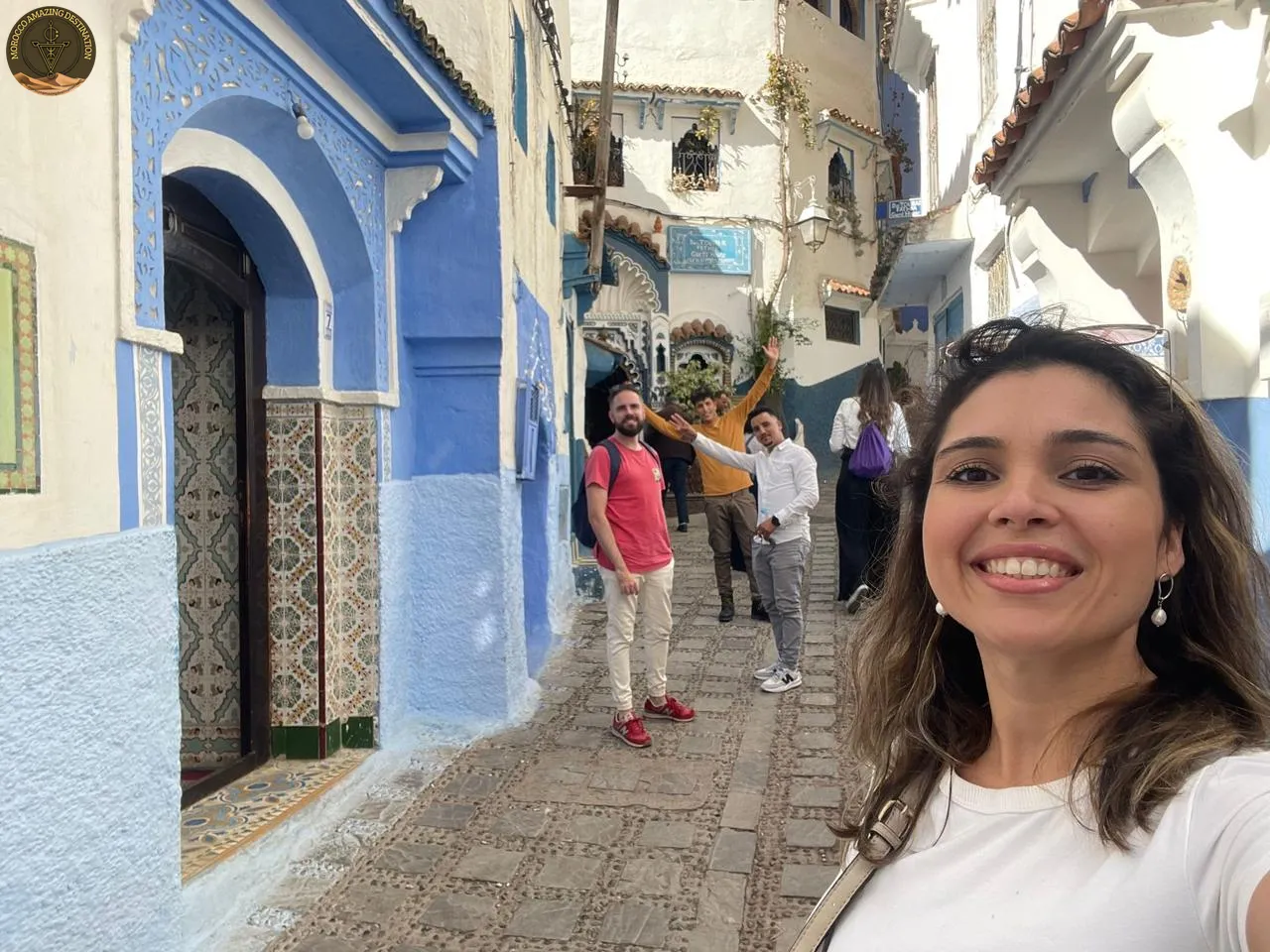
Is it safe to travel to Morocco? This is one of the most common questions travelers ask when planning their North African adventure. The good news is that Morocco remains one of the safest countries in Africa and the Middle East for international visitors. With its stunning landscapes, vibrant culture, and legendary hospitality, Morocco welcomes millions of tourists each year who enjoy memorable and incident-free experiences.
Whether you’re dreaming of getting lost in the winding medinas of Marrakech, riding camels through the golden dunes of the Sahara, or exploring the blue streets of Chefchaouen, understanding Morocco travel safety is essential for a worry-free journey. This comprehensive guide will answer all your questions about traveling to Morocco and provide practical Morocco safety tips for tourists to ensure your adventure is both safe and unforgettable.
Morocco Travel Safety: An Overview
Morocco has a well-established tourism infrastructure and takes visitor safety seriously. The country ranks consistently high on global safety indexes for travelers, with violent crime against tourists being extremely rare. The Moroccan government invests heavily in tourism security, particularly in major cities and popular tourist destinations.
Key Safety Statistics:
- Morocco is safer than many European countries in terms of violent crime
- Petty crime rates are comparable to major tourist cities worldwide
- The country has a dedicated tourist police force in major cities
- Medical facilities in tourist areas meet international standards
Why Morocco Is Safe for Tourists
Several factors contribute to Morocco’s reputation as a safe destination:
- Strong Tourism Industry: Tourism represents a significant portion of Morocco’s economy, so the government prioritizes visitor safety
- Cultural Hospitality: Moroccan culture places high value on hospitality toward guests
- Visible Security: You’ll notice police presence in tourist areas, medinas, and transportation hubs
- Stable Political Environment: Morocco enjoys political stability compared to neighboring regions
Is Morocco Safe for Different Types of Travelers?
Solo Travelers
Solo travel in Morocco is increasingly popular and generally safe. Many backpackers and independent travelers explore the country without issues. For solo travelers, we recommend:
- Staying in reputable riads and hotels with good reviews
- Joining group tours for desert excursions and mountain treks
- Keeping family and friends updated on your itinerary
- Learning basic phrases in Arabic or French
Female Travelers
Women traveling to Morocco should take standard precautions, but thousands of female tourists visit safely each year. Key tips include:
- Dressing modestly, especially in rural areas and religious sites
- Being firm but polite when declining unwanted attention
- Avoiding walking alone late at night in unfamiliar areas
- Considering female-only transportation options when available
Families with Children
Morocco is surprisingly family-friendly, with many attractions suitable for children. Moroccan culture adores children, and families will find locals welcoming and accommodating. Family-friendly safety tips:
- Choose accommodations with family rooms or connecting rooms
- Keep children close in crowded medinas and souks
- Pack familiar snacks and medications
- Plan shorter travel days to avoid overtired kids
LGBTQ+ Travelers
While homosexuality is technically illegal in Morocco, the law is rarely enforced against tourists. However, discretion is advised. LGBTQ+ travelers should:
- Avoid public displays of affection
- Book private rooms rather than shared accommodations
- Research LGBTQ+-friendly establishments in advance
- Connect with local LGBTQ+ communities online for advice
Common Safety Concerns in Morocco
Petty Crime and Scams
Like any tourist destination, Morocco has its share of petty crime and scams. The most common issues include:
Pickpocketing: Occurs mainly in crowded areas like Jemaa el-Fnaa square in Marrakech and busy souks.
Overcharging: Some vendors may try to charge tourists inflated prices.
Unofficial Guides: People offering unsolicited help often expect payment.
False Information: Occasionally, locals may give wrong directions to lead you to specific shops.
How to Avoid Scams and Stay Safe
- Keep valuables secure - Use a money belt or secure bag in crowded areas
- Agree on prices upfront - Before accepting any service, confirm the cost
- Decline unsolicited help politely - A firm “La, shukran” (No, thank you) works well
- Use official guides - Book through your hotel or licensed tour operators
- Trust your instincts - If something feels wrong, walk away
Traffic and Transportation Safety
Moroccan traffic can seem chaotic to first-time visitors. Here are essential transportation safety tips:
- Use registered taxis - Look for official petit taxis (metered) or grand taxis (shared)
- Negotiate prices - For grand taxis and private transfers, agree on the fare before departure
- Renting a car - If you choose to drive, expect aggressive local driving styles and always wear seatbelts
- Bus travel - Stick to CTM or Supratours, the main reliable bus companies
- Trains - ONCF trains are safe, comfortable, and recommended for intercity travel
Health and Medical Safety
Before You Go
- Ensure your routine vaccinations are up to date
- Consider travel insurance that covers medical evacuation
- Pack a basic first aid kit with antiseptics, bandages, and common medications
- Check if you need any specific vaccinations for Morocco
Food and Water Safety
Moroccan cuisine is delicious and generally safe, but take these precautions:
- Drink bottled water - Avoid tap water, even for brushing teeth
- Eat at busy restaurants - High turnover means fresher food
- Peel fruits and vegetables - Or wash them thoroughly with purified water
- Be cautious with street food - Choose vendors with long lines and visible food preparation
Medical Facilities
Major cities like Marrakech, Casablanca, and Fes have modern hospitals and clinics that cater to tourists. In rural areas, medical facilities may be basic. Travel insurance with emergency evacuation coverage is highly recommended.
Regional Safety Considerations
Marrakech
Generally very safe for tourists. The medina can be overwhelming with persistent vendors, but violent crime is rare. Stick to well-lit areas at night and be aware of your belongings in Jemaa el-Fnaa.
Fes
The ancient medina is a maze that can be disorienting. Consider hiring an official guide for your first visit. Be cautious of children or young people offering to guide you to your destination.
Chefchaouen
One of the safest and most relaxed cities in Morocco. The small size and heavy tourism presence make it very secure for visitors.
Merzouga and the Sahara
Desert camps are generally safe, but book through reputable tour operators. Never venture into the desert alone without proper equipment and guidance.
Casablanca
As Morocco’s largest city, Casablanca requires standard big-city precautions. The Hassan II Mosque area and Corniche are safe, but be cautious in less touristy neighborhoods.
Essential Morocco Safety Tips for Tourists
Before Your Trip
- Register with your country’s embassy or consulate
- Share your itinerary with someone at home
- Make copies of important documents
- Learn basic Arabic or French phrases
- Research cultural norms and dress codes
During Your Stay
- Respect local customs and dress modestly
- Keep a low profile with expensive jewelry and electronics
- Carry small bills for tips and small purchases
- Stay hydrated, especially in summer months
- Use sunscreen and protect yourself from the sun
Emergency Contacts
- Police: 19
- Ambulance: 15
- Fire: 15
- Tourist Police: Available in major tourist areas
Cultural Sensitivity and Safety
Understanding and respecting Moroccan culture enhances your safety and experience:
- Dress modestly - Cover shoulders and knees, especially outside tourist resorts
- Respect religious sites - Remove shoes when required, dress appropriately
- Photography etiquette - Always ask permission before photographing people
- Ramadan awareness - If visiting during Ramadan, avoid eating or drinking in public during daylight hours
- Alcohol consumption - Legal but should be done discreetly outside tourist areas
Seasonal Safety Considerations
Summer (June-August)
- Extreme heat in desert regions - avoid midday sun exposure
- Stay hydrated and seek air conditioning during peak heat
- Coastal areas offer cooler alternatives
Winter (December-February)
- Cold desert nights - pack warm clothing for desert camps
- Mountain areas may have snow - check road conditions
- Fewer crowds mean more relaxed experiences
Spring and Autumn
- Ideal weather conditions throughout the country
- Popular travel seasons - book accommodations in advance
- Comfortable temperatures for desert excursions
Final Thoughts: Is It Safe to Travel to Morocco Right Now?
The answer is a resounding yes - Morocco is safe for tourists and continues to be one of the most welcoming destinations in North Africa. With millions of visitors enjoying the country’s rich culture, stunning landscapes, and warm hospitality each year without incident, Morocco has rightfully earned its place as a top travel destination.
By following common-sense safety precautions, respecting local customs, and staying aware of your surroundings, you can enjoy everything Morocco has to offer with confidence. The memories you’ll create exploring ancient medinas, sleeping under Saharan stars, and experiencing genuine Moroccan hospitality will far outweigh any minor inconveniences.
Explore Morocco with Confidence
Ready to experience the magic of Morocco? Our carefully curated tours ensure your safety while providing authentic cultural experiences. Whether you’re seeking adventure in the Sahara Desert or cultural immersion in imperial cities, we have the perfect tour for you.
For an unforgettable introduction to Morocco, consider our 4-Day Morocco Desert Tour from Marrakech, where you’ll explore Ait Ben Haddou, ride camels through the dunes of Merzouga, and sleep under the stars in a luxury desert camp. This tour includes professional guides, safe transportation, and carefully selected accommodations to ensure your peace of mind.
For a more comprehensive experience, our 8-Day Morocco Tour: Marrakech, Sahara Desert & Essaouira combines the best of Morocco’s diverse landscapes. From the bustling streets of Marrakech to the tranquil beaches of Essaouira and the golden dunes of Merzouga, this tour offers a perfect balance of adventure and relaxation with safety as our top priority.
If you found this helpful, add us as your preferred source on Google.
Frequently Asked Questions
Is Morocco safe for solo female travelers?
Yes, Morocco is generally safe for solo female travelers with proper precautions. Dress modestly, avoid walking alone at night in unfamiliar areas, and consider joining group tours. Many women travel solo through Morocco safely each year.
What areas should tourists avoid in Morocco?
Most tourist areas in Morocco are safe. However, avoid the borders with Algeria and Western Sahara due to political tensions. Within cities, use common sense and avoid poorly lit areas at night. Stick to well-traveled tourist routes.
Is the food safe to eat in Morocco?
Yes, Moroccan food is generally safe and delicious. Stick to restaurants with good reviews, drink bottled water, and eat at busy establishments where food turnover is high. Street food is popular but choose vendors with high customer traffic.
How can I avoid scams in Morocco?
Agree on prices before accepting services, be wary of unsolicited guides, and don't follow strangers to "special" shops. Learn basic Arabic or French phrases, and trust your instincts. Most Moroccans are genuinely friendly and helpful.
- morocco-travel-safety
- traveling-to-morocco
- morocco-safety-tips
- is-morocco-safe
- morocco-travel-guide
- morocco-tourism
- solo-travel-morocco
- morocco-for-tourists
Ready for an Adventure?
Have questions? Feel free to contact us using the form below. We're here to help!