
· Travel · 4 min read
How to Avoid Food Poisoning in Morocco: A Prevention Plan
A practical prevention plan for food poisoning in Morocco: daily habits, safe ordering rules, and what to do if traveler's diarrhea strikes.
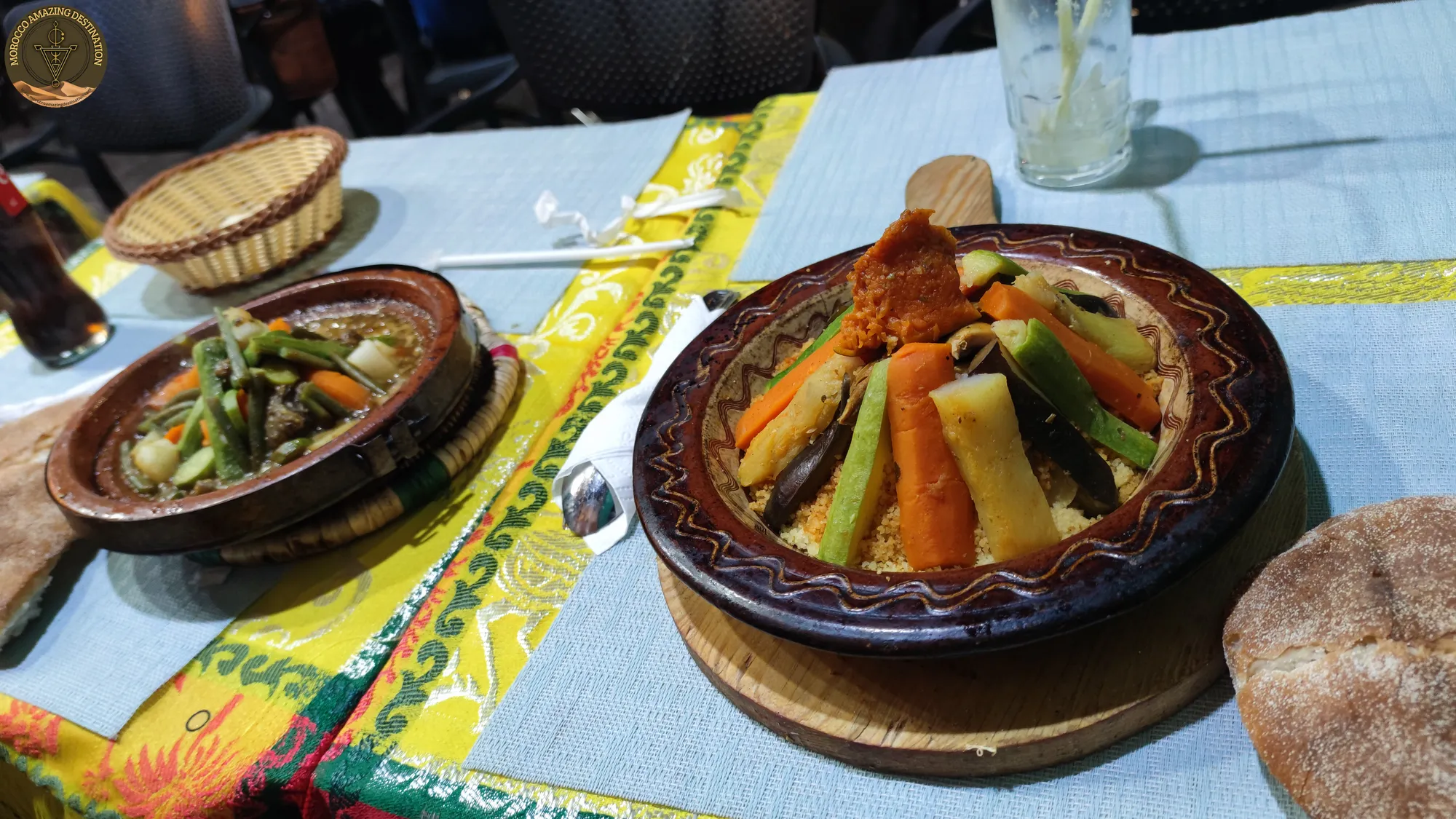
If you have ever typed how to avoid food poisoning in Morocco into a search bar, you are in good company. Most travelers worry a little, yet millions eat their way across the country without trouble.
In this guide, we will break down why it happens, the daily habits that prevent it, and what to do if it catches you anyway.
Why Food Poisoning Happens in Morocco
Most cases of food poisoning morocco are mild and short. The usual culprit is unfamiliar bacteria, viruses, or a different mineral balance in the water — not bad cooking.
The reassuring part: Moroccan cooking relies on long, high-heat methods. A tagine simmers for hours, couscous is steamed, and harira is boiled, making these classics among the safest things to order.
Book a travel-health appointment four to six weeks ahead and pack rehydration sachets and hand sanitiser. If you take antacids, be extra careful, since lower stomach acid raises your risk. None of this means Moroccan food is dirty; your body is simply meeting a new environment.
Safe Drinks: Bottled Water and Hot Mint Tea
Drinks are where most travelers slip up, and where safe food in morocco begins. Stick to sealed bottled water, factory-sealed sodas, and hot drinks made with boiled water. A glass of mint tea is always a solid bet.
Ice is the quiet risk. Skip it unless you know it is made from safe water, and be wary of refilled or unsealed bottles. For the full picture, see our guide on whether tap water is safe to drink in Morocco.
Your reliable choices:
- Sealed bottled water: Your default everywhere in Morocco.
- Hot mint tea and coffee: Made with boiled water, reliably safe.
- Factory-sealed sodas: A safe alternative to tap-based drinks.
- Ice: Skip it unless you know its source.
Asking for no ice is a normal request, and bottled water is standard in restaurants. Many travelers also carry a reusable filter bottle for extra peace of mind.
Street Food and Market Stalls
Street food is one of the great joys of Morocco, and it can be perfectly safe. The golden rule is to follow the crowd: busy stalls cook to order and sell their food before it can sit around.
Watch your meal cooked in front of you and eat it steaming hot. Prefer clean plates and utensils, and clean your hands before eating with soap or a sanitiser of at least 60% alcohol.
Simple ordering rules:
- Busy vendors: High turnover means fresher food.
- Cooked to order: Watch it hit the grill or pan.
- Steaming hot: Heat is your best protection.
- Peel it yourself: Fruit you peel is safer than pre-cut.
- Skip lukewarm buffets: Food left out at room temperature is risky.
Keep a few higher-risk items in mind: raw salads, pre-cut fruit, unpasteurised dairy, and undercooked meat, fish, or shellfish. The broader rule is to avoid anything that has been sitting out.
Aftercare: What to Do If You Get Sick
Traveler’s diarrhea Morocco and mild food poisoning usually settle within a day or two. The priority is rehydration: safe fluids plus oral rehydration salts, sold cheaply at pharmacies nationwide.
Eat small, bland meals such as bread, rice, or plain soup; sugary drinks can worsen diarrhea. Adults without fever or blood in stool may take a short course of antidiarrheal medication.
Warning signs to take seriously:
- Blood or mucus in your stool: See a doctor promptly.
- High fever: Around 38°C / 100.4°F or above.
- Severe abdominal pain: Especially if it worsens.
- Persistent vomiting: Or inability to keep fluids down.
- Dehydration signs: Little urination, dizziness, fast pulse, weakness.
If symptoms do not improve in about three days, check with a doctor or travel clinic. Children, older adults, pregnant, and immunocompromised travelers should seek advice earlier. This is general guidance, not medical advice.
Plan a Safe, Hassle-Free Morocco Trip
With a few simple habits, you can enjoy the real Morocco without the stomach drama. Knowing where your next meal is cooked, and how, is half the battle.
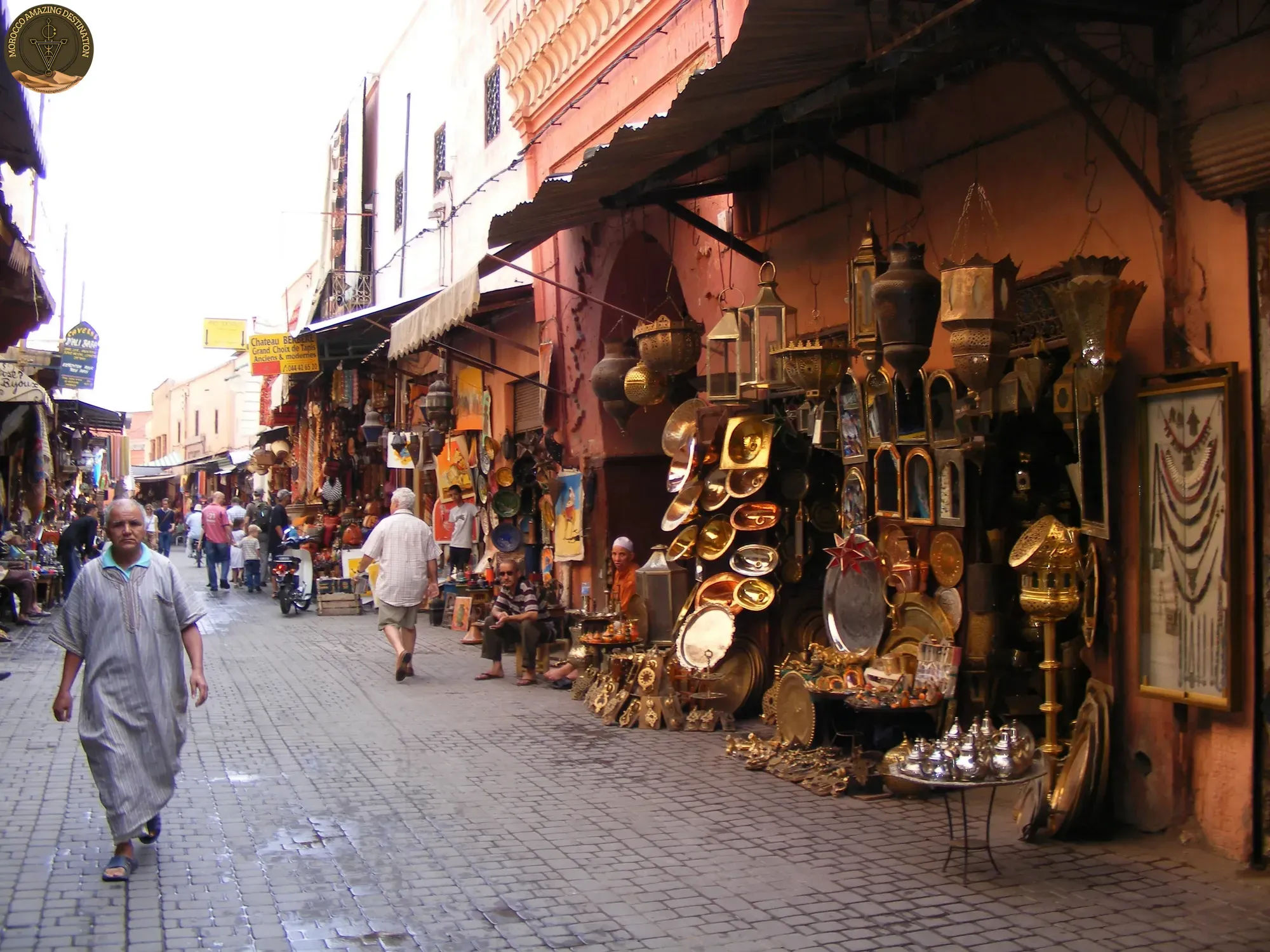
Our 10-Day Morocco Tour from Casablanca includes an optional tagine-making class in Fes and meals at Berber desert camps, all at trusted stops. If you prefer a food-and-coast mix, the 8-Day Morocco Tour: Marrakech, Sahara & Essaouira visits the Rissani market and Essaouira’s seafood, with a local guide who can advise on safe choices.
A private tour takes the guesswork out of eating well. Your guide knows which stalls and kitchens are reliable and can explain dietary needs directly.
We can customize a tour to match your needs — design your perfect itinerary
If you found this helpful, add us as your preferred source on Google.
Frequently Asked Questions
Is food in Morocco safe for travelers?
Yes, for most travelers. Moroccan cooking often uses long, high-heat methods, and busy restaurants, riads, and street stalls that cook to order are usually safe. Sticking to freshly cooked, steaming-hot food and sealed bottled water prevents most problems.
What is the most common cause of traveler's diarrhea in Morocco?
It is usually your gut adapting to unfamiliar bacteria and a different water profile, not bad cooking. Simple habits such as hand hygiene, safe drinks, and freshly cooked food cut the risk significantly.
What should I do if I get food poisoning in Morocco?
Rehydrate with safe fluids and oral rehydration salts, and eat small bland meals. Seek medical care if symptoms last more than about three days or if you notice warning signs like blood in your stool or a high fever.
Can I eat street food safely in Morocco?
Yes. Choose busy stalls where food is cooked to order in front of you and served hot. Avoid lukewarm buffets and anything that has sat out, and wash or sanitize your hands before eating.
- food-safety-morocco
- health-safety-morocco
- morocco-travel-health
- travelers-diarrhea-morocco
- food-poisoning-prevention
Ready for an Adventure?
Have questions? Feel free to contact us using the form below. We're here to help!