· Travel · 5 min read
Driving in Morocco: Safe Guide to Roads, Rules and Costs
Driving in Morocco made clear - safe routes, rules and real costs, plus when a private driver saves time and stress.
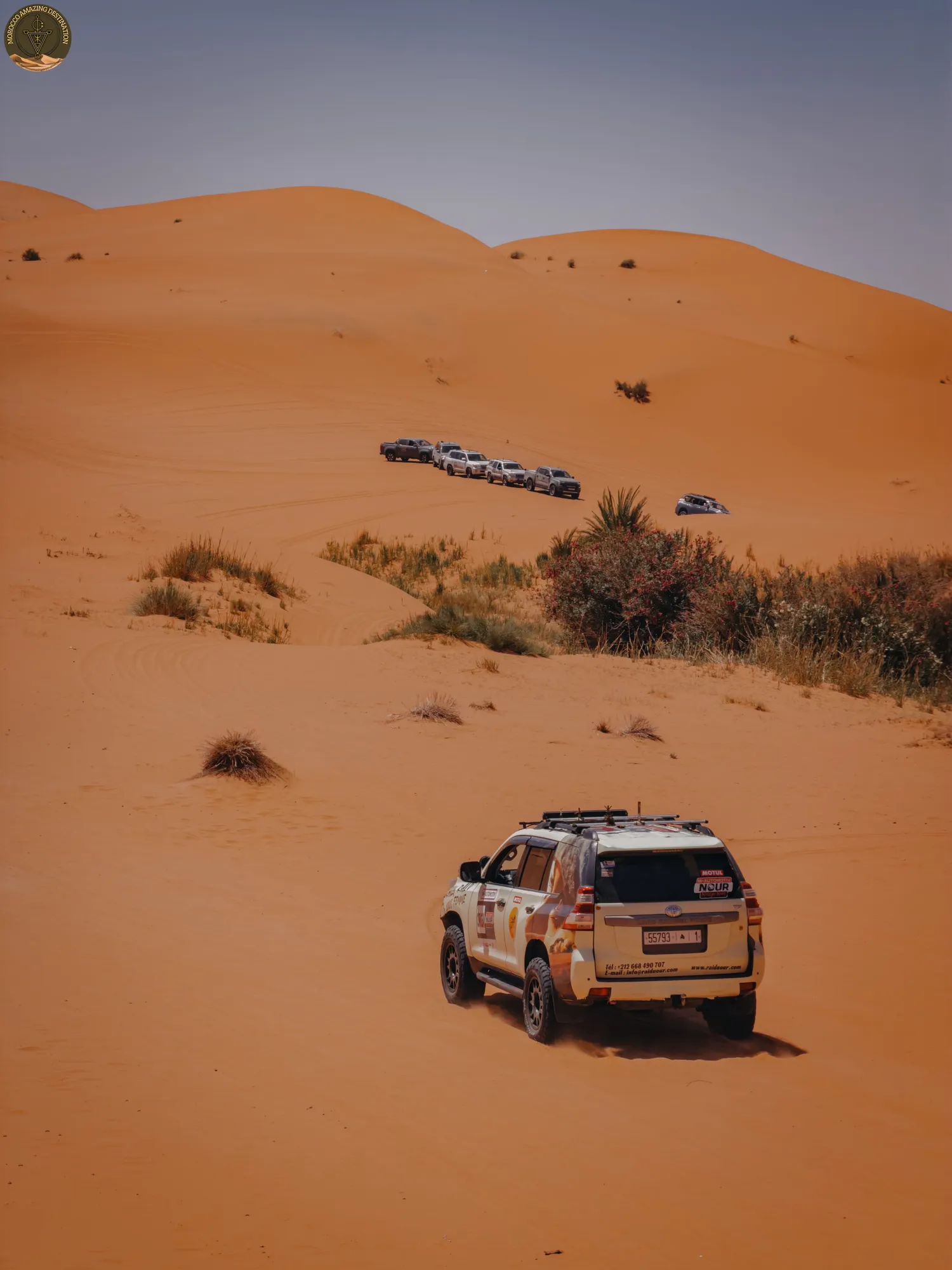
Driving in Morocco feels calm on a fenced motorway, then demanding on a busy boulevard or mountain bend. The gap between those two moments catches many first-time visitors out.
In this guide we break down safety in practice and road types. You will see rules and costs at checkpoints and how to choose between renting, bringing your car, or travelling with a private driver.
Is driving in Morocco safe for visitors? What to expect today
For most visitors the answer is yes on main routes in daylight, with clear caveats for cities and night. Motorways and national roads are paved and signed, emergency help is available on autoroutes, and traffic feels predictable once you learn local habits.
Expect a different rhythm. Lane discipline loosens in towns, mopeds filter close, and some vehicles run without lights outside cities. Pedestrians cross where they choose and speed humps appear with little warning at village entrances.
The easiest way to stay safe is to keep daylight margins and drive defensively. Add 20 to 30 percent to navigation estimates and keep original documents within reach. If you want the roads without the stress, a private driver handles timing, parking and checkpoints while you enjoy the views.
Road types you will actually drive - autoroutes to Atlas and desert
Morocco road conditions range from smooth tolled autoroutes to narrow passes and sandy tracks, so comfort depends on route choice.
Autoroutes by ADM are fenced, signed and tolled. Casablanca to Marrakech is about 238 km, 2.5 to 3.5 hours, with a one-way toll around 83 to 89 MAD. Keep small dirhams and keep your ticket to the exit.
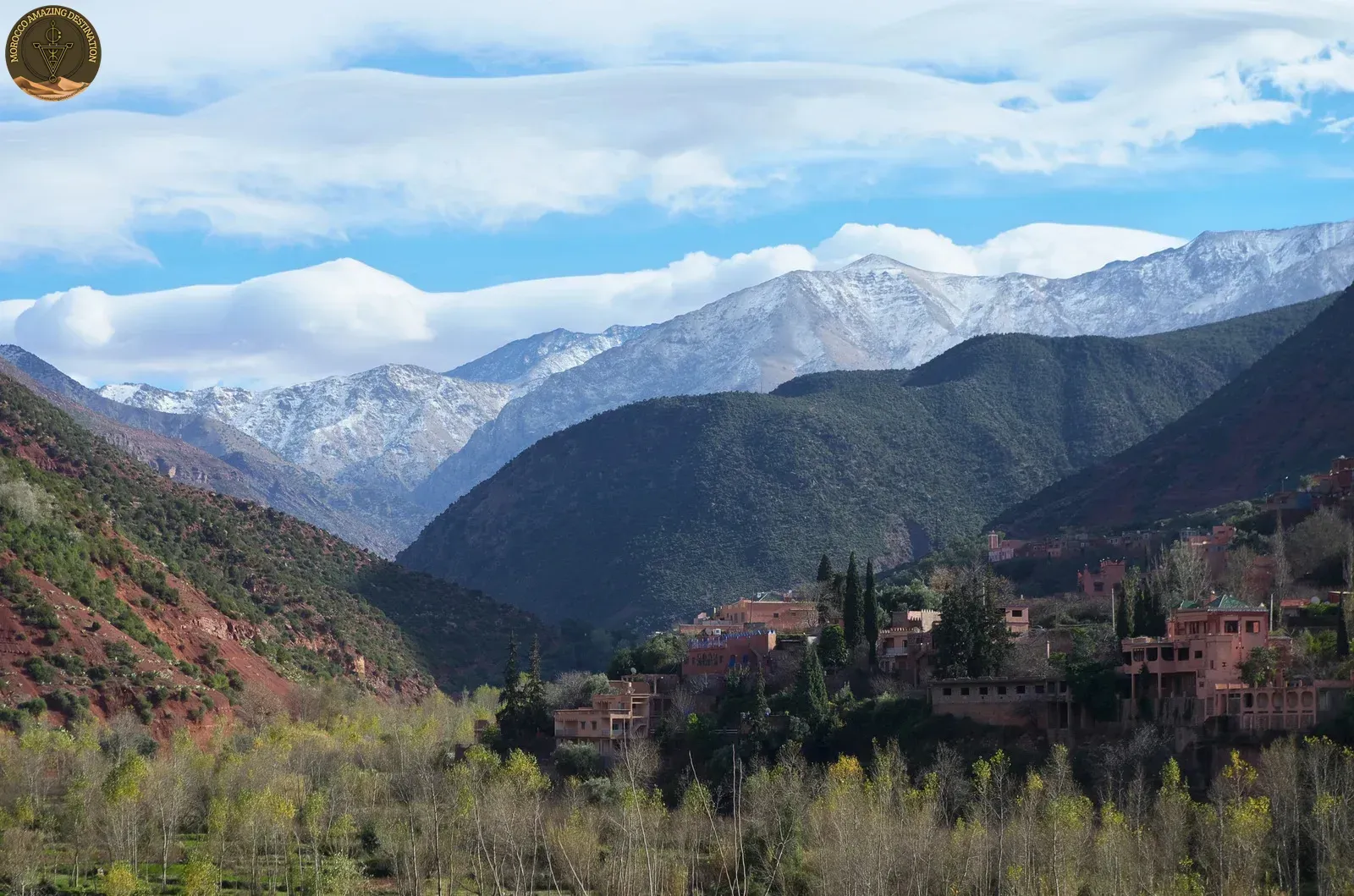
The N9 over Tizi nTichka rises to 2,260 meters, paved but winding with steep drops and tight trucks. The N13 toward Merzouga is also paved yet long and tiring. Tracks near dunes are unpaved and need a 4x4.
- Autoroutes: fast, fenced and tolled, best for hops between Casablanca, Marrakech, Rabat and Tangier.
- National roads: paved but slower, with village crossings and shoulder drops.
- Mountain passes: paved yet technical. Use daylight and avoid blind bends.
Fuel is common on motorways, thinner south of Ouarzazate. Expect petrol around 15.1 to 15.6 MAD and diesel around 16.5 to 16.99 MAD, revised on the 1st and 16th. Keep tank above half before any Atlas or desert leg.
Rules, checkpoints, speed limits and what fines cost
Limits are posted and enforced, with frequent radar at town entrances and on motorways. Treat signage as the final word.
- Speeds: 120 km/h on motorways, 100 or 80 km/h on national roads per signs, 40 to 60 km/h in towns.
- Alcohol: limit 0.02 g per decilitre - treat as zero tolerance. Penalties are strict if you are over.
- Seatbelts and phones: mandatory in all seats. Handheld phone use is banned.
- Driving age: legal at 18, but rental desks usually require 21 to 25 and a licence held for at least two years.
Checkpoints are routine and brief. You will see red HALTE signs, with Gendarmerie outside towns and Police inside. Slow, stop and hand over your original licence, passport and rental pouch. The check usually takes 30 to 60 seconds.
Fines are paid on the spot or at a treasury office by offence. Keep originals, not photos. For rental paperwork and deposits, see our guide to renting a car in Morocco and compare it with our Morocco tour by car guide.
Night driving and city traffic - why Casablanca and Marrakech test every driver
Driving at night in Morocco is where many drivers choose not to. Off the motorway, rural roads go unlit and shoulders can drop. You may meet unlit bicycles, carts or animals with little warning. Dazzle from high beams is common.
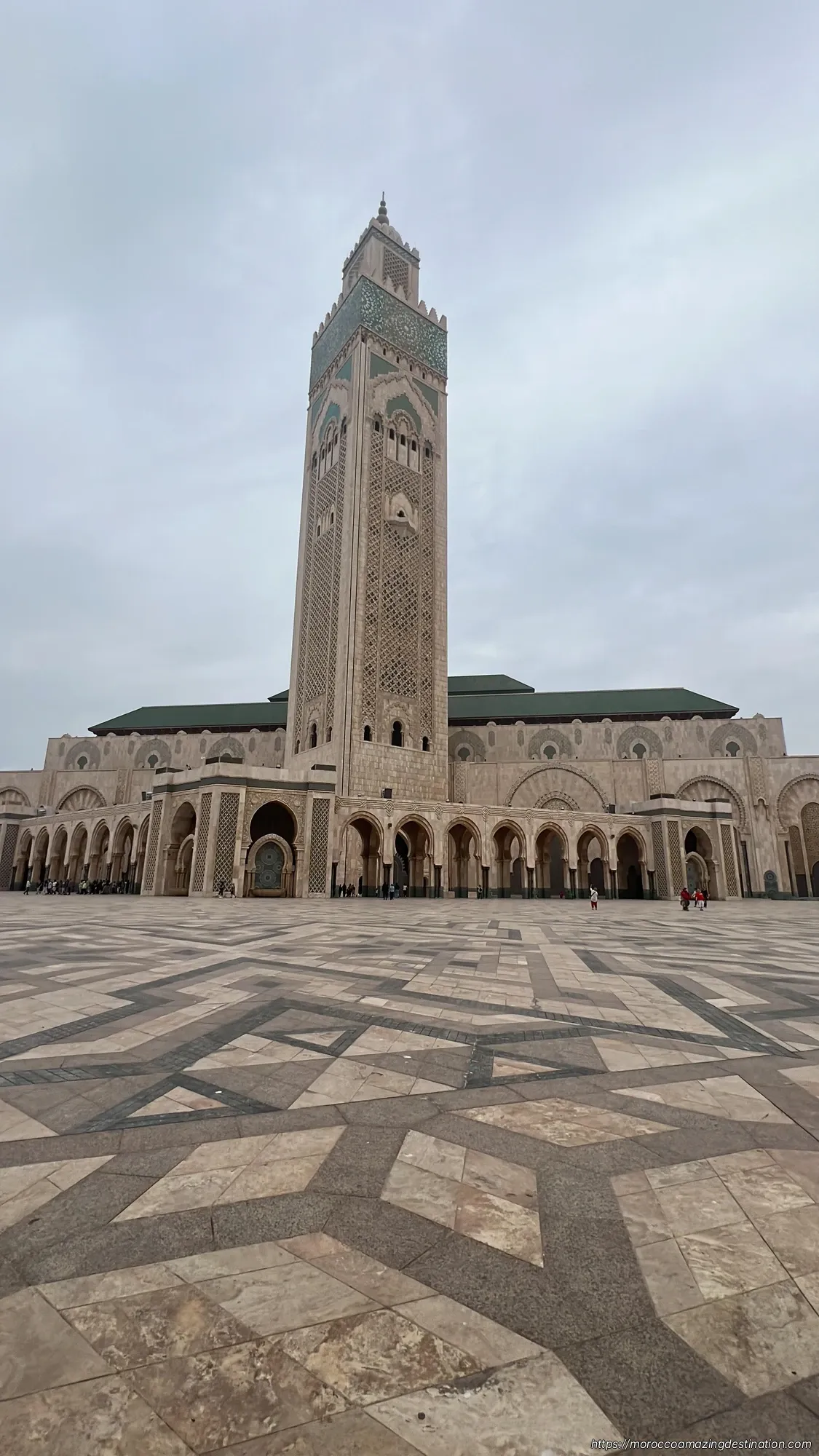
Cities bring a different test. Street names are often unsigned and large roundabouts vary in priority. Some give way to traffic inside, others do not. Around sunset traffic surges, especially before ftour in Ramadan, and medina cores are closed to cars. Use a guarded lot outside the walls and walk in.
- In cities: expect close filtering, sudden stops and inconsistent roundabout behaviour.
- At night: stay on motorways or stop before dark. Keep speed low on unlit stretches.
- Parking: medina lots are guarded and paid. Agree the fee and keep your ticket.
When your plan links Casablanca, Marrakech or Fes with the Atlas or dunes, city plus rural legs build fatigue fast. That is when travellers switch to a driver and get the day back.
Renting a car or bringing your own - ferry from Spain and the private driver alternative
Renting a car in Morocco is straightforward. Local economy cars run about 270 to 550 MAD per day, airport and automatic SUVs often 900 to 1,500 MAD. Automatics are scarce. Deposits sit between 5,000 and 30,000 MAD, and tyres, glass and undercarriage are often excluded.
Bringing your own car means a ferry and paperwork. Tarifa to Tangier Ville is about 60 minutes for small vehicles but wind sensitive. Algeciras to Tangier Med is 90 minutes to 2.5 hours and lands 40 km east of Tangier. You need registration, green card with MA or border insurance, and D16ter import if required.
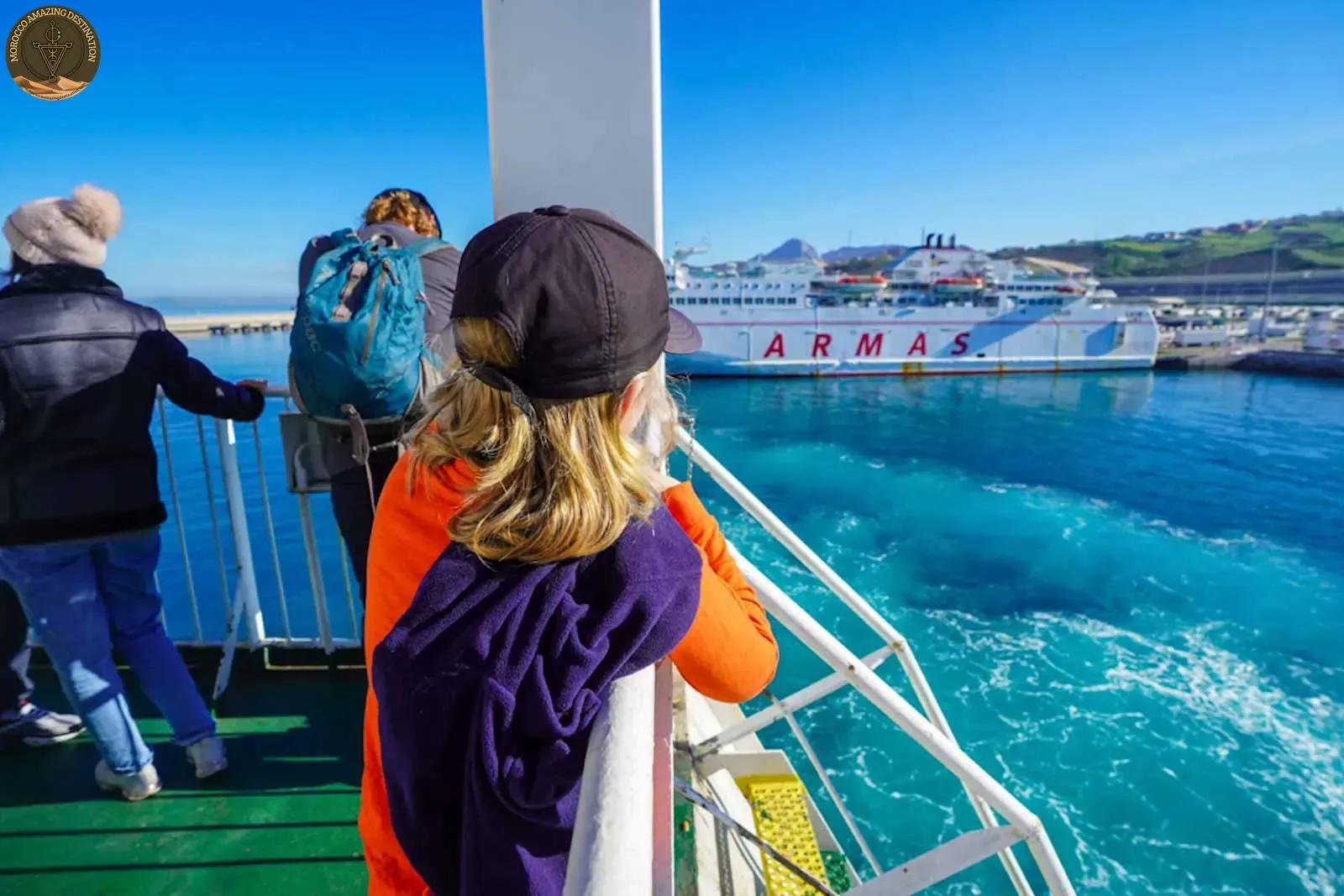
- Rent locally for short coastal or motorway hops if you can handle parking.
- Bring your own for a longer Spain plus Morocco trip with papers in order.
- Choose a private driver for Atlas or desert loops. You keep a private vehicle and skip navigation and parking. See our self-guided tour in Morocco.
Prefer freedom without the workload? The 3-Day Trip from Marrakech to Merzouga crosses the Atlas and dunes with a private driver, while the 4-Day Morocco Desert Tour from Marrakech adds Ait Benhaddou and an extra desert night.
We can customize a tour to match your needs - design your perfect itinerary
If you found this helpful, add us as your preferred source on Google.
Frequently Asked Questions
Is driving in Morocco safe for tourists?
Yes on main routes in daylight. Motorways are modern and fenced, national roads are paved, and checkpoints are routine. Stress rises in big cities, on winding Atlas passes, and after dark on rural roads with unlit carts or animals.
What are the speed limits and drink-drive rules?
Motorways are 120 km/h, national roads 100 or 80 km/h per signage, and towns 40 to 60 km/h. Radar is frequent at town entrances. The alcohol limit is 0.02 g/dl, so treat it as zero, and seatbelts and no handheld phone apply on all seats.
Should I avoid driving at night in Morocco?
Avoid unlit rural roads after dark due to unlit vehicles, poor shoulders and dazzle. A lit motorway at night is manageable, but plan to arrive before sunset when crossing the Atlas or heading to the desert.
Is it better to rent a car or use a private driver in Morocco?
Renting suits short motorway or coastal hops if you are confident and want flexibility. For Atlas, desert and multi-city loops, a private driver with your own vehicle saves navigation, parking and long hours and keeps sightseeing time intact.
Ready for an Adventure?
Have questions? Feel free to contact us using the form below. We're here to help!