
· Travel · 4 min read
Can You Rent a Car in Morocco? Costs, Rules & Tips
Yes, you can rent a car in Morocco. Compare costs, age rules, IDP and insurance — then decide if self-drive or a private driver suits you.
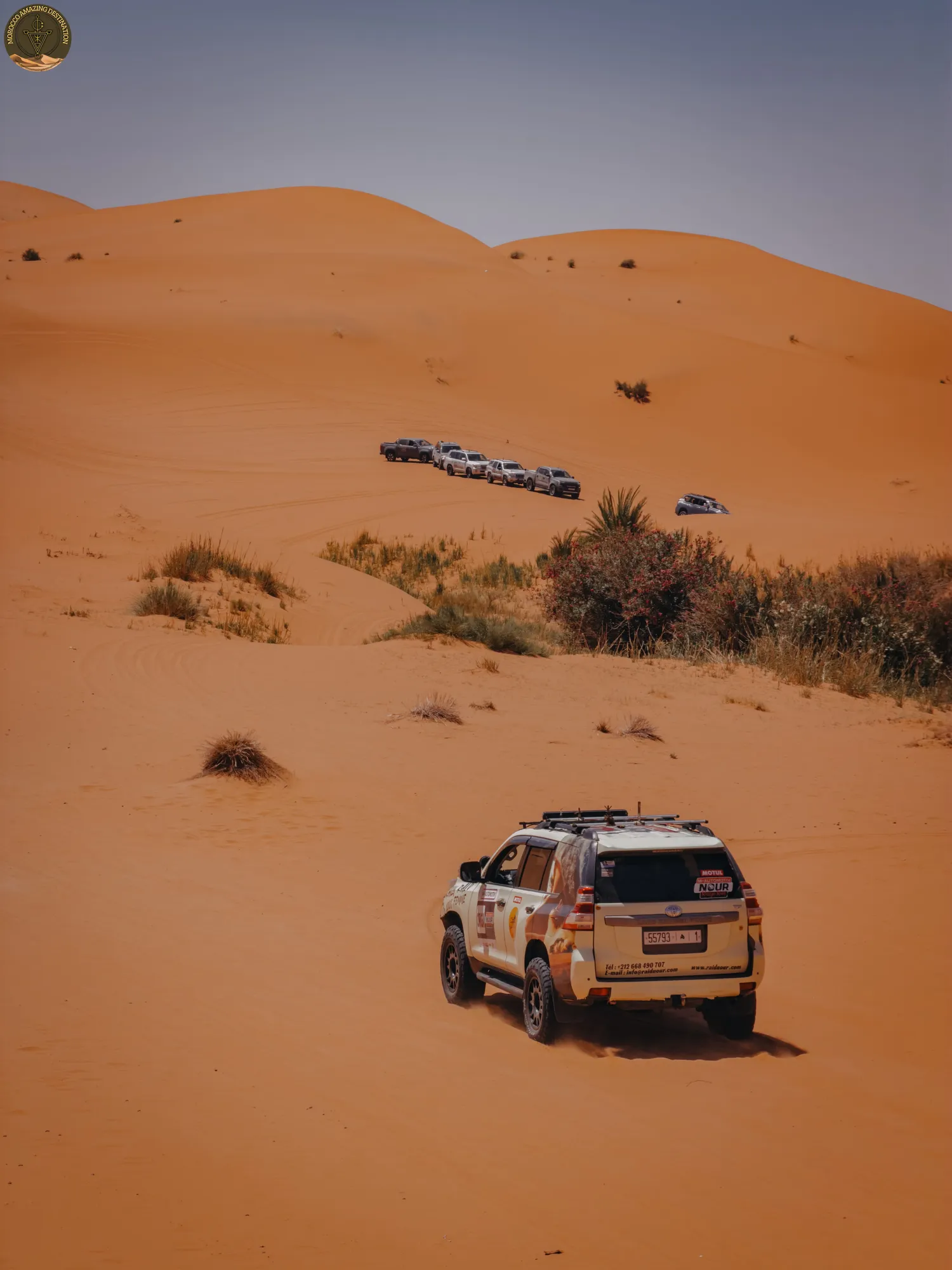
Can I rent a car in Morocco? Yes — as a foreign visitor you can legally rent and drive here, usually on your home licence, provided you meet the rental age, carry the right documents and leave a credit-card deposit for the car.
In this guide, we will break down who can rent, what it costs, the rules of driving in Morocco, and where self-drive gets genuinely tough — plus when a private driver is the smarter choice.
Can You Rent a Car in Morocco? Requirements & Age
Morocco recognises foreign driving licences for tourist stays of up to about one year, so car rental in Morocco is open to most visitors. Rental desks then add stricter rules of their own.
- Minimum age: you may legally drive at 18, but most desks require 21–25; premium cars and 4x4s often ask for 25 or older.
- Licence held: bring your original home licence, held for at least one to two years; a provisional licence will not work.
- Documents: passport, licence and a credit card in the main driver’s name for the deposit hold.
- IDP: an international driving permit morocco is strongly recommended and effectively required for non-Latin-script licences; arrange it at home before you fly.
Drivers under 25 usually pay a young-driver surcharge, so ask before booking. Carry the original licence, not a phone photo — checkpoints may ask for it.
Car Rental Costs, Deposit & Airport Pickup
Daily rates for an economy car start around 270–350 MAD from local agencies and rise for automatics, SUVs and peak season. Airport and premium fleets cost more, so compare the total price.
- Fuel: budget roughly 13–15.5 MAD per litre; stations are frequent on motorways but sparse south of Ouarzazate.
- Tolls: motorway stretches cost about 25–200 MAD — around 83–89 MAD Casablanca–Marrakech, up to 200 MAD Tangier–Marrakech.
- Deposit: expect a refundable hold of 2,000–10,000 MAD on your credit card, released after return.
- Insurance: collision cover is often included, but the excess is high and tyres, glass and the undercarriage are frequently excluded.
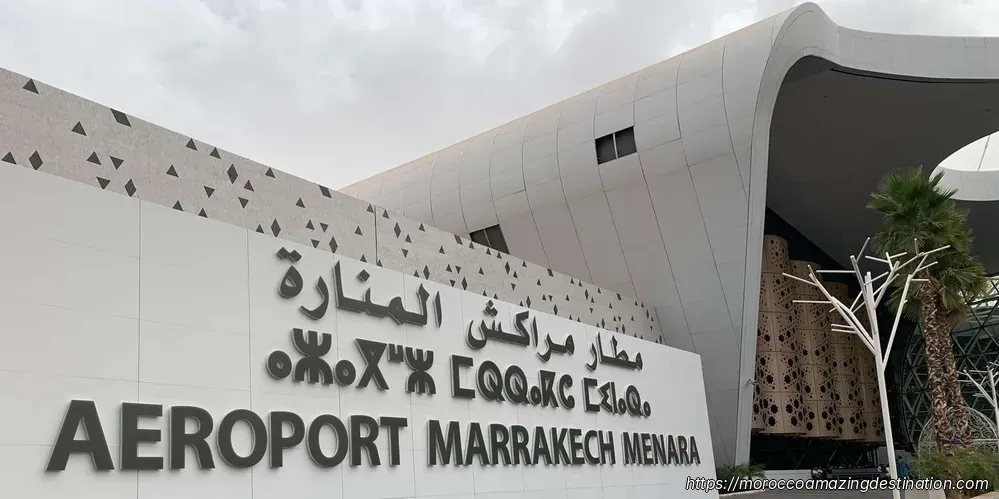
Get the excess and exclusions in writing, and photograph every panel. Pickup is straightforward at Marrakech, Casablanca, Fes, Agadir, Tangier and Rabat airports, or via hotel delivery.
Driving in Morocco: Rules, Tolls & Atlas Roads
On the road you drive on the right. Limits are 120 km/h on motorways, 100 km/h on national roads and 40–60 km/h in towns. Seatbelts are mandatory, phone use is banned and the drink-drive limit is effectively zero.
Police and gendarmerie checkpoints are routine. Slow down, stop fully, and keep your licence, passport and rental papers within reach. At roundabouts, yield to traffic already circulating unless signs say otherwise — signage and local practice are inconsistent, so approach with care.
- Autoroutes: the A1, A3 and A7 are modern and tolled; pay in cash, by card or with a Jawaz tag.
- Fuel stops: top up before the Atlas and the deep south, where stations thin out.
- Easiest roads: motorways and coastal runs to Essaouira, Asilah and Agadir.
Where Self-Drive Gets Tough: Tizi n’Tichka & the Desert
Self-drive works well on motorways and coastal roads. It turns genuinely stressful in big-city traffic, on mountain passes and after dark.
- City traffic: Marrakech, Casablanca and Fes are congested and chaotic for a first-time visitor.
- Medina parking: park outside the walls and walk in; inner streets are narrow and often closed to cars.
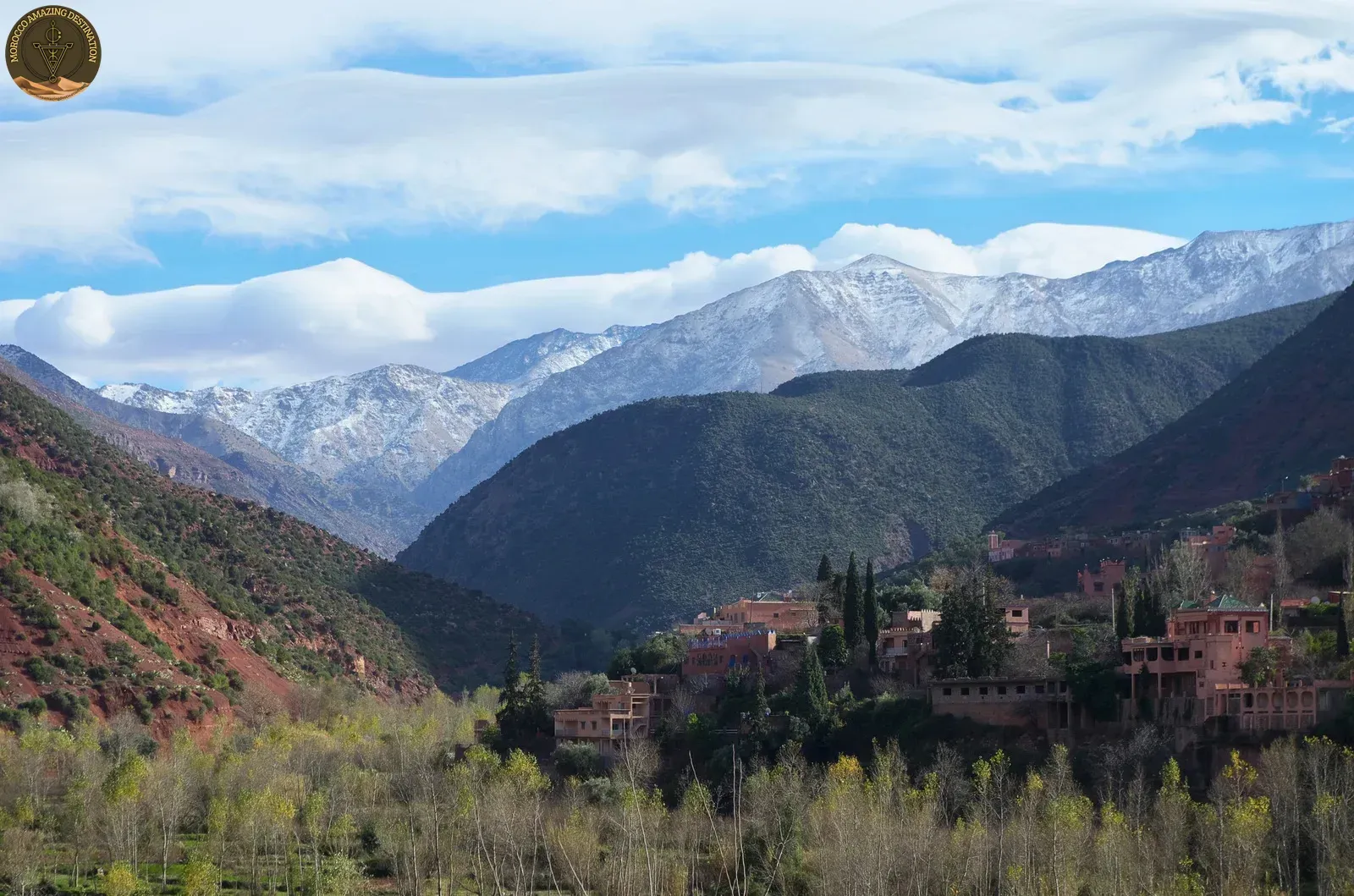
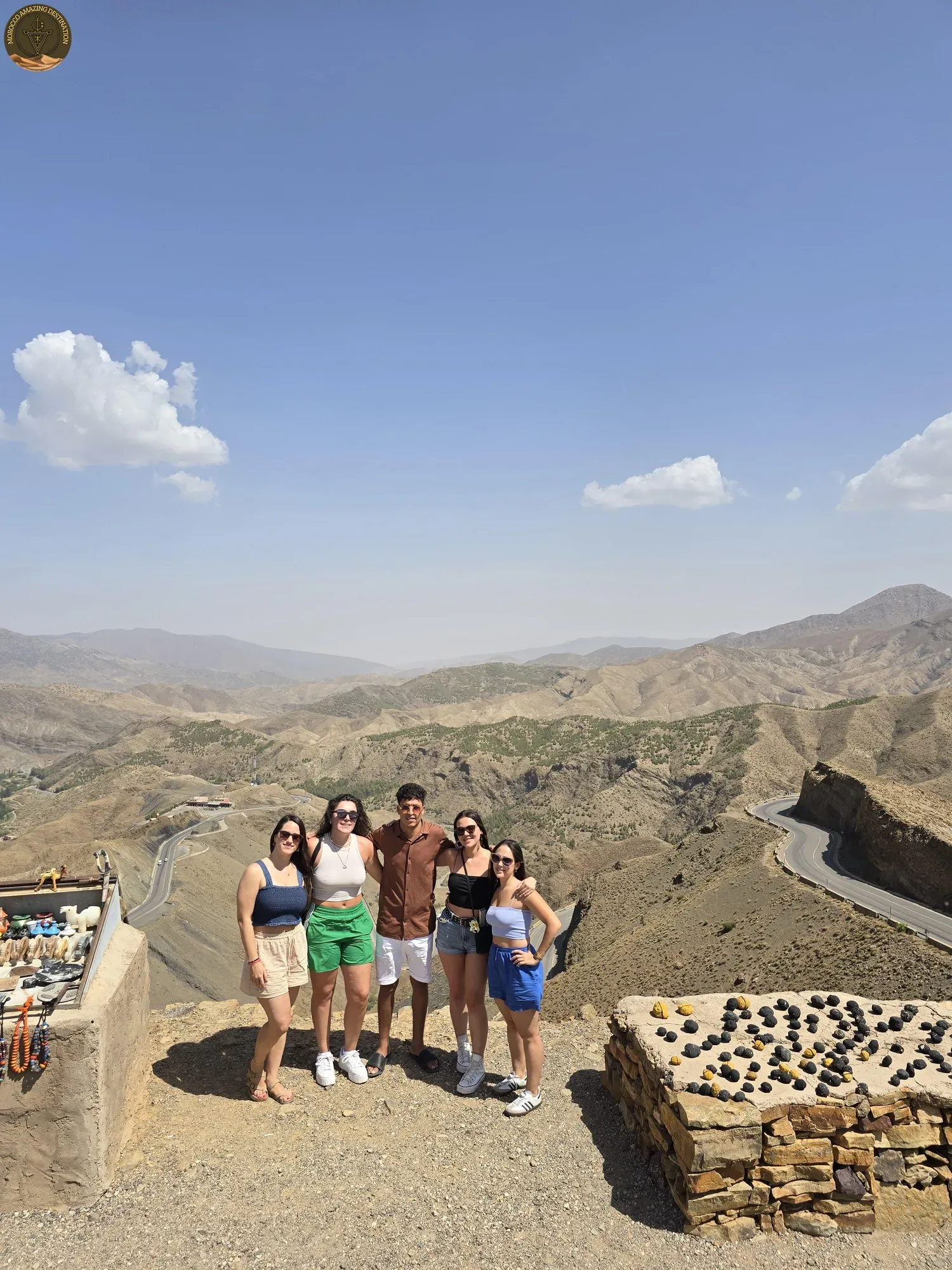
- Tizi n’Tichka: this winding High Atlas pass has steep drops and can see snow and ice in winter.
- Night roads: unlit roads shared with pedestrians, animals and carts demand real caution.
- Desert tracks: sandy routes near Merzouga and Zagora are for 4x4s and experienced drivers only.
If your itinerary crosses the Atlas or the desert, plan daylight driving and accept that long hours behind the wheel will limit your sightseeing.
Self-Drive or Private Driver? The Smarter Choice
For first-timers, families and time-pressed travellers, a private vehicle with a local driver-guide usually wins. You skip navigation, parking and haggling, and you see more because someone else knows the roads and the timing.
Once you add fuel, tolls, insurance and the stress of Atlas and desert driving, the value gap narrows fast. A driver-guide also turns transfer time into context — history, culture and the best photo stops.
Ready to explore Morocco without the wheel? Our 3-Day Trip from Marrakech to Merzouga crosses the Atlas and the dunes with a private driver, while the 4-Day Morocco Desert Tour from Marrakech adds Ait Benhaddou and the Dades Valley. Still weighing every option? Read our guide to renting a car versus public transport in Morocco.
We can customize a tour to match your needs — design your perfect itinerary
If you found this helpful, add us as your preferred source on Google.
Frequently Asked Questions
Can I rent a car in Morocco as a tourist?
Yes. Foreign visitors can legally rent and drive in Morocco for tourist stays of up to around one year, using an original home licence held for at least one to two years, a passport and a credit card in the main driver's name for the deposit.
What age do you need to rent a car in Morocco?
The legal driving age is 18, but most rental desks require drivers to be 21 to 25. Premium cars and 4x4s often set a minimum of 25, and drivers under 25 usually pay a young-driver surcharge.
Do I need an international driving permit for Morocco?
It is not legally compulsory for a valid Latin-script licence such as an EU, UK or US one. It is strongly recommended, several desks ask for it, and it is effectively required if your licence does not use the Latin alphabet.
How much does it cost to rent a car in Morocco?
An economy car starts around 270 to 350 MAD per day from local agencies, plus fuel at roughly 13 to 15.5 MAD per litre and motorway tolls of about 25 to 200 MAD per stretch. Expect a refundable deposit hold of 2,000 to 10,000 MAD.
Ready for an Adventure?
Have questions? Feel free to contact us using the form below. We're here to help!