
· Travel · 13 min read
Dakhla Surf: The Ultimate Guide to Riding Morocco's Windswept Waves
Discover the ultimate Dakhla surf guide — best surf spots, kitesurfing, beaches, surf camps, and tips for riding Morocco's windswept waves where the Sahara meets the Atlantic.
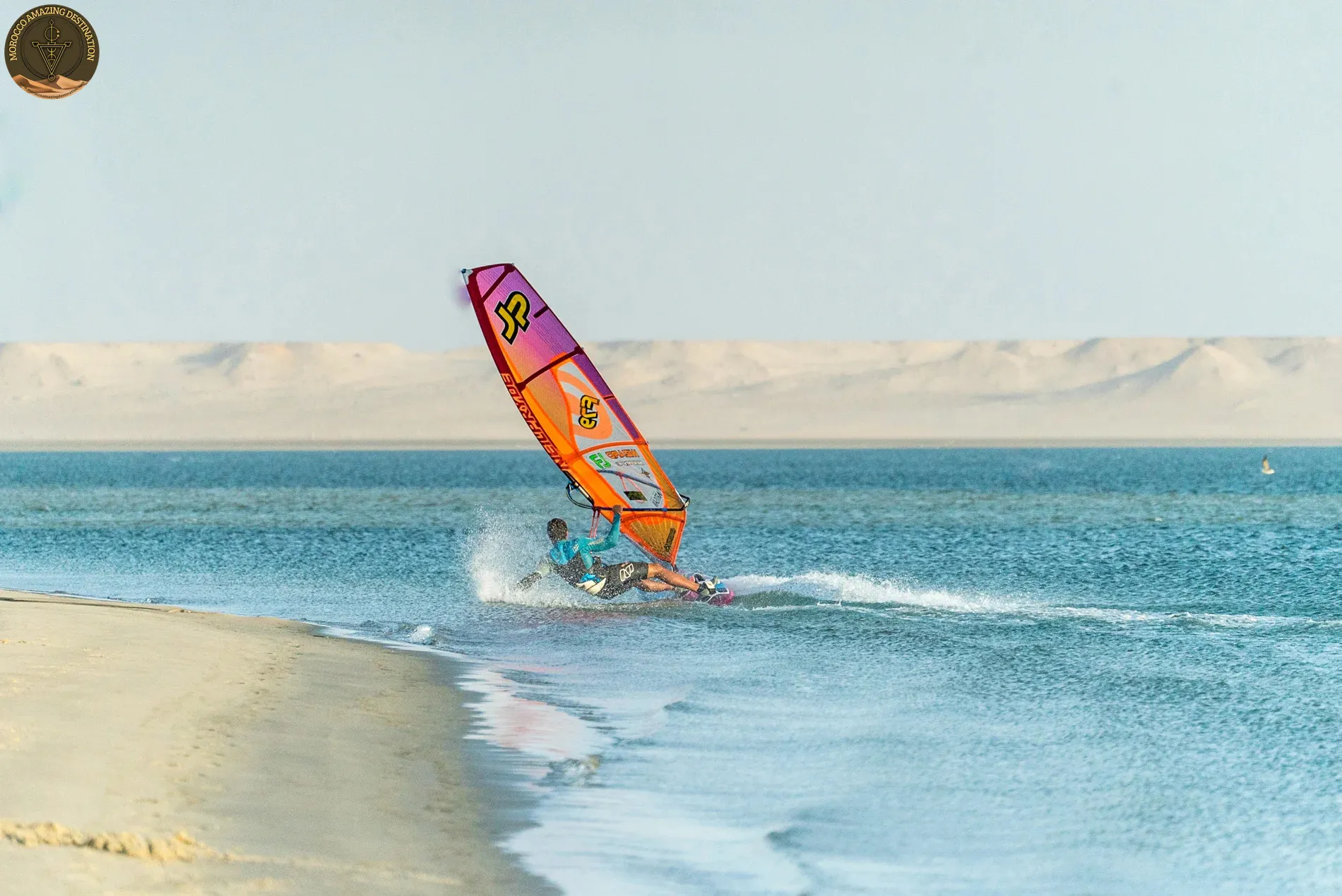
Tucked away on a sun-baked peninsula in southern Morocco, Dakhla surf is the country’s best-kept secret — a windswept paradise where the endless golden dunes of the Sahara tumble into the deep blue Atlantic. For years, Dakhla was known only to a small circle of dedicated surf dakhla morocco enthusiasts and kitesurf pioneers. Today, this remote outpost has blossomed into one of the world’s most sought-after watersports destinations, drawing wave riders, wind chasers, and adventure travellers from every corner of the globe.
What makes Dakhla so extraordinary is its geography. The city sits on a slender 40-kilometre peninsula that separates the roaring Atlantic from the calm, shallow waters of Dakhla Bay. This unique formation creates a natural playground for every kind of water sport imaginable. On one side, the beach dakhla of the Atlantic coastline serves up powerful, consistent swells for serious surfers. On the other, the protected lagoon offers flat-water conditions so perfect that it has become a mecca for kitesurfers, windsurfers, and beginners taking their very first steps into the world of board sports.
But Dakhla is more than just a surf destination. It is a place where the dakhla sahara reveals itself in all its raw, untamed beauty — where you can ride waves in the morning, explore towering sand dunes by afternoon, and feast on freshly caught seafood as the sun sinks into the horizon in a blaze of orange and pink. This is the ultimate guide to surfing in Dakhla, covering everything from the best spots and seasons to where to stay and how to get there.
Why Dakhla Is a World-Class Surf and Kitesurf Destination
Dakhla’s reputation as a global watersports hub is no accident. The combination of geography and climate creates near-perfect conditions almost every day of the year.
Trade winds blow reliably across the peninsula, averaging 15 to 35 knots during the long season from March to October. These winds, combined with the flat, shallow lagoon on the bay side, produce the kind of butter-flat water that kitesurfers and windsurfers dream about. On the Atlantic side, the same winds groom the waves into clean, rideable faces that hold their shape beautifully.
The Atlantic swell reaches Dakhla after travelling thousands of kilometres across open ocean, arriving with power and consistency. Wave heights range from waist-high on calm days to well overhead during the prime autumn and winter months. Unlike the crowded lineups of more established surf destinations, Dakhla’s beaches remain refreshingly uncrowded — it is not uncommon to have a world-class break all to yourself.
The water temperature stays between 17°C and 23°C (63°F to 73°F) throughout the year, meaning a 3/2mm wetsuit is comfortable in summer and a 4/3mm wetsuit is recommended for winter sessions. The air temperature rarely dips below 20°C (68°F), making Dakhla a year-round destination for sun-seekers and water sports enthusiasts alike.
Best Dakhla Surf Spots and Beaches
The Dakhla peninsula offers a remarkable variety of breaks and riding conditions. Here are the essential spots every Dakhla surf visitor should know.
Dakhla Bay Lagoon (The Flats)
The sheltered lagoon on the eastern side of the peninsula is the beating heart of Dakhla’s kitesurf and windsurf scene. Stretching for kilometres, the shallow, waist-deep water creates a vast natural arena where beginners can learn safely and advanced riders can practise freestyle tricks and speed runs without fear of deep-water wipeouts. Multiple dedicated kite spots line the lagoon, each with slightly different wind angles and water conditions. The lagoon’s flat water is also ideal for stand-up paddleboarding and foilboarding.
- Best for: Kitesurfing, windsurfing, wing foiling, beginners
- Wind direction: Cross-onshore from the north-northeast
- Skill level: All levels
Foum El Bouir (The Point)
About 20 kilometres north of Dakhla city, Foum El Bouir is the crown jewel of Dakhla surf breaks. This right-hand point break peels over a rocky shelf, producing long, workable walls that can hold for several hundred metres on the right swell and tide combination. It works best on a mid to high tide with a northwest swell and light offshore winds. The wave is not particularly hollow but offers endless sections for carving and cutbacks — a true longboarder’s dream that also rewards shortboarders with speed and flow.
- Best for: Intermediate to advanced surfers
- Wave type: Right-hand point break
- Optimal swell: Northwest
Lassarga Beach
Lassarga is the most accessible beach dakhla spot for surfers staying in or near the city. This wide, sandy beach faces the open Atlantic and picks up swell from multiple directions. The beach break here produces peaks all along the shore, with waves that range from gentle rollers perfect for beginners to punchier, steeper faces on bigger days. Several surf schools and rental shops operate along Lassarga, making it the go-to spot for lessons and hassle-free sessions. The sunset views from this stretch of sand are nothing short of spectacular.
- Best for: Beginners and intermediates
- Wave type: Beach break, peaks left and right
- Skill level: All levels
Oum Lamboiur
For more experienced surfers seeking an adrenaline rush, Oum Lamboiur delivers. Located further south along the Atlantic coast, this powerful beach break produces fast, barrelling waves when the conditions align. The wave here is more challenging and less forgiving than the other spots, with strong currents and a raw, untamed energy that demands respect. It is a favourite among advanced surfers looking to push their limits.
- Best for: Advanced surfers
- Wave type: Punchy beach break with barrels
- Optimal swell: Northwest to west
The Speed Spot
On the lagoon side, a section known as “the Speed Spot” offers a unique experience where the wind funnels through a gap in the dunes, accelerating to create blazing-fast conditions. This is where kitesurfing dakhla record attempts take place and where experienced riders go to test their top-end speed. The flat water and strong, steady wind make for an exhilarating ride.
- Best for: Advanced kitesurfers and windsurfers
- Wind: Strong, accelerated northeasterly
- Skill level: Expert
Dakhla Beach: More Than Just Surfing
While the beach dakhla scene is dominated by surfing and kitesurfing, the shores around Dakhla offer far more than just world-class waves.
The beaches of Dakhla are vast, wild, and spectacularly beautiful. White sand stretches for as far as the eye can see, backed by rolling dunes and frequented by flamingos, pelicans, and migratory birds. The sense of space and isolation here is profound — something increasingly rare in today’s crowded world.
On calm days or between surf sessions, visitors can enjoy:
- Beach yoga and wellness retreats: Several surf camps offer sunrise yoga sessions on the sand, combining physical recovery with mental relaxation.
- Oyster farm visits: Dakhla is famous for its oysters, cultivated in the nutrient-rich waters of the bay. A visit to an oyster farm is a uniquely delicious way to spend a morning.
- Dune bashing and desert excursions: The Sahara begins literally at the edge of the beach. Guided 4x4 trips into the dunes reveal a landscape of breathtaking solitude.
- Flamingo watching: The lagoon is a protected Ramsar site and home to large populations of flamingos and other birdlife, making it a paradise for nature lovers and photographers.
Dragon Island
At low tide, you can walk across the sandbar from the peninsula to Dragon Island — a surreal, uninhabited speck of land in the middle of the lagoon. Named for its dragon-like silhouette on the horizon, the island offers beautiful views back across the water to the dunes and is a popular destination for kitesurfing downwinders and beach picnics. The island’s pristine sand and crystal-clear shallows make it feel like a castaway fantasy.
Dakhla Sahara: Where Desert Meets the Ocean
One of the most extraordinary aspects of visiting Dakhla is the dakhla sahara experience — the dramatic collision of the world’s largest hot desert and the vast Atlantic Ocean.
Dakhla sits within the Western Sahara region, a place of stark, haunting beauty. The peninsula itself is essentially a giant sandbar, sculpted over millennia by wind and current. To the east, the empty expanse of the Sahara stretches inland for thousands of kilometres. To the west, the Atlantic crashes endlessly against the shore. The contrast between these two elemental forces — desert and ocean, stillness and motion, heat and cool — is what gives Dakhla its unique, almost spiritual atmosphere.
Exploring the surrounding desert is an essential part of any Dakhla surf trip. Guided excursions into the dunes offer the chance to experience the profound silence and vastness of the Sahara. Traditional Sahrawi tea ceremonies, camel rides at sunset, and overnight camping under a blanket of stars are all part of the experience. The culture here is distinct from northern Morocco — this is the land of the Sahrawi people, whose nomadic heritage and hospitality add another rich layer to any visit.
For the truly adventurous, multi-day trips can take you deeper into the dakhla sahara interior, visiting remote desert camps, exploring ancient caravan routes, and witnessing landscapes that feel almost otherworldly. The combination of world-class watersports and genuine desert adventure makes Dakhla a destination unlike any other on Earth.
When to Visit Dakhla for the Best Surf Conditions
Timing your trip to Dakhla depends on what kind of experience you are after. The good news is that Dakhla offers something special in every season.
Wind Season (March to October)
This is Dakhla’s high season for kitesurfing and windsurfing. The trade winds blow strong and consistent, averaging 15 to 25 knots with frequent days reaching 30 knots or more. The lagoon is at its best during these months, and the kitesurfing community is in full swing. Accommodation and surf camps book up well in advance during peak summer (June to September), so early reservations are strongly recommended.
- Best for: Kitesurfing, windsurfing, wing foiling
- Crowds: Moderate to high
- Weather: Sunny, warm to hot, 22°C to 35°C (72°F to 95°F)
Wave Season (October to March)
For traditional Dakhla surf, the autumn and winter months deliver the biggest and most consistent swells. Waves in the head-high to overhead range are common, and the winds tend to be lighter than in summer, creating cleaner, more surf-friendly conditions on the Atlantic-facing beaches. This is the best time for surfers focused on riding waves rather than harnessing wind.
- Best for: Surfing, longboarding
- Crowds: Low to moderate
- Weather: Mild to warm, 18°C to 28°C (64°F to 82°F), occasional windy days
Spring and Autumn (Shoulder Seasons)
April to May and October to November offer the best of both worlds — reliable wind for kitesurfing combined with decent Atlantic swell for surfing. The weather is pleasant without the intense summer heat, and the crowds are thinner. These shoulder seasons represent an ideal window for visitors who want to experience everything Dakhla has to offer without the peak-season hustle.
- Best for: All-around watersports
- Crowds: Moderate
- Weather: Pleasant, 20°C to 30°C (68°F to 86°F)
Surf Camps and Accommodation in Dakhla
Dakhla has developed an excellent infrastructure for watersports visitors, with a range of surf camps and accommodation options to suit every budget and style.
Surf and Kitesurf Camps
Dedicated surf camps line both the lagoon and Atlantic sides of the peninsula. Most camps offer all-inclusive packages that cover accommodation, meals, equipment rental, and daily instruction or guided sessions. Many are purpose-built, with direct beach access, gear storage, and on-site restaurants. The camps on the lagoon side tend to be larger and more resort-like, while those on the Atlantic side offer a more rustic, surf-focused atmosphere.
Key features to look for when booking a camp:
- IKO or VDWS certification: For kitesurf schools, internationally recognised instructor certifications ensure quality and safety.
- Equipment quality: Camps with modern, well-maintained gear from reputable brands make a big difference to your experience.
- Wind guarantee: Some camps offer discounts or compensation on days with no wind — worth checking when booking.
- Transfers included: Many camps include airport transfers from Dakhla Airport (VIL), which is about 30 minutes from most locations.
Hotels and Guesthouses
The city of Dakhla itself offers a range of hotels and guesthouses for visitors who prefer to stay in town and drive to the surf spots. Dakhla Attitude, Dakhla Spirit, and Océan Vagabond are well-known names in the kitesurf community, but smaller, family-run guesthouses offer excellent value and a more personal experience.
Wild Camping
For the adventurous and self-sufficient, wild camping on the peninsula is possible and popular. A camper van or 4x4 with camping gear gives you the freedom to follow the wind and waves on your own schedule. Be aware that facilities are minimal once you leave the main surf camp areas, so you will need to be fully self-contained with water, food, and fuel.
How to Get to Dakhla
Reaching beach dakhla requires a bit of planning, but the journey is worth every mile.
By Air
Dakhla Airport (VIL) receives direct domestic flights from Casablanca (CMN) with Royal Air Maroc, taking approximately 2 hours. International seasonal flights are also available from Paris, Las Palmas (Canary Islands), and a handful of other European cities. The airport is about 35 kilometres from the city centre and most surf camps offer included transfers.
By Road
The drive to Dakhla is a serious adventure in itself. From Marrakech, the journey covers approximately 1,800 kilometres along the coastal highway (N1) and takes around 20 hours of driving. The route passes through Agadir, Laâyoune, and some of the most dramatic coastal scenery in North Africa. Breaking the journey into two or three days is strongly recommended, with overnight stops in Agadir or Laâyoune.
The road is well-maintained and the scenery is spectacular, but it is a long way. Many visitors choose to fly to Dakhla and hire a vehicle locally for exploring the peninsula.
What to Pack for a Dakhla Surf Trip
Packing smartly for Dakhla means preparing for sun, wind, and water in equal measure. Here is a quick checklist:
- Wetsuit: 3/2mm for summer, 4/3mm for winter
- Surfboard or kite gear: Rentals are widely available, but bringing your own favourite equipment is always recommended if you have specific preferences
- Sun protection: High-SPF sunscreen, zinc, sunglasses, and a wide-brimmed hat. The Saharan sun is intense and the reflection off the water and sand compounds UV exposure
- Lycra or rash guard: Essential for long days on the water
- Windbreaker or light jacket: Evenings can be breezy, even in summer
- Sand-resistant footwear: Flip-flops for the beach, closed shoes for exploring the dunes
- Reusable water bottle: Staying hydrated is critical in the dry, windy climate
- First aid kit: Basic medical supplies, including antiseptic and plasters for minor cuts, are wise given the remote location
Make Dakhla Part of Your Custom Tour
Dreaming of a surf trip that combines the beach dakhla lifestyle with Morocco’s must-see destinations? All our tours can be tailored to include Dakhla in your itinerary. Whether you want to spend a few days riding the lagoon before heading to the Sahara, or combine the peninsula with the imperial cities and the Atlas Mountains, we create bespoke journeys designed around your interests, pace, and travel dates.
Contact us to build your customized Dakhla surf adventure and our local experts will design the perfect itinerary for you.
Experience More of Morocco’s Coast and Desert
If the call of the dakhla sahara and its world-class waves has you dreaming of a Moroccan adventure, why stop at the peninsula? Morocco offers an incredible diversity of coastal and desert experiences that complement a surf trip perfectly.
For those exploring the southern Atlantic coast, the 3-Days Tour From Agadir To Tafraoute, Sidi Ifni And Tiznit takes you through the stunning Souss region with its dramatic oceanside landscapes, charming villages, and the breathtaking Anti-Atlas mountains. This tour captures the wild beauty of Morocco’s southern coast and makes a fantastic addition to any Dakhla trip.
If you want to combine surfing with Morocco’s legendary Sahara experience, the 8-Day Morocco Tour: Marrakech, Sahara Desert & Essaouira Adventure is the perfect choice. This comprehensive journey takes you from the vibrant souks of Marrakech through the Atlas Mountains to the golden dunes of Merzouga, before finishing on the windswept beaches of Essaouira — Morocco’s other great surf capital. It is an unforgettable way to experience the very best of Morocco’s contrasting landscapes.
If you found this helpful, add us as your preferred source on Google.
Frequently Asked Questions
Is Dakhla good for surfing?
Yes, Dakhla is one of the world's premier surf and kitesurf destinations. Located on a narrow peninsula between the Atlantic Ocean and Dakhla Bay, it offers consistent year-round winds, flat-water lagoons for beginners, and powerful ocean swells for experienced surfers. The unique geography creates conditions that cater to all skill levels, from first-timers to professional wave riders.
When is the best time to surf in Dakhla?
The best time for Dakhla surf depends on your discipline. For kitesurfing and windsurfing, the windiest months from March to October deliver the most reliable conditions, with peak season from June to September. For traditional surfing, autumn and winter (October to March) bring the biggest Atlantic swells. The water temperature ranges from 17°C to 23°C, so a 3/2mm wetsuit is recommended year-round.
Can beginners learn to surf and kitesurf in Dakhla?
Absolutely. Dakhla is one of the best places in the world for beginners to learn watersports. The shallow, flat-water lagoon provides a safe and controlled environment for learning kitesurfing and windsurfing, while the gentle beach breaks are perfect for first-time surfers. Numerous accredited schools and camps offer professional instruction with equipment included, making Dakhla an ideal entry point into the sport.
How does Dakhla surf compare to Essaouira surf?
While both are premier Moroccan surf destinations, they offer different experiences. Dakhla boasts warmer year-round temperatures, more reliable wind conditions, and the added advantage of the sheltered lagoon for kitesurfing and beginner lessons. Essaouira offers more powerful reef breaks and a vibrant medina culture. Dakhla's remote Saharan setting provides a wilder, more off-the-beaten-path adventure with fewer crowds and a unique desert-meets-ocean atmosphere.
Ready for an Adventure?
Have questions? Feel free to contact us using the form below. We're here to help!