
· Travel · 10 min read
Chefchaouen Activities: The Ultimate Guide to Things to Do in Morocco's Blue City
Discover the best Chefchaouen activities: explore the blue medina, hike to the Spanish Mosque, visit Akchour Falls in Morocco's Blue City.
Tucked into the folds of the Rif Mountains in northern Morocco, Chefchaouen is unlike anywhere else on earth. Its entire medina — every wall, doorway, staircase, and alley — is painted in shades of blue, from pale sky to deep cobalt. This dreamlike landscape draws travelers from across the globe, but there is far more to this mountain town than its photogenic streets. Whether you are an adventurer, a culture lover, or simply looking for a peaceful escape, the range of Chefchaouen activities on offer makes it one of Morocco’s most rewarding destinations. This guide covers everything you need to know about the best things to do in Chefchaouen, from iconic landmarks to hidden local experiences.
Explore the Blue Medina
The Chefchaouen blue city medina is the heart and soul of the town, and wandering its narrow, winding alleys is the single best thing to do in Chefchaouen. Unlike the sprawling medinas of Marrakech and Fes, Chefchaouen’s old quarter is compact, safe, and endlessly walkable. Getting lost here is not a frustration — it is the entire point.
Start your exploration at Plaza Uta el Hammam, the town’s main square and social hub. Shaded by mulberry trees and framed by the Grand Mosque’s distinctive octagonal minaret and the walls of the Kasbah, this is where locals and visitors gather throughout the day. Grab a mint tea at one of the rooftop cafés and soak in the atmosphere before diving into the blue alleys.
From the plaza, let your curiosity guide you. Every corner reveals a new shade of blue and a new photo opportunity. Some of the most photogenic spots include Callejon El Asri, a staircase draped in flowerpots and colorful textiles, and the steep residential lanes climbing toward the upper medina. For the best photographs, explore early in the morning — before the day trippers arrive — when the light is soft and the streets are blissfully quiet.
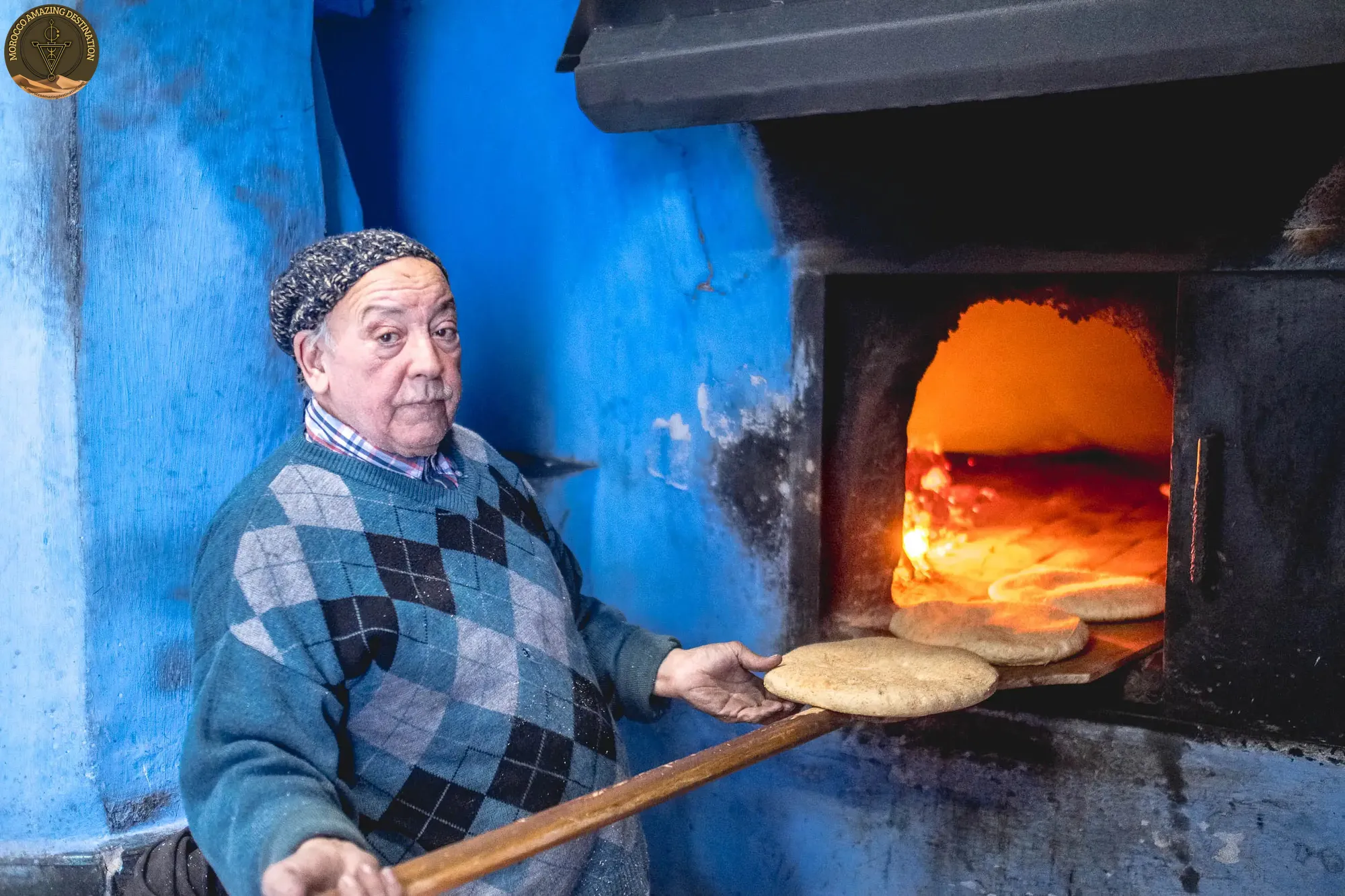
Place El Haouta, a small square with an ornate fountain, makes a lovely rest stop during your medina stroll. Nearby, you will find tiny bakeries where locals bring their dough to be baked in wood-fired communal ovens, and shops selling everything from handwoven blankets to local goat cheese.
Must-Visit Landmarks
The Kasbah Museum
Standing at the edge of Plaza Uta el Hammam, the 15th-century Kasbah is one of the oldest structures in Chefchaouen. Its Andalusian-style garden courtyard offers a peaceful retreat from the medina’s bustle, with citrus trees, fountains, and shaded corners. Inside, the ethnographic museum displays traditional Rif clothing, pottery, historical photographs, and musical instruments. Climb the tower for panoramic views over the blue rooftops and the surrounding mountains — a perspective that puts the what to do in Chefchaouen checklist into perfect focus.
The Grand Mosque of Chefchaouen
The Grand Mosque dominates Plaza Uta el Hammam with its unusual octagonal minaret, a distinctive architectural feature inspired by Andalusian design. Built in the 15th century, the mosque stands out from the rest of the blue medina with its white and earthen brown exterior. While non-Muslims cannot enter, the building is striking from the outside, particularly when framed by the plaza’s shady trees and café terraces.
Ras El Ma Waterfall
Just a short walk from the medina’s eastern edge, Ras El Ma is where fresh mountain water cascades down from the Rif Mountains. This small but picturesque waterfall has served as the town’s water source for centuries, and you will often see local women washing wool and blankets here in the traditional way. Cool mountain water, the sound of the cascade, and views of the green hillside make it a tranquil spot to pause and watch daily life unfold. Several cafés nearby serve mint tea with a view.
Hiking and Nature Adventures
Spanish Mosque Sunset Hike
No list of Chefchaouen activities would be complete without the classic sunset hike to the Spanish Mosque, known locally as the Bouzaafar Mosque. The trail starts near Ras El Ma, crossing the bridge over Oued Ras El Maa before climbing gently uphill. The walk takes about twenty-five to forty minutes, depending on your pace.
The mosque itself is modest — it was never completed during the Spanish occupation — but the panoramic view from the hilltop is nothing short of breathtaking. The entire blue medina spreads below you like a painter’s palette, nestled into the valley between the peaks of Jebel el-Kelaa and Jebel Meggou. At sunset, the mountains turn golden while the medina glows in deepening shades of blue and purple.
Arrive thirty to forty-five minutes before sunset to secure a good spot, as the viewpoint gets busy. Bring a jacket — it cools down quickly at elevation — and a flashlight for the walk back down.
Akchour Waterfalls Day Trip
Located roughly thirty kilometers from town, the Akchour Waterfalls are one of the most spectacular natural sites in northern Morocco. The trailhead is reached by a forty-five-minute grand taxi ride from Chefchaouen, and the hike winds through the stunning Talassemtane National Park, following a dramatic gorge with turquoise pools along the way.
There are two main routes from the Akchour trailhead. The shorter trail leads to the small waterfall — a series of cascades and pools perfect for swimming — in about thirty minutes. The longer and more rewarding trail takes you to the Grand Cascade, a waterfall that plunges into a pool surrounded by lush vegetation. The trail passes through fragrant pine and cedar forests with breathtaking Rif Mountain scenery throughout.
For those seeking a different natural wonder, a separate path leads to God’s Bridge (Pont de Dieu), a natural stone arch carved by the river over millennia. It is about an hour’s walk one way and well worth the effort.
A local guide is recommended for longer treks into Talassemtane National Park. The park’s higher reaches are home to the rare Moroccan fir, golden eagles, and black-shouldered kites — a paradise for birdwatchers and nature enthusiasts alike.
Jebel el-Kelaä Mountain Trek
For experienced hikers looking to go beyond the typical Chefchaouen hiking trails, the trek to Jebel el-Kelaä offers an exhilarating challenge. At one thousand six hundred and sixteen meters, it is one of the highest peaks near the city. The full-day hike rewards you with sweeping views of the Rif range and, on clear days, glimpses of the Mediterranean Sea to the north. A local guide is essential for this route, as the trails are not well marked.
Cultural Experiences
Traditional Moroccan Hammam
After a day of exploring blue alleys and mountain trails, nothing beats a traditional Moroccan hammam. Chefchaouen offers both no-frills public bathhouses — where you can scrub, steam, and soak alongside locals for a genuinely authentic experience — and private hammam sessions at riads and boutique hotels for a more indulgent experience.
A typical hammam ritual involves steaming in a heated room, a vigorous exfoliation with a kessa glove, a mineral-rich ghassoul clay mask, and an aromatic oil massage. You will emerge squeaky clean, deeply relaxed, and ready for another day of adventure. This is one of the most rejuvenating Chefchaouen activities you can add to your itinerary.
Moroccan Cooking Class
Chefchaouen is an excellent place to learn the secrets of Moroccan cuisine. Several local families and guesthouses offer half-day cooking workshops that begin with a visit to the bustling Monday and Thursday market to select fresh ingredients — vegetables, spices, herbs, and meats. Then, under the guidance of a local cook, you will prepare a traditional four-course meal in a family kitchen or rooftop setting.
Dishes you might learn include zaalouk (a smoky eggplant and tomato dip), seasonal tagines, couscous, and Moroccan pastries such as chebakia (honey-coated sesame cookies) and briouats (savory or sweet stuffed pastries). The workshop ends with the best part: sitting down to enjoy the meal you created, often with panoramic views over the blue medina.
Artisan Workshops
Chefchaouen’s artistic spirit extends beyond its blue walls. A growing number of artisans offer hands-on workshops where you can learn traditional crafts. Options include calligraphy classes on a sunny terrace, zouak wood painting — a centuries-old Moroccan decorative art — and weaving sessions on traditional looms with local artisans. These workshops provide a meaningful way to connect with the culture and walk away with something you made yourself.
Shopping in the Souks
Shopping in Chefchaouen feels relaxed compared to Morocco’s larger cities. The medina’s shops specialize in handicrafts from the Rif region, and shopkeepers tend to be friendly and low-pressure.
The signature purchase in Chefchaouen is a handwoven wool blanket in the distinctive blue, white, and red Rif patterns. These thick, warm blankets are made on traditional looms and are both practical and beautiful. Beyond blankets, look for leather goods, blue-and-white ceramics, woven baskets, and the region’s soft goat cheese (jben).
The twice-weekly market, held on Mondays and Thursdays just outside the medina walls, is where the town comes alive with local color. Mountain women in their distinctive chichia hats — made of reeds and decorated with colorful pompoms — sell fresh produce, cheeses, and handicrafts. It is one of the most authentic things to do in Chefchaouen for those who want to experience daily life beyond the tourist trail. As always in Morocco, haggling is expected, but the negotiations here are notably friendlier than in the big cities.
Practical Tips for Your Visit
- Getting there: Chefchaouen has no airport or train station. The nearest international airports are Tangier Ibn Battouta (about two hours by road) and Fes-Saïss (about three and a half hours). From either city, you can reach Chefchaouen by CTM bus, grand taxi, or private transfer.
- Getting around: The medina is made for walking. For trips further afield, use petit taxis (the blue ones) or shared grand taxis to destinations like Akchour.
- Where to stay: The medina is filled with charming riads and guesthouses at a range of price points. Staying inside the old quarter puts you steps from everything and lets you experience the magic of the blue streets after the day trippers have gone home.
- Best time to visit: Spring and autumn offer the most pleasant temperatures for exploring and hiking. Summer is warm but busy. Winter is quiet but can be cold and rainy. Whenever you visit, the blue city is waiting.
Explore Chefchaouen and Beyond with Our Tours
The best Chefchaouen activities are even more rewarding when woven into a broader Moroccan adventure. Our carefully crafted tours include time in the Blue City alongside the country’s most iconic destinations.
5 Days Tour to Chefchaouen and Imperial Cities from Tangier — This tour places Chefchaouen at the center of your Moroccan journey, with a full night in the blue medina. From Tangier you will travel through the Rif Mountains to Chefchaouen, then continue to the ancient Roman ruins of Volubilis, the imperial cities of Meknes and Fes, and the capital Rabat, before returning along the Atlantic coast through Assilah. It is the perfect itinerary for travelers who want to combine the magic of the Blue City with Morocco’s rich history and culture.
4-Day Trip from Tangier to Marrakech — Begin your journey in Tangier and head straight into the Rif Mountains for your first stop in Chefchaouen. After exploring the blue medina, you will travel to Fes, cross the Middle Atlas Mountains, experience the Sahara Desert dunes of Merzouga with a camel trek and overnight in a desert camp, and finally arrive in Marrakech. This tour packs incredible diversity into four unforgettable days.
Looking for something different? We specialize in bespoke itineraries tailored to your interests and schedule. Contact us to customize your perfect Moroccan tour.
If you found this helpful, add us as your preferred source on Google.
Frequently Asked Questions
What are the best activities to do in Chefchaouen?
The best Chefchaouen activities include wandering through the blue-washed medina, hiking to the Spanish Mosque for panoramic sunset views, visiting the Kasbah Museum, relaxing by Ras El Ma waterfall, taking a day trip to Akchour Waterfalls in Talassemtane National Park, experiencing a traditional Moroccan hammam, joining a cooking class, and shopping for handwoven wool blankets and local crafts in the souks.
How many days do you need in Chefchaouen?
Two to three days is the ideal amount of time to experience Chefchaouen properly. One day allows you to see the main highlights — the blue medina, Kasbah, and Spanish Mosque — but a second or third day lets you explore beyond the city walls, hike to the Akchour Waterfalls, take a cooking class, and truly soak in the relaxed mountain atmosphere that makes the Blue City so special.
Is Chefchaouen worth visiting?
Absolutely. Chefchaouen is one of Morocco's most unique and photogenic destinations. Its blue-washed medina, nestled in the Rif Mountains, offers a completely different experience from the bustling imperial cities of Marrakech and Fes. The town has a relaxed, bohemian atmosphere, friendly locals, excellent hiking opportunities, and a charm that makes it unforgettable.
What is the best time to visit Chefchaouen?
The best time to visit Chefchaouen is during spring (March to May) and autumn (September to November), when temperatures are mild and the landscapes are lush and green. Summer (June to August) brings warm Mediterranean weather and larger crowds, while winter can be cold and rainy, though the quiet streets and misty mountain views have their own appeal.
Ready for an Adventure?
Have questions? Feel free to contact us using the form below. We're here to help!