
· Travel · 4 min read
Berber Art Museum Marrakech: Inside the Jardin Majorelle
The Berber Art Museum Marrakech in Jardin Majorelle, room by room: silver, textiles and dress to see, plus ticket, hour and crowd tips.
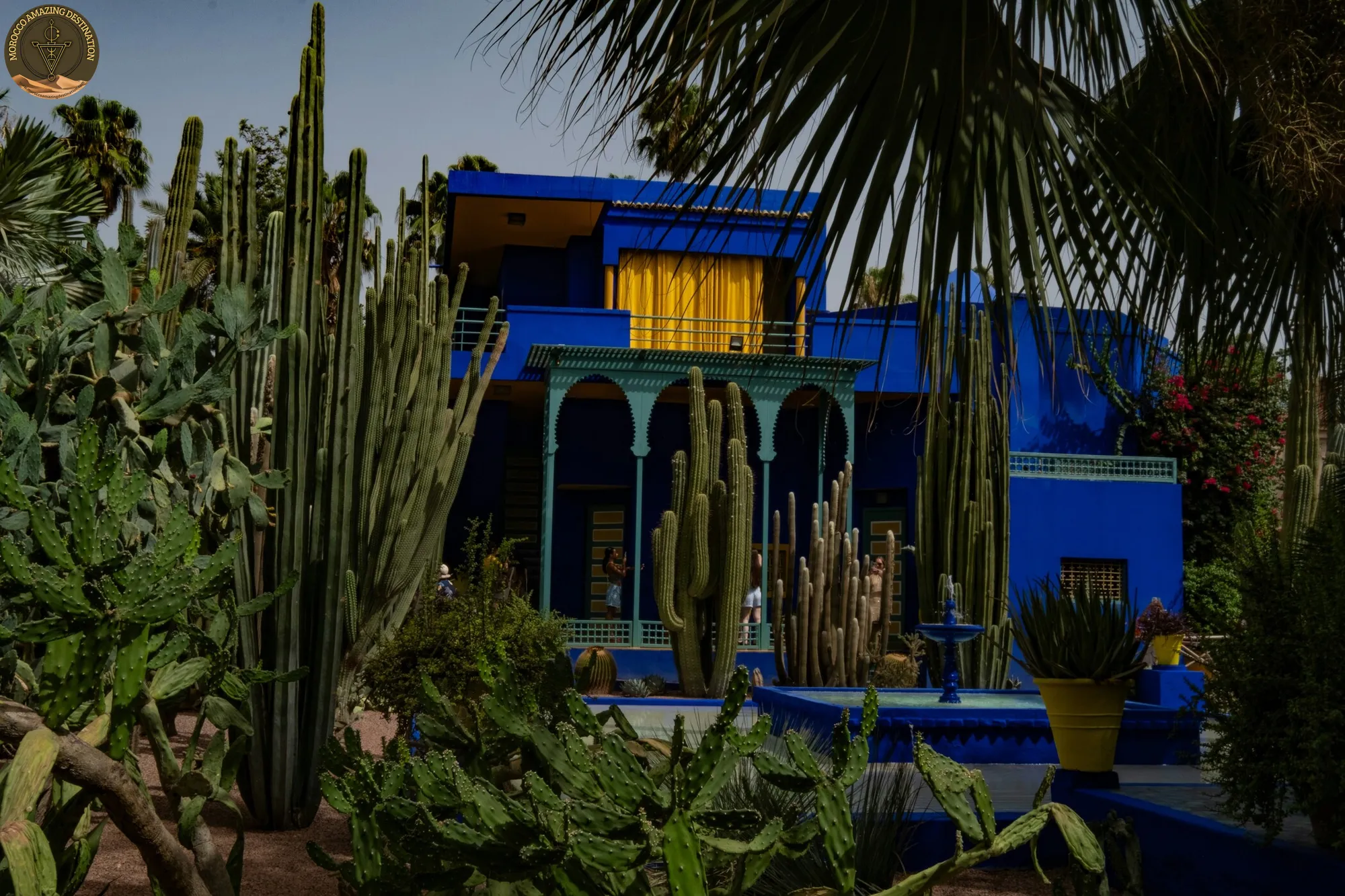
Most people come to the Jardin Majorelle for the garden and leave talking about the small museum in the corner. The berber art museum marrakech occupies Jacques Majorelle’s old painting studio and is officially the Pierre Bergé Museum of Berber Arts, or in plain English the museum of berber art. Around 600 objects on display, from a much larger collection, trace Amazigh craft from the Rif to the Sahara.
In this guide, we will break down the four rooms and the pieces worth stopping for, the blue studio the museum sits in, and how to plan a visit to the jardin majorelle berber museum without losing half a day to queues.
Inside the Berber Art Museum: Four Rooms, Six Hundred Objects
The interior runs to roughly 200 m², so you finish the loop without doubling back.
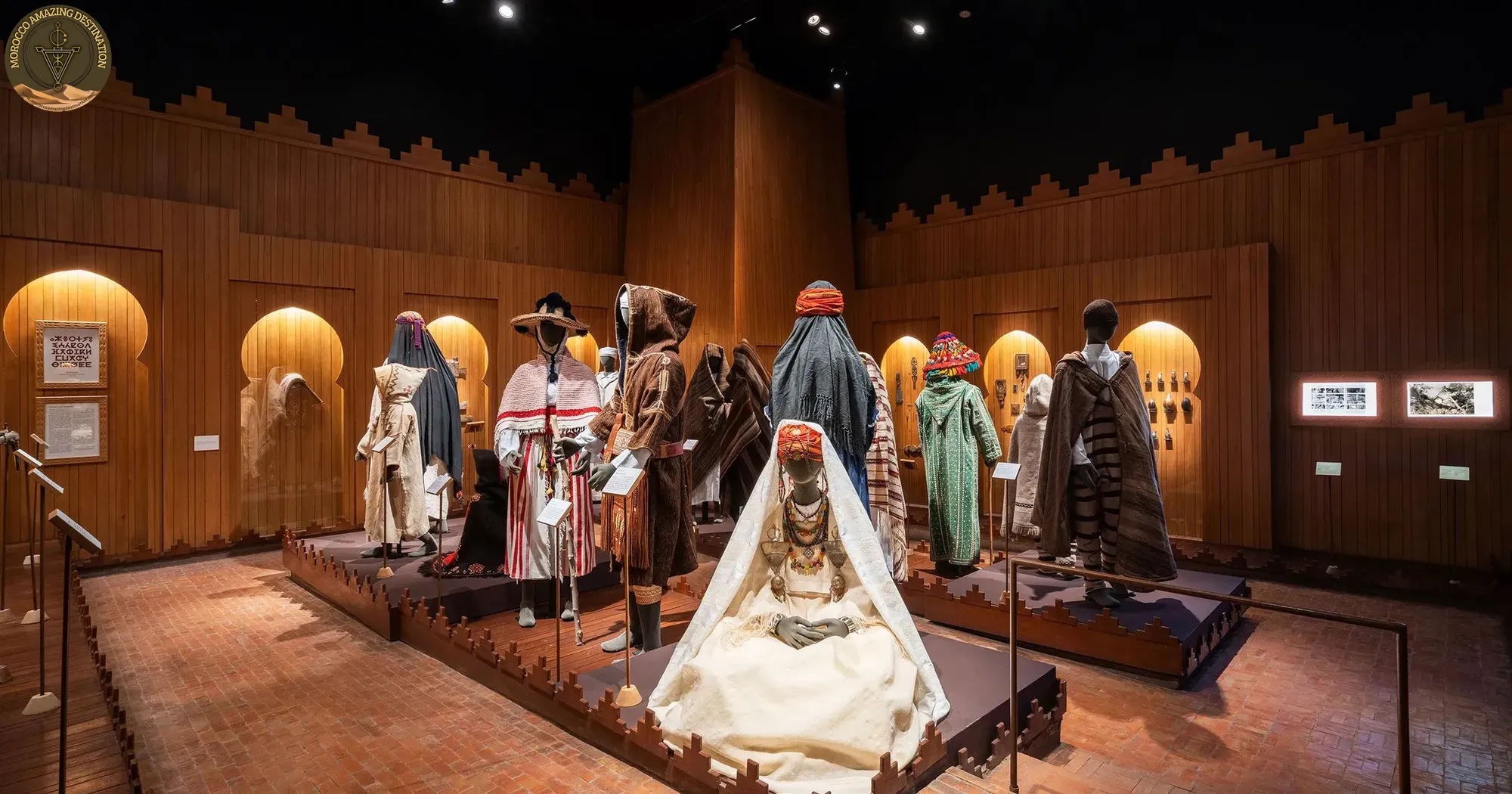
Four themed rooms carry the collection:
- The Amazigh world: a map of Morocco’s significant tribes, plus music, photographs and archive film.
- Savoir-faire: the crafts behind the objects, covering wood, leather, pottery, basketry and metalwork.
- Parures: adornment, where the silver jewellery lives.
- Apparat: festive dress and display, including pieces made for weddings and gatherings.
Printed English guides sit in three of the four rooms, and brochures come in French, English, Arabic and Tifinagh, the official Amazigh alphabet. The display rotates.
The Blue Studio Where It All Began
Jacques Majorelle had the building put up as his painting studio, an Art Deco structure by the architect Paul Sinoir painted in the electric blue that now carries his name. It later served the garden as a Museum of Islamic Art, and it now holds the Berber collection.
Pierre Bergé, Yves Saint Laurent’s partner and the collector behind most of what you see, pushed for the museum. It opened under the High Patronage of the King of Morocco and was later renamed for him. Bergé chose the site because Majorelle painted Berber men and women, and Marrakech sits in Berber country.
Berber Silver, Wool and Leather: Reading the Collection
Visitors often ask what to see at the berber museum marrakech. The short answer is the parures room.
Four things to know:
- Fibulae (tizerzai): pins that fasten a woman’s garment at the shoulder, worn in linked pairs.
- Tagmout pendant: the central piece on the chain joining two fibulae.
- Enamel and niello: colour and black engraving worked into silver after casting, chiselling and filigree.
- Amber, coral and amazonite: stones women combined with silver themselves, region by region.
This jewellery worked as savings as much as ornament, and it signalled tribal identity and status. The same geometry turns up in the wool and leather of the other rooms. The oldest pieces are around three centuries old and the newest date to the middle of the last century.
Planning Your Visit: Tickets, Hours and Crowds
The museum is inside the Jardin Majorelle on Rue Yves Saint Laurent in Gueliz, a short taxi ride from Jemaa el-Fna and walkable from most Gueliz hotels. Timed tickets are sold online in advance.
Three ticket options cover the site:
- Museum only: the cheapest entry, around 60 DH.
- Garden and museum: the usual buy, around 230 DH.
- Combined pass: adds the nearby Yves Saint Laurent museum, around 330 DH.
Check the official ticket page to confirm the current price. Doors are open daily from morning until late afternoon, with shorter bands in winter and during Ramadan, and last entry falls about half an hour before closing.
Photography is not allowed inside the exhibition rooms, though you can confirm at the door. Large bags and strollers go to luggage storage, and the site is wheelchair accessible. Crowds peak from mid-morning, so aim for opening time or the last hour.
Pairing the Museum With the Rest of Your Morocco Trip
Forty-five minutes in the museum change what you notice further south. Silver in a souk window and a carpet outside a village house carry motifs you have seen explained.
The garden is calmest at opening, so a guide can walk you through Majorelle and the museum, then into the medina for a second stop such as Dar El Bacha, which has its own complete guide to Dar El Bacha.
Beyond the city, the collection sets up the drive over the High Atlas to Ait Benhaddou, the Dades Valley and the Sahara.
The museum is easy to add at either end of a tailor-made route, and both Marrakech departures leave room for it. On the 9 Days Morocco Tour from Marrakesh, day one starts in the city before the road climbs into the High Atlas. The 8-Day Morocco Tour: Marrakech, Sahara Desert & Essaouira returns to Marrakech with a full city day for museums and the medina. Our local team plans these privately, with a guide who reads the objects with you.
We can customize a tour to match your needs - design your perfect itinerary
If you found this helpful, add us as your preferred source on Google.
Frequently Asked Questions
What is the Berber Art Museum in Marrakech?
It is the Pierre Bergé Museum of Berber Arts, in Jacques Majorelle's former painting studio inside the Jardin Majorelle in Gueliz. Around 600 objects trace Amazigh craft from the Rif to the Sahara.
What can you see inside the Berber museum?
Four rooms cover the Amazigh world, local crafts, adornment and festive dress. Look for silver fibulae and the tagmout pendant, enamel and niello work, amber necklaces, textiles and carpets.
Do you need to book Berber museum tickets in advance?
Yes. Entry is by timed online ticket, so book ahead. Expect around 60 DH for the museum, 230 DH with the garden, 330 DH for the combined pass, and last entry about half an hour before closing.
Is the Berber Art Museum worth visiting on a Marrakech and Sahara trip?
It works as a primer before you head south, explaining the silver, carpets and woven bags you will see in the Atlas valleys and the desert. Allow about 45 minutes.
Ready for an Adventure?
Have questions? Feel free to contact us using the form below. We're here to help!