Morocco Amazing Destination
Rabat to Chefchaouen Day Trip: Blue City Escape in the Rif Mountains
Escape the capital for a day in the Rif Mountains — the blue alleys, hilltop views and relaxed charm of Chefchaouen, all in one long but rewarding day.
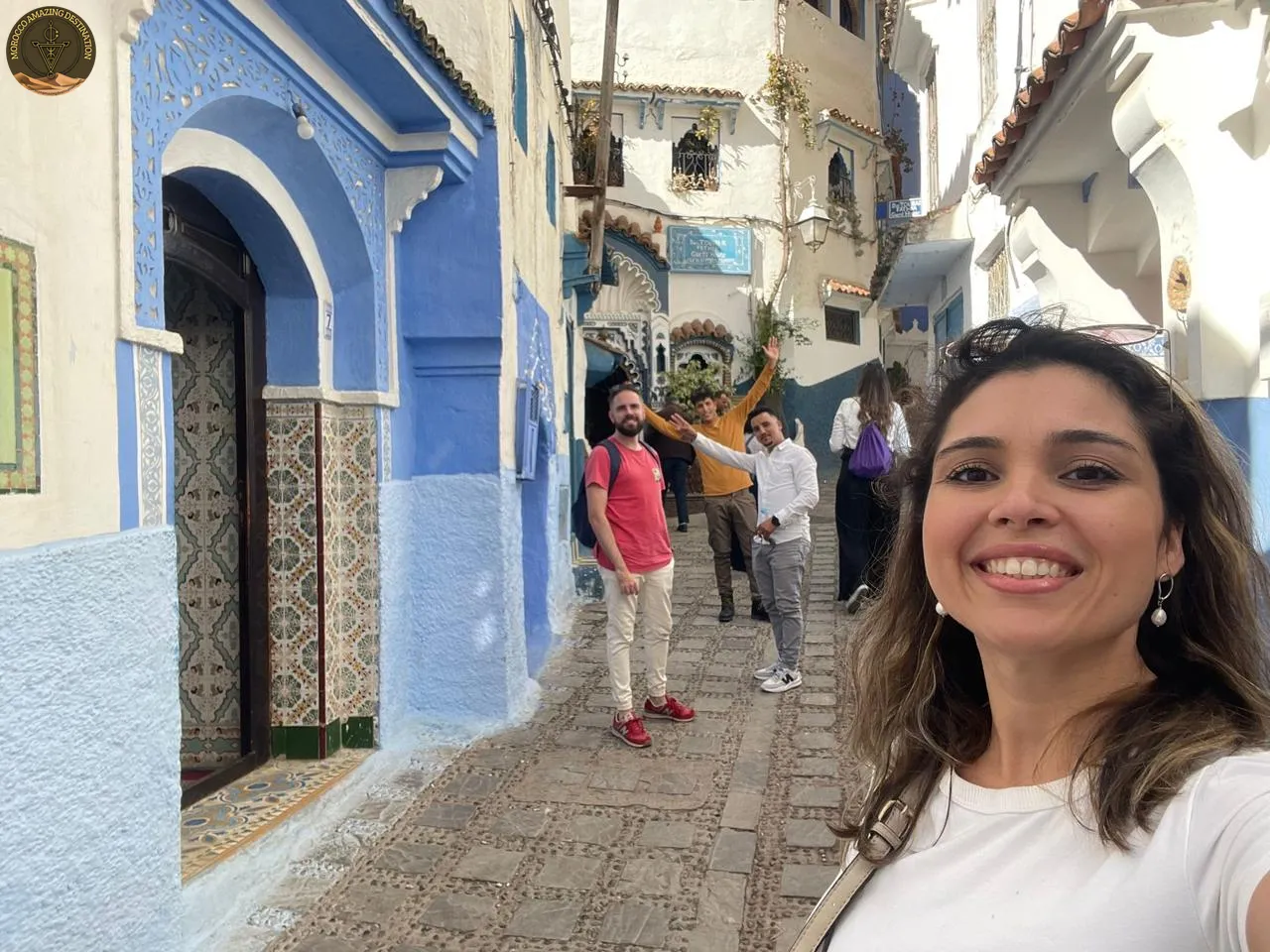
A rabat to chefchaouen day trip is the ultimate Blue City escape from the capital — a long but wonderfully rewarding day that trades Atlantic boulevards for mountain air and streets washed in every shade of blue. If you are based in Rabat and craving something completely different, this guide shows how to make the most of one full day in the chefchaouen blue city, set high in the rif mountains.
Expect an early start, a scenic four-hour drive, and about four to five hours to wander, taste, shop and take in the views before returning to Rabat by evening.
Why Take a Day Trip from Rabat to Chefchaouen?
Rabat is elegant and coastal, but Chefchaouen feels like another world. While Rabat looks out to the Atlantic, Chefchaouen nestles in a valley beneath two horn-shaped peaks — its name even means “look at the horns.”
A day trip from rabat to chefchaouen is ideal if you:
- want a striking contrast to Rabat’s imperial avenues and modern marina without changing hotels
- love photography, color and relaxed medina wandering — Chefchaouen’s medina is smaller and calmer than Fes or Marrakech
- prefer a guided, hassle-free day where transport and orientation are handled, so you can simply enjoy
Unlike the short hop from Tangier, which takes just over two hours, the journey from Rabat is a true full-day commitment. That extra road time is exactly what makes it feel like an adventure.
How Far Is Chefchaouen from Rabat?
Chefchaouen sits roughly 200 kilometres northeast of Rabat, deep in the rif mountains. Road distances vary by route and source, so think in ranges rather than a single figure. Most drivers take about four hours each way, making it a 12 to 14-hour total day with stops.
Route and road: The fastest way is the tolled A5 expressway north through Kenitra, then inland via Ouezzane on well-paved national roads through olive groves and rolling Rif foothills. The scenery builds slowly — from coastal plains to greener, hillier terrain as you approach the blue town. Have small change ready for tolls and download offline maps, as signage in the medina is minimal.
When to leave: Plan to depart around 06:00 to 07:00 to arrive mid-morning, enjoy the quietest light for photos, and leave again mid-afternoon for a return to Rabat between 19:00 and 21:00.
Private Driver vs. Bus
- Private car with driver — recommended for this day trip. Door-to-door pickup in Rabat, flexibility to stop for photos or mint tea, driver waits while you explore, and you control the return time. Expect around 800 to 1200 MAD for the full-day car for up to three travelers, with water and air conditioning often included. Guided options that add a local guide in Chefchaouen typically run 300 to 600 MAD per person, lunch usually separate.
- CTM bus — not viable for a same-day return. The bus takes about five hours each way on this route and runs on a limited schedule. It is comfortable and budget-friendly at roughly 60 to 90 MAD each way, but departure times do not allow enough time on the ground for a day trip. If you consider it, check the official CTM site on your travel date, as schedules change.
What Makes the Chefchaouen Blue Medina So Special?
The chefchaouen blue medina is compact, Andalusian in layout, and instantly recognizable. Unlike the grand imperial medinas, it is a maze of stepped lanes, potted plants and doorways painted in layers of blue.
Why blue? There is no single documented answer — and that is part of the charm. Locals and historians point to several overlapping theories:
- Jewish heritage: Sephardic refugees who settled here centuries ago are said to have introduced a sacred blue associated with the sky and heavens, similar to the tekhelet dye used in prayer.
- Andalusian memory: Muslim families from Andalusia brought a taste for white-and-blue facades and lime-wash techniques.
- Practical folk wisdom: Pale lime-wash reflects sun and helps keep houses cooler, and some believe it once deterred insects — a folk idea rather than proven science.
- Modern care: From the Spanish Protectorate era onward, and especially over recent decades, residents have actively maintained and reapplied the color each spring because visitors love it. Shades shift from powder blue to deep cobalt from street to street.
Today the blue is both heritage and hospitality — repainted yearly, deeply photographed, and best appreciated by simply getting lost.
What to See in Chefchaouen in One Day
With four to five hours on the ground, keep your route focused. Everything below is walkable.
Plaza Uta el-Hammam and the Kasbah
Start at Plaza Uta el-Hammam, the beating heart of town. Cafes line the square under a large tree, with the Kasbah walls on one side and the Grand Mosque’s distinctive octagonal minaret — rare in Morocco — on the other. Order a mint tea, watch daily life, and orient yourself.
Right on the square, the Kasbah Museum occupies a restored fortress with thick rammed-earth walls and a taller tower. Inside you will find ethnographic displays, an Andalusian garden, and rooftop views over blue rooftops to the Rif peaks. Allow 30 to 45 minutes; entry is around 60 MAD and hours vary seasonally.
Wander the Blue Alleys
This is the highlight of any chefchaouen day trip. Follow Rue Tijara and Rue Outa Hammam, dip into side steps, and find quieter squares like Place El Haouta with its ornate fountain and Bab El Ain gate. Light is softest in the morning and late afternoon, when blues glow most intensely. Take your time — the medina is made for slow wandering, not rushing.
Ras el-Maa and the Spanish Mosque Viewpoint
- Ras el-Maa spring: A ten-minute walk east of the medina, this spring is where the town’s water emerges. You will see old wash basins, a small bridge and hillside cafes — a refreshing pause, especially on warm days.
- Spanish Mosque: From Ras el-Maa, a well-trodden trail climbs 15 to 30 minutes uphill to the hillside Spanish Mosque, built during the protectorate era and never completed. You do not need to enter; the reward is the panorama — the entire blue city spread below against the Rif range. It is lovely in afternoon light and especially calm just before you head back to Rabat.
What to Eat and What to Buy
Chefchaouen’s food is hearty northern Moroccan fare. For lunch near the square, look for:
- Tagine — slow-cooked meat or vegetable stews
- Couscous — traditionally served on certain days but widely available
- Bissara — a creamy fava bean soup, perfect on cooler mountain days
- Mint tea and fresh orange juice everywhere
For shopping, the town is known for woven blankets and textiles in red, white and blue patterns, soft wool garments, leather goods and hand-painted ceramics. Goat cheese from nearby farms is a regional specialty worth tasting. Prices tend to be gentler than in larger cities, but friendly haggling is still expected. Ask before photographing artisans or residents.
Practical Tips for Your Chefchaouen Day Trip
- Start early and avoid peak crowds. Weekdays are quieter than weekends, and tour buses typically fill the medina from around 11:00. An early arrival gives you the best photos and the calmest alleys.
- Wear comfortable shoes. Lanes are cobbled, stepped and hilly.
- Dress in layers and modestly. Mornings in the rif mountains are cooler than the coast, even when Rabat is warm. Cover shoulders and knees as a courtesy.
- Bring cash in dirhams. Many small shops and cafes are cash-only. ATMs cluster near the medina and bus station, but carry enough for lunch, entries and souvenirs.
- Carry water, snacks and offline maps. The medina has no standard street signs and mobile signal can be patchy inside lanes.
- Photography etiquette: Ask permission before photographing people, especially near the spring and in residential alleys.
Is One Day Enough?
For most visitors based in Rabat, a rabat to chefchaouen day trip delivers exactly what you want: the essence of the blue city — square, Kasbah, blue lanes, spring and viewpoint — without moving hotels. It is efficient, photogenic and deeply memorable.
If you have extra time, consider an overnight stay. Staying lets you enjoy early-morning quiet before day-trippers arrive, golden-hour views from the Spanish Mosque, and optional detours that do not fit a day trip — like the hikes in Talassemtane National Park or the waterfalls and natural bridge at Akchour, about 45 minutes from Chefchaouen. Treat those as a teaser for a longer return, not as stops on this long driving day.
For travelers who fall for the blue and want more without the rush, a multi-day tour is a natural next step. Our 10-Day Tour from Rabat to Marrakech begins in Rabat and includes an overnight in Chefchaouen, so you experience the medina at a relaxed pace before continuing through Fes, the Sahara and Marrakech. Alternatively, the 5-Day Tour to Chefchaouen & Imperial Cities from Tangier is a Blue City specialist that pairs Chefchaouen with the imperial cities for a compact northern circuit.
We can customize a tour to match your needs — design your perfect itinerary
Frequently Asked Questions
How far is Chefchaouen from Rabat and how long does the drive take?
Chefchaouen lies roughly 200 kilometres northeast of Rabat. By private car the drive takes about four hours each way via the A5 expressway through Kenitra and then inland via Ouezzane. Allow 12 to 14 hours for the full day including 4 to 5 hours in Chefchaouen itself.
Can you do a day trip from Rabat to Chefchaouen and return the same day?
Yes, but it is a long day and requires an early start around 06:00 to 07:00. A private driver or guided tour is strongly recommended. The CTM bus takes about five hours each way and does not allow a practical same-day return, so always check current CTM schedules if you consider public transport.
Why is Chefchaouen painted blue?
There is no single documented reason. Popular theories include Jewish tekhelet symbolism, Andalusian aesthetic traditions, practical lime-wash for cooling and a folk belief about insects, plus embellishment during the Spanish Protectorate period. Today the blue is maintained for cultural identity and tourism, with residents repainting alleys each spring in shades from powder blue to cobalt.
What can you see in Chefchaouen in one day?
Focus on Plaza Uta el-Hammam and its cafes, the Kasbah Museum with its tower views, the Grand Mosque octagonal minaret, wandering the blue medina alleys such as Rue Tijara, the Ras el-Maa spring, and the short uphill walk to the Spanish Mosque for a panorama over the city and Rif peaks.
What our travelers say
Reviews from TripAdvisor
The best tour guide you'll find!
I don't normally give reviews let alone 5 star ones but Hassan and his team have gone so far above my expectations from a tour company I thought they more then deserved it. As a Solo traveler I was or course concerned about safety. So what made me go with them? Morocco amazing destinations was responsive on the phone transparent and fair with their prices, but it was more than that. They gave me traveling tips and we're always a phone call away if I had a question or needed a place to stay. Unfortunately the first few days of my trip I was sick I wasn't feeling well enough to start the tour when I communicated this to the company their primary concern was me feeling better and enjoying my trip and they didn't even ask for a compensation fee even though they had driven all the way out there. I was really touched by this and called them a couple days later to continue the tour. The tour guide takes you in like one of his family showing you his home his community and tradition. Something I can say as an American we don't really have an abundance. The openness of the people to share what they have connect to you and how they live with one another was really an experience for me. If any of what I'm saying speaks to you book your tour with them and no further for a good experience in Morocco.


Do you want Quality Service? Would you like to feel welcomed? Choose this company, you won't be disappointed 🙏🏾🫶🏾
If I could rate this company with 20 stars that would not be enough!!! From the moment we arrived they treated us with so much respect and you can tell they take pride in the service they provide. Hamid my expert driver and friend was nothing short of extraordinary. His attention to detail and character blew me away. I found myself getting emotional any time he would go above and beyond to ensure my comfortability. Hamid I cannot thank you enough, you my friend are something special. To your boss Hassan, thank you for pairing me with this talented young man. We will be back God willing in July but ONLY if Hamid will accommodate us. I will name my son after him - The real Fatimah

Spectacular experience 100% recommended
The service of our guide Hassan has been excellent. At all times we have felt accompanied by him, feeling him as a friend who has made the journey with us and who has transmitted to us the passion for his work, his country, his people and especially his Berber culture.

Ready for an Adventure?
Have questions? Feel free to contact us using the form below. We're here to help!