
· Travel · 4 min read
Zagora Morocco: The Desert Gateway to the Draa Valley
Zagora Morocco explained: the Draa Valley oasis, Tamegroute, Tinfou dunes and how to plan a private Zagora desert tour from Marrakech.
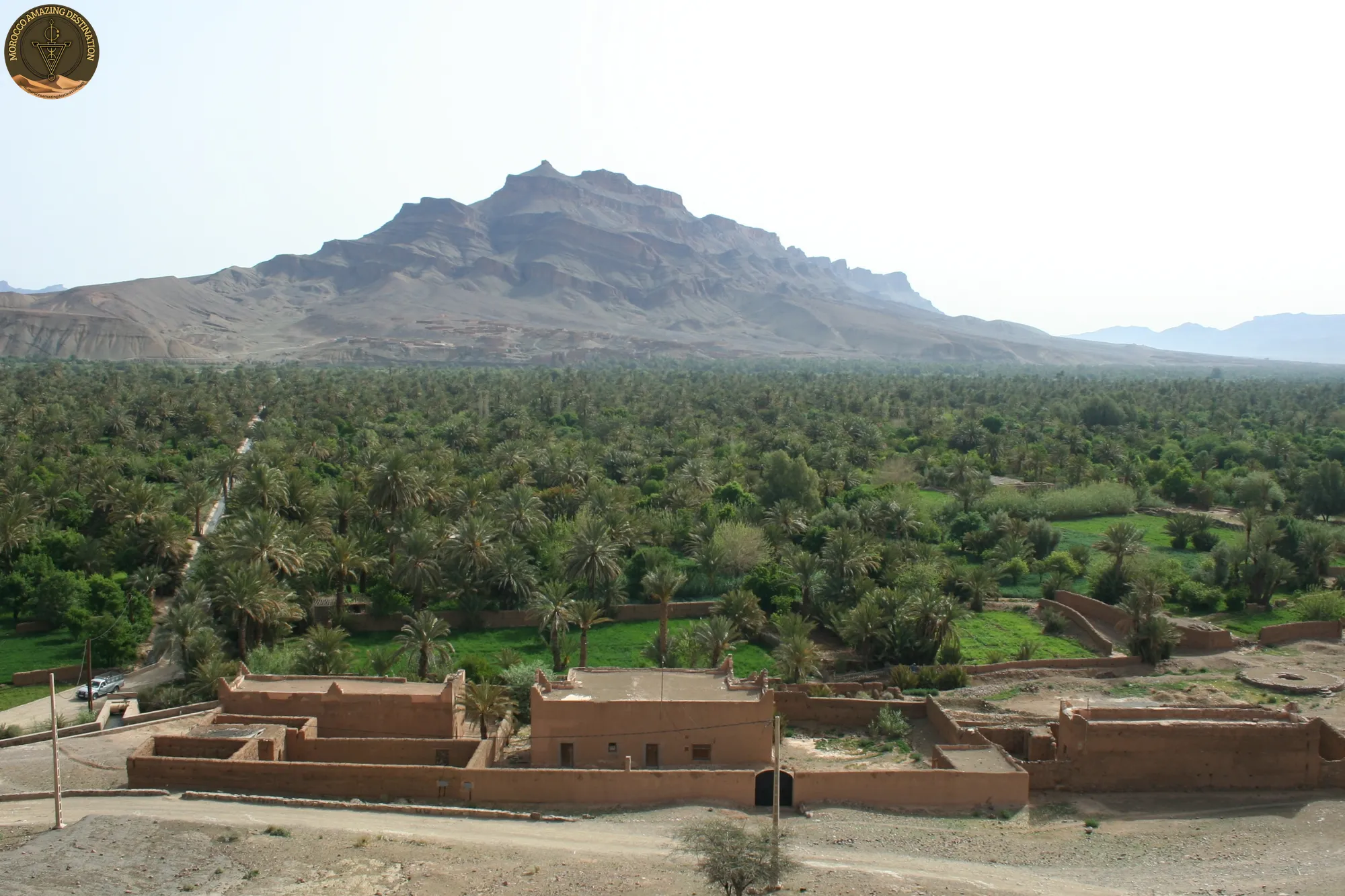
Ask in the south where the desert begins and they will point you to Zagora Morocco, roughly 350 km and six to seven hours from Marrakech over the Tizi n’Tichka pass. The sand near town is modest and the drive is shorter than Merzouga’s. What you get instead is a palm oasis 200 km long, kasbah villages and Morocco’s longest river.
In this guide, we will break down what to see in and around Zagora, how the dunes compare with Merzouga and Erg Chigaga, and how to plan a Zagora desert tour that fits your days.
Zagora — Morocco’s Desert Gateway to the Draa Valley
Zagora is the capital of Zagora Province in the Drâa-Tafilalet region. The town takes its name from the mountain above it, Jbel Zagora, and Almoravid fortress remains sit on the slope. Travellers use it as a two-day desert base or a lunch stop towards Merzouga.
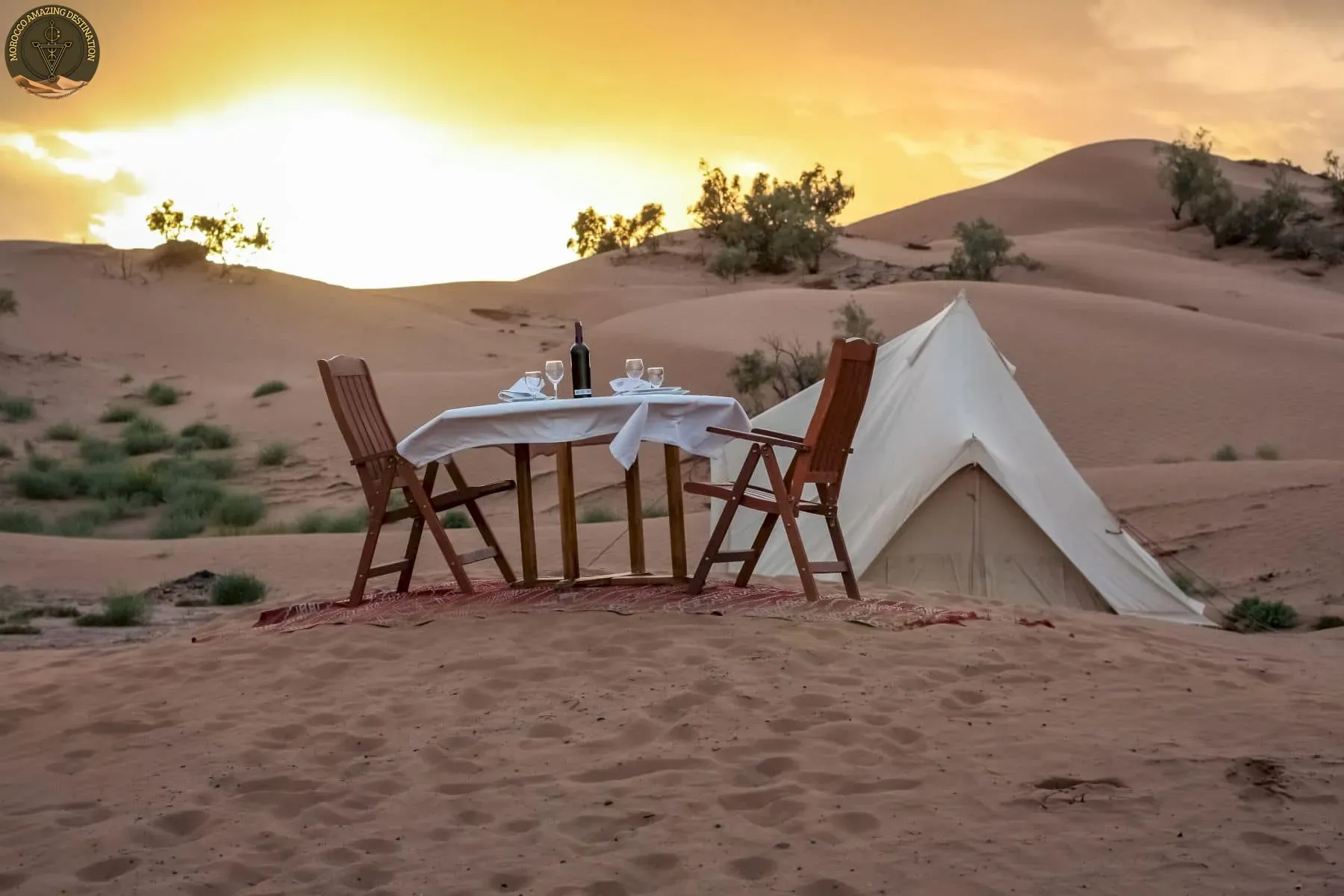
The Draa Valley is the reason to come south. The Draa is Morocco’s longest river, and its valley holds one of the country’s largest palm oases: a green ribbon of date palms and small plots about 200 km long. Families farm those plots and sell dates in the souk.
By road, Zagora is about 350 km and six to seven hours from Marrakech, three hours from Ouarzazate via Agdz, and 100 km north of M’Hamid. Our guide to how to visit the Sahara Desert in Morocco compares Zagora with Merzouga, M’Hamid and Agafay.
Amezrou, the Palm Oasis and the Timbuktu Sign
On the edge of town, a hand-painted sign reads “Tombouctou 52 jours”: the 52-day camel journey that once linked the Draa caravans to Timbuktu.
About 3 km south-east, the ksar of Amezrou keeps dense earthen lanes and a Jewish mellah. Its synagogue was recorded with 3-D surveying; most of the community left in the mid-20th century.
A walk through the oasis covers the essentials:
- Amezrou ksar: earthen lanes and the mellah of a former Jewish community.
- The Timbuktu sign: the sign most visitors photograph, at the palm edge.
- The souk: twice-weekly and early in the morning, stocked from the valley.
- Henna fields and cooperatives: date and craft workshops along the oasis edge.
Stay on the paths and ask before photographing people; the gardens are private.
Tamegroute, N’Kob and the Draa Valley Road
About 40 km south of Zagora, Tamegroute holds the Zawiya Naciria, whose library keeps a celebrated collection of medieval manuscripts, the oldest written on gazelle skin. The village is known for green-glazed pottery, fired by a few local families.
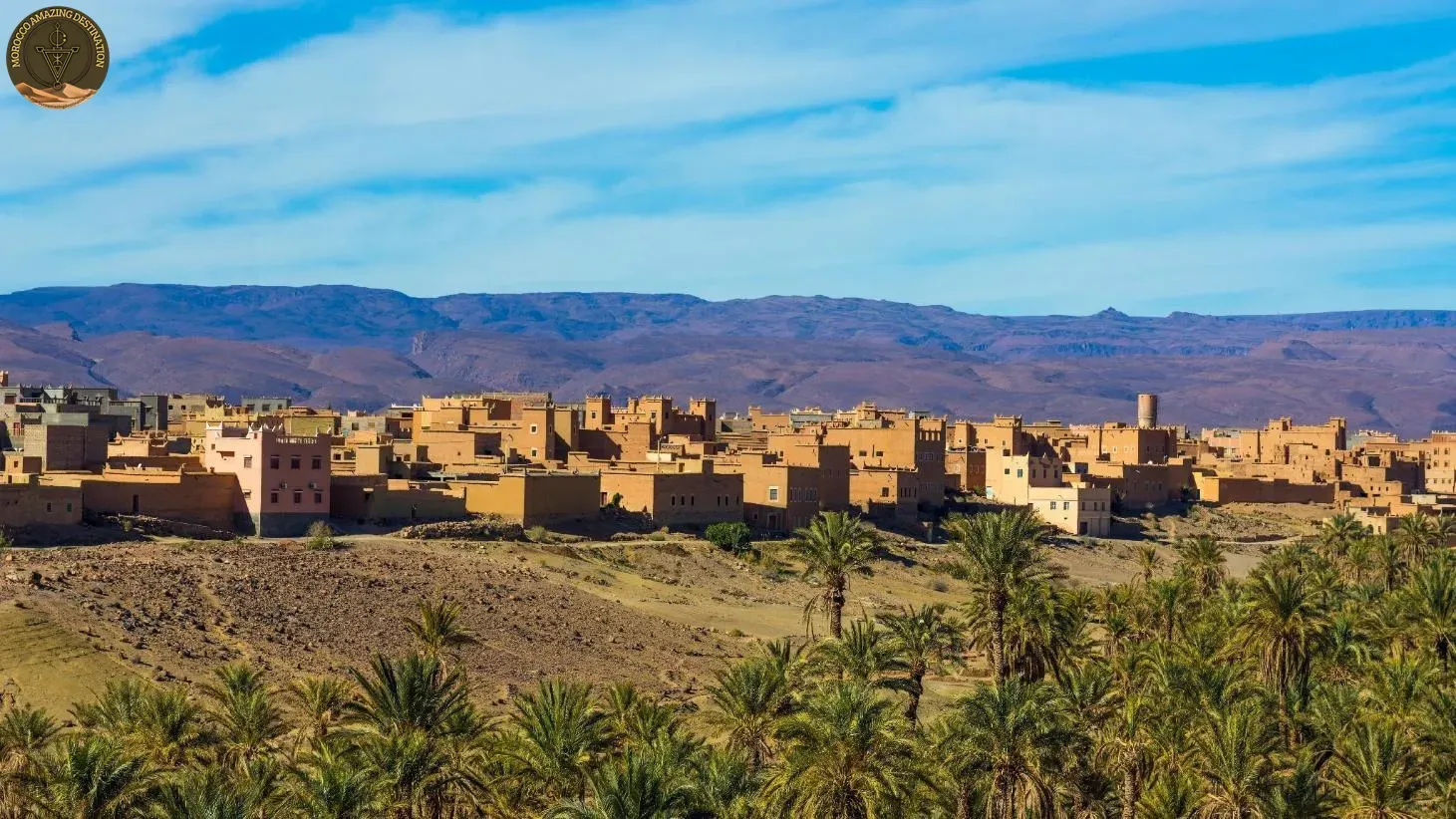
Northward the valley road passes Agdz and the kasbah of Tamnougalt, then N’Kob and its kasbah villages. The distances are short, but the corners are slow.
Stops worth building into the drive:
- Tamnougalt: the kasbah above Agdz, at the head of the palm groves.
- Jbel Kissane: the Anti-Atlas peak that frames the valley road.
- N’Kob: kasbah villages along the river, easy to walk.
- Tagounite and Ouled Driss: the last villages on the road to M’Hamid.
Camel Treks, Dunes and a Desert Night
The dunes closest to Zagora are Tinfou and Erg Lihoudi, small patches of sand in a rocky hamada. Camel treks run in the late afternoon and sandboarding works on the low slopes.
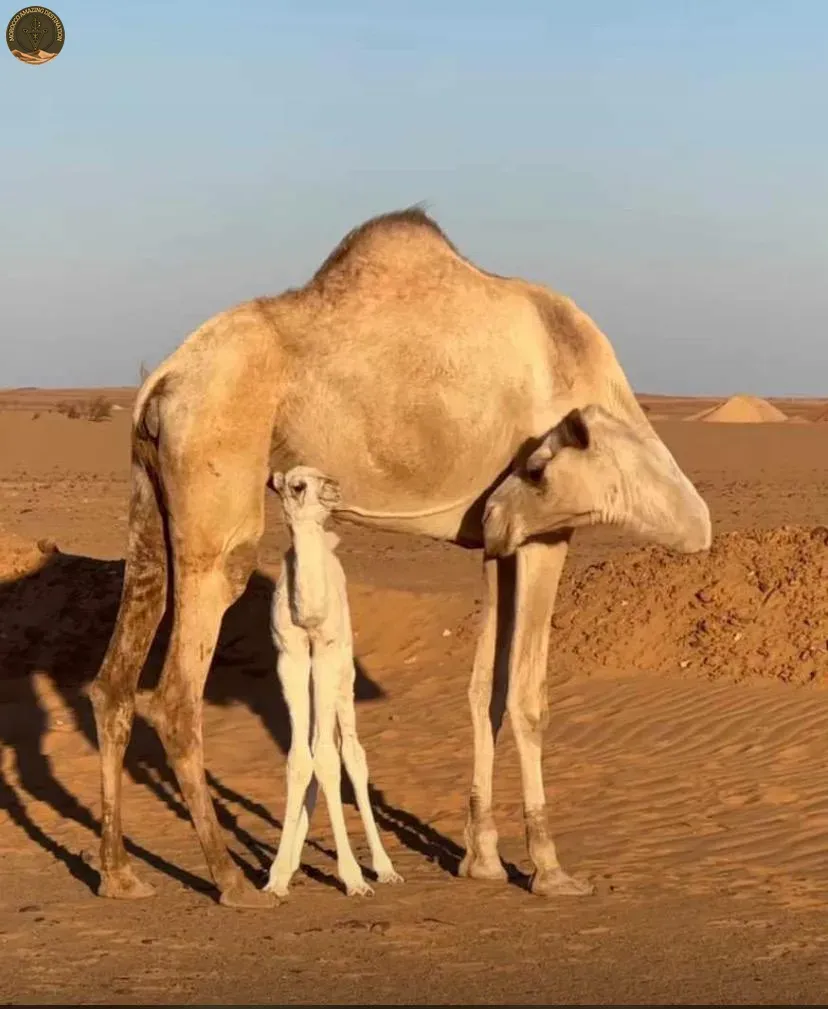
Dune scale separates Zagora from Erg Chebbi and Erg Chigaga. Erg Chebbi at Merzouga runs about 28 km long, with crests near 150 m above the hamada. Erg Chigaga lies roughly 60 km beyond M’Hamid, reached only by 4x4 with a local guide.
The night is simple to plan:
- Berber bivouac: plain tents or a communal tent near the dunes.
- Dinner and drums: tagine, bread and music around the fire.
- Stars: some of the clearest night skies in Morocco.
- Simple comfort: no en-suite tents or chef-cooked dinners.
Spring and autumn are the comfortable windows; winter nights come close to freezing and high summer is punishing.
Plan Your Private Zagora Desert Journey
Most travellers see Zagora on a two-day loop. Day 1 crosses the Atlas via Ait Benhaddou and Ouarzazate, follows the Draa Valley south and ends with a camel trek and a night near the dunes. Day 2 returns through Tamegroute and Agdz. The 350 km each way is the tiring part; a private driver-guide handles it.
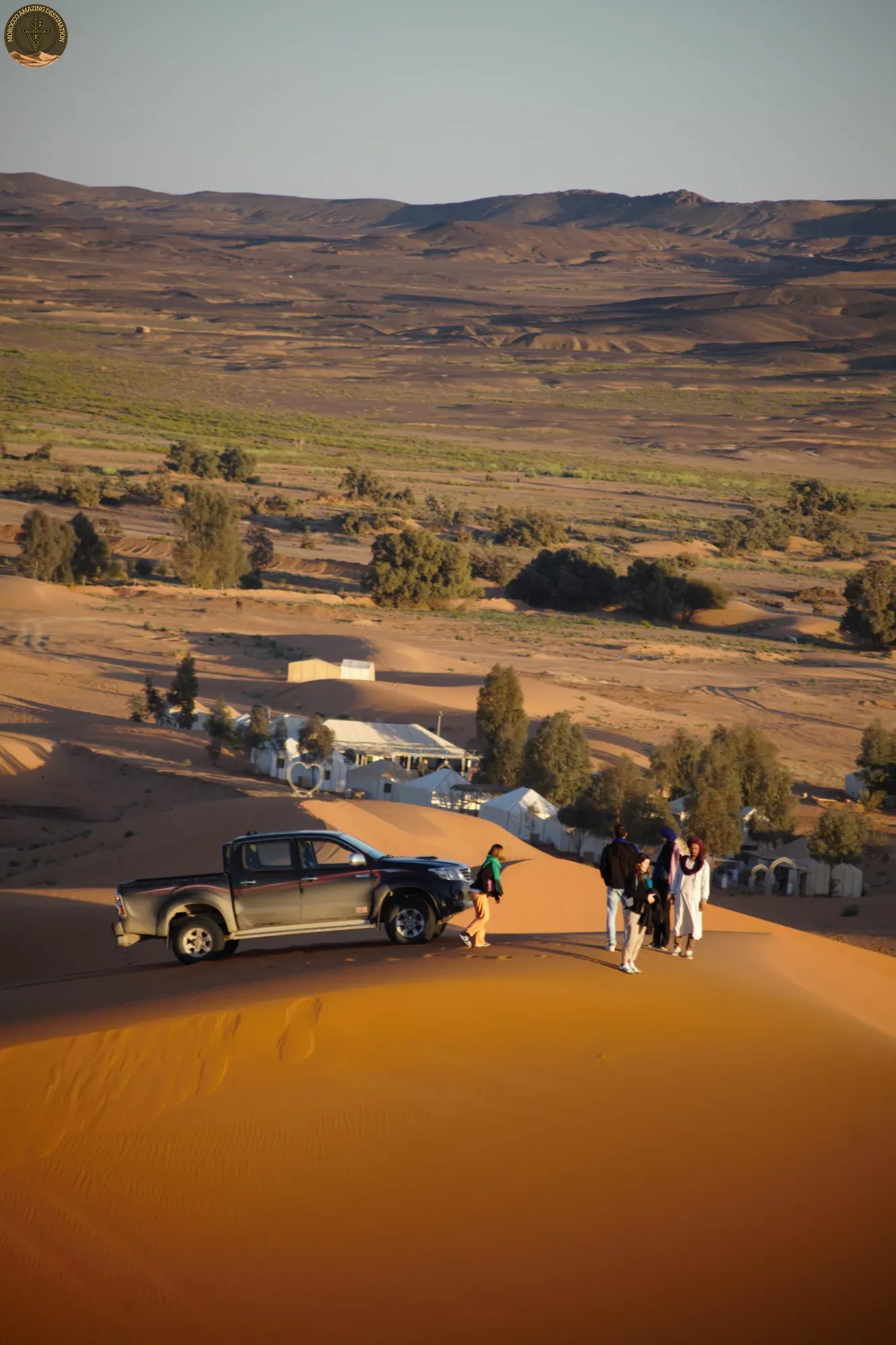
Zagora suits short desert trips, families and culture-led travellers. If big dunes are the point of the trip, Merzouga or Erg Chigaga fit better.
Our 3-Day Trip from Marrakech to Merzouga stops in Zagora on Day 3; the 10-Day Morocco Tour from Marrakech crosses the Draa Valley on Day 6.
We can customize a tour to match your needs — design your perfect itinerary
If you found this helpful, add us as your preferred source on Google.
Frequently Asked Questions
Is Zagora worth visiting?
Yes, if you want desert sand without a ten-hour drive. Zagora offers a palm oasis, kasbah villages, the Tamegroute manuscripts and a night in a simple bivouac inside a two-day round trip from Marrakech.
Zagora or Merzouga — which is better?
It depends what you want from the sand. Erg Chebbi at Merzouga is a sand sea about 28 km long and five to seven km wide, with crests around 150 m. Tinfou and Erg Lihoudi near Zagora are small patches in rocky hamada. Most travellers who have seen both call Zagora the shorter, culture-led option.
How far is Zagora from Marrakech?
About 350 km, or six to seven hours by road over the Tizi n'Tichka pass. From Ouarzazate it is roughly 160 km and three hours via Agdz.
Can you get to Erg Chigaga from Zagora?
Yes, with planning. Erg Chigaga lies roughly 60 km beyond M'Hamid El Ghizlane, and the last stretch is 4x4 only with a local guide. Most trips run it as a separate excursion south of Zagora.
Ready for an Adventure?
Have questions? Feel free to contact us using the form below. We're here to help!