· Travel · 2 min read
Why Morocco's Medina Cities Are a Time Traveler's Dream
Step back in time as you wander through the ancient medinas of Morocco. Discover the magic of these living museums, from the bustling alleys of Fes to the vibrant heart of Marrakech.
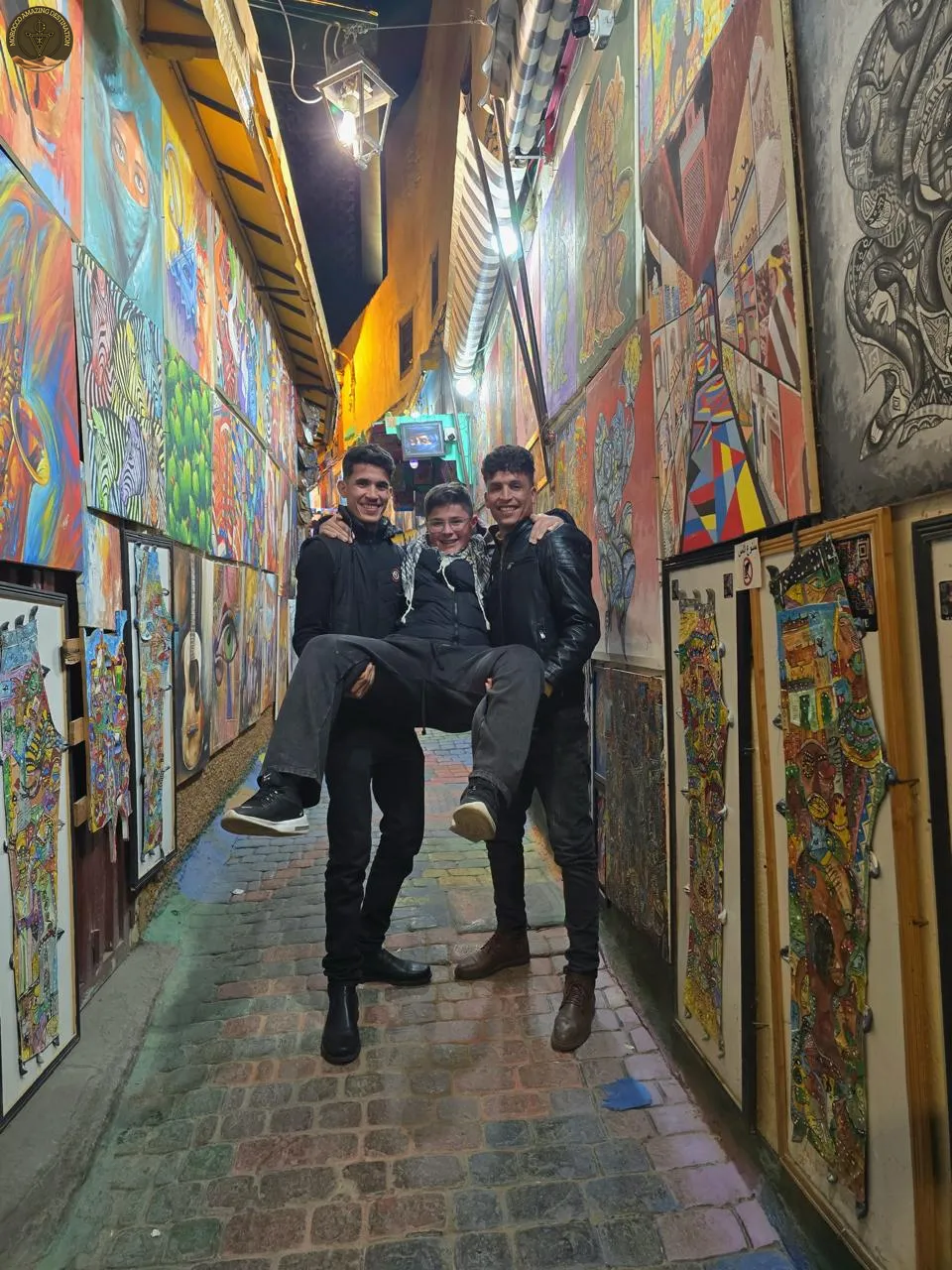
To visit a Moroccan medina is to step into another world. These ancient, walled old towns are the historic hearts of cities like Fes, Marrakech, and Meknes. They are bustling, chaotic, and utterly captivating places that feel like a living museum.
A Labyrinth of History
The word “medina” simply means “city” in Arabic. These were the original cities, protected by high walls and filled with a maze of narrow, winding streets. This design was meant to confuse invaders, and today, it creates a unique and immersive experience for visitors.
Walking through a medina, you are treading on centuries of history. The sounds, sights, and smells have remained largely unchanged for generations. It’s a place where daily life unfolds in public, in the same way it has for hundreds of years.
The Medina of Fes: A Step Back in Time
Fes el-Bali, the medina of Fes, is one of the largest and oldest urban pedestrian zones in the world. It’s a UNESCO World Heritage site and a true time capsule. Here you’ll find over 9,000 alleyways, many of them too narrow for cars.
Inside, life bustles. Donkeys are the main form of transport, carrying goods through the crowded lanes. You’ll discover hidden courtyards, ancient mosques, and the famous Chouara Tannery, where leather is still dyed using traditional methods.
The Medina of Marrakech: A Feast for the Senses
The medina of Marrakech is a vibrant explosion of color and energy. Its heart is the famous Jemaa el-Fnaa square, but the real magic lies in the souks (markets) that spread out from it like a web.
Here, you can lose yourself for hours. You’ll find everything from colorful spices and handmade leather bags to shimmering lanterns and fragrant perfumes. The air is filled with the sounds of vendors calling out, craftsmen at work, and the buzz of a city that is truly alive.
Why You Should Visit
- Authenticity: Medinas offer a real, unfiltered look into Moroccan life and culture.
- Discovery: Every corner holds a new surprise, from a beautiful fountain to a quiet, hidden garden.
- Craftsmanship: You can watch artisans practicing age-old crafts, like metalwork, ceramics, and carpet weaving.
- Timelessness: In a fast-paced world, the medina offers a connection to a slower, more traditional way of life.
Exploring a Moroccan medina is an essential part of any trip to the country. It’s an experience that will challenge your senses and leave you with lasting memories.
If you found this helpful, add us as your preferred source on Google.
Frequently Asked Questions
What is a medina in Morocco?
A medina is the ancient, walled old town that forms the historic heart of Moroccan cities like Fes, Marrakech, and Meknes. These pedestrian zones feature narrow, winding streets designed to confuse invaders, and today offer immersive experiences of traditional Moroccan life.
Why is the Fes medina so famous?
Fes el-Bali is one of the world's largest and oldest urban pedestrian zones, a UNESCO World Heritage site with over 9,000 alleyways. It's a living time capsule where donkeys transport goods, traditional crafts thrive, and the famous Chouara Tannery still uses ancient leather-dyeing methods.
Is it safe to get lost in a Moroccan medina?
Yes, getting lost in medinas like Fes and Marrakech is part of the authentic experience. While the maze-like streets can be confusing, medinas are generally safe for tourists. Locals are usually helpful, and you'll discover hidden courtyards, artisan workshops, and unexpected treasures.
What makes medinas different from modern Moroccan cities?
Medinas preserve centuries-old architecture, traditional crafts, and daily life patterns unchanged for generations. Unlike modern districts, they're car-free zones where artisans practice ancient skills, vendors call from souks, and the sights, sounds, and smells create an authentic, timeless atmosphere.
Ready for an Adventure?
Have questions? Feel free to contact us using the form below. We're here to help!