· Travel · 5 min read
Where Do People Travel in Morocco? Discover the Most Popular Destinations
Discover where people travel in Morocco! From bustling Marrakech to the blue city of Chefchaouen and Sahara Desert adventures. Your ultimate Morocco travel guide.
Where Do People Travel in Morocco? Discover the Most Popular Destinations
If you’re wondering where do people travel in Morocco, you’re not alone. This captivating North African destination has become one of the world’s most sought-after travel experiences, attracting millions of visitors annually who come to explore its diverse landscapes, rich history, and vibrant culture.
From the bustling medinas of ancient imperial cities to the golden dunes of the Sahara Desert, Morocco travel offers something for every type of traveler. Whether you’re seeking adventure, relaxation, cultural immersion, or simply stunning photo opportunities, understanding where people travel in Morocco will help you plan the perfect itinerary.
Imperial Cities: The Heart of Moroccan Heritage
Morocco’s four imperial cities—Marrakech, Fes, Rabat, and Meknes—are the cornerstone of most visitors’ itineraries. These historic capitals have shaped Morocco’s identity over centuries and remain the most visited cities in Morocco.
Marrakech: The Red City and Tourist Capital
Marrakech consistently ranks as the most visited city in Morocco, and for good reason. Known as the “Red City” for its distinctive rose-colored walls, Marrakech offers an intoxicating blend of ancient traditions and modern luxury.
Key attractions include:
- Jemaa el-Fnaa: The legendary main square that transforms from a bustling marketplace by day to an open-air restaurant by night
- Majorelle Garden: Yves Saint Laurent’s former botanical paradise featuring vibrant blue architecture
- Bahia Palace: A stunning example of Moroccan craftsmanship and architecture
- Souks of Marrakech: Labyrinthine markets selling everything from spices to handcrafted leather goods
Fes: The Cultural and Spiritual Center
Fes represents Morocco’s intellectual and spiritual heart. Home to the world’s oldest continuously operating university (University of Al Quaraouiyine, founded in 859 CE), Fes boasts the largest car-free urban area in the world within its UNESCO-listed medina.
Visitors are drawn to Fes for its authentic medieval atmosphere, traditional crafts, and the famous Chouara Tannery where leather has been processed using the same methods for nearly a millennium.
Rabat and Meknes: The Political and Historical Capitals
While less frequented by tourists than Marrakech and Fes, Rabat (Morocco’s current capital) and Meknes offer equally compelling experiences with fewer crowds. Rabat features impressive historical sites like the Hassan Tower and Kasbah of the Udayas, while Meknes showcases grand imperial architecture from the 17th century.
The Blue Pearl: Chefchaouen
Perched in the Rif Mountains, Chefchaouen has become one of the best places to visit in Morocco thanks to its photogenic blue-washed streets and buildings. This charming town offers a peaceful contrast to Morocco’s bustling cities and has gained international fame through social media.
Visitors spend their time wandering the cobalt-blue alleyways, shopping for local handicrafts, and hiking to viewpoints that offer panoramic views of the surrounding mountains. The relaxed pace and friendly locals make Chefchaouen a favorite among travelers seeking authentic Moroccan experiences away from the crowds.
Coastal Escapes: Atlantic and Mediterranean Shores
Morocco’s extensive coastline along both the Atlantic Ocean and Mediterranean Sea provides welcome relief from the inland heat and offers entirely different experiences.
Essaouira: The Windy City
Essaouira combines Portuguese, French, and Moroccan influences in a laid-back coastal setting. Known for its strong winds, it’s a haven for water sports enthusiasts, particularly kite surfers and windsurfers. The historic medina is a UNESCO World Heritage site, and the fresh seafood served at the port is considered some of the best in Morocco.
Tangier: Gateway Between Continents
Situated at the Strait of Gibraltar, Tangier serves as Morocco’s gateway between Africa and Europe. Its cosmopolitan atmosphere, influenced by centuries of international presence, makes it unique among Moroccan cities. Visitors enjoy the blend of cultures, the Medina overlooking the sea, and easy access to nearby beaches.
Sahara Desert Adventures
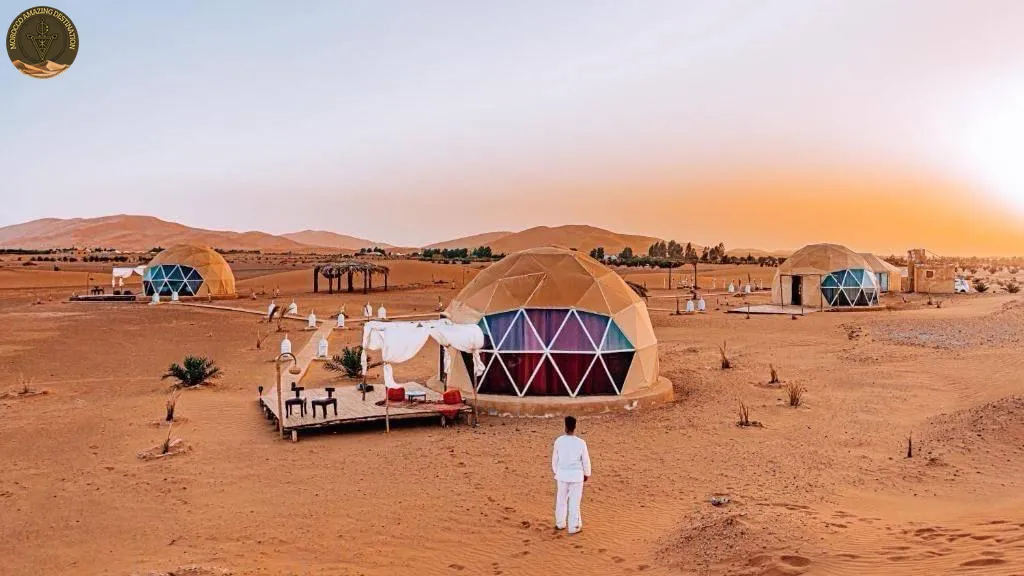
No discussion of where people travel in Morocco would be complete without mentioning the Sahara Desert. The southeastern region around Merzouga and Erg Chebbi attracts thousands of visitors seeking the quintessential desert experience.
Popular desert activities include:
- Camel trekking across golden dunes at sunset
- Overnight camping under star-filled skies in traditional Berber tents
- 4x4 excursions through dramatic desert landscapes
- Visiting traditional oasis villages like Rissani and Erfoud
The journey to the desert typically passes through other notable destinations like Ouarzazate (known as “Morocco’s Hollywood”), the fortified village of Ait Ben Haddou (a UNESCO site featured in numerous films), and the dramatic gorges of Todra and Dades.
Atlas Mountains and Rural Villages
For travelers seeking outdoor adventure and authentic cultural experiences, the Atlas Mountains offer hiking opportunities, traditional Berber villages, and stunning natural beauty. The High Atlas region includes Imlil, the starting point for Mount Toubkal ascents (North Africa’s highest peak), while the Middle Atlas features cedar forests and Barbary macaque monkeys near Azrou.
Planning Your Morocco Journey
Understanding where people travel in Morocco helps you prioritize based on your interests and available time. Most visitors combine several regions:
- First-time visitors typically focus on 2-3 imperial cities plus either the coast or desert
- Adventure seekers prioritize the Atlas Mountains and Sahara Desert
- Culture enthusiasts spend more time in Fes and smaller medinas
- Photography lovers gravitate toward Chefchaouen, desert sunsets, and coastal landscapes
Remember that Morocco’s compact size makes it possible to experience multiple regions in a single trip, with internal flights and comfortable overnight trains connecting major cities.
Conclusion
So, where do people travel in Morocco? The answer encompasses imperial cities steeped in history, mountain villages preserving ancient traditions, coastal towns blending cultures, and desert landscapes that seem otherworldly. Each destination offers a unique facet of Moroccan life, making the country endlessly fascinating for repeat visitors.
Whether you’re drawn to the energy of Marrakech’s souks, the tranquility of Chefchaouen’s blue streets, the majesty of the Sahara’s dunes, or the authenticity of Fes’s medieval medina, Morocco promises unforgettable experiences that cater to every travel style.
Ready to explore these incredible destinations? We recommend the 8-Day Imperial Cities and Desert Tour from Casablanca which perfectly combines Morocco’s most popular destinations, or the 4-Day Morocco Desert Tour from Marrakech for a focused desert adventure with visits to Ait Ben Haddou and Ouarzazate.
If you found this helpful, add us as your preferred source on Google.
Frequently Asked Questions
What is the most visited city in Morocco?
Marrakech is the most visited city in Morocco, known for its vibrant souks, historic medina, and iconic Jemaa el-Fnaa square.
Where do tourists go in Morocco?
Tourists typically visit Morocco's imperial cities (Marrakech, Fes, Rabat, Meknes), the blue city of Chefchaouen, coastal towns like Essaouira, and the Sahara Desert region around Merzouga.
Is Morocco safe for tourists?
Yes, Morocco is generally very safe for tourists. The country has a well-established tourism infrastructure and takes visitor safety seriously, with millions of tourists visiting safely each year.
How many days do you need to see Morocco?
To experience the major highlights including imperial cities, desert, and coastal areas, plan for 7-10 days minimum. For a more comprehensive experience, 2 weeks is ideal.
- morocco-travel
- best-places-to-visit
- popular-destinations-morocco
- most-visited-cities-morocco
- morocco-travel-guide
Ready for an Adventure?
Have questions? Feel free to contact us using the form below. We're here to help!