
· Travel · 5 min read
When Is High Season in Marrakech? Best Time, Crowds & Prices
Wondering when is high season in Marrakech? See peak months, crowds, riad prices and the quieter value windows — then plan your trip.
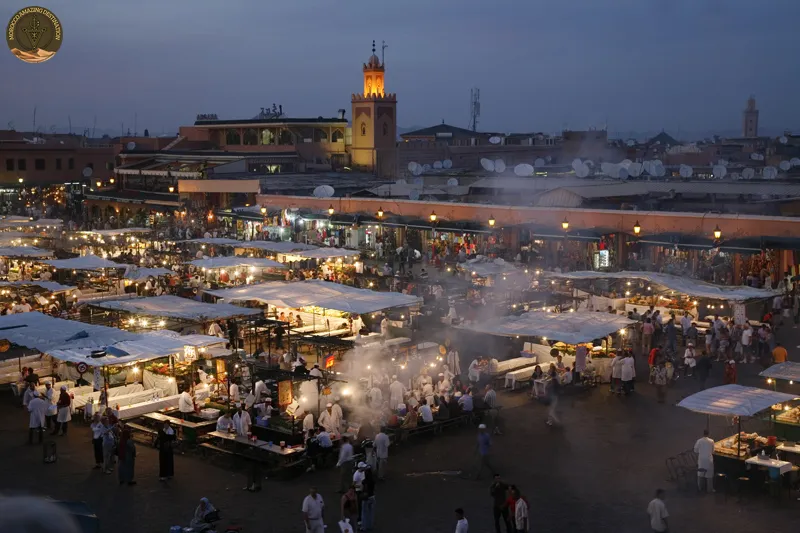
You can’t have Marrakech’s best weather without its biggest crowds — unless you learn to read the seasons. So when is high season in Marrakech? The short answer: roughly March to May and September to November, with sharper spikes around Christmas, New Year and Easter.
Those windows bring warm days, cool evenings and the most reliable sunshine of the year — along with the highest riad rates and the tightest availability. In this guide, we will break down exactly when Marrakech’s high season falls, what it means for crowds and prices, and how to plan around it.
When Is High Season in Marrakech? The Short Answer
Marrakech high season broadly spans March to May and September to November. These months pair warm, dry, sunny days with comfortable evenings — ideal for medina walking, garden visits, rooftop dinners and day trips into the Atlas Mountains or the desert.
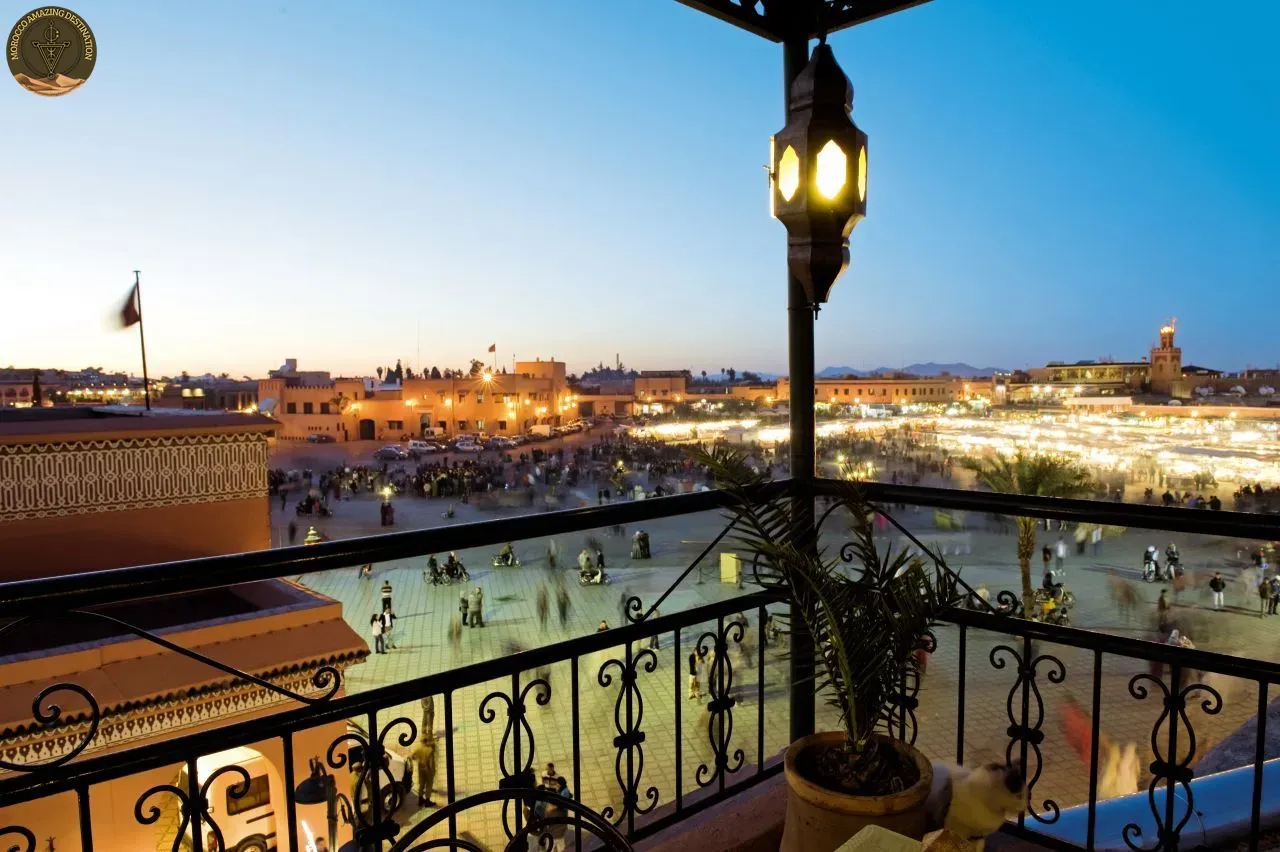
Within those seasons, demand follows the school-holiday calendar as much as the thermometer:
- Spring (March–May): Easter and spring breaks push April to the front of the booking queue.
- Autumn (September–November): October half-term makes October the busiest autumn month.
- Peak of peak: Christmas, New Year and Easter can be the busiest and priciest weeks of all.
A second, distinct peak sits around Christmas and New Year, when travellers chasing winter sun fill the city during its mild, bright December days. The good news: outside those few holiday weeks, spring and autumn still leave plenty of breathing room.
Spring also brings almond blossom in the Atlas foothills, while autumn offers clear, golden light for photography.
Weather, Crowds and Riad Prices in Peak Season
High season is prized for weather quality. Daytime highs typically reach 22–28°C, rainfall is low and the days are long — the most reliable window for outdoor Marrakech activities. Expect cool evenings, so pack a light layer for rooftop dinners.
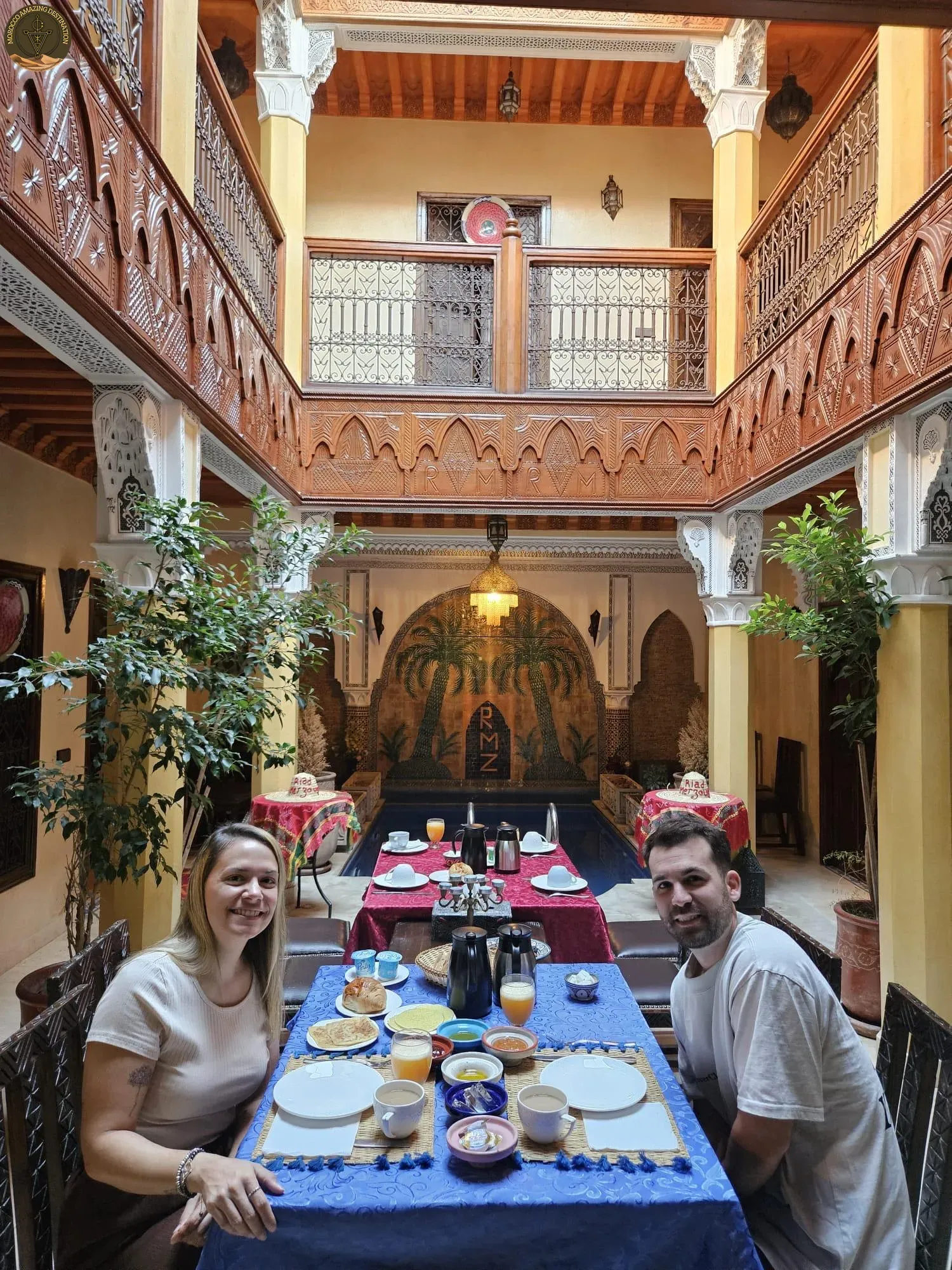
The trade-off arrives in three forms: crowds, prices and availability.
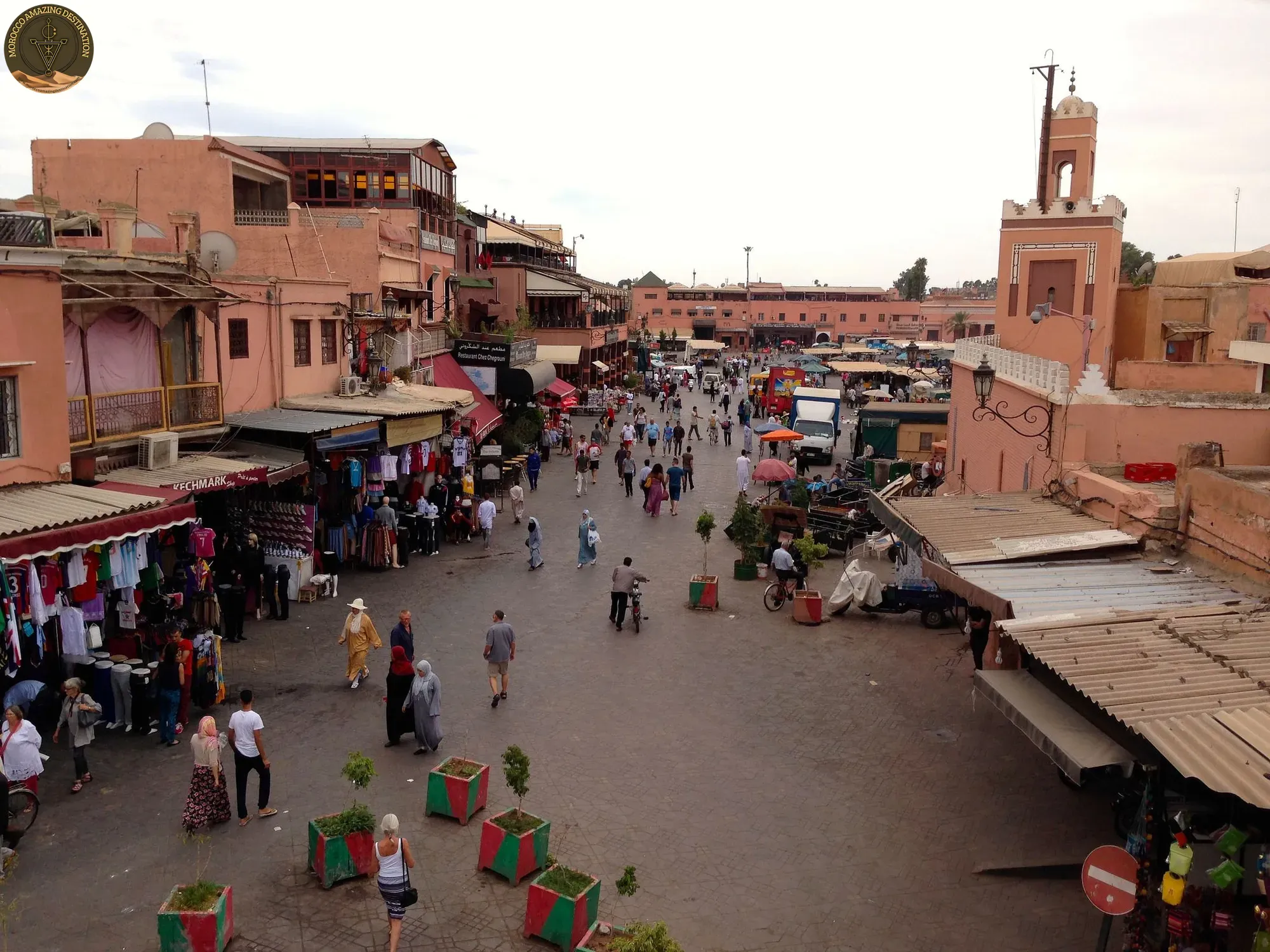
- Crowds: Jemaa el-Fnaa, the souks, gardens and headline palaces are busiest, and timed-entry sites can sell out.
- Prices: hand-picked riads, boutique hotels and luxury desert camps charge more in peak weeks.
- Availability: private guides and drivers sell out first for Easter, October half-term and the festive fortnight.
That is why so many travellers ask a follow-up question: is high season also the best time to visit marrakech? For weather, largely yes. For value and space, not always. Shift your dates by a few weeks and you can keep the sunshine while escaping the premium. Shoulder weeks in late March, early May and November soften the impact on both crowds and rates.
Marrakech’s Busiest Windows: Christmas, New Year and Easter
On top of spring and autumn, two holiday-driven windows push Marrakech to its absolute busiest: the Christmas and New Year period, and the Easter break. Both are driven by school holidays and demand for winter sun, not by weather alone.
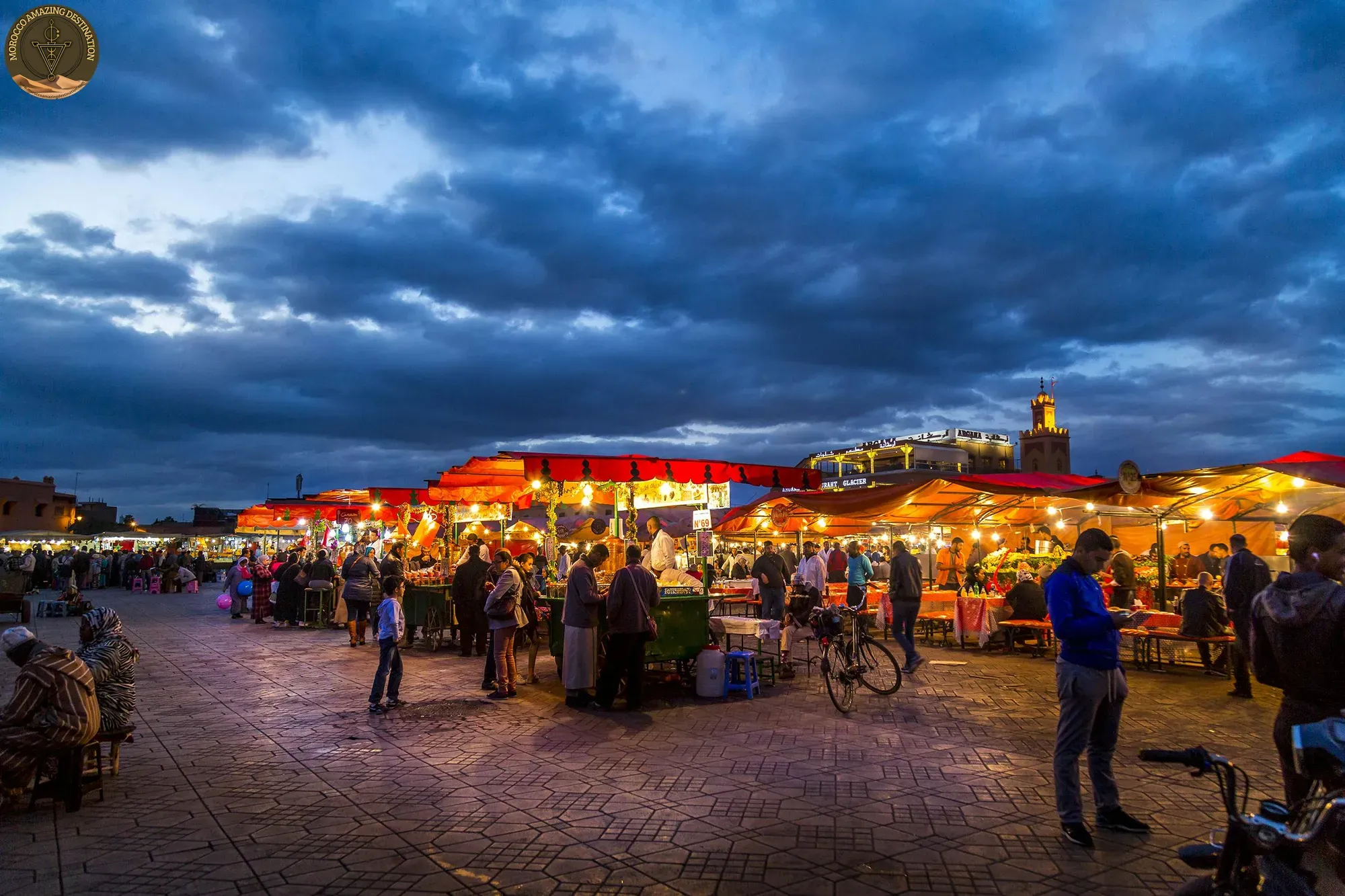
Because these peaks follow holiday calendars, their timing moves every year. Treat them as moving windows rather than fixed weeks, and build a little flexibility into your plans.
Christmas and New Year bring bright, mild December days and the heaviest winter-sun demand; the final fortnight of December is the most competitive. Easter adds spring warmth to a school break, filling riads and desert camps weeks in advance.
October half-term creates a second autumn surge. For all of these dates, book accommodation, a private guide and any desert extension well ahead. If your dates are fixed, expect to pay more and reserve further ahead.
Shoulder and Low Season: Summer Heat and Ramadan
If you want Marrakech’s landmarks without the crush, look just outside the peaks. Summer is the city’s marrakech low season: June to August brings daytime highs from the mid-30s to low-40s°C.
Sightseeing shifts to early morning and evening, and a pool becomes essential. In return, riads and desert camps discount deeply and availability opens up — good for heat-tolerant and budget-focused travellers, less ideal for families with young children.
Winter, outside the festive fortnight, is a soft shoulder: sunny days around 18–21°C, cold nights near 5–8°C, occasional rain and thinner crowds. Check whether your riad is heated before you book.
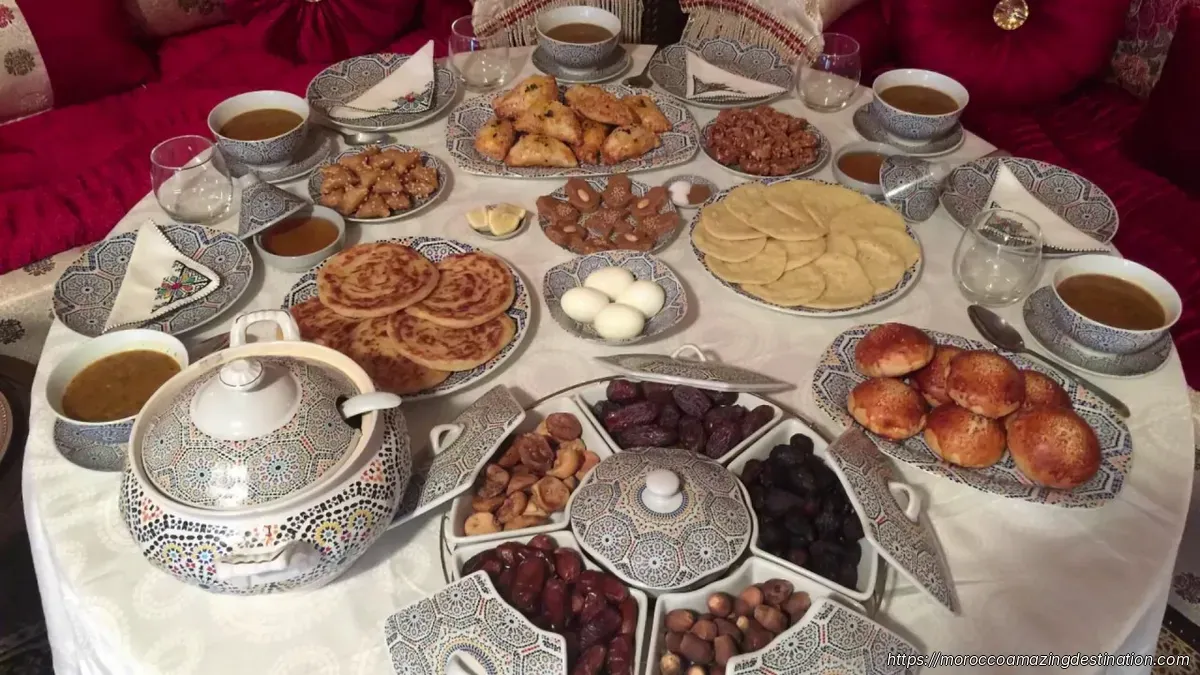
Ramadan shifts earlier each year and changes the city’s daily rhythm. Daytime is quieter, some cafés run reduced hours, and evenings are warm and social. Ramadan rewards respectful travellers who plan meals and touring hours around the new rhythm. For the best balance of weather, value and space, aim for the edges of high season: late March, early May, late September or November.
How to Plan Around Marrakech High Season
Timing is the single biggest lever on the price, comfort and atmosphere of a Marrakech trip. A few habits make peak season work in your favour:
- Book 2–3 months ahead for Easter, October half-term and the Christmas and New Year fortnight.
- Shift a few weeks either side — late March or November balance weather, value and space.
- Start early and go out late for the calmest hours in the medina and souks.
- Secure a private guide and driver before you fly to avoid peak-week scarcity.
Marrakech works year-round — the trick is matching the season to the trip you want. Chase the spring bloom, the autumn light, the quiet of summer or the mild winter sun. Whenever you travel, a private local operator can handle the logistics and keep the trip hassle-free. Good timing and a reliable local partner together turn a good trip into an effortless one.
For a classic taste of the south, our 3-Day Trip from Marrakech to Merzouga crosses the High Atlas to the Sahara dunes. Prefer more time? The 4-Day Morocco Desert Tour from Marrakech adds Ait Benhaddou, the Dades Valley and a desert camp under the stars. For a wider view of Morocco’s timing, read our full seasonal guide.
We can customize a tour to match your needs — design your perfect itinerary
If you found this helpful, add us as your preferred source on Google.
Frequently Asked Questions
When exactly is high season in Marrakech?
Marrakech's high season runs roughly March to May and September to November. Within those months, the busiest weeks can fall around Easter, the October half-term and the Christmas and New Year period.
Is high season also the best time to visit?
For weather, largely yes: expect sunny days around 22–28°C and cool evenings. For lower prices and thinner crowds, the shoulder edges of the season — late March, early May, late September and November — often strike a better balance.
When is the cheapest time to visit Marrakech?
Summer, from June to August, is Marrakech's low season. Daytime temperatures climb into the mid-30s and low-40s°C, but riads and hotels discount and availability improves. Winter outside the festive fortnight is also quieter and competitively priced.
Does Ramadan affect a Marrakech trip?
Ramadan shifts earlier each year and changes daily rhythms. Some restaurants and cafés run reduced daytime hours and the medina is quieter by day, while evenings are warm and social. Marrakech remains open and rewarding — just plan meals and touring times around it.
Ready for an Adventure?
Have questions? Feel free to contact us using the form below. We're here to help!