· Travel · 6 min read
When is a Good Time to Travel to Morocco? A Complete Seasonal Guide
Discover the best time to travel to Morocco with our comprehensive seasonal guide covering weather, events, and travel tips for every season.
Are you dreaming of wandering through the vibrant souks of Marrakech, trekking across the golden dunes of the Sahara, or exploring the blue-painted streets of Chefchaouen? Understanding when is a good time to travel to Morocco is the first step to planning your perfect adventure. Morocco offers incredible experiences year-round, but the best time to visit Morocco depends on what you want to see and do.
This comprehensive Morocco travel seasons guide will help you navigate the country’s diverse climate, from the scorching summers of the interior to the mild winters of the coast. Whether you’re planning a Morocco seasonal travel guide for desert adventures, city exploration, or beach relaxation, we’ve got you covered.
Understanding Morocco’s Climate Diversity
Morocco is a country of remarkable geographical diversity, which means the Morocco weather by month varies dramatically depending on where you go. The kingdom stretches from the Atlantic coast in the west to the Sahara Desert in the east, with the Atlas Mountains running through the center of the country.
This geography creates several distinct climate zones:
- Coastal regions (Essaouira, Agadir, Casablanca): Moderated by ocean breezes, mild year-round
- Inland cities (Marrakech, Fes, Meknes): Hot summers, cold winters with extreme temperature swings
- Sahara Desert (Merzouga, Mhamid): scorching days, freezing nights, minimal rainfall
- Atlas Mountains: Snow in winter, pleasant summers, ideal for hiking in spring and autumn
Understanding these regional differences is key to answering “when to go to Morocco” for your specific interests.
Spring in Morocco: The Best Season to Travel (March – May)
Spring is widely considered the best time to visit Morocco, and for good reason. After the winter rains, the landscape transforms into a tapestry of greens and wildflowers, particularly in the Atlas Mountains and valleys.
Weather Overview
- Temperature: Daytime highs of 20-28°C (68-82°F), comfortable evenings around 12-15°C (54-59°F)
- Rainfall: Minimal, occasional spring showers
- Sunshine: Abundant, averaging 8-10 hours daily
Why Spring is the Best Time to Travel to Morocco
Spring offers the perfect balance for exploring all regions of Morocco. The weather is comfortable enough for:
- Hiking in the Atlas Mountains
- Desert excursions in the Sahara
- City exploration in Marrakech and Fes
- Coastal walks in Essaouira
The Morocco travel seasons reach their peak during April and May, when the famous Rose Festival in the Dades Valley celebrates the harvest. This is also when the M’Goun valley comes alive with blooming roses, creating stunning photo opportunities.
Travel Tips for Spring
- Book accommodations well in advance – this is peak tourist season
- Pack layers for variable temperatures between day and night
- Early March can still have some rain in the north; pack a light waterproof jacket
Summer in Morocco: Best for Coast (June – August)
Summer presents a paradox for travelers asking “when is a good time to travel to Morocco?” – it’s excellent for some regions and challenging for others.
Weather Overview
- Coastal areas: Pleasant 22-28°C (72-82°F) with cooling Atlantic breezes
- Inland cities: Scorching 35-45°C (95-113°F)
- Sahara Desert: Extreme heat exceeding 40°C (104°F) during the day
Best Uses for Summer Travel
Summer is the ideal time to:
- Visit beach destinations like Essaouira, Agadir, and Taghazout
- Escape the heat in the Atlas Mountains (higher altitudes remain cool)
- Experience the Gnaoua World Music Festival in Essaouira (June)
- Explore northern cities like Tangier and Chefchaouen
Challenges of Summer Travel
The interior cities become uncomfortably hot during summer. If you’re planning a Morocco seasonal travel guide focused on desert or city trips, consider:
- Scheduling outdoor activities for early morning or late evening
- Choosing accommodations with air conditioning
- Staying hydrated and protecting against sun exposure
Autumn in Morocco: The Second Best Time (September – November)
Like spring, autumn ranks high on the best time to visit Morocco list. As the summer heat breaks, the country welcomes another ideal season for exploration.
Weather Overview
- Temperature: Daytime highs of 22-30°C (72-86°F), cool evenings around 10-15°C (50-59°F)
- Rainfall: Minimal, though November may see some rain in the north
- Sunshine: Excellent, averaging 8-9 hours daily
Why Autumn is a Great Time to Travel
Autumn offers similar advantages to spring with fewer crowds in some areas. The Morocco travel seasons during fall are perfect for:
- Desert tours – the Sahara is comfortable for camel trekking and camping
- Exploring Imperial Cities without the intense heat
- Photography trips – the golden light and clear skies are ideal
- Date harvest season in the Sahara region (October-November)
October is particularly magical for Morocco weather by month standards – the pre-sunset window stretches longer, and the Sahara dunes take on a deep orange warmth perfect for photography.
Travel Tips for Autumn
- Pack a light jacket for evenings, especially in desert and mountain regions
- Early September can still feel like summer in cities – adjust expectations
- November brings increased chance of rain – pack accordingly
Winter in Morocco: Best for Budget Travelers (December – February)
Winter offers a different kind of magic for those asking “when is a good time to travel to Morocco?” It may not be the best time to visit Morocco for everyone, but it has distinct advantages.
Weather Overview
- Coastal cities: Mild 15-20°C (59-68°F), comfortable for exploration
- Inland cities: Cool 10-18°C (50-64°F), cold nights
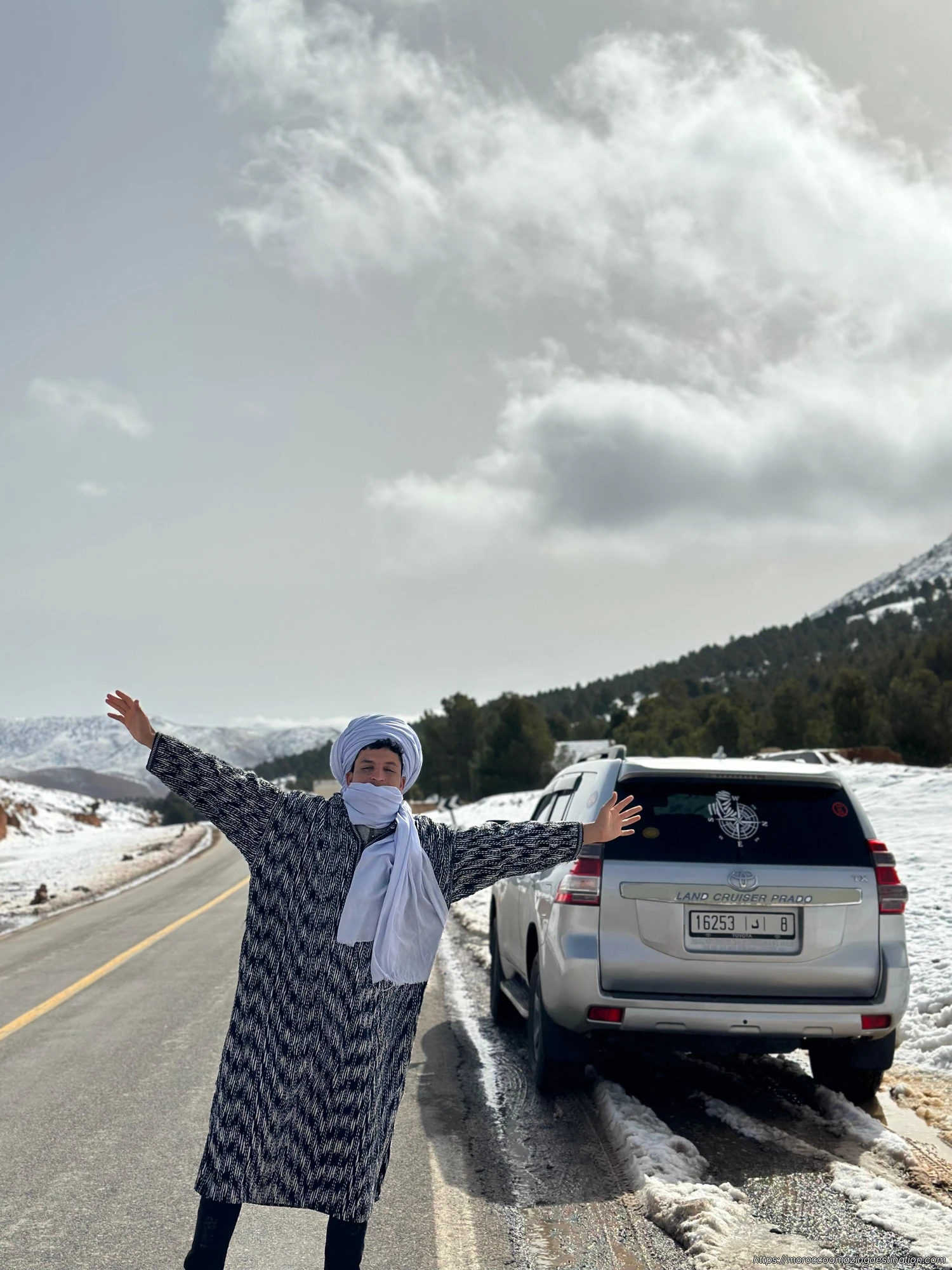
- Atlas Mountains: Snow-covered, excellent for skiing
- Sahara Desert: Comfortable days (15-20°C), freezing nights below 0°C
Advantages of Winter Travel
- Lower costs: Significant savings on accommodations and flights
- Fewer crowds: Major tourist sites are less busy
- Unique experiences: Skiing in the Atlas Mountains, cozy riad evenings
- Cultural events: Marrakech International Film Festival in December
Challenges of Winter Travel
- Desert camping can be cold at night – proper gear essential
- Some mountain passes may be closed due to snow
- Limited daylight hours for outdoor activities
- Some traditional riads lack central heating
Best Regions in Winter
Focus on coastal cities (Essaouira, Casablanca), imperial cities (Marrakech, Fes), and Atlas mountain skiing. Avoid multi-day desert tours unless you’re prepared for cold nights.
Best Time to Visit Morocco by Region
Your answer to “when to go to Morocco” should depend on your destination:
For Desert Adventures (Merzouga, Mhamid, Zagora)
- Best: October to April
- Avoid: June to August (extreme heat)
- Spring offers wildflowers; autumn brings comfortable temperatures
For Atlas Mountains (Toubkal, M’Goun)
- Best: April to June, September to November
- Winter offers skiing but requires proper equipment
- Summer is pleasant at higher altitudes
For Coastal Cities (Essaouira, Agadir)
- Best: May to September
- Year-round mild climate
- Summer brings surf conditions and beach weather
For Imperial Cities (Marrakech, Fes, Meknes)
- Best: March to May, September to November
- Avoid: July-August (intense heat)
- Winter is workable with cold nights
Conclusion: Finding Your Perfect Time
The answer to “when is a good time to travel to Morocco” ultimately depends on your priorities. Here’s a quick summary:
- Best overall: Spring (March-May) and Autumn (September-November)
- Best for beaches: Summer (June-August)
- Best for skiing: Winter (December-February)
- Best budget: January-February (excluding holidays)
- Worst time: Late July-August for inland cities
For most travelers, April or October represents the best time to visit Morocco – comfortable weather across all regions, manageable crowds, and fair pricing. You can explore the Sahara, trek the mountains, and wander through medinas without climate restrictions.
Remember that Morocco travel seasons affect pricing and availability. Peak season (April-May, September-October) means higher prices and advance bookings. Off-season offers deals but with some trade-offs in weather or accessibility.
Related Tours
Planning your Morocco trip? Here are some highly-rated tours that work well year-round:
4-Day Morocco Desert Tour from Marrakech – Explore the Sahara Desert, visit Ait Ben Haddou, and traverse the Dades Valley on this comprehensive adventure. Perfect for experiencing Morocco’s diverse landscapes in just a few days.
4-Day Trip from Tangier to Marrakech – Journey from the northern gateway of Tangier through Chefchaouen, Fes, the Sahara Desert, and into Marrakech. An ideal introduction to Morocco’s imperial cities and natural wonders.
Both tours are available throughout the year, with spring and autumn offering the most comfortable conditions for the desert portions.
Frequently Asked Questions
What is the best time to visit Morocco?
The best time to visit Morocco is during spring (March to May) and autumn (September to November) when temperatures are mild, weather is pleasant, and tourist crowds are manageable.
When is the cheapest time to travel to Morocco?
The cheapest time to travel to Morocco is during the winter months (December to February), excluding the Christmas and New Year period. You can find better deals on accommodations and flights.
Is summer a good time to visit Morocco?
Summer can be good for visiting Morocco's coastal cities like Essaouira and Agadir, where the Atlantic breeze keeps temperatures comfortable. However, inland cities like Marrakech and the Sahara Desert become extremely hot.
What should I pack for Morocco based on the season?
For spring and autumn, pack layers, comfortable walking shoes, and a light jacket for evenings. Summer requires breathable clothing and sunscreen. Winter needs warm layers, especially for mountain regions and desert nights.