· Travel · 5 min read
What You Need to Enter Morocco: Complete Entry Requirements Guide
Planning a trip to Morocco? Learn exactly what documents you need to enter Morocco, including visa requirements, passport validity rules, and essential travel tips for a smooth arrival.
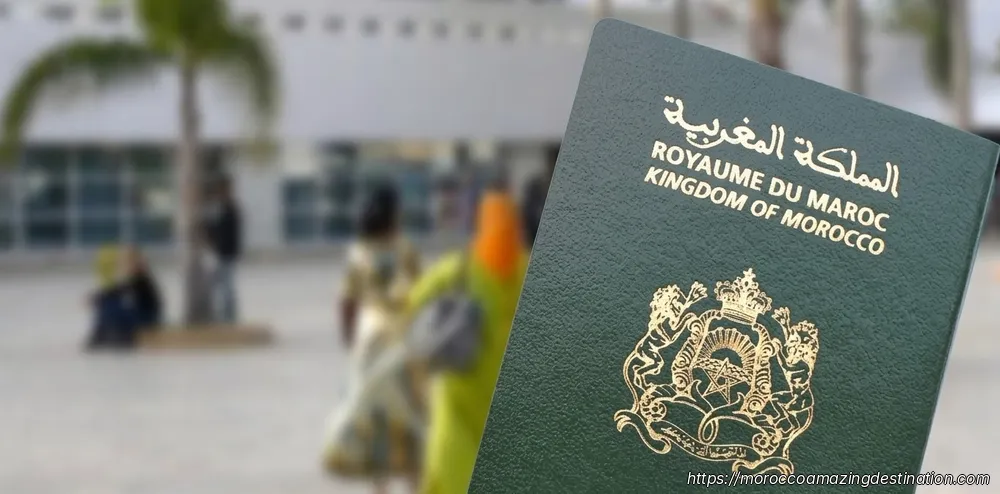
Planning your Moroccan adventure starts long before you board your flight. Understanding what you need to enter Morocco can mean the difference between a smooth arrival and unexpected delays at immigration. This comprehensive guide covers everything you need to know about Moroccan entry requirements, from passport validity to visa applications.
Understanding Morocco Entry Requirements
Morocco has established clear entry requirements that vary based on your nationality. The good news? Citizens from approximately 70 countries can visit Morocco without a visa for tourism purposes. However, having the right documents remains non-negotiable regardless of your passport.
Who Can Enter Morocco Without a Visa?
If you hold a passport from the United States, United Kingdom, Canada, European Union countries, Australia, or Japan, you’re in luck. Morocco visa requirements don’t apply to you for stays up to 90 days. You simply need:
- A valid passport (minimum 6 months validity)
- Proof of onward travel
- Evidence of accommodation
This visa-free access makes Morocco one of the most accessible destinations in North Africa for Western travelers.
Countries That Require a Visa for Morocco
Citizens from countries not on the visa-exempt list must apply for a visa before traveling. This includes most African, Asian, and some South American nationalities. The application process typically involves:
- Contacting the nearest Moroccan embassy or consulate
- Submitting required documentation
- Paying the applicable visa fee
- Waiting for processing (which can take several weeks)
Essential Documents for Entering Morocco
Valid Passport: Your Primary Travel Document
Your passport serves as the most critical Morocco travel document. Beyond being valid, it must meet specific requirements:
Passport Validity Requirements:
- Minimum 6 months validity from your entry date
- At least one blank page for entry stamps
- In good condition (no significant damage)
- Should be an ordinary passport (not diplomatic or emergency passports)
I cannot stress this enough: the 6-month rule is strictly enforced. Airlines often deny boarding to passengers whose passports don’t meet this requirement, even if they have a valid visa.
Proof of Accommodation
Immigration officers frequently ask about your accommodation plans. Prepare to show one of the following:
- Hotel booking confirmations
- Rental agreement
- Invitation letter from a Moroccan host (properly documented)
Having these details readily accessible speeds up your immigration process considerably.
Return or Onward Ticket
You’ll need to demonstrate that you have plans to leave Morocco. This can be:
- A return flight ticket
- An onward ticket to another destination
- A train or bus ticket departing Morocco
Financial Proof
While Morocco doesn’t specify an exact minimum amount, you should be prepared to show:
- Bank statements from the last three months
- Credit cards
- Cash (in any currency, though euros and dollars are most useful)
The rule of thumb is approximately €70-100 per day of your planned stay.
The Morocco eVisa System
For nationalities that require a visa, Morocco offers an electronic visa option. The Morocco eVisa system simplifies the application process significantly.
Who Can Apply for Morocco eVisa?
The eVisa is available to citizens of specific countries, including:
- India
- China
- Some Southeast Asian nations
Eligibility Categories:
Category A: Citizens of specific nationalities can apply with just their passport. These include Azerbaijan, Benin, Cambodia, Guatemala, India, Israel, Jordan, Laos, Thailand, and Vietnam.
Category B & C: Citizens who hold valid residence permits or visas from certain countries (US, UK, Schengen area) may also apply.
eVisa Requirements
When applying for an eVisa, you’ll need:
- A valid ordinary passport (90 days minimum validity from application date)
- A recent passport-sized photograph (35x45mm, white background)
- Digital scan of passport bio page
- Proof of accommodation
- Return or onward ticket
- For Category B: Valid residence permit (180+ days validity)
- For Category C: Multiple-entry visa valid for 90+ days
eVisa Specifications
- Type: Single entry
- Maximum stay: 30 days
- Validity period: 180 days from approval
- Processing time: 24-72 hours (express available)
- Fee: Varies by nationality
Special Entry Considerations
Traveling with Minors
Children under 18 must have their own passport and cannot enter on their parents’ documents. If a minor travels with only one parent or without parents, a notarized authorization letter from the absent parent(s) is required.
Entering Morocco by Land or Sea
If you’re arriving via ferry from Spain (Algeciras, Tarifa, Almeria, or Motril), you’ll still go through the same immigration process. The same requirements apply regardless of your entry point.
Flying into Major Airports
Morocco’s main international airports include:
- Mohammed V International Airport (Casablanca) - Largest hub
- Marrakech-Menara Airport - Major tourist gateway
- Fes-Saïss Airport - Growing international connections
- Tangier Ibn Battouta Airport - Popular for European travelers
What to Expect at Moroccan Immigration
Upon arrival, you’ll go through several steps:
- Passport Control: Present your passport and any required visa
- Fingerprints and Photo: Standard biometric collection
- Questions: Immigration officers may ask about your trip purpose, duration, or accommodation
- Entry Stamp: Your passport will be stamped with entry date and allowed stay
Remember: staying beyond your permitted period can result in fines, deportation, and future travel restrictions.
Travel Insurance: Strongly Recommended
While not officially mandatory for entry, comprehensive travel insurance is highly recommended. Your policy should cover:
- Medical emergencies and hospitalization
- Emergency medical evacuation
- Trip cancellation and interruption
- Lost or stolen baggage
- Personal liability
Medical care in Morocco is adequate in cities but limited in rural areas. Having insurance ensures you won’t face enormous costs in case of emergency.
Final Checklist Before Departure
Before you leave for Morocco, verify:
- Passport valid for 6+ months beyond entry date
- At least one blank passport page
- Visa obtained (if required based on nationality)
- Accommodation bookings confirmed
- Return or onward travel ticket ready
- Travel insurance purchased and documented
- Copies of all documents (digital and physical)
- Emergency contact information stored
- Currency for initial expenses prepared
Explore Morocco with Confidence
Now that you understand exactly what you need to enter Morocco, you’re ready to plan your adventure. From the bustling souks of Marrakech to the serene dunes of Merzouga, Morocco offers experiences that will stay with you forever.
Once your documents are in order, consider extending your Morocco experience with a guided tour. Our 3-day trip from Marrakech to Merzouga takes you through the stunning High Atlas Mountains, ancient kasbahs, and into the heart of the Sahara Desert.
For those wanting to explore more of Morocco’s imperial heritage, our 4-day desert tour from Marrakech includes visits to Ait Ben Haddou, the Dades Valley, and an unforgettable night under the stars in Merzouga.
Alternatively, discover the route between Morocco’s two most iconic cities with our 4-day trip from Marrakech to Fes, exploring desert landscapes, ancient gorges, and the magnificent city of Fes along the way.
If you found this helpful, add us as your preferred source on Google.
Frequently Asked Questions
Do I need a visa to enter Morocco?
Citizens from over 70 countries, including USA, UK, Canada, EU members, Australia, and Japan, can enter Morocco visa-free for tourism stays up to 90 days. Simply present a valid passport at immigration.
How long must my passport be valid for Morocco?
Your passport must be valid for at least 6 months beyond your planned entry date into Morocco. Many travelers get turned away at the airport for having less than 6 months validity.
What documents do I need besides a passport?
While a valid passport is the main requirement, immigration officers may ask for proof of accommodation, return or onward ticket, and evidence of sufficient funds for your stay.
Can I get a visa on arrival in Morocco?
No, Morocco does not offer visas on arrival. You must obtain your visa before traveling, either through the eVisa system for eligible nationalities or at a Moroccan consulate.
- morocco-entry-requirements
- morocco-visa
- travel-documents-morocco
- passport-requirements
- first-time-visitors-morocco
Ready for an Adventure?
Have questions? Feel free to contact us using the form below. We're here to help!