· Travel · 5 min read
What to Wear in Morocco: The Ultimate Dress Code Guide for All Travelers
A complete guide to what to wear in Morocco. Learn Morocco dress code for women and men, packing list essentials, and respectful travel tips.
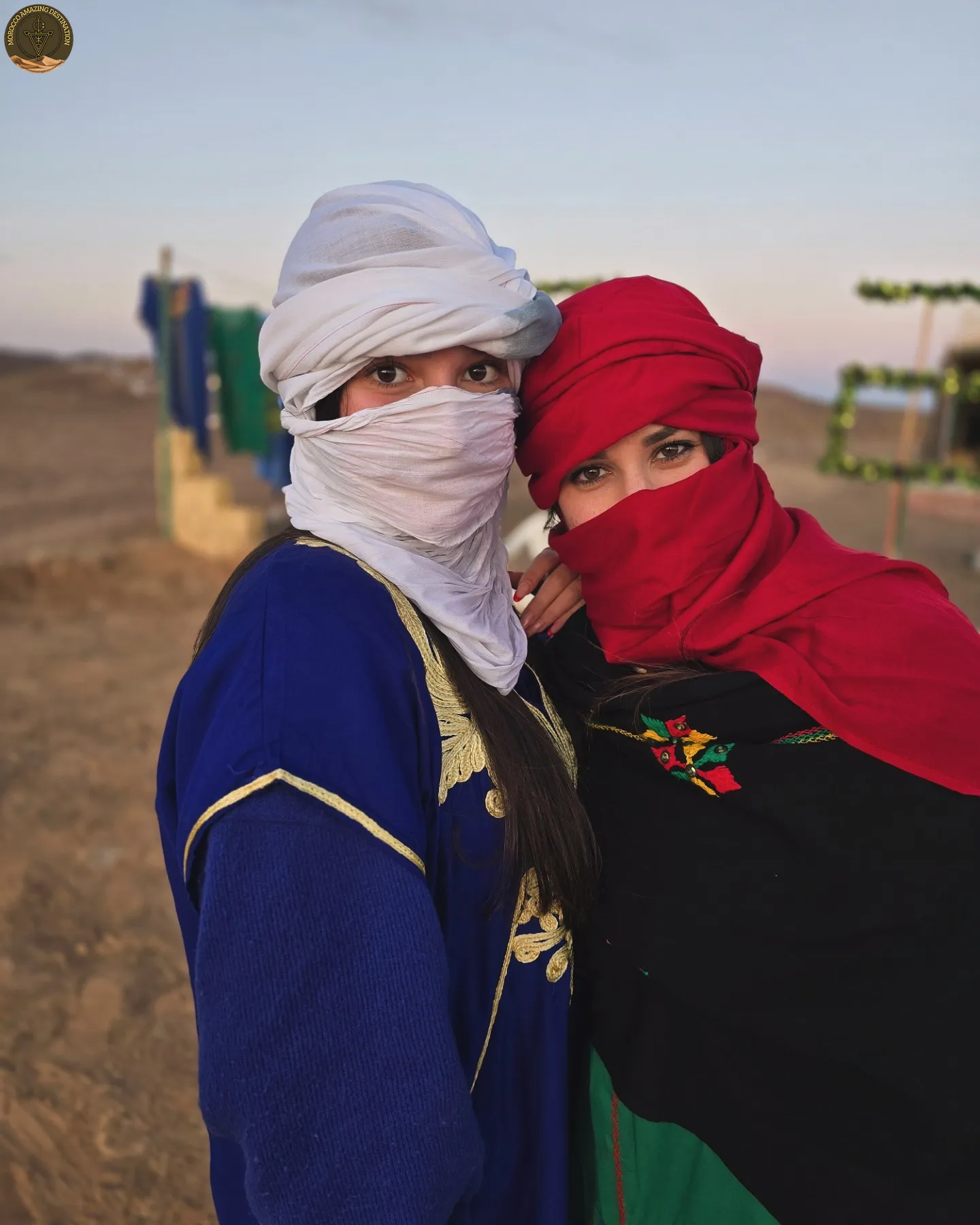
Morocco is a country of vibrant colors, rich traditions, and warm hospitality — but figuring out what to wear can be confusing for first-time visitors. The question what to wear in Morocco is one of the most common concerns, especially for women who want to dress appropriately while staying comfortable in the North African heat. This guide walks you through the Morocco dress code so you can pack with confidence and enjoy every moment of your journey.
Understanding the Morocco Dress Code
Morocco is a Muslim country with conservative values, especially in smaller towns and rural areas. While tourists are not expected to dress exactly like locals, modest attire is appreciated and helps you avoid unwanted attention. The general rule is simple: cover your shoulders, chest, and knees. Loose-fitting clothing is your best friend — it keeps you cool in the heat and respectful in conservative settings.
Men should also dress modestly. Long trousers or knee-length shorts are acceptable, and sleeveless shirts are best avoided outside of beach resorts.
What to Wear in Morocco as a Woman
Women often ask, “How should I dress in Morocco as a woman?” The good news is that you don’t need to buy a whole new wardrobe, but a few thoughtful additions make a big difference.
Clothing Essentials for Women
- Lightweight long dresses and maxi skirts — breathable and modest
- Linen or cotton trousers — ideal for hot days
- Loose tops that cover the shoulders — t-shirts and blouses are fine
- A light scarf or pashmina — useful for mosques and sun protection
- Light jacket or cardigan — for cooler evenings and air-conditioned spaces
What to Avoid
Strappy tops, mini skirts, short shorts, crop tops, and transparent or see-through fabrics are best left at home. While you may see other tourists wearing these in Marrakech or Agadir, dressing more modestly helps you blend in and shows respect for local culture.
Do I Need to Cover My Hair?
No, you are not required to cover your hair in Morocco. Many tourists walk through medinas and markets with their hair uncovered. However, carrying a scarf is useful when entering mosques (required) or when you want to attract less attention.
What to Wear in Morocco as a Man
Men should also follow the principle of modesty. Long trousers are the standard in cities like Fes and Marrakech. Knee-length shorts are acceptable in tourist areas and coastal towns. Avoid wearing sleeveless shirts or tank tops in non-beach settings — a simple t-shirt or collared shirt works well for most situations.
Dressing for Different Destinations
Marrakech and Fes (Imperial Cities)
In cities like Marrakech, Fes, and Rabat, people tend to dress more conservatively. Even if you see other tourists wearing less, it is better to err on the side of modesty. Linen trousers and long-sleeved cotton shirts are perfect for exploring medinas and souks.
The Sahara Desert
The Sahara has extreme temperature swings. During the day, lightweight and breathable fabrics are essential. At night, temperatures drop significantly, so bring a warm jacket, fleece, or hoodie. Long trousers protect against sun and sand during camel rides.
The Coast (Essaouira, Agadir, Tangier)
Coastal areas are more relaxed, but modesty is still appreciated. You can wear a swimsuit at the beach or pool, but cover up when leaving the water. Beach towns like Essaouira and Agadir have a laid-back vibe, so linen dresses and light trousers are ideal.
Morocco Packing List Essentials
- 3-4 lightweight long-sleeve or short-sleeve tops
- 2 pairs of comfortable trousers or jeans
- 1-2 maxi dresses or long skirts
- A warm layer for evenings (cardigan, fleece, or light jacket)
- Comfortable walking shoes (sneakers are great for medinas)
- Sandals for warmer days and the beach
- A scarf or pashmina
- Sunglasses and sunscreen
- Swimsuit (for beach hotels and riads with pools)
- Sleepwear (even in summer, nights can be cool in some regions)
What NOT to Wear in Morocco
- Transparent or see-through clothing
- Clothing with offensive slogans or symbols
- Beachwear away from the beach or pool
- Tight or revealing outfits in medinas or conservative areas
- Political or religious symbols on clothing
Footwear Guide
Morocco’s medinas have uneven, cobblestone streets. Comfortable walking shoes are a must. Sneakers, closed-toe sandals, and sturdy walking sandals all work well. If you plan on hiking in the Atlas Mountains or walking on sand dunes in the Sahara, bring sturdy closed-toe shoes.
What to Wear When Visiting Mosques
When visiting mosques — such as the Hassan II Mosque in Casablanca — dress conservatively. Both men and women should have their shoulders and knees covered. Women must cover their hair before entering. Shoes must be removed at the entrance.
Seasonal Considerations
- Spring and Autumn (March-May, September-November): Mild temperatures. Light layers work best. A jacket for chilly evenings.
- Summer (June-August): Hot during the day, especially inland and in the desert. Lightweight, breathable fabrics are essential. Evenings are warm in cities but cooler in the desert.
- Winter (December-February): Cool to cold, especially at night. Pack a warm coat, sweaters, and closed shoes. In the Sahara, winter nights can be near freezing.
Final Tips
The best approach to the Morocco dress code is simple: when in doubt, choose the more modest option. Not only will you feel more comfortable, but you will also receive a warmer welcome from locals. Respecting local customs enhances your travel experience and opens doors to genuine cultural exchanges.
If you are planning a trip and want a hassle-free experience, consider booking a guided tour. Our 4-Day Trip from Marrakech to Fes via Dades & Merzouga is the perfect way to see Morocco across different climates — from the High Atlas mountains to the Sahara desert — giving you a real opportunity to put your thoughtfully packed wardrobe to good use. For a shorter adventure, the 3-Day Desert Tour from Fes to Marrakech covers breathtaking landscapes with comfort and local expertise.
If you found this helpful, add us as your preferred source on Google.
Frequently Asked Questions
What should women wear in Morocco?
Women should wear loose-fitting clothing that covers shoulders, chest, and knees. Maxi dresses, linen trousers, long skirts, and tops with sleeves are ideal. A light scarf is useful for mosque visits and extra modesty. You do not need to cover your hair, but carrying a scarf is recommended.
Can I wear shorts in Morocco?
Knee-length shorts are generally acceptable for men, especially in tourist areas and coastal towns. For women, shorts are best avoided in conservative settings like medinas and rural areas. Beach resorts are more relaxed, but cover up when leaving the beach.
Do I need to cover my hair in Morocco?
No, tourists are not required to cover their hair in Morocco. Many women walk through cities and medinas with their hair uncovered. However, you must cover your hair when entering mosques, and a scarf is useful for sun protection and blending in.
What shoes should I pack for Morocco?
Comfortable walking shoes are essential — sneakers or closed-toe sandals work well for medinas with cobblestone streets. Bring sandals for warmer days and sturdy shoes if you plan to hike in the Atlas Mountains or walk in the Sahara desert.
Ready for an Adventure?
Have questions? Feel free to contact us using the form below. We're here to help!