
· Travel · 5 min read
What to Buy in Morocco Market: Souks, Prices and Haggling
Wondering what to buy in Morocco market stalls? Our guide covers rugs, leather, spices, prices and haggling tips. Start planning.
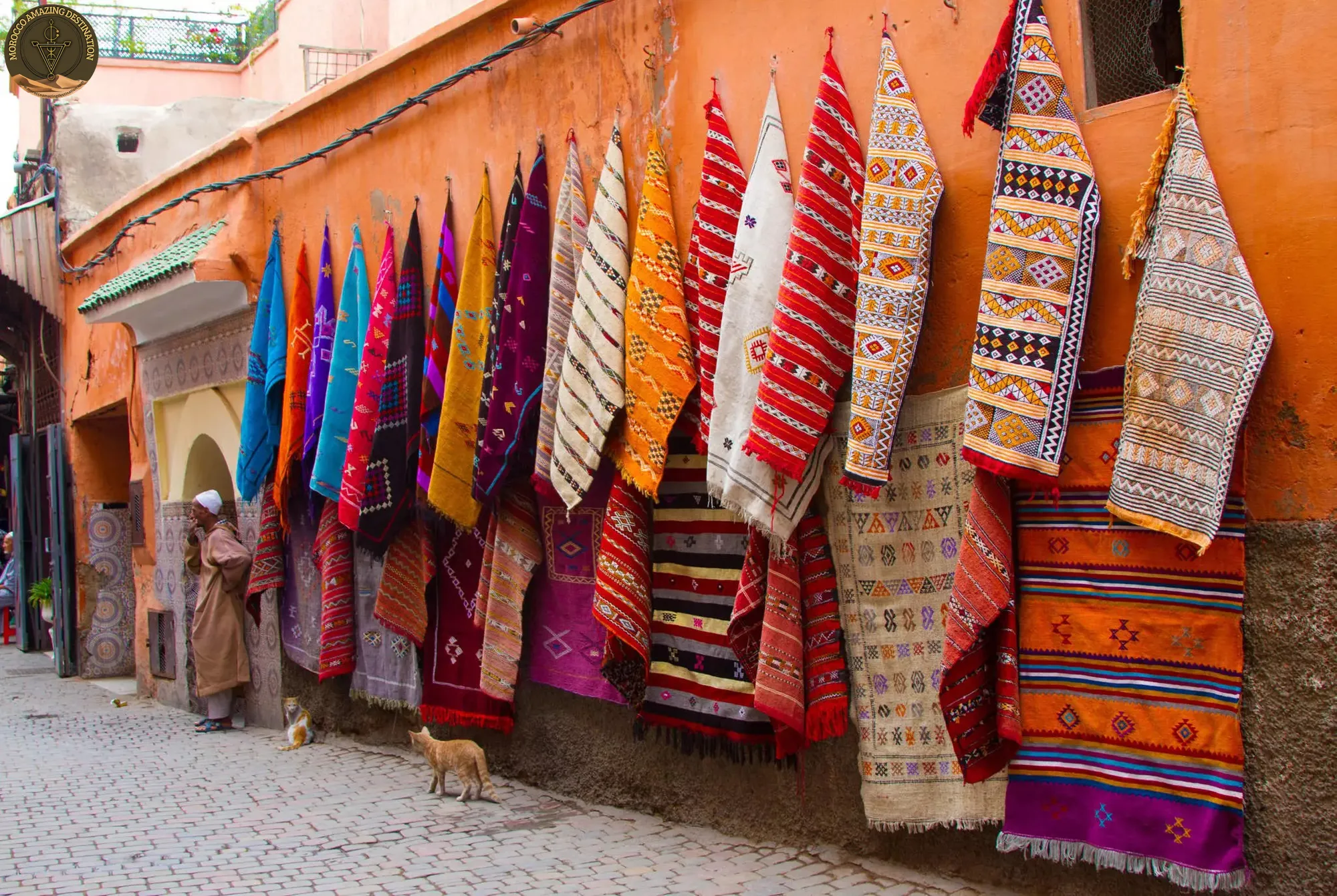
Walking into a Moroccan souk for the first time is pure sensory overload, with pyramids of spices, hanging lanterns and soft wool rugs stacked to the ceiling. If you are wondering what to buy in Morocco market alleys, the short answer is this: focus on handmade pieces you can check with your eyes and hands, from rugs and leather to ceramics, argan oil and saffron.
In this guide, we will break down the best Moroccan souvenirs by category, with fair prices, haggling rules and packing tips. This Morocco shopping guide keeps things simple so you buy well and carry home pieces that last. You will also learn which city does each craft best, so every stop on your route counts.
Rugs, Leather and Woven Textiles
Handwoven rugs are the most famous answer to what to buy in a Moroccan souk. Beni Ourain rugs use thick ivory wool with simple dark lines, while Azilal pieces mix bright colors and tribal symbols. Boucherouite rag rugs, woven from recycled fabrics, cost less and fold easily into luggage.
Fes leather goods come next, from soft babouche slippers to weekend bags and poufs. Expect babouches around 60 to 200 dirhams and small bags between 250 and 400 dirhams, depending on leather and stitching. Smell the leather, bend it and check the seams before you agree on a price. Ask the seller to show you the back of the rug, since tight even knots signal quality that survives daily use.
- Beni Ourain rugs: ivory wool with geometric lines, soft underfoot and easy to match.
- Azilal rugs: colorful Berber symbols, each piece unique, ideal as a statement rug.
- Boucherouite rugs: light recycled-fabric weaves, budget friendly and simple to carry.
- Leather babouches: try both feet, check sole stitching and walk a few steps.
Ceramics, Lanterns and Home Decor
Moroccan ceramics change from city to city, which makes them fun to collect. Fes is known for cobalt blue patterns on white, Safi for bolder painted bowls, and Tamegroute for deep green glazed pottery from the desert edge. Buy plates and bowls you will actually use, and ask the seller to wrap them well. Safi workshops fire many of the bold serving dishes you will see stacked in Marrakech stalls.
Pierced metal lanterns throw the starry shadows every traveler photographs in riad courtyards. Brass and nickel finishes suit most rooms, while colored glass panels add warmth. Check the wiring if you plan to electrify one at home.
- Fes blue pottery: fine cobalt designs, best for plates, tagines and tile sets.
- Tamegroute green ware: rustic desert glaze, each piece slightly different in tone.
- Pierced lanterns: inspect joints and hinges, and confirm the size fits your luggage.
- Thuya wood boxes: fragrant Essaouira craft, check for smooth finish and tight lids.
Argan Oil, Spices and Edible Gifts
Food gifts are light, affordable and always used, which makes them smart Moroccan souvenirs. Culinary argan oil and cosmetic argan oil differ, so buy from a womens cooperative with sealed bottles and labels. Expect around 120 to 180 dirhams for 100 milliliters of pure oil.
Ras el hanout, cumin and paprika travel well in sealed bags, while real saffron threads sell for roughly 20 to 50 dirhams per gram. Skip ground saffron powder, which is often mixed with fillers. A small hammam kit of black soap, kessa glove and ghassoul clay makes a thoughtful extra gift. Dried dates, candied orange peel and small olive wood utensils round out an edible gift bag.
- Argan oil: buy sealed, labeled bottles from cooperatives, never from open barrels.
- Saffron threads: deep red threads with light aroma, avoid bright orange powder.
- Ras el hanout: ask for a fresh mix, and smell for warmth without dustiness.
- Hammam kit: black soap, kessa glove and clay, compact and easy to pack.
How to Haggle and Avoid Fakes
Haggling is expected in the souk and stays friendly when you smile and take your time. Open at 40 to 50 percent of the first price and settle near 60 to 70 percent for a fair deal. Compare three stalls before buying, and use the Ensemble Artisanal fixed-price shops as a reference anchor. Mint tea often appears mid negotiation, and accepting a glass costs nothing while you think.
Pay in dirhams in cash, since small stalls rarely take cards and exchange rates vary. Walk away politely if the seller will not move, since the same piece often appears two lanes over. For authenticity, avoid miracle antiques, plastic feeling amber and argan oil sold in unmarked bottles.
- Start low, stay kind: open at half, meet near two thirds, and shake hands.
- Compare three stalls: note prices first, then buy on the second round.
- Use cash dirhams: carry small change, and confirm the total before paying.
- Skip the fakes: unmarked argan, powdered saffron and aged-to-order antiques.
Plan a Souk-Friendly Itinerary
Each city has its strengths, so match your shopping list to your route. Fes suits leather and blue pottery, Marrakech suits lanterns and textiles, and Essaouira suits thuya wood and argan oil. If you love wearable pieces, look at kaftans and djellabas in cotton for summer and wool for winter, plus Berber silver jewelry with chunky amber or coral style stones. Try garments on, check the lining and confirm silver is stamped when the seller claims it. A private driver solves the heavy lifting, since rugs and ceramics need roof space and careful wrapping.
For a route that links the Fes tanneries with the Marrakech souks, consider our 8 Days Tour from Casablanca to Marrakech | Imperial Cities & Sahara Desert. If you prefer the north, our 5 Days In Morocco | 5 Days Tour To Chefchaouen & Imperial Cities From Tangier pairs Chefchaouen craft stalls with Fes workshops.
We can customize a tour to match your needs — design your perfect itinerary
If you found this helpful, add us as your preferred source on Google.
Frequently Asked Questions
What should I buy in a Morocco market?
Focus on handmade pieces: wool rugs, Fes leather goods, ceramics, pierced lanterns, argan oil from cooperatives, spices, kaftans, Berber silver, thuya wood boxes and a small hammam kit. Check materials with your hands before you agree on a price.
How do I haggle in Moroccan souks?
Open at 40 to 50 percent of the first price and settle near 60 to 70 percent for a fair deal. Compare three stalls, use Ensemble Artisanal fixed-price shops as a reference, pay in cash dirhams and walk away politely if the seller will not move.
How do I spot fake argan oil and saffron?
Buy argan oil only in sealed, labeled bottles from cooperatives, around 120 to 180 dirhams per 100 milliliters, and never from open barrels. Real saffron comes as deep red threads at roughly 20 to 50 dirhams per gram, so skip bright orange powder.
Can I take rugs and ceramics home from Morocco?
Yes. Carry small pieces like babouches, spices and wood boxes in your luggage, ask sellers to wrap ceramics well, and ship large rugs through the shop. A private driver helps with roof space and careful packing between cities.
Ready for an Adventure?
Have questions? Feel free to contact us using the form below. We're here to help!