· Travel · 8 min read
What Language Is Spoken in Morocco? A Complete Guide to Morocco's Languages
Discover what language is spoken in Morocco — from Arabic and Tamazight to French and Darija. A complete guide to Morocco's linguistic diversity for travelers.
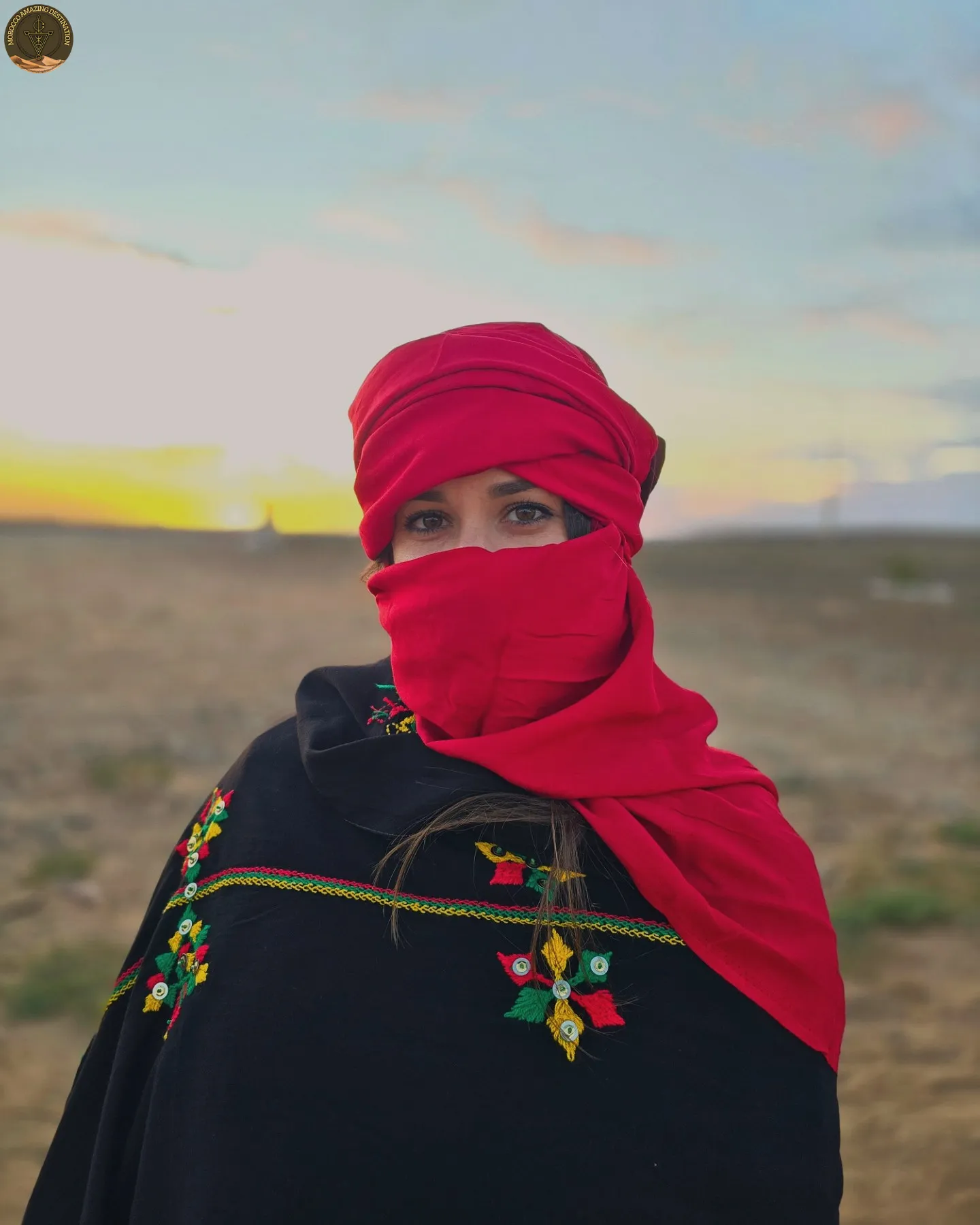
What Language Is Spoken in Morocco?
If you are planning a trip to Morocco, one of the first questions that probably comes to mind is: what language is spoken in Morocco? The answer is more complex — and more fascinating — than you might expect.
Morocco is one of the most linguistically diverse countries in North Africa. Walk through the medina of Fes, and you will hear the rhythmic cadence of Darija (Moroccan Arabic). Drive into the Atlas Mountains, and the conversation shifts to Tamazight, the ancient language of the Amazigh people. Step into a café in Casablanca, and you will overhear fluent French. This is not a country of one language — it is a crossroads of cultures, and its languages tell that story beautifully.
In this guide, we cover everything you need to know about the languages spoken in Morocco, from official languages to regional dialects, so you know exactly what to expect on your journey.
Official Languages of Morocco
Arabic: The Language of Government and Religion
Arabic is the most widely spoken language in Morocco and one of the country’s two official languages. However, there is an important distinction to understand:
- Modern Standard Arabic (Fusha): Used in government, formal speeches, news broadcasts, literature, and religious contexts. It is the written form of Arabic and the language of the Quran. Moroccans learn it in school, but it is rarely spoken in daily life.
- Moroccan Arabic (Darija): The language of everyday conversation. Darija is what you will actually hear on the street, in souks, and in homes across the country. It is fast, expressive, and peppered with words borrowed from Amazigh, French, and Spanish.
Is Darija the same as Arabic spoken in the Middle East? Not exactly. While a Moroccan and an Egyptian can understand each other to some degree — especially if they slow down — Darija has unique vocabulary, pronunciation, and grammar that set it apart. Even other Arabic speakers often find it difficult to follow at full speed.
Tamazight: The Indigenous Language of Morocco
Tamazight — the language of the Amazigh (Berber) people — became an official language of Morocco in 2011, a landmark moment for the country’s indigenous heritage. The Amazigh have inhabited North Africa for over 4,000 years, and their language predates Arabic in the region by millennia.
Tamazight is not a single unified language but a family of related dialects:
- Tachelhit (Shilha): Spoken in the High Atlas, Anti-Atlas, and Souss regions of southern Morocco
- Tamazight (Central Atlas): Spoken in the Middle Atlas mountains
- Tarifit (Riffian): Spoken in the Rif Mountains of northern Morocco
The Amazigh writing system, Tifinagh, is an ancient script that dates back over 2,000 years. Today, you can see Tifinagh characters on official road signs, government buildings, and even woven into traditional carpets — a powerful symbol of a cultural revival.
French in Morocco: A Lasting Colonial Legacy
One of the most surprising things for many travelers is how widely French is spoken in Morocco. The country was a French protectorate from 1912 to 1956, and the language left a deep imprint that continues to this day.
Where is French used in Morocco?
- Business and commerce: French is the dominant language of corporate Morocco. Contracts, banking, and professional communications are often conducted in French.
- Higher education: Most universities teach scientific, medical, and technical subjects in French.
- Tourism: Hotels, upscale restaurants, and tour operators almost always have French-speaking staff.
- Signage: Road signs, shop fronts, and public notices are frequently bilingual in Arabic and French.
- Media: French-language newspapers, magazines, and radio stations are widely available.
Do all Moroccans speak French? No — fluency varies by education and social background. Urban, educated Moroccans often speak French fluently, while rural populations may have limited or no French. As a traveler, you will find French especially useful in cities like Casablanca, Rabat, and Marrakech.
Spanish in Northern Morocco
In the northern regions of Morocco — particularly around Tangier, Tetouan, and the Mediterranean coast — Spanish has a significant presence. This is a legacy of the Spanish protectorate (1912-1956), which controlled the northern strip and the Western Sahara.
In cities like Tangier, many older residents speak Spanish fluently, and Spanish radio and television stations are popular. Given the proximity to Spain — just 14 kilometers across the Strait of Gibraltar — Spanish influence remains strong in the north.
If you are traveling from Spain, you will find pockets of Spanish speakers, especially in Tangier and the surrounding Rif region.
English in Morocco: Growing Rapidly
Is English spoken in Morocco? The short answer is: increasingly yes.
English is not an official language, but its presence is growing fast — especially among younger generations. Here is what you can expect:
- In tourism: Hotels, riads, guided tours, and major attractions nearly always have English-speaking staff. Most tour operators and desert camp hosts speak English well.
- In major cities: In Marrakech, Fes, Casablanca, and Rabat, you will encounter English speakers in restaurants, shops, and cultural sites — especially among younger people.
- In rural areas: English is less common. In remote mountain villages or small desert towns, French or hand gestures may be more effective.
- In education: English is now taught as a second or third foreign language in many Moroccan schools, and its popularity is rapidly outpacing French among tech-savvy youth.
Speaking only English in Morocco: You can absolutely get by with only English as a tourist, particularly if you stick to guided tours and major destinations. However, learning a few words of Darija or French will open doors and earn warm smiles.
What Language Should You Use When Traveling in Morocco?
Here is a practical breakdown of which language to use in different situations:
| Situation | Best Language to Use |
|---|---|
| Hotels and riads | French or English |
| Restaurants in cities | French, English, or Darija |
| Markets and souks | Darija (a few words go a long way!), French |
| Guided tours | English or French (most guides speak both) |
| Rural villages | French or hand gestures; Tamazight if you know it |
| Taxis | Darija phrases or French |
| Government offices | Arabic or French |
| Asking for directions | French is most widely understood |
Useful Darija Phrases for Travelers
Knowing a few words of Moroccan Arabic will go a long way. Here are essential phrases:
| English | Darija (Transliteration) |
|---|---|
| Hello | Salam |
| How are you? | Labas? |
| Thank you | Shukran |
| Yes / No | Ah / La |
| Please / Excuse me | Afak |
| How much? | Bshhal? |
| Too expensive | Ghali bezzaf |
| Delicious | Bnin |
| No problem | Mashi mushkil |
| Goodbye | Bslama |
| God willing | Inshallah |
Bonus: In Amazigh regions, you can greet people with “Azul” (hello) and say “Tanmirt” (thank you). Locals deeply appreciate any effort to speak their indigenous language.
A Beginner’s Guide to Darija in Morocco
Moroccan Arabic, or Darija, is the soul of daily communication in Morocco. It is spoken by nearly the entire population — an estimated 35 million native and second-language speakers. Yet no one writes formal documents in Darija; it lives as a spoken language, rich with humor, proverbs, and rapid-fire conversation.
What Makes Darija Unique?
- Amazigh loanwords: Words like sarut (key) and tmatem (tomato) come from Tamazight
- French loanwords: Tomobil (car), pharmacie (pharmacy), marché (market)
- Spanish loanwords: Simana (week), bikala (bicycle) — more common in the north
- Simplified grammar: Compared to Modern Standard Arabic, Darija drops many grammatical cases and uses its own simplified structures
Should You Learn Darija Before Visiting?
You do not need to be fluent — but learning even ten words will transform your experience. Moroccans are famously warm, and any attempt to speak their language is met with genuine delight. A simple shukran or labas can turn a transaction into a connection.
The Linguistic Map of Morocco: What You’ll Hear Where
Understanding which language is spoken in which part of Morocco helps you prepare better for your trip:
- Marrakech & Central Morocco: Darija dominates, with widespread French in tourism and commerce. In the nearby Atlas Mountains, Tachelhit is the primary language.
- Fes & Middle Atlas: Darija in the medina, Central Atlas Tamazight in the mountain villages. French is common among educated locals.
- Casablanca & Rabat: Darija and French are both everywhere. These cosmopolitan cities have the highest concentration of French and English speakers.
- Tangier & Northern Morocco: Darija, French, and Spanish coexist. In Tangier, you will hear all three in a single walk through the medina.
- Rif Mountains: Tarifit (Riffian Tamazight) and Darija. Spanish influence is stronger here than anywhere else in Morocco.
- Souss & Anti-Atlas: Tachelhit is dominant, often the first language of families. Arabic (Darija) is widely spoken as a second language.
- Sahara & Southern Morocco: Darija, Tachelhit, and Hassaniya — a distinct Arabic dialect spoken in the Saharan regions.
Why Morocco’s Linguistic Diversity Matters for Travelers
Understanding what language is spoken in Morocco is not just a practical matter — it is a window into the country’s soul. Every language you hear tells a chapter of Morocco’s history:
- Tamazight speaks of the ancient indigenous roots that stretch back 4,000 years
- Darija reflects the Arab-Islamic influence and centuries of cultural fusion
- French recalls the colonial era and Morocco’s modern ties to Europe
- Spanish echoes the northern protectorate and the closeness of the Strait of Gibraltar
- English signals Morocco’s forward-looking, globally connected ambitions
When you travel through Morocco, you are not just visiting a country — you are crossing linguistic frontiers that few other places on Earth offer in such a compact geography.
Experience Morocco’s Cultural Tapestry Firsthand
The best way to appreciate Morocco’s linguistic and cultural richness is to experience it yourself — walking through the medinas, sharing mint tea with locals, and listening to the symphony of languages that fills the air.
For an immersive journey that touches every corner of this diverse country, the 8-Day Imperial Cities and Sahara Desert Tour from Casablanca takes you through Rabat, Meknes, Fes, and Marrakech — each a living museum of Moroccan language and culture. From royal palaces to ancient medinas, you will hear Darija, French, Tamazight, and English woven into the daily rhythm of life. Explore the Imperial Cities Tour.
For the ultimate deep dive into Morocco’s heritage, the 15-Day Grand Cultural Tour from Tangier spans the Mediterranean coast to the Sahara Desert, with expert guides who bring the country’s languages, traditions, and stories to life at every stop. Discover the Grand Cultural Tour.
If you found this helpful, add us as your preferred source on Google.
Frequently Asked Questions
What is the official language of Morocco?
Morocco has two official languages: Arabic and Tamazight (the Amazigh language). Both were recognized in the 2011 constitution. Arabic is used in government, education, and media, while Tamazight was elevated to official status after decades of advocacy.
Do Moroccans speak English?
English is not an official language, but it is increasingly spoken — especially among younger Moroccans, in tourist areas, and in major cities. It is now taught in schools and is growing rapidly as Morocco's third most studied foreign language. In hotels, riads, and guided tours, you will generally find English-speaking staff.
Is French widely spoken in Morocco?
Yes. French is widely spoken due to Morocco's history as a French protectorate (1912-1956). It is the primary language of business, higher education, science, and diplomacy. Most road signs are bilingual in Arabic and French, and many Moroccans speak fluent French.
What is Darija?
Darija is Moroccan Arabic — the everyday spoken language of most Moroccans. While Modern Standard Arabic is used in writing and formal settings, Darija is what you will hear in markets, homes, and on the street. It incorporates words from Amazigh, French, and Spanish, making it a uniquely Moroccan dialect.
- morocco-languages
- moroccan-arabic
- darija
- french-in-morocco
- multilingual-morocco
- official-languages
- morocco-culture
- amazigh-culture
- morocco-travel
- morocco-history
Ready for an Adventure?
Have questions? Feel free to contact us using the form below. We're here to help!