
· Culture · 6 min read
What Is Morocco's Culture? Roots, Traditions & Etiquette
Discover what is Morocco's culture — Berber & Arab roots, hospitality, food, music and daily etiquette for first-time visitors.
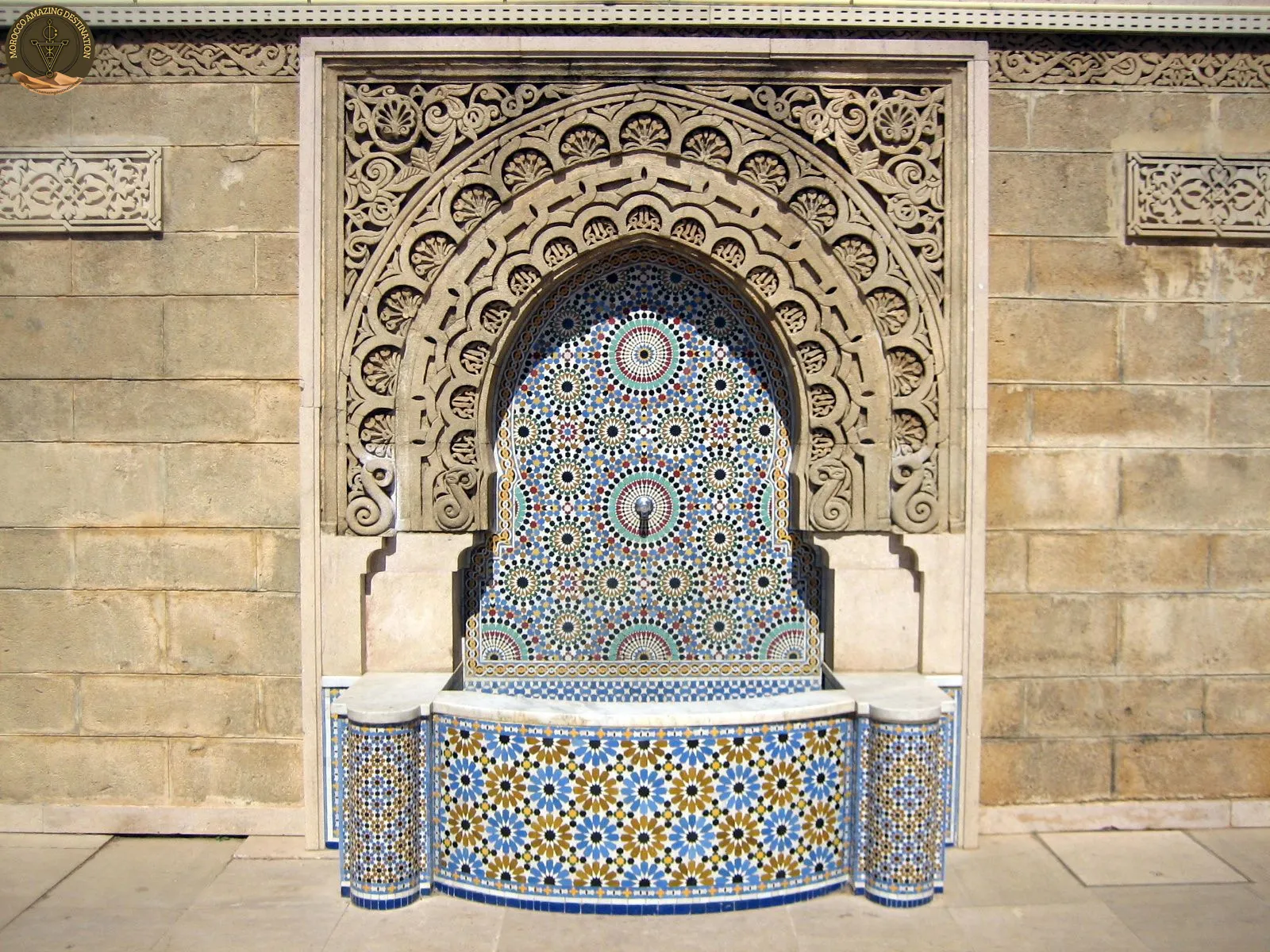
If you have ever wondered what is Morocco’s culture, think of a living mosaic. Amazigh (Berber) roots meet Arab-Islamic life, with Andalusian and Saharan touches woven in. You feel it in language, taste it in food, and hear it in music on every street.
In this guide, we will break down Morocco’s roots, hospitality and etiquette, living traditions and faith, and how you can experience them on a private tour.
Berber and Arab Roots — The Heart of Morocco’s Identity
Berber Arab culture is the foundation of daily life. The Amazigh are the original inhabitants, with rich tribal art, jewelry and mountain traditions. Arab culture arrived with Islam and shaped cities, scholarship and language. Together they form a warm, proud identity you notice from the first greeting.
Moroccans speak several languages at once. Arabic and Tamazight are official. In practice you hear Darija (Moroccan Arabic) in markets and cafes, Tamazight variants in villages and the Atlas, and French in business and schools. Place names, proverbs and songs carry both worlds, and most people switch with ease.
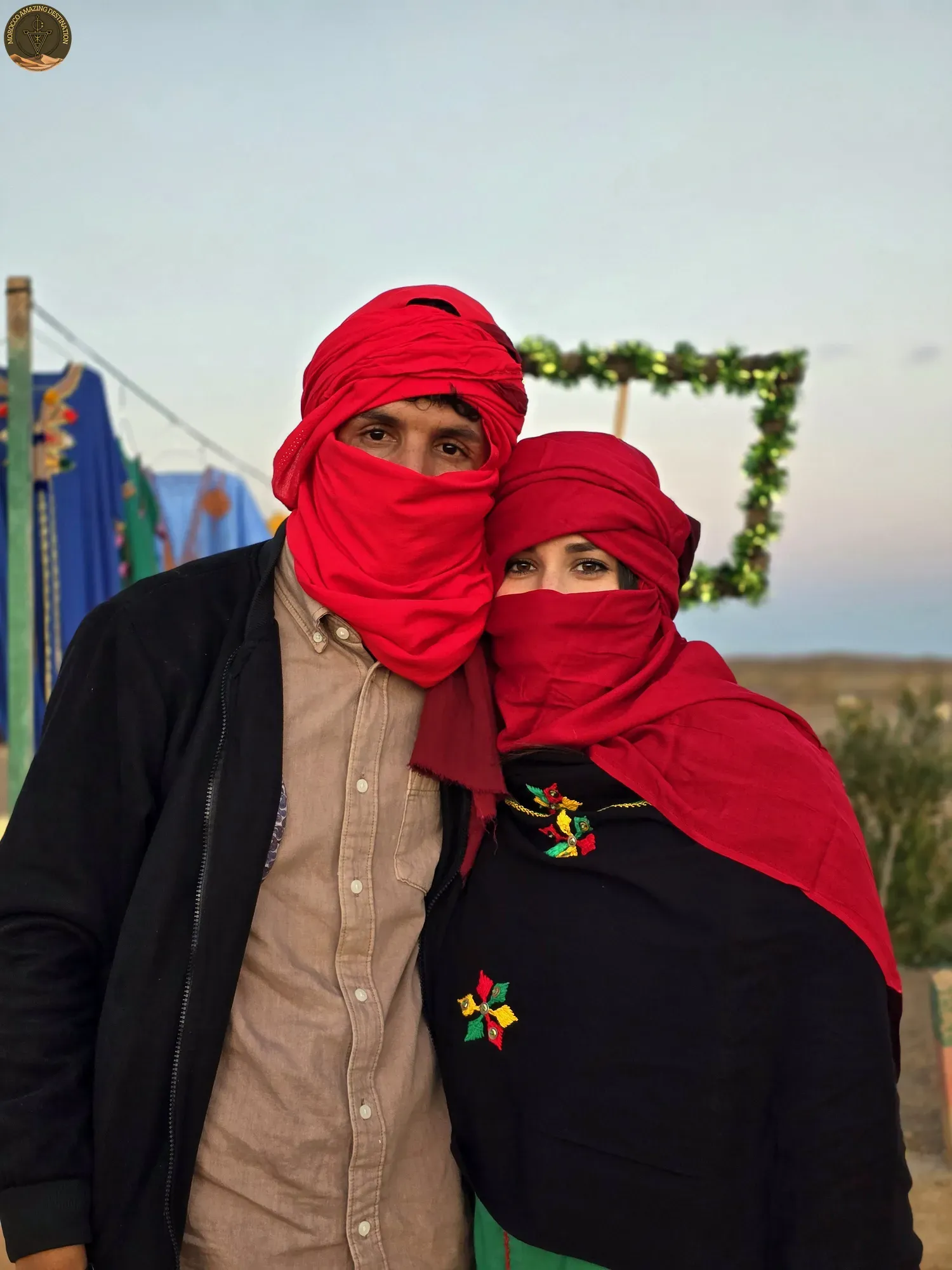
This blend shows in daily scenes. You see white medinas beside earthen kasbahs, hear the call to prayer across valleys, and find Andalusian tilework near Amazigh weaving. Even the famous blue of Chefchaouen and the red walls of Marrakech tell the same story of layered heritage.
Why this mix matters for visitors:
- Amazigh heritage: woven carpets, silver jewelry, ahwash dance and mountain hospitality that values guests as a blessing.
- Arab-Islamic layer: medinas, madrasas, tilework and the rhythm of prayer that shapes the day and week.
- Andalusian and Saharan touches: music, cuisine and Hassani culture in the south that add color and contrast.
Understanding what is Morocco’s culture starts here. It is not one note but a harmony of Berber resilience and Arab warmth.
Hospitality and Mint Tea — Everyday Etiquette
Hospitality is the first of morocco customs and etiquette you will feel. Guests are honored, and hospitality is a point of pride. A greeting is never rushed, and a glass of mint tea is the welcome ritual that says you belong.
Tea is more than a drink. Sweet green tea with fresh mint is poured high to create foam, offered again and again, and shared with dates or sweets. Accept with the right hand, sip slowly, and thank your host. If you are invited to a home, bring a small gift and remove shoes at the door.
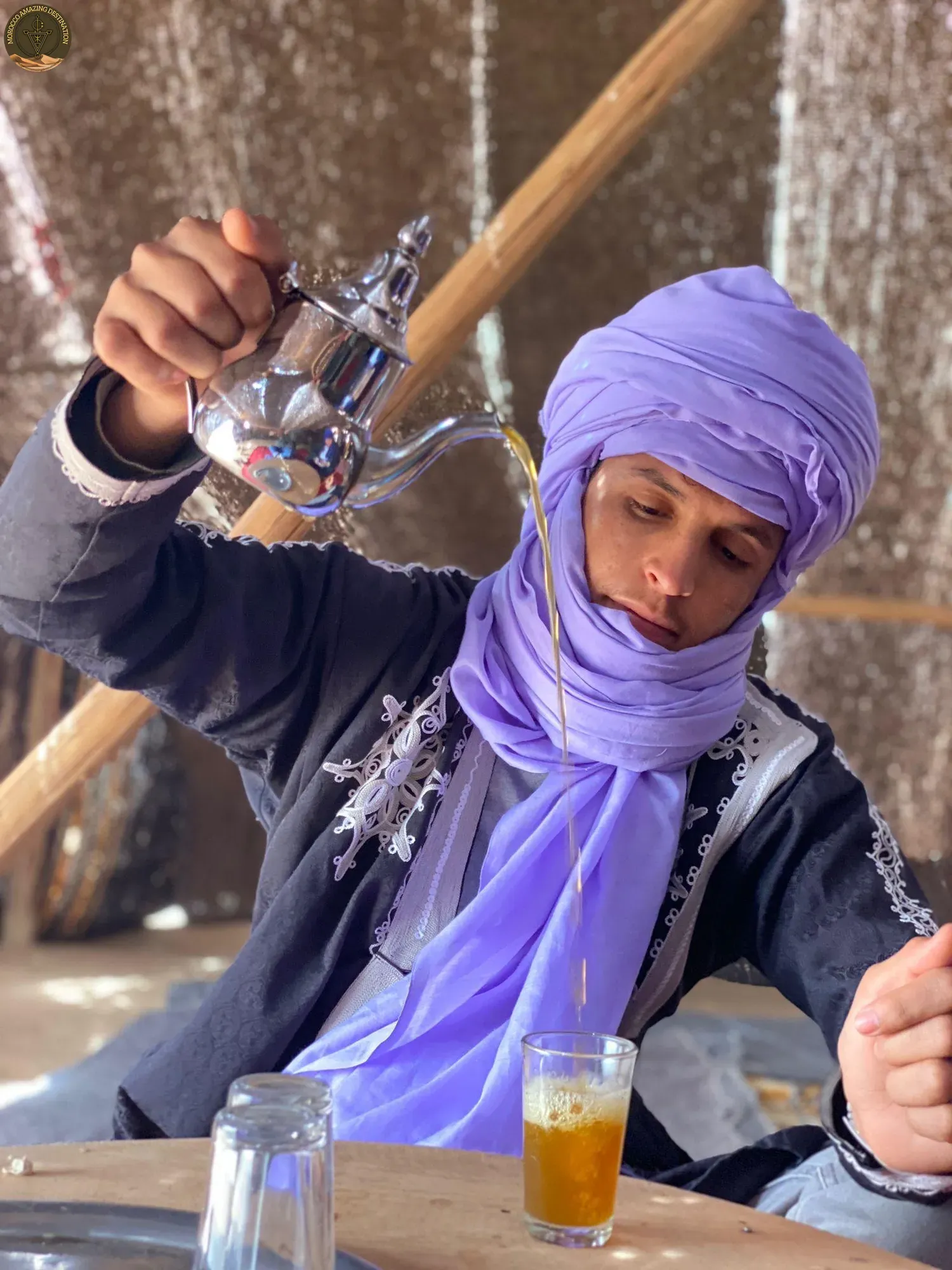
Daily interaction is gentle and respectful. A simple salam alaykum opens doors. Use the right hand for eating, greeting and giving. Ask before taking photos of people, especially in markets and villages. In souks, bargaining is polite and playful, not aggressive, and a smile goes further than a hard price.
Quick etiquette to remember:
- Greeting: say salam alaykum, shake with the right hand, and place hand on heart as thanks.
- Dress: choose modest clothing that covers shoulders and knees, especially near mosques and in small towns.
- Meals: eat communally, accept bread with the right hand, and compliment the cook.
With these morocco customs and etiquette in mind you move with ease. People meet you with patience and help, and small gestures are returned with big smiles.
Food, Music and Crafts — Tagine and Living Traditions
Moroccan culture traditions live in kitchens, workshops and squares. Food brings families together, music marks celebration, and crafts pass skill from hand to hand. All three are UNESCO recognized and very much alive today.
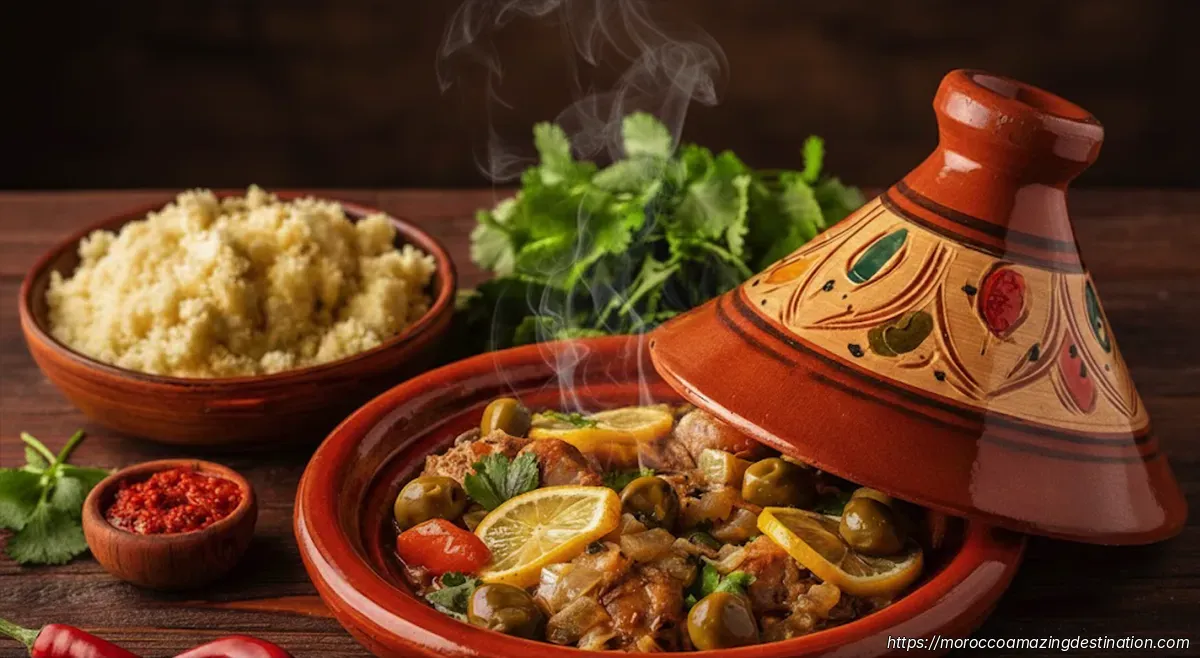
Cuisine is fragrant and slow cooked. Tagine simmers meat, vegetables and spices into a tender stew. Couscous is the Friday family dish, hand-rolled and steamed with care. You also find pastilla, harira soup, and grilled meats with cumin and fresh bread from wood ovens. Spices are warm, not fiery, and meals end with mint tea and sweets.
Music and craft carry the same soul. You hear Gnawa trance rhythms, Andalusian orchestras and Amazigh ahwash drums at weddings. In medinas you watch zellige mosaics cut by hand, tadelakt plaster polished smooth, pottery painted in Fes and Safi, leather dyed in tanneries and looms weaving Berber carpets with ancestral patterns.
What to try and watch:
- Signature dishes: tagine, Friday couscous, harira, pastilla and fresh salads with preserved lemon and olives.
- Sounds to seek: Gnawa, Andalusian and ahwash — often heard at local festivals and in evening squares.
- Crafts to admire: zellige, tadelakt, pottery, leatherwork and hand-knotted carpets woven on wooden looms.
These moroccan culture traditions are not museum pieces. They are daily skills shared over tea and taught to children, which is why every meal and market feels so personal.
Faith, Ramadan and Festivals — Family and Community
Faith shapes daily life with calm rhythm. Most Moroccans follow Sunni Islam, with five daily prayers, Friday as the weekly gathering, and family as the center of everything. Mosques anchor neighborhoods, and you hear the call to prayer across cities and valleys.
Respect guides visits. Most mosques are reserved for worshippers, with the Hassan II Mosque in Casablanca as the notable exception open to visitors with a guide. Dress modestly, speak softly near prayer spaces, and ask before entering courtyards. During Ramadan the day slows, families gather at sunset to break the fast, and generosity is everywhere. If you visit then, enjoy the evening atmosphere and plan for shorter hours in shops.
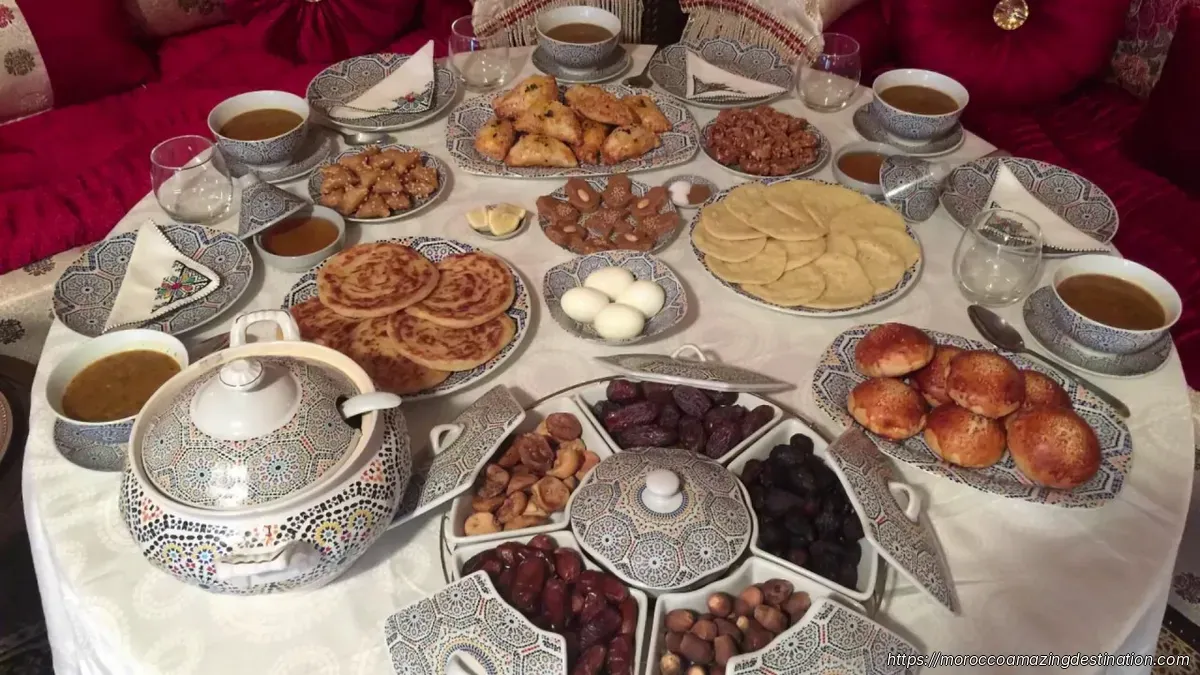
Festivals turn this faith and community spirit into celebration. Music fills cities with Fes Sacred Music gatherings, coastal Essaouira pulses with Gnaoua rhythms, valleys bloom with rose harvests, and mountain villages host marriage celebrations. Each event mixes devotion, music and welcome in a way that feels deeply local.
Community values you will notice:
- Family first: meals together, elders honored, and guests treated like family.
- Generosity: sharing food, offering help with directions, and inviting you to sit for tea.
- Respect for tradition: modest dress, gentle greetings and care for shared spaces.
Faith and festivals show the softer side of what is Morocco’s culture. It is warm, communal and grounded in daily kindness.
Experience Moroccan Culture on a Private Tour
Seeing culture is best done at a human pace. With a private driver and local guide you enter homes, workshops and music spaces without rush. You learn the story behind a carpet knot, the meaning of a Gnawa chant, and the right way to pour tea. That is the hassle-free way to feel the real Morocco.
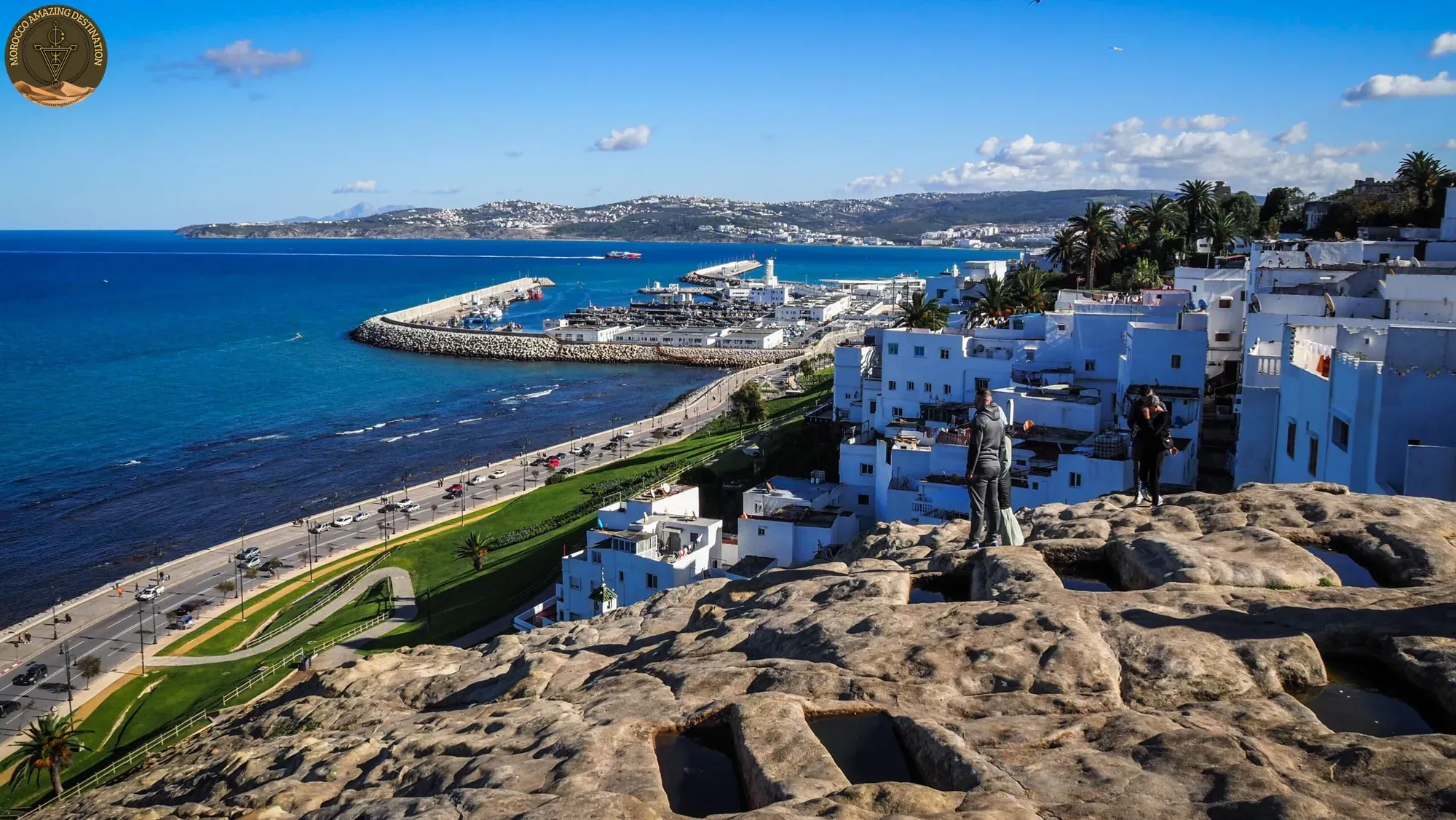
With Morocco Amazing Destination you can follow a culture-rich route at your own rhythm. Wander imperial medinas, meet artisans, taste your way through markets and sleep in riads that feel like family homes. Your guide smooths language, timing and etiquette so you simply enjoy.
For a broad cultural sweep, consider the 15-Day Grand Cultural Tour Explore Morocco From Tangier that links Tangier, Chefchaouen, Fes, the desert and Marrakech with guided insight. For a shorter focus on heritage cities and desert life, the 8-Day Imperial Cities and Desert Tour From Casablanca pairs medinas, kasbahs and palm oases with local encounters.
We can customize a tour to match your needs — design your perfect itinerary
If you found this helpful, add us as your preferred source on Google.
Frequently Asked Questions
What defines Morocco's culture?
Morocco's culture blends Amazigh (Berber), Arab-Islamic, Andalusian and Saharan influences, seen in language, hospitality, cuisine, music, crafts and family-centered daily life.
What languages reflect Berber and Arab culture in Morocco?
Arabic and Tamazight are official. Daily life runs on Darija (Moroccan Arabic), Tamazight variants and French, with Amazigh heritage and Arab culture shaping place names, songs and greetings.
What are key Morocco customs and etiquette tips for visitors?
Greet with salam alaykum, use the right hand for eating and greeting, remove shoes when entering a home, dress modestly, ask before taking photos and accept mint tea graciously.
What are examples of Moroccan culture traditions to experience?
Try Friday couscous, share a tagine, listen to Gnawa and Andalusian music, watch zellige tiling and carpet weaving, and join festivals like the Fes Sacred Music or Gnaoua celebrations.
Ready for an Adventure?
Have questions? Feel free to contact us using the form below. We're here to help!