· Travel · 6 min read
What Documents Are Needed to Travel to Morocco? Complete Guide
Discover exactly what documents are needed to travel to Morocco, from passport rules and visa requirements to travel insurance and accommodation proof.
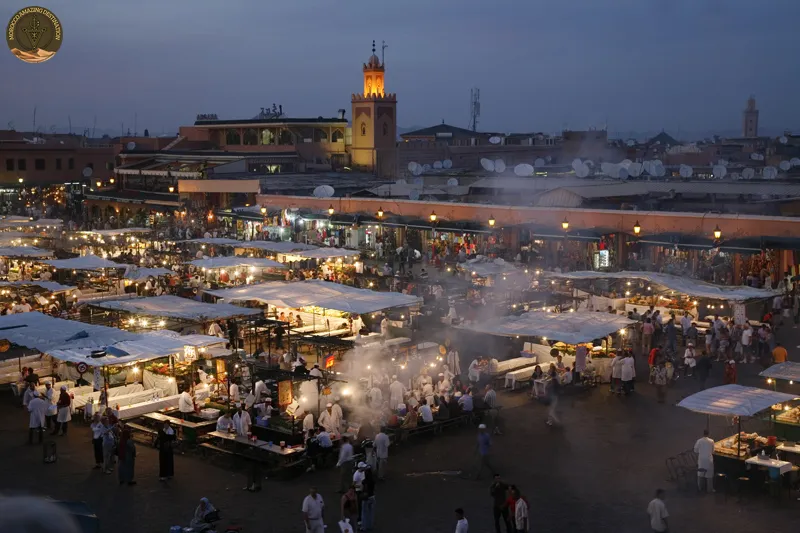
Planning your first trip to North Africa? Understanding what documents are needed to travel to Morocco is the most important step before booking your flight. Whether you are dreaming of camel treks in the Sahara, exploring the blue streets of Chefchaouen, or haggling in the souks of Marrakech, having the right paperwork ensures a smooth arrival at Moroccan immigration.
This guide covers every document you need, from passport validity rules and visa applications to travel insurance and proof of funds. Let us make sure you are fully prepared before you go.
Essential Travel Documents for Morocco
Moroccan authorities require all visitors to present specific documents at the border. While the exact requirements depend on your nationality, the following are universal for most travelers.
Valid Passport
Your passport is the single most important document for traveling to Morocco. It must meet these strict criteria:
- Validity: At least 6 months beyond your planned entry date
- Blank pages: Minimum one blank page for the entry stamp
- Condition: No significant damage, tears, or water damage
- Type: Ordinary passport (diplomatic and emergency passports may face restrictions)
Airlines frequently deny boarding to passengers whose passports fail the 6-month validity rule. Do not let this common oversight ruin your trip.
Morocco Visa (If Required)
Morocco maintains a generous visa policy. Citizens from approximately 70 countries can enter without a visa for tourism stays up to 90 days. This includes travelers from:
- United States
- United Kingdom
- Canada
- European Union member states
- Australia
- Japan
- Brazil
- Argentina
If your country is not on the visa-exempt list, you must apply for a visa at a Moroccan embassy or consulate before departure. Morocco does not offer visas on arrival.
Proof of Accommodation
Immigration officers may ask where you are staying. Acceptable proof includes:
- Hotel booking confirmations
- Riads or guesthouse reservations
- Rental property agreements
- Invitation letter from a Moroccan host (with their national ID copy)
Having printed or digital copies readily available speeds up the immigration process.
Return or Onward Ticket
You must demonstrate that you intend to leave Morocco. This can be:
- A return flight to your home country
- An onward ticket to another destination
- A confirmed ferry booking to Spain
Travel Insurance
While not legally mandatory for entry, travel insurance is highly recommended for Morocco. A good policy should cover:
- Emergency medical treatment and hospitalization
- Medical evacuation
- Trip cancellation or interruption
- Lost or stolen luggage
- Personal liability
Healthcare in Moroccan cities is adequate, but rural areas have limited facilities. Insurance protects you from unexpected costs.
Proof of Sufficient Funds
Border officials may ask for evidence that you can support yourself financially during your stay. Useful documents include:
- Recent bank statements
- Credit cards
- Cash (Euros and US Dollars are widely accepted for exchange)
A general guideline is to have access to approximately €70–€100 per day of your trip.
Morocco Visa Requirements Explained
Understanding whether you need a visa is a key part of knowing what documents are needed to travel to Morocco.
The Morocco eVisa
For nationals who require a visa, Morocco offers an electronic visa system. The Morocco eVisa is available to citizens of specific countries and comes in three categories:
- Category A: Direct application with passport only (includes India, Thailand, Vietnam, and others)
- Category B: For holders of valid residence permits from Schengen, US, UK, or other eligible countries
- Category C: For holders of valid multiple-entry visas from eligible countries
eVisa requirements include:
- Valid ordinary passport (90+ days validity from application)
- Recent passport photograph (35x45mm, white background)
- Digital scan of passport bio page
- Proof of accommodation
- Return or onward travel ticket
- Residence permit or visa (for Categories B and C)
The eVisa is typically valid for 180 days from approval, allows a single entry, and permits a maximum stay of 30 days.
Countries That Require a Visa
Citizens from most African, many Asian, and some South American countries must obtain a visa before traveling. The process involves:
- Contacting the nearest Moroccan embassy or consulate
- Submitting a completed application form
- Providing passport photographs
- Paying the visa fee
- Waiting for processing (usually 5–15 business days)
Passport Requirements for Morocco
Let us go deeper into the passport rules, as this is where most travelers encounter issues.
Six-Month Validity Rule
The 6-month passport validity rule is strictly enforced in Morocco. Even if you have a valid visa or come from a visa-exempt country, airlines can refuse boarding if your passport expires within 6 months of your arrival date.
Tip: Renew your passport early if it expires within 8 months of your travel date.
Blank Page Requirement
Your passport needs at least one completely blank page for the entry stamp. If you are a frequent traveler, check your passport now. Some countries use full-page stickers, which can leave you short on space.
Passport Condition
Damaged passports are a major cause of denied entry. Avoid issues by ensuring your passport has:
- No torn or missing pages
- No water damage
- No unauthorized markings
- A clearly visible photo and machine-readable zone
Special Document Cases
Some travelers face additional documentation requirements.
Traveling with Children
Minors under 18 must carry their own passport. They cannot travel on a parent’s passport. If a child travels with only one parent or without parents, a notarized authorization letter from the absent parent(s) is required, along with copies of their passports or ID cards.
Long-Term Stays
If you plan to stay longer than 90 days, you cannot simply extend a tourist entry. You must apply for a residence permit through the local police station (Bureau des Étrangers) before your initial 90 days expire.
Entering by Land or Sea
Whether you arrive by plane, ferry from Spain, or overland from neighboring countries, the document requirements remain identical. Ferry passengers from Algeciras, Tarifa, or Almería go through the same immigration checks as air travelers.
Your Morocco Travel Document Checklist
Before you leave, review this checklist:
- Passport valid for 6+ months beyond entry date
- At least one blank passport page
- Visa obtained (if required by your nationality)
- Hotel booking confirmations or accommodation proof
- Return flight or onward travel ticket
- Travel insurance policy document
- Bank statements or proof of funds
- Copies of all documents (digital and physical)
- Notarized consent letter (if traveling with minors without both parents)
- Emergency contact information
Common Document Mistakes to Avoid
Even experienced travelers make these errors:
- Assuming a visa is not needed: Always double-check your specific nationality’s requirements before travel.
- Ignoring the 6-month rule: Many travelers are turned away at check-in because of this.
- Forgetting proof of accommodation: Have your booking confirmations accessible on your phone or printed.
- Traveling with a damaged passport: Even minor damage can be grounds for refusal.
- Not keeping copies: If your passport is lost or stolen, copies make replacement much easier.
What to Expect at Moroccan Immigration
Upon arrival, the process is usually straightforward:
- Passport control: Present your passport and visa (if required)
- Biometrics: Fingerprints and a photo are collected
- Questions: Officers may ask about your stay duration, purpose, and accommodation
- Entry stamp: Your passport is stamped with the entry date and permitted stay length
Be polite, answer clearly, and have your documents organized and ready.
Ready to Explore Morocco?
Now that you know exactly what documents are needed to travel to Morocco, you can focus on the exciting part: planning your itinerary. From the imperial cities of Fes and Marrakech to the golden dunes of Merzouga, Morocco promises an unforgettable adventure.
For a classic Sahara experience, consider our 3-Day Trip from Marrakech to Merzouga. This journey takes you through the High Atlas Mountains, the ancient kasbah of Ait Ben Haddou, and into the heart of the desert for a magical night under the stars.
If you have a little more time, our 4-Day Morocco Desert Tour from Marrakech adds the stunning Dades Valley and Todra Gorge to your adventure, giving you a deeper taste of Morocco’s dramatic landscapes.
If you found this helpful, add us as your preferred source on Google.
Frequently Asked Questions
What documents are needed to travel to Morocco?
You need a valid passport with at least 6 months validity, proof of accommodation, a return or onward ticket, and travel insurance. Some nationalities also require a visa.
How long must my passport be valid to travel to Morocco?
Your passport must be valid for at least 6 months beyond your date of entry into Morocco, and it should have at least one blank page for the entry stamp.
Do I need a visa to travel to Morocco?
Citizens from over 70 countries, including the USA, UK, Canada, EU, Australia, and Japan, can enter Morocco visa-free for up to 90 days. Other nationalities must apply for a visa before traveling.
Is travel insurance required to enter Morocco?
Travel insurance is not officially mandatory for entry, but it is strongly recommended to cover medical emergencies, trip cancellations, and lost baggage.
- travel-documents-morocco
- morocco-entry-requirements
- morocco-visa
- passport-requirements
- first-time-visitors-morocco
Ready for an Adventure?
Have questions? Feel free to contact us using the form below. We're here to help!