· Travel · 6 min read
What Animals Are in Morocco? Wildlife Guide & Top Spots
Discover what animals are in Morocco — from Barbary macaques to fennec foxes — and where to see wildlife responsibly on your trip.
From cedar forests echoing with monkey chatter to dunes where tiny desert foxes emerge at dusk, Morocco surprises first-time visitors with how much life thrives beyond the medinas. If you are wondering what animals are in Morocco, expect a mosaic of desert, mountain and coastal species sharing a compact, diverse country. Morocco hosts more than 100 mammal species and over 450 bird species across habitats that range from Atlantic cliffs to Sahara sand seas.
In this guide, we will break down the most iconic animals in Morocco, the birds and reptiles along the coast, and the best places to see Morocco wildlife responsibly. In short, what animals are in Morocco includes endangered macaques in Atlas cedars, fennec foxes and gazelles in the Sahara, rare ibises on Atlantic cliffs, plus dolphins and gentle reptiles in between.
Barbary Macaques and Desert Mammals — Fennec Fox, Gazelles and More
The star of Morocco’s mammals is the barbary macaque morocco visitors hope to spot in the Middle Atlas. This endangered primate is the only wild monkey north of the Sahara, with most of the remaining wild population living in cedar and oak forests around Azrou and Ifrane. Troops of 30 to 80 forage on the forest floor and groom in the branches.
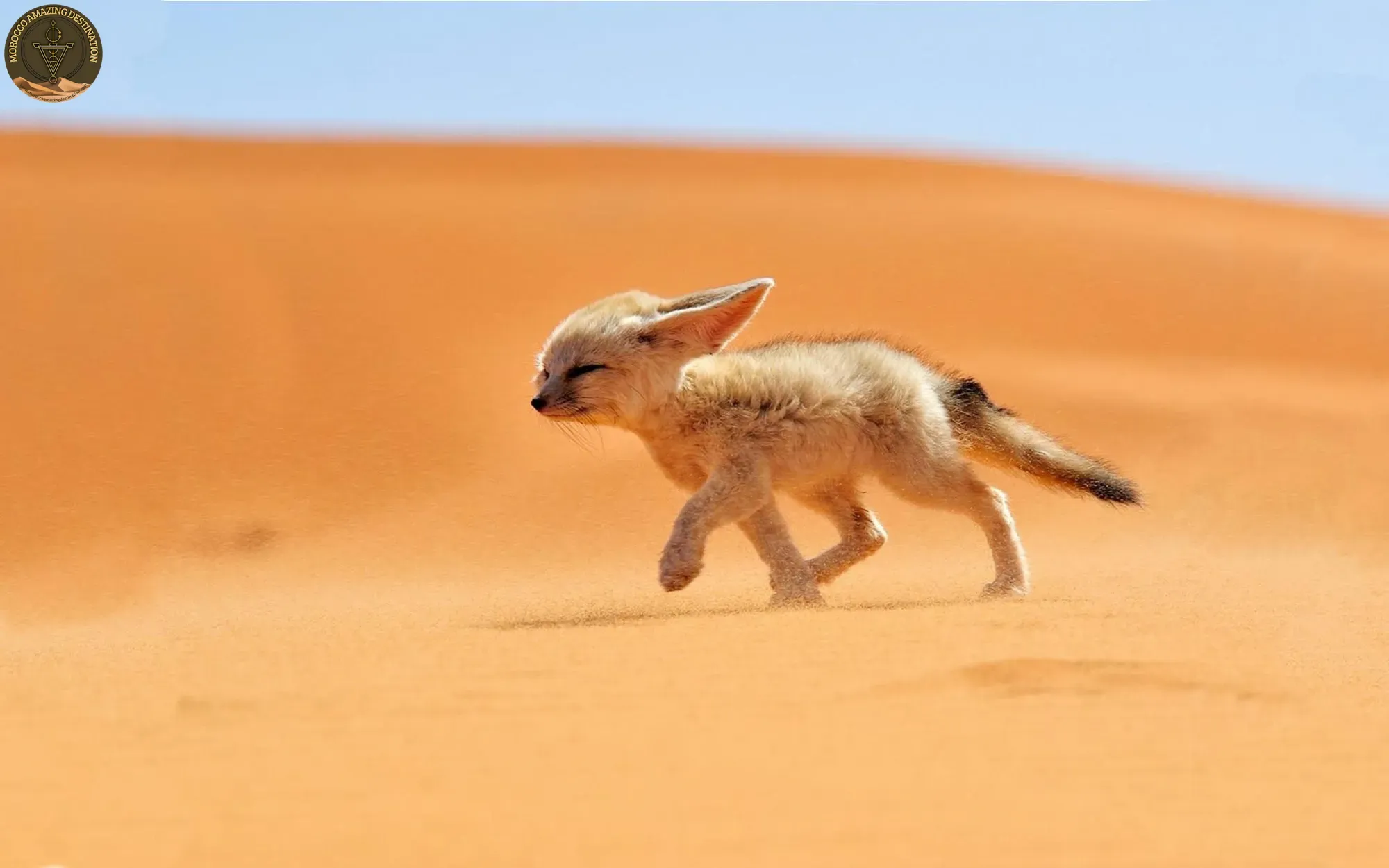
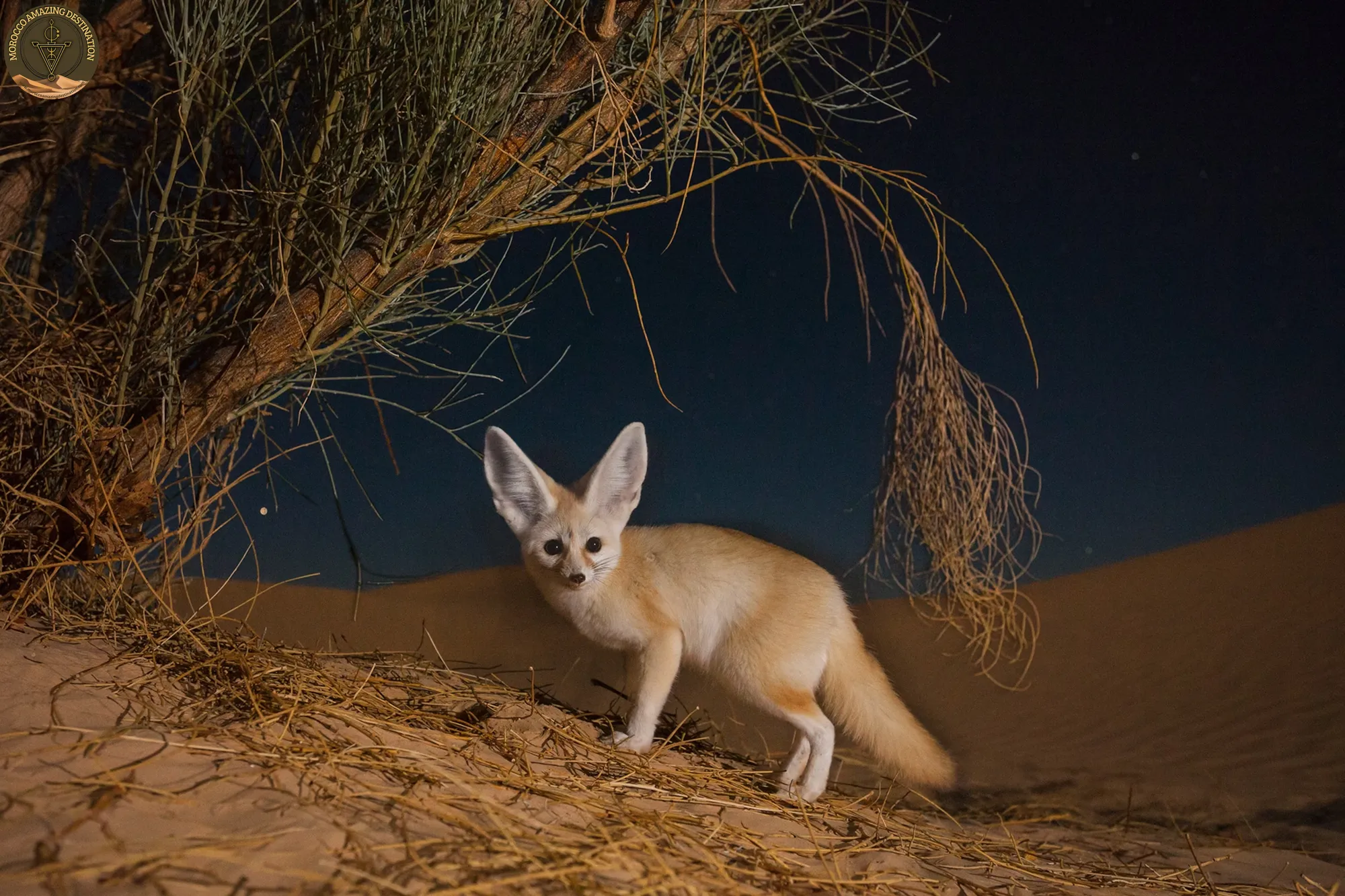
Deeper south, the Sahara favors small, nocturnal specialists. The fennec fox is the world’s smallest canid, with oversized ears that release heat and sandy fur that blends with the dunes around Merzouga and Erg Chebbi. You will rarely see it by day. Guides track its prints at dawn or use soft lights on night drives.
Other desert and mountain mammals round out the picture:
- Barbary sheep (aoudad): Sure-footed on High Atlas cliffs and rocky plateaus.
- Dorcas and Cuvier’s gazelle: Slender, alert antelopes of Souss-Massa and semi-desert steppe.
- Sand cat and striped hyena: Elusive nocturnal predators, seldom seen without a guide.
- Golden wolf and wild boar: More common near forests and farmland edges.
According to the IUCN Red List and overviews such as Wikipedia Wildlife of Morocco, habitat loss and historic capture for trade explain why macaques and gazelles remain conservation priorities today.
Birds, Reptiles and Marine Life Along the Coast
Morocco sits on a major flyway between Europe and Africa, so birdlife feels abundant even on a short trip. Wetlands like Merja Zerga, Oued Massa and Khenifiss host flamingos, spoonbills and storks, while cliffs and steppe host Bonelli’s and golden eagles.
Souss-Massa National Park stands out for conservation. The park holds most of the world’s wild northern bald ibis, a cliff-nesting species once close to extinction and now still endangered. Dawn and dusk walks at the Massa estuary give the best chance to see ibises, herons and waders feeding in the lagoons.
Reptiles add quiet variety and are harmless if left alone:
- Horned viper: Nocturnal sidewinder of dunes; avoid reaching under rocks or walking barefoot at night.
- Desert monitor and spiny-tailed lizard: Day-active lizards of rocky hamadas and oases.
- Moorish gecko: Common on riad walls at night, feeding on insects near lights.
- Scorpions: Shy and nocturnal; guides advise shaking shoes and clothing in camps.
Along the coast, the Atlantic rewards patience. Common and bottlenose dolphins cruise off Essaouira and Agadir, loggerhead turtles pass offshore, and whales use the Strait of Gibraltar corridor during seasonal movements.
Where to See Animals — Azrou Cedar Forest and Sahara Dunes
You do not need a week in the wilderness to enjoy morocco wildlife. A few well-chosen stops deliver reliable sightings without disturbing habitats. Local guides know seasonal patterns and keep a respectful distance.
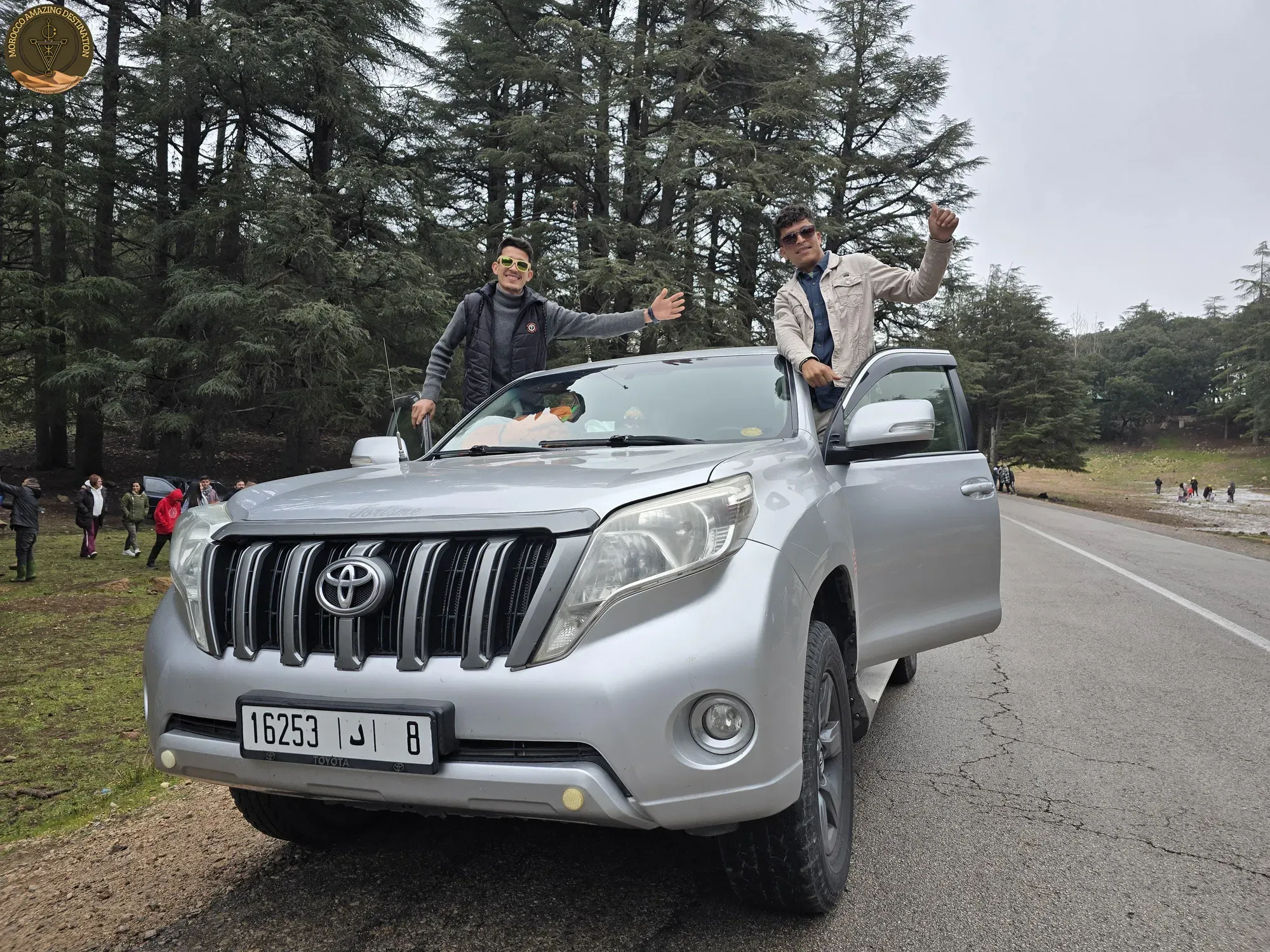
Highlights by area:
- Azrou cedar forest and Ifrane National Park: Roadside macaque troops, Barbary sheep tracks, woodpeckers and jays. Arrive early morning when troops are most active.
- Souss-Massa National Park: Ibises on coastal cliffs, dorcas gazelle in the Rokein reserve, flamingos at Oued Massa. Best with a park guide at low tide.
- Erg Chebbi and Erg Chigaga: Fennec fox, jerboas and sand cats on guided night drives. Quiet, small-group excursions beat bright, crowded tours.
- Toubkal National Park and Ouzoud: Raptors overhead, Barbary ground squirrels and diverse butterflies on mountain trails.
- Merja Zerga lagoon: Wintering ducks and waders for relaxed birdwatching near the Atlantic.
Timing helps. Migration peaks in spring and autumn fill wetlands, while desert mammals show most at dawn, dusk or after dark when temperatures cool. A private driver lets you align park visits with these windows without rushing.
Tips for Responsible Wildlife Viewing in Desert and Mountains
Seeing animals in Morocco feels special when it is done with care. Responsible viewing protects shy species and keeps your experience calm and authentic. Private, small-group outings with a local expert make this easier.
Keep these habits in mind:
- Keep distance and time short: Use binoculars, never crowd or corner animals, and limit observation to a few minutes.
- Never feed wildlife: Bread and snacks harm macaques and encourage aggressive begging. Secure food and waste at camps.
- Stay on tracks and trails: Nests and burrows hide in sand and scrub. Follow guide paths and avoid flash photography.
- Dress and act for the habitat: Shake shoes in desert camps, avoid barefoot walks at night, and keep noise low near dunes and estuaries.
- Choose ethical operators: Prefer guides who avoid captive animal shows and who explain conservation as they go.
A little preparation goes a long way. Carry binoculars, a refillable water bottle and layered clothing for cool desert nights. Ask your guide what you might see rather than demanding close encounters. The most memorable sightings often happen when you wait quietly.
Discover Morocco’s Wildlife on a Private Tour
Morocco’s wildlife rewards travelers who move slowly, listen and let local insight lead the way. From macaques grooming in cedar shade to ibises gliding above Atlantic cliffs and tiny fox prints crossing a dune at dusk, the country’s morocco wildlife feels intimate when you meet it on its own terms.
Make the most of it with a private, tailor-made itinerary that links the best habitats. The 6-Day Desert Tour from Fes to Marrakech passes the Azrou cedar forest for macaques on day one and reaches Merzouga’s dunes for night wildlife, while the shorter 3-Day Desert Tour from Fes to Merzouga offers a focused cedar-to-dunes route with a night in a luxury desert camp. Both keep you with your own driver-guide and hand-picked riads, so you travel hassle-free and feel cared for like family.
We can customize a tour to match your needs — design your perfect itinerary
If you found this helpful, add us as your preferred source on Google.
Frequently Asked Questions
Are there monkeys in Morocco and where can you see Barbary macaques?
Yes. The endangered Barbary macaque is the only wild primate north of the Sahara and lives mainly in the cedar forests of the Middle Atlas. The easiest sightings are around Azrou and Ifrane National Park, where troops of 30 to 80 forage near the road — watch from a respectful distance and never feed them.
What dangerous animals live in the Moroccan desert?
Most desert animals avoid people, but you should be aware of horned vipers, scorpions and the desert monitor. They are largely nocturnal and shy. Shake out shoes, avoid walking barefoot at night, keep to marked paths and use a local guide for night drives in Erg Chebbi or Erg Chigaga.
What is the best place to see wildlife and birds in Morocco?
For primates, head to the Azrou cedar forest; for rare birds, Souss-Massa National Park near Agadir protects 95% of the wild northern bald ibis plus flamingos and spoonbills. Oued Massa estuary, Merja Zerga and Toubkal National Park also offer excellent birdwatching during spring and autumn migration.
Can you see fennec foxes in Merzouga?
Yes, with patience and a local guide. Fennec foxes are tiny, nocturnal desert specialists living around the dunes of Erg Chebbi near Merzouga. Your best chance is a guided night drive or a quiet evening near the dunes at dusk or dawn, keeping noise low and lights soft.
Ready for an Adventure?
Have questions? Feel free to contact us using the form below. We're here to help!