
· Travel · 11 min read
The Ultimate Marrakech Travel Guide: Best Things to Do and Places to Visit
Discover the magic of Marrakech with our comprehensive travel guide. From exploring the ancient medina to visiting stunning palaces and relaxing in beautiful gardens, learn everything you need for an unforgettable trip to the Red City.
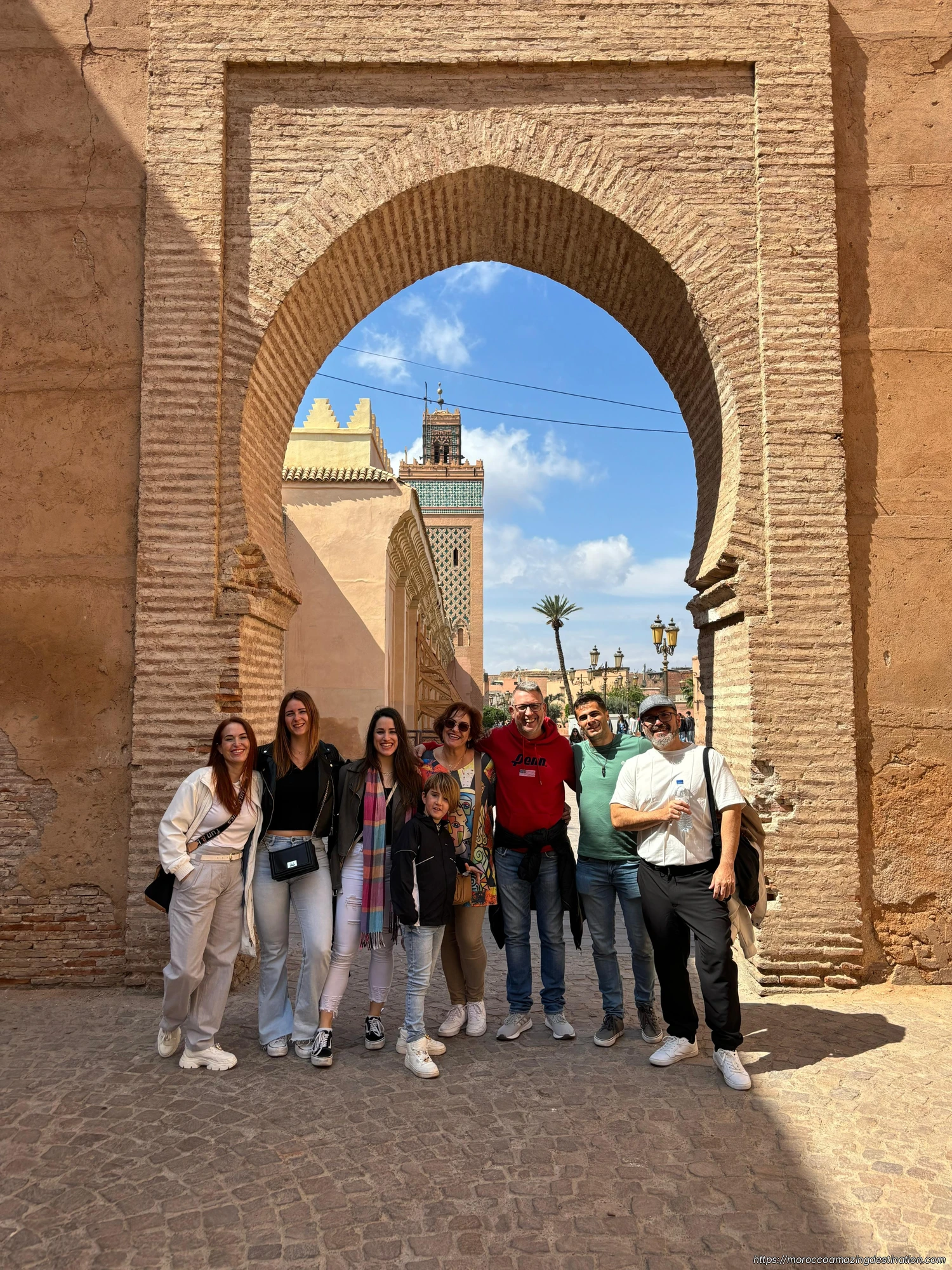
Marrakech, famously known as the “Red City,” is a mesmerizing destination that captures the essence of Moroccan culture, history, and hospitality. This comprehensive Marrakech travel guide will help you discover the best things to do, places to visit, and essential tips for an unforgettable journey through one of Morocco’s most captivating cities.
Why Visit Marrakech?
Marrakech offers an intoxicating blend of ancient traditions and modern luxury. From the moment you step into the bustling medina, you’re enveloped in a world of vibrant colors, aromatic spices, and the rhythmic sounds of daily Moroccan life. Whether you’re exploring centuries-old palaces, getting lost in labyrinthine souks, or sipping mint tea on a rooftop terrace, Marrakech promises experiences that will stay with you long after you’ve left.
The city has earned its place among the world’s top travel destinations, recently ranking 8th on TripAdvisor’s list of Best Destinations for 2025. With nearly four million visitors in 2024 alone, Marrakech continues to captivate travelers from around the globe.
Getting to Know Marrakech: The Red City
Marrakech sits at the foot of the Atlas Mountains, creating a stunning backdrop for this imperial city founded over 950 years ago. The city’s distinctive red walls, built from locally sourced reddish-pink sandstone, give Marrakech its famous nickname and create a warm, ochre glow throughout the city.
The city divides into two main areas: the historic medina (old city) and the modern Gueliz district. The medina, a UNESCO World Heritage site, contains most of the city’s historical attractions, while Gueliz offers contemporary shops, restaurants, and nightlife.
Top Places to Visit in Marrakech
Jemaa el-Fnaa: The Heart of Marrakech
No visit to Marrakech is complete without experiencing Jemaa el-Fnaa, the city’s main square and the cultural heartbeat of the medina. This legendary plaza has been the center of life in Marrakech since the 11th century and was declared a UNESCO Masterpiece of Oral and Intangible Heritage.
By day, the square bustles with orange juice vendors, snake charmers, henna artists, and traditional storytellers. As night falls, it transforms into a spectacular open-air restaurant with dozens of food stalls offering everything from grilled meats to traditional tagines. The atmosphere is electric, with musicians, acrobats, and performers creating an unforgettable spectacle.
Insider Tip: For the best views, head to one of the rooftop cafes overlooking the square. Enjoy a cup of traditional mint tea while watching the sun set over the medina.
Majorelle Garden: A Botanical Oasis
Escape the chaos of the medina at the stunning Majorelle Garden, a peaceful botanical paradise created by French painter Jacques Majorelle in the 1920s. The garden is famous for its striking “Majorelle Blue” buildings, a vivid cobalt color that contrasts beautifully with the lush exotic plants, cacti, and water features throughout the grounds.
After Majorelle’s death, the garden fell into disrepair until fashion legend Yves Saint Laurent and his partner Pierre Bergé purchased it in 1980, restoring it to its former glory. Today, it also houses the Berber Museum, which showcases the rich cultural heritage of Morocco’s indigenous people.
Visitor Information:
- Open daily from 8 AM to 6:30 PM
- Entrance fee: 70 MAD for the garden, 30 MAD extra for the Berber Museum
- Arrive early morning to avoid crowds
Bahia Palace: A Masterpiece of Moroccan Architecture
Built in the late 19th century, Bahia Palace is one of the most beautiful examples of Moroccan architecture in Marrakech. The palace was designed to be the most luxurious residence of its time, featuring stunning floor-to-ceiling carved plasterwork, intricate zellige tilework, and lush courtyards filled with orange trees and fountains.
Wander through the various rooms and chambers to appreciate the craftsmanship that went into every detail. The Grand Hall with its painted ceiling and the Harem quarters are particularly impressive.
Visitor Information:
- Open daily from 9 AM to 5 PM
- Entrance fee: 70 MAD for non-Moroccan visitors
- Allow approximately 1-2 hours for your visit
Koutoubia Mosque: The Iconic Landmark
The Koutoubia Mosque is Marrakech’s most recognizable landmark, its 69-meter minaret visible from almost everywhere in the city. Built in 1190 by the Almohad dynasty, the mosque’s name means “mosque of the booksellers” due to the book market that once surrounded it.
While non-Muslims cannot enter the mosque itself, the surrounding gardens are beautiful and provide excellent views of the minaret. The mosque is particularly stunning at sunset when the amber light illuminates the reddish-pink stone.
Insider Tip: The minaret serves as a perfect orientation point when navigating the medina. If you can see it, you’ll never be truly lost.
Ben Youssef Madrasa: A Jewel of Islamic Architecture
The Ben Youssef Madrasa is an architectural masterpiece that once served as one of the largest theological colleges in North Africa. Founded in the 16th century by the Saadian dynasty, the madrasa features exquisite tilework, carved stucco, and a stunning central courtyard with a beautiful marble fountain.
The highlight is the underground level, where students once lived in tiny cells. Today, you can explore these rooms and appreciate the intricate craftsmanship that went into every surface.
Visitor Information:
- Open daily from 9 AM to 7 PM
- Entrance fee: 50 MAD for foreign visitors
- Visit early morning for fewer crowds and better photography opportunities
El Badi Palace: The Ruins of Grandeur
Once described as the “eighth wonder of the world,” El Badi Palace was commissioned in 1578 by Sultan Ahmad al-Mansur to celebrate a military victory. The palace was built with extravagant materials, including Italian marble, gold leaf, and precious stones.
Today, the palace stands in partial ruins, but its massive walls, underground chambers, and informative museum give visitors a sense of its former grandeur. The views from the upper terraces are excellent, offering panoramic views of the medina and Atlas Mountains.
Visitor Information:
- Open daily from 9 AM to 6 PM
- Entrance fee: 70 MAD
- Combined ticket available with Saadian Tombs
Saadian Tombs: A Royal Resting Place
Discovered in 1917, the Saadian Tombs are the final resting place of members of the Saadian dynasty. The tombs feature remarkable examples of Moorish architecture, with intricate tilework, carved cedar wood, and beautiful mosaics.
The highlight is the legendary “Room of the Twelve Columns,” featuring twelve marble columns imported from Italy and a stunning painted ceiling.
Visitor Information:
- Open daily from 9 AM to 5 PM
- Entrance fee: 70 MAD (combined with El Badi Palace)
- Photography is not allowed inside the tombs
Le Jardin Secret: A Hidden Gem
In the heart of the medina lies Le Jardin Secret, once a palace and now one of the most beautiful gardens in Marrakech. The complex includes Islamic gardens, a exotipical garden, and an interesting museum showcasing the history of the place and traditional Moroccan crafts.
The contrast between the peaceful gardens and the bustling medina just beyond its walls is remarkable.
Visitor Information:
- Open daily from 9:30 AM to 6:30 PM
- Entrance fee: 70 MAD for the garden and museum
- A great alternative if Majorelle Garden is too crowded
Things to Do in Marrakech
Get Lost in the Souks
The Marrakech souks are a world unto themselves—a maze of winding alleyways where the air is thick with the scent of spices, the sound of bargaining voices, and the sight of artisans at work. These bustling markets have been the heart of Marrakech’s commerce for centuries.
Navigate through different sections specializing in leather goods, textiles, spices, ceramics, and traditional crafts. Remember: bargaining is expected and part of the fun. Start at about one-third of the asking price and negotiate from there.
Tips for Shopping in the Souks:
- Browse before buying to understand pricing
- Bargain with a smile—it’s a social activity
- Don’t buy anything you don’t really want
- Keep your belongings secure in crowded areas
Experience a Traditional Hammam
No trip to Marrakech is complete without experiencing a traditional Moroccan hammam. These historic bathhouses offer a unique cultural experience where you can enjoy steam rooms, black soap treatments, and relaxing massages.
For a more authentic experience, visit a local hammam. For a more tourist-friendly version with English-speaking staff, consider one of the luxury spas in the city.
Take a Hot Air Balloon Ride
See the Red City and the Atlas Mountains from above on a magical sunrise hot air balloon ride. Thisbucket-list experience offers breathtaking views of the Marrakech landscape, with the opportunity to spot wildlife in the surrounding areas.
Most packages include pickup from your hotel, a champagne breakfast, and return transport.
Take a Cooking Class
Immerse yourself in Moroccan cuisine by taking a cooking class. Learn to prepare traditional dishes like tagine, couscous, and pastilla using aromatic spices and traditional cooking techniques. Most classes begin with a market tour to select fresh ingredients.
Explore the Atlas Mountains
Just an hour and a half from Marrakech, the Atlas Mountains offer a completely different perspective on Morocco. Take a day trip to explore Berber villages, hike through mountain trails, or simply enjoy the stunning scenery.
Popular excursions include visits to Imlil, the Ourika Valley, and Ouzoud Waterfalls.
Watch the Sunset from a Rooftop
One of the simplest yet most magical experiences in Marrakech is watching the sunset from a rooftop terrace. As the sun drops below the red walls of the medina, the call to prayer echoes across the city, and the sky turns shades of orange and pink.
Most restaurants and cafes in the medina have rooftop terraces—find one with a view of the Koutoubia minaret for the perfect sunset experience.
Where to Stay in Marrakech
Marrakech offers accommodation options for every budget and preference:
Medina Riads: For an authentic experience, stay in a traditional riad within the medina. These restored townhouses feature beautiful courtyards, rooftop terraces, and rooms decorated in traditional Moroccan style.
Gueliz Hotels: For modern amenities and easier navigation, consider staying in the Gueliz district. This area offers international restaurants, shopping malls, and a more Western feel.
Luxury Resorts: Marrakech is home to several world-class luxury hotels and resorts, including the famous Royal Mansour and the various palace hotels.
Budget Options: Hostels and budget guesthouses are available throughout the medina and Gueliz.
Best Time to Visit Marrakech
The ideal time to visit Marrakech is during spring (March to May) or autumn (September to November) when temperatures are mild and pleasant. These shoulder seasons offer comfortable weather for exploring the city and its attractions.
Summer (June to August): Can be extremely hot, with temperatures regularly exceeding 40°C (104°F). If visiting during this time, plan outdoor activities for early morning and evening.
Winter (December to February): Offers cooler weather but can be crowded with European tourists. Evenings can be cool, so bring layers.
How to Get Around Marrakech
Walking: The medina is best explored on foot, though it can be disorienting with its maze-like streets. Use the Koutoubia minaret as your orientation point.
Taxis: Petit taxis (small cars) are available throughout the city. For longer trips, negotiate a fixed price before starting your journey.
Horse-drawn Carriages: For a romantic and traditional way to see the city, consider a calèche (horse-drawn carriage) ride.
Car Rentals: Not recommended for the medina, but useful for day trips to the Atlas Mountains or Essaouira.
Is Marrakech Safe?
Marrakech is generally a safe destination for tourists. The city has a strong tourism police presence, especially in the medina. However, as with any destination, it’s important to:
- Keep valuables secure and out of sight
- Be cautious of overly friendly strangers who may be trying to guide you somewhere
- Watch your belongings in crowded areas
- Respect local customs and dress modestly
Essential Phrases in Moroccan Arabic
While many Moroccans speak French and some English, learning a few basic phrases can enhance your experience:
- Salaam alaikum – Peace be upon you (greeting)
- Wa alaikum salaam – And upon you be peace (response)
- Shukran – Thank you
- La – No
- Naam – Yes
- Bslama – Goodbye
Planning Your Marrakech Itinerary
Here’s a suggested 4-day itinerary:
Day 1: Arrive and explore Jemaa el-Fnaa, wander the medina, enjoy sunset from a rooftop
Day 2: Visit Majorelle Garden, Bahia Palace, Koutoubia Mosque, and the souks
Day 3: Explore Ben Youssef Madrasa, El Badi Palace, Saadian Tombs, and Le Jardin Secret
Day 4: Take a day trip to the Atlas Mountains, Essaouira, or the Agafay Desert
Marrakech is a city that captures all your senses and leaves you longing for more. Whether you’re drawn by its rich history, vibrant culture, or stunning architecture, the Red City offers an unforgettable journey into the heart of Morocco.
If you’re looking to explore more of Morocco beyond Marrakech, consider continuing your adventure to the Sahara Desert. Our 3-day desert tour from Marrakech to Merzouga takes you through the stunning Dades Valley and Erg Chebbi dunes, offering an authentic desert experience.
For those arriving from the north, our 4-day tour from Marrakech to Fes via Dades and Merzouga combines the best of Marrakech with the imperial city of Fes, creating a perfect comprehensive Morocco experience.
If you found this helpful, add us as your preferred source on Google.
Frequently Asked Questions
What is the best time of year to visit Marrakech?
The ideal time to visit Marrakech is during spring (March to May) or autumn (September to November) when temperatures are mild and pleasant. Summer months can be extremely hot, with temperatures exceeding 40°C (104°F), while winter offers cooler weather but can be crowded.
How many days do I need in Marrakech?
We recommend spending at least 3 to 4 days in Marrakech to explore the main attractions, wander through the medina, and experience the city's vibrant culture. This gives you enough time to visit key sites without feeling rushed.
Is Marrakech safe for tourists?
Yes, Marrakech is generally safe for tourists. The city welcomes millions of visitors each year. As with any destination, it's important to stay aware of your surroundings, keep valuables secure, and be cautious of persistent vendors in tourist areas.
What should I wear in Marrakech?
Marrakech is a relatively liberal Moroccan city, but it's respectful to dress modestly, especially when visiting religious sites. Light, breathable clothing is recommended due to the warm climate. Women should consider covering shoulders and knees.
Ready for an Adventure?
Have questions? Feel free to contact us using the form below. We're here to help!