· Travel · 8 min read
Top 10 Things to Do in Fez: Ultimate Guide to the Medina, Tanneries & Culture
Discover the top 10 things to do in Fez — Fez Medina, Chouara Tanneries, madrasas, souks, viewpoints and authentic food.
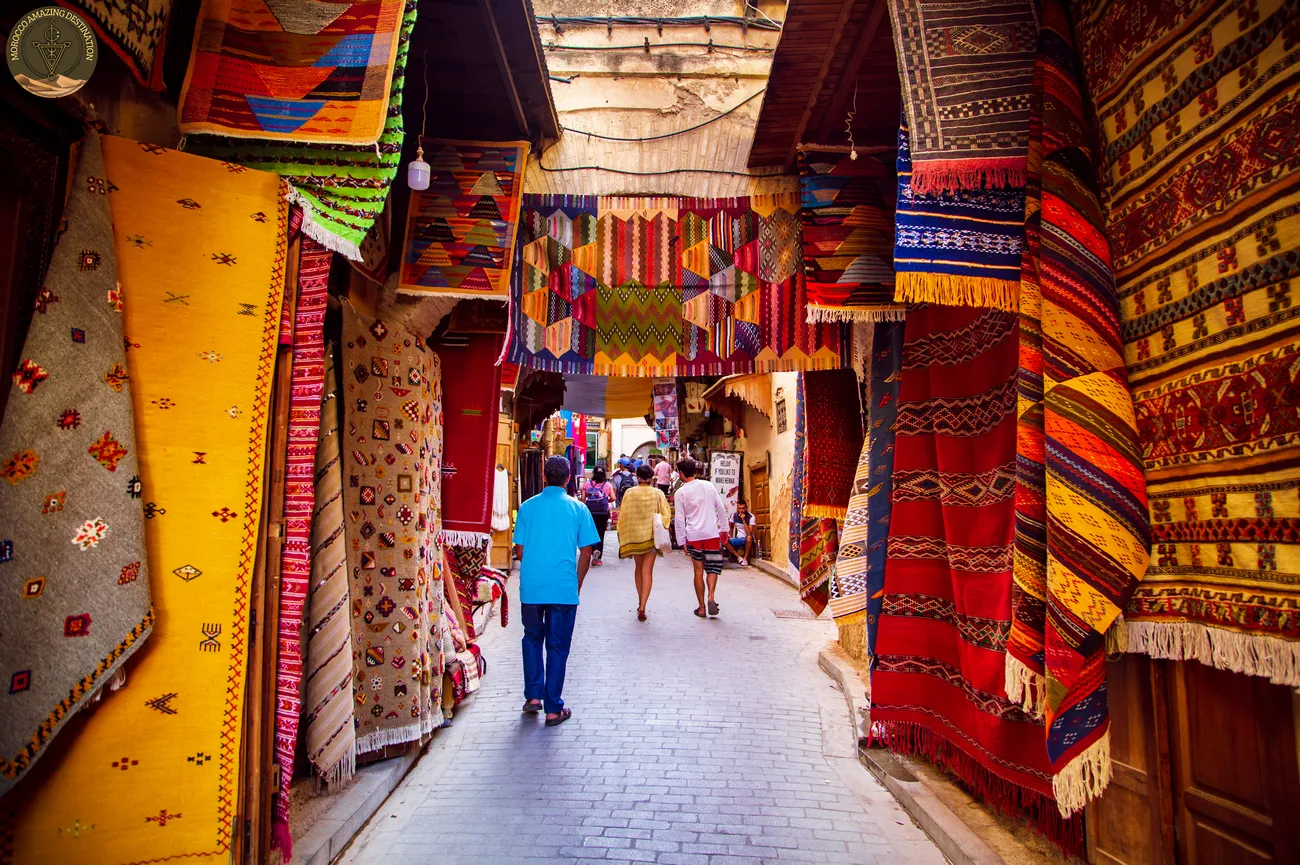
Searching for the top 10 things to do in fez? Fez — Morocco’s oldest imperial city and spiritual capital — rewards slow exploration like no other destination. Inside the walls of the UNESCO-listed Fez Medina, you step into a living medieval city where artisans hammer copper in Seffarine Square, students once studied beneath cedar ceilings, and leather has been dyed by hand for centuries. If you are wondering about the best things to do in Fez Morocco, this curated list brings together iconic sights, hidden corners, flavors and viewpoints for first-time visitors and returning travelers alike.
Fez is not a city you rush. Often called the cultural heart of Morocco, it centers on Fes el-Bali, a vast car-free medina of nearly nine thousand alleys, souks organized by craft guilds, and Marinid masterpieces. The energy is intense, the hospitality warm, and every turn leads to something unexpected.
1. Wander the Fez Medina (Fes el-Bali) — Get Lost on Purpose
The Fez Medina is the essential starting point and the experience that defines the city. Known locally as Fes el-Bali, this UNESCO World Heritage medina is the largest car-free urban area in the world and a remarkably intact medieval Islamic city.
- Follow the two main arteries — Talaa Kebira and Talaa Sghira — which connect Bab Boujloud to the heart of the medina.
- Peek into fondouks (historic caravanserais), community ovens, and tiny workshops where embroidery and bookbinding survive.
- Hire an official guide for your first half-day to learn the logic behind the labyrinth, then explore solo.
Tip: Wear comfortable shoes, carry small change, download an offline map, and embrace getting a little lost — every dead end reveals a doorway, a fountain or a friendly greeting.
2. Cross Bab Boujloud — The Blue Gate
Your entry ritual begins at Bab Boujloud, the iconic Blue Gate built in the early twentieth century. Its outer face shimmers with cobalt zellij tiles; the inner face glows green, the color of Islam. Three horseshoe arches frame a lively square of juice stalls and cafes — the perfect place to start or pause your medina walk. Arrive early morning or late afternoon for the best light and fewer crowds.
3. Step Inside the Bou Inania Madrasa
The Bou Inania Madrasa is the Marinid masterpiece you can actually enter as a non-Muslim — the only madrasa in Fez with its own minaret. Built in the mid-fourteenth century, its courtyard is a symphony of craftsmanship:
- Zellij tilework in geometric stars and calligraphy
- Carved cedarwood and stucco so fine it looks like lace
- A serene prayer hall with a marble mihrab and wooden minbar
Go early to enjoy the space in quiet, and look up to the mashrabiya balconies where students once lodged.
4. Admire Al-Attarine Madrasa and the Spice Souk
A short walk from Bou Inania, the Al-Attarine Madrasa is smaller but exquisite — a jewel of fourteenth-century architecture centered on a tranquil courtyard with a reflecting pool. Step outside and you are in Souk el-Attarine, the spice and perfume souk. Here, pyramids of cumin, paprika and dried roses spill from sacks, and herbalists blend natural remedies. It is the most fragrant corner of the medina.
5. Witness Living Craft at the Chouara Tanneries
No image captures Fez quite like the Chouara Tanneries — stone vats filled with vivid natural dyes where leather has been tanned since the medieval era. The process still relies on natural ingredients such as indigo for blue, poppy for red, saffron for yellow and henna for orange.
- View from the leather-shop terraces that encircle the pits — shopkeepers welcome you up and often offer fresh mint to soften the smell.
- Visit in the morning when vats are full and light is ideal for photography.
- Remember the craft is real work, not a show: tipping the shop host is courteous.
Alongside Chouara, smaller tanneries such as Sidi Moussa and Ain Azliten keep the same traditions alive.
6. Pay Respects to Al Quaraouiyine University and Nejjarine Square
Founded in the ninth century by Fatima al-Fihri, Al Quaraouiyine University is regarded as the oldest continuously operating university in the world and the spiritual heart of Fez. Non-Muslims cannot enter the mosque and university complex, but you can admire the green-tiled roofs, the grand doorway and glimpses of the courtyard from outside, or from a nearby rooftop cafe.
A few steps away, Nejjarine Square delights with:
- The eighteenth-century Nejjarine Fondouk, now the Museum of Wooden Arts and Crafts, with its galleried courtyard and rooftop panorama.
- The beautifully tiled Nejjarine Fountain, one of the most photographed in Morocco.
- Workshops selling carved wood, brass and woven goods.
7. Feel the Rhythm at Seffarine Square and the Guild Souks
The medina’s souks are still organized by guild, a medieval zoning system that makes exploring intuitive:
- Place Seffarine — coppersmiths hammering trays, teapots and lanterns in a rhythmic chorus.
- Souk el Henna — natural cosmetics, argan and henna.
- Souk Seffarine & Nejjarine area — woodwork and leather.
- Ain Nokbi quarter (just outside the walls) — the famous blue-and-white Fassi pottery, bleu de Fès.
Bargaining is expected and part of the culture — start around half the asking price, smile, and enjoy the exchange.
8. Explore the Mellah and Ibn Danan Synagogue
South of the medina lies Fes el-Jdid and the Mellah, the first Jewish quarter in Morocco, established in the mid-fifteenth century. Wandering its balcony-lined streets offers a different architectural rhythm and a quieter pace.
- Visit the Ibn Danan Synagogue, a seventeenth-century synagogue carefully restored with its wooden bimah and mikveh.
- See the whitewashed Jewish cemetery and the gates of the Royal Palace nearby — the brass doors are among the most impressive photo stops in the city.
The Mellah reveals Fez as a city of layered histories, not only Islamic but also Jewish and Andalusian.
9. Take in the View from Borj Nord and the Marinid Tombs — Then Breathe in Jnan Sbil Gardens
For perspective — literally — head to the hills north of the medina:
- Borj Nord, a sixteenth-century Saadian fort that now houses the Museum of Arms, offers commanding views over the medina’s sea of rooftops and minarets.
- The Marinid Tombs on the hill above provide the classic sunset panorama, especially beautiful when the call to prayer drifts across the valley.
- Below, Jnan Sbil Gardens, a nineteenth-century garden of around seven hectares, offers shaded alleys, fountains and a welcome pause between sightseeing.
Bring water, go for golden hour, and linger on a rooftop afterward.
10. Taste, Soak and Create: Pastilla, Hammam and a Craft Workshop
The final essentials are sensory:
- Taste Fassi cuisine — Fez is Morocco’s culinary capital. Try pastilla (flaky pastry with spiced pigeon or chicken, almonds, cinnamon), rfissa, fine seven-vegetable couscous and harira soup. Around Bab Boujloud and in small medina eateries you will find brochettes, soups and fresh juices at modest prices.
- Try a hammam — a traditional steam, black-soap scrub and massage leaves you renewed after long walks on cobblestones.
- Join a workshop — learn pottery painting, leather embossing, tile zellij or a cooking class that starts with shopping in the souk.
Staying in a riad inside the medina lets you experience the city after day-trippers leave — rooftop breakfasts, evening quiet and the dawn call to prayer.
Bonus: Easy Day Trips from Fez
If you have an extra day, Fez is perfectly placed for north Morocco’s highlights — ideal things to do in Fez Morocco beyond the city walls:
- Volubilis and Meknes — Roman mosaics among olive groves and an imperial city of grand gates, both within easy reach.
- Chefchaouen — the blue-washed town in the Rif Mountains, ideal for a long day or overnight.
- Middle Atlas — cedar forests, lakes and Berber villages.
Ask your riad or guide about private drivers if you prefer flexibility.
Practical Tips for Visiting Fez
- Guide first, solo after — an official guide for the first morning transforms confusion into confidence.
- Dress respectfully — cover shoulders and knees; a light scarf is useful.
- Morning for tanneries, afternoon for rooftops — plan around light and heat.
- Allow at least two full days, three if you want food and craft experiences.
- Respectful photography — always ask before photographing people, especially artisans and women.
- Stay inside the medina — a riad keeps you close to the action and the quiet magic after sunset.
Sources: UNESCO World Heritage Centre (Medina of Fez), Lonely Planet, local heritage guides and medina conservation notes. Craft and historical details reflect long-standing traditions; individual entry conditions can change, so check locally.
Fez rewards those who linger, and the best way to experience it is as part of a wider northern Morocco journey. Continue from the medina to the Sahara and the blue city with our 7-Day Morocco Tour from Fes, which links Fes, the desert dunes, Meknes and Chefchaouen in one loop, or cross the country to Marrakech on the classic 4-Day Desert Tour from Fes to Marrakech via the Ziz Valley and Todra Gorges.
We can customize a tour to match your needs — design your perfect itinerary
If you found this helpful, add us as your preferred source on Google.
Frequently Asked Questions
How many days do I need to see the best things to do in Fez?
Two full days cover the essentials — the Medina, Bou Inania Madrasa, Chouara Tanneries and the main souks — but three days is ideal. It gives you time for a hammam, a cooking class, sunset from the Marinid Tombs and a day trip to Volubilis or Meknes without rushing.
Can non-Muslims visit the religious sites in Fez?
Most mosques in Fez, including the Al Quaraouiyine Mosque, are closed to non-Muslims, but you can admire exteriors, courtyards from the doorways and views from nearby rooftops. The Bou Inania Madrasa is the major exception — it is open to all visitors and is a highlight for its tilework and carved cedar.
Is the Fez Medina difficult to navigate?
Yes — the Fez Medina has around nine thousand alleys and is the world's largest car-free urban area. Hiring an official guide for your first morning is the best investment: you learn to orient yourself between the two main arteries, discover hidden fondouks and avoid getting lost.
What is the best way to experience the Chouara Tanneries?
View the tanneries from the leather-shop terraces that surround the pits — shopkeepers invite you up for free and offer mint to soften the smell. Morning is best, when the vats are full of natural dyes and the light is perfect for photos. A small tip is appreciated if you enjoy the view.
Ready for an Adventure?
Have questions? Feel free to contact us using the form below. We're here to help!