· Travel · 6 min read
Tipping in Morocco: A Complete Guide to Gratuity Customs and Expectations
From restaurants and riads to tour guides and taxi drivers — learn exactly how much to tip in Morocco, when it is expected, and how to navigate local gratuity culture with confidence.
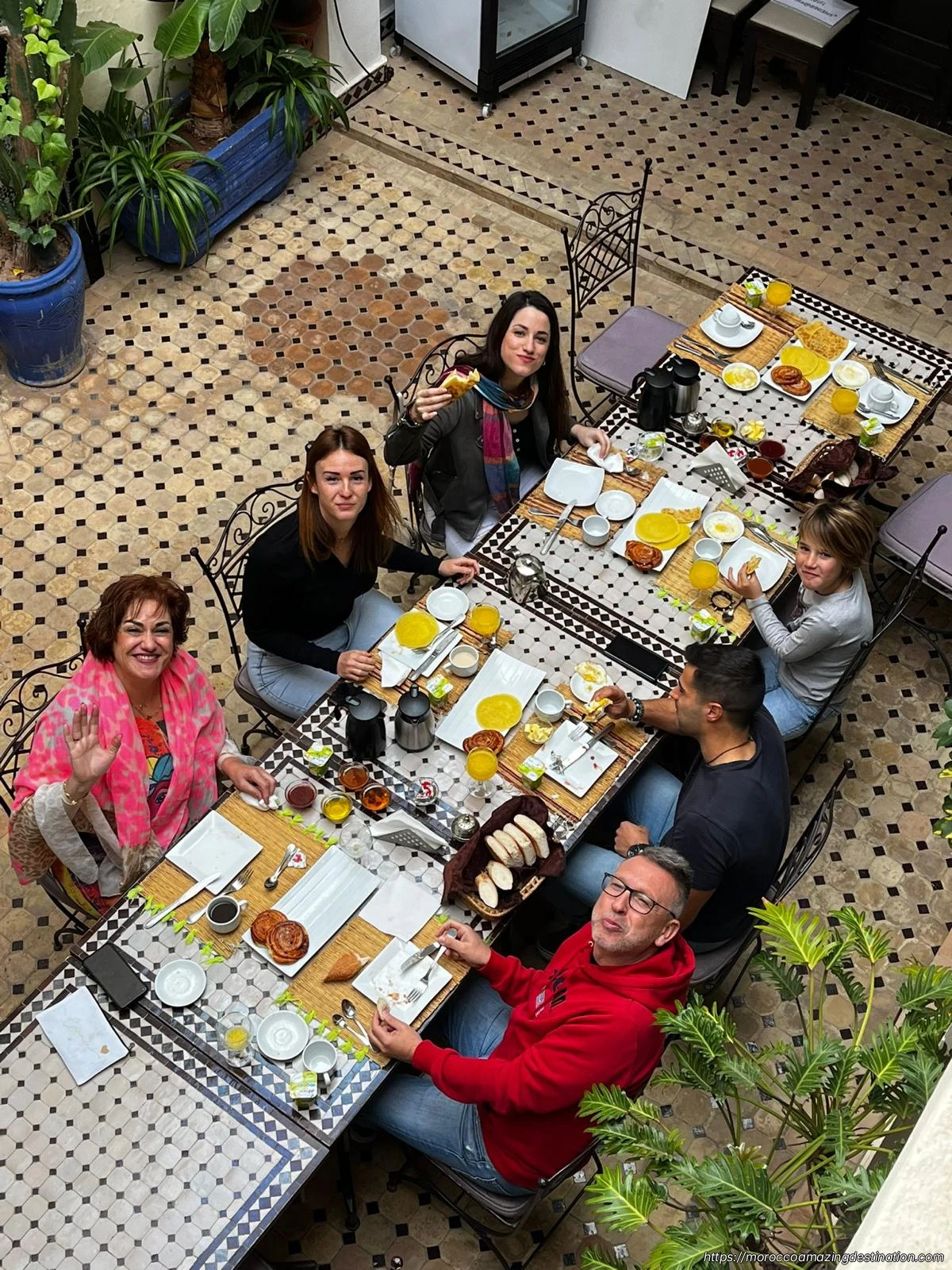
Morocco is a country famous for its legendary hospitality, but one aspect of local culture that often confuses visitors is tipping in Morocco. Should you leave a tip at a restaurant? How much is appropriate for a tour guide? And what exactly is baksheesh? This Morocco tipping guide covers everything you need to know about Moroccan tipping customs, from everyday situations to tour operators, so you can travel confidently and respectfully.
Understanding the Tipping Culture in Morocco
In Morocco, tipping — often referred to as baksheesh — is deeply woven into daily life. Unlike in some Western countries where tipping is strictly optional, in Morocco it is widely expected for many services. Tips often supplement modest wages and are seen as a gesture of appreciation for good service.
However, baksheesh is not the same as a Western-style tip. The word actually has broader cultural meanings — it can refer to charity, a small gift, or a bribe depending on the context. As a traveler, you will mostly encounter it as a gratuity for services rendered.
- Tipping is common in restaurants, cafés, hotels, and for personal services.
- It is not legally mandatory, but culturally expected in most tourist-facing situations.
- Tipping in the local currency (Moroccan dirhams) is always preferred. Euros or dollars are accepted in tourist-heavy areas, but dirhams are more practical.
How Much to Tip in Restaurants and Cafés
Dining out is a central part of the Moroccan experience, and how much to tip in Morocco at restaurants depends on the type of establishment.
- Local eateries and street food stalls: A tip of 2 to 5 dirhams (MAD) is appreciated but not always expected. Rounding up the bill is a simple approach.
- Mid-range restaurants: Leave around 5 to 10% of the bill if service is not included. Many mid-range establishments do not add a service charge.
- Upscale and tourist restaurants: These often include a service charge — check the bill for service compris (service included). If it is included, a small additional tip of 5 to 10 dirhams is still a kind gesture. If not, 10% is standard.
- Cafés and tea houses: For a simple mint tea or coffee, rounding up or leaving 1 to 2 dirhams is fine.
Always pay attention to whether service is included. When in doubt, a small tip is always welcome.
Tipping Your Tour Guide and Driver
If you book guided tours — one of the best ways to experience the country — tipping your guide and driver is an important part of the experience. Tour guides in Morocco typically rely on tips as a significant portion of their income.
- Private tour guide: A tip of 100 to 200 dirhams per day, per group, is standard for a full-day private guide. Adjust based on group size and the quality of the experience.
- Private driver: For multi-day tours, tip your driver 50 to 100 dirhams per day. Drivers work long hours and often go above and beyond to make your journey comfortable.
- Group tours: On shared group tours, tip around 20 to 40 dirhams per person, per day, for the guide. For the driver, 10 to 20 dirhams per person per day is appropriate.
- Day trip guides: For a half-day or day trip, 50 to 100 dirhams per group is a reasonable tip.
It is a good practice to tip your guide and driver on the final day of the tour rather than daily. A sincere shukran (thank you) alongside your tip goes a long way.
Tipping in Hotels and Riads
From luxury hotels to traditional riads, Morocco gratuity customs extend to accommodation staff as well.
- Porters and bellhops: 5 to 10 dirhams per bag is standard. If you only have one small bag, 5 dirhams is enough.
- Housekeeping: 10 to 20 dirhams per day, left at the end of your stay or daily in an envelope with a note. In larger hotels, daily tipping ensures the same staff receives your gratitude.
- Concierge: If the concierge goes above and beyond — booking a hard-to-get restaurant reservation or arranging a special experience — 20 to 50 dirhams is appropriate.
- Parking attendants: Unofficial parking attendants (gardiens de parking) are common. Give 2 to 5 dirhams when you park and another 2 to 5 dirhams when you leave.
Tipping in Other Situations
Beyond restaurants and hotels, you will encounter various situations where tipping is expected.
- Hammam and spa: After a traditional hammam treatment, tip the attendant 10 to 20 dirhams. For spa treatments at upscale establishments, 10% of the service cost is standard.
- Taxi drivers: Tipping taxi drivers is not obligatory, but rounding up the fare is common. For example, if the ride costs 17 dirhams, you can give 20 and say saha (keep the change).
- Gas station attendants: 2 to 5 dirhams is standard if they fill your tank or clean your windshield.
- Grocery baggers and market helpers: 1 to 2 dirhams is a small but meaningful tip.
Common Tipping Mistakes to Avoid
- Tipping too aggressively: While tipping is appreciated, flashing large amounts of cash can draw unwanted attention. Keep your tipping discreet and modest.
- Using foreign currency: Always try to tip in dirhams. It is more convenient for locals and avoids exchange rate confusion.
- Forgetting small bills: Carry a supply of small dirham notes — 10, 20, and 50 — specifically for tips. Breaking a 200 dirham note just to tip is awkward and impractical.
- Assuming service is always included: Always check restaurant bills for service compris. If service is included, an additional tip is optional but never required.
- Not tipping at all: While you will not be chased down for skipping a tip, it can be seen as rude or stingy given the local expectations.
Tipping During Ramadan and Special Seasons
During the holy month of Ramadan, many Moroccans fast from sunrise to sunset. As a traveler, you should be mindful of this cultural context, but tipping customs remain largely unchanged. If anything, tips are even more appreciated during this period. Offering a small extra tip or a kind word is a thoughtful gesture that reflects well on you as a visitor.
Now that you understand the ins and outs of tipping in Morocco, you can travel with confidence knowing you are respecting local customs and supporting the people who make your journey memorable. A thoughtful tip is not just about money — it is about showing appreciation for Moroccan hospitality.
If you are planning a trip that involves multiple stops, guides, and drivers — where tipping knowledge is especially useful — consider our 3-Day Trip from Marrakech to Merzouga. This desert adventure gives you the chance to experience Morocco’s legendary hospitality firsthand, from mountain guides to desert camp hosts.
For a longer cultural journey through Morocco’s most iconic landscapes, our 4-Day Trip from Marrakech to Fes takes you through the High Atlas, the lush Dades Valley, and the golden dunes of Merzouga — with plenty of opportunities to practice your tipping etiquette along the way.
If you found this helpful, add us as your preferred source on Google.
Frequently Asked Questions
Is tipping mandatory in Morocco?
Tipping is not legally required in Morocco, but it is deeply ingrained in the culture and expected in most service situations. While you will not be penalized for not tipping, it is considered polite and respectful to leave a small gratuity.
How much should I tip a tour guide per day?
For a private tour guide, a daily tip of 100 to 200 dirhams per group is standard. On group tours, aim for 20 to 40 dirhams per person per day. Adjust based on the quality of the experience and your group size.
Should I tip in dirhams or euros?
Always tip in Moroccan dirhams. While euros are accepted in tourist-heavy areas, dirhams are more practical and appreciated by locals. Carry small notes of 10, 20, and 50 dirhams specifically for tipping.
What is baksheesh?
Baksheesh is a broad cultural concept in Morocco that can mean a tip, a charitable donation, or a small gift depending on the context. For travelers, it most commonly refers to a gratuity for services rendered and is widely expected in tourist-facing situations.
- morocco
- travel-tips
- etiquette
- budget-travel
- tipping-in-morocco
- morocco-tipping-guide
- morocco-tipping-customs
Ready for an Adventure?
Have questions? Feel free to contact us using the form below. We're here to help!