
· Travel Tips · 9 min read
Things to Know Before Travelling to Marrakech: Essential Tips for First-Time Visitors
First time in Marrakech? Discover dress code, safety, currency and medina tips for a smooth, respectful visit.
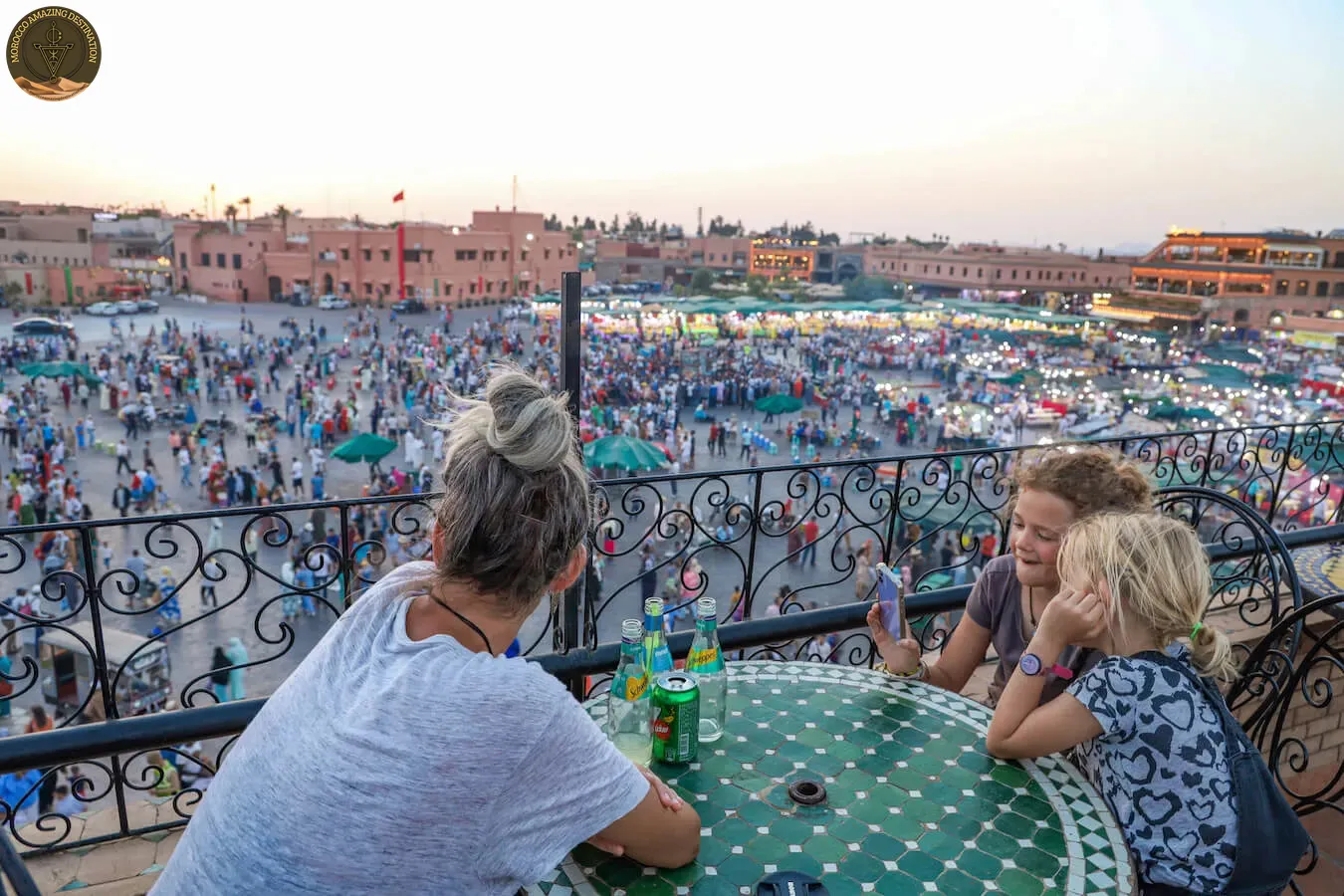
If Marrakech is at the top of your list, you are in for a city that delights all the senses. From the drumbeat of Jemaa el-Fnaa to the quiet of a riad courtyard, the Red City rewards travellers who arrive prepared. This guide covers the key things to know before travelling to marrakech so you can explore with confidence, respect local culture and make the most of every moment.
Consider these marrakech travel tips your pre-trip toolkit: what to pack, how money works, how to move through the medina, and how to enjoy the souks without stress. With a little preparation, first-time visitors quickly find their rhythm.
Understand the Medina and Jemaa el-Fnaa
The medina is the walled old city, a UNESCO World Heritage site of narrow alleys, workshops and bustling markets. It is largely car-free, but far from quiet. Scooters, donkey carts and porters share the lanes, so listen for a quick Balak! — watch out — and step aside.
At its heart lies Jemaa el-Fnaa, Marrakech’s legendary square and cultural stage. By day it holds juice stalls, storytellers and musicians. By evening it transforms into an open-air food market with more than a hundred stalls serving tagine, grilled meats, harira soup and fresh bread. The square is recognised as UNESCO Intangible Heritage for good reason: it is theatre, market and meeting place in one.
Practical tips for the square and medina:
- Use landmarks for navigation. The Koutoubia minaret and the square itself are your best compass points. Offline maps help, as mobile signal can be patchy in tight alleys.
- Hire a licensed guide for your first half-day. A good medina guide decodes the souks, explains craft quarters and shows you shortcuts, saving hours of backtracking.
- Time your visit. Mornings are calmer for sightseeing and photography. Evenings are lively but crowded, so keep bags close and choose food stalls with high turnover and lots of local diners.
What to Wear in Marrakech: Modest, Comfortable and Breathable
One of the most common questions is what to wear in marrakech, and the answer balances respect and comfort.
Marrakech is more relaxed than many expect, yet modest dress is appreciated, especially in the medina, souks and around mosques. You do not need a head covering as a visitor, but covering shoulders and knees goes a long way and helps you feel more at ease.
Pack these essentials:
- Loose, breathable layers: Linen, cotton and light viscose work best. Long skirts, loose trousers, T-shirts with sleeves and light long-sleeve shirts are ideal.
- A scarf or shawl: Useful for sun cover, mosque surroundings, cooler evenings and hammam visits.
- Comfortable walking shoes: The medina means cobbles, uneven lanes and plenty of steps in riads. Closed, breathable shoes beat flip-flops.
- Sun protection: Hat, sunglasses and sunscreen remain important even outside summer, thanks to strong sun and reflective walls.
Inside Gueliz, the modern district, dress codes are more relaxed. At pools and resorts, swimwear is fine, but cover up when returning to the old city. If you plan to visit the Koutoubia Mosque, note that it is not open to non-Muslims for interior visits, but the gardens and exterior are worth seeing and merit respectful attire.
Is Marrakech Safe? Street Smarts Over Stress
Many first-timers ask is marrakech safe, and the short answer is reassuring. Marrakech is generally safe for tourists, with a visible tourist police presence and a strong culture of hospitality. Violent crime against visitors is rare. What you are more likely to encounter are crowded conditions, persistent touting and soft scams that rely on helpfulness rather than force.
Stay comfortable with these habits:
- Keep valuables discreet. Use a cross-body bag, keep phones secure when filming, and avoid flashing large amounts of cash in the square or souks.
- Politely decline unsolicited guides. A friendly La, shukran — no, thank you — and keep walking. If you want guidance, agree the price and duration upfront with a licensed guide.
- Be aware of scooter traffic. Alleys are shared spaces. Walk single file when you hear a horn and keep children close.
- For women travellers: Verbal attention can happen, especially in busy zones. Dressing modestly, walking with purpose and sitting near families in cafes helps. Physical harassment remains uncommon, but trust your instincts and step into a shop or cafe if you feel uncomfortable.
- Evening safety: Jemaa el-Fnaa and main medina routes stay busy into the night. Stick to lit, populated lanes and arrange your riad transfer or taxi in advance for late returns.
With modest precautions, most visitors describe Marrakech as welcoming and easy to enjoy.
Marrakech Currency and Money: Why Cash Is Still King
Understanding marrakech currency saves time and hassle. The Moroccan dirham, abbreviated MAD, is a closed currency, meaning you exchange on arrival rather than bringing it from home. Euros and dollars are sometimes quoted by touts, but all official prices are in dirhams.
Key money tips:
- Carry cash daily. Souks, Jemaa el-Fnaa food stalls, petit taxis, small cafes and hammams are often cash-only. Plan on carrying around 500 to 1,000 MAD for day-to-day spending, more if you intend to shop for crafts or carpets.
- ATMs are easy to find. Look for banks like Attijariwafa and BMCE near Jemaa el-Fnaa, in Gueliz and at the airport. Use indoor, bank-attached machines where possible and notify your bank of travel plans beforehand.
- Cards have limits. International cards work in Gueliz restaurants, larger hotels, the Majorelle Garden and some fixed-price shops. For the medina, assume cash.
- Exchange wisely. Official exchange offices and banks offer fair, transparent rates. Count change carefully and ask for small notes, which are invaluable for taxis, tips and market purchases.
- Tipping culture: Not obligatory but appreciated. Rounding up a taxi fare, leaving 10 to 20 MAD for a cafe server when service is good, and a small tip for a helpful guide are common.
For orientation only, exchange rates typically hover around one euro to roughly eleven dirhams and one US dollar to about ten dirhams, but rates fluctuate, so check shortly before departure.
Getting Around Marrakech: Petit Taxis, Walking and the Art of Haggling
The medina is best explored on foot, while wheels matter beyond its gates.
Petit taxis are the city’s small beige taxis for short hops. They run on a meter, starting from a low base fare with a per-kilometre charge. If the meter stays off, agree the total price before departure. Short daytime rides within central areas often fall in a modest range, with higher fares in the evening or for longer distances. For day trips or intercity legs, cream-coloured grand taxis or private drivers are the norm.
Useful transport notes:
- Navigate with intention. Note your riad’s nearest gate, Bab, and a nearby landmark, since many riads sit on foot-only lanes where taxis cannot enter. Your host often meets you at the closest vehicle access point.
- Ride-hailing alternatives: Apps operate with local drivers in some areas, but coverage is uneven. Your riad or hotel can call a trusted driver quickly.
- Calèches: Horse-drawn carriages offer a scenic, slower loop around ramparts and palm groves, best at sunset. Agree price and duration first.
Souks and haggling are part of the fun when you know the rhythm. Haggling is expected in the souks, but never aggressive if you stay friendly.
- Browse before you buy. Walk a full section to learn price ranges. The government-run Ensemble Artisanal provides fixed-price benchmarks for crafts.
- Open low, settle middle. Starting around 30 to 40 percent of the first asking price and settling near 50 to 60 percent is a common dance. A smile, patience and willingness to walk away are your best tools.
- Tea is hospitality, not pressure. Accepting mint tea while viewing carpets does not obligate a purchase. Enjoy the conversation and decide on your own terms.
- Photography courtesy: Ask before photographing people, stalls or workshops. Some vendors prefer not to be filmed, and henna artists near the square may charge for photos.
Where to Stay: Riads vs Hotels
Your base shapes your experience. Riads are traditional townhouses built around a courtyard or garden, often converted into guesthouses inside the medina. They deliver atmosphere, rooftop breakfasts and hosts who become your local fixers for maps, restaurant tips and taxi calls. Because medina riads are tucked down pedestrian lanes, expect a short walk from the taxi drop point and occasional call-to-prayer sounds in the morning.
Hotels in Gueliz or the Hivernage offer elevators, pools and easy taxi access, ideal if you prefer modern facilities and plan late nights. Many travellers split their stay: a few nights in a medina riad for immersion, followed by a night or two in Gueliz for ease before departure.
Whatever you choose, book ahead during spring and autumn peaks. Check whether your accommodation offers airport transfer, since a pre-arranged driver removes arrival stress after a long flight.
Food, Water, Language and Essential Logistics
Food and water: Moroccan cuisine is a highlight. Do not miss chicken or vegetable tagine, couscous on Fridays, harira soup, pastilla and plenty of mint tea. Choose busy stalls, eat cooked-to-order dishes and use your right hand for giving and receiving. Drink bottled water only and avoid tap water, even for brushing teeth if you are sensitive.
Language: Morocco’s official languages are Arabic and Tamazight, with French widely used in cities and English increasingly common in tourist zones. Local Darija is the everyday Arabic dialect. A few phrases open doors:
- Salam alaikum — peace be upon you, hello
- Shukran — thank you
- Bshhal hada? — how much is this?
- La, shukran — no, thank you
Entry and connectivity: Many nationalities enter visa-free for short stays, but passport validity requirements apply and electronic travel authorisation systems are evolving. Always check the official source for your nationality before booking. For connectivity, consider a local SIM from the airport telecom shops if your phone is unlocked, or arrange an eSIM before arrival. Wi-Fi is standard in riads and cafes.
When to visit: Late spring and early autumn bring warm, pleasant days ideal for walking. Summer is very hot and best enjoyed with a slower pace, early starts and rooftop evenings. Winter offers mild days but cool nights, and many riads are not centrally heated, so pack a warm layer.
Make Marrakech Part of a Larger Journey
Marrakech makes a perfect base for the Sahara. If you have a few extra days, the road over the High Atlas to the dunes is one of Morocco’s great journeys, passing Ait Ben Haddou, the Valley of Roses and Todra Gorge.
Travel deeper with our 4-Day Morocco Desert Tour from Marrakech, which combines Ait Ben Haddou, Dades Valley and a night in a Merzouga luxury desert camp with a camel trek at sunset, or set off on the classic 3-Day Trip from Marrakech to Merzouga for a shorter desert immersion with Berber camp hospitality.
We can customize a tour to match your needs — design your perfect itinerary
If you found this helpful, add us as your preferred source on Google.
Frequently Asked Questions
Is Marrakech safe for first-time visitors?
Yes, Marrakech is generally safe for tourists. Violent crime is rare and tourist police are present in the medina. Stay aware in crowds, keep valuables secure, and politely decline unsolicited help to avoid common soft scams.
What should I wear in Marrakech?
Dress modestly and comfortably. Cover shoulders and knees with loose, breathable fabrics like linen or cotton. No head covering is required for visitors, but more conservative clothing is appreciated in the medina, souks and around religious sites.
Do I need cash in Marrakech or can I use cards?
Bring cash. The Moroccan dirham is a closed currency and the medina runs on cash. Souks, Jemaa el-Fnaa stalls, petit taxis and many riads are cash-only. Cards are accepted mainly in Gueliz, larger hotels and some restaurants. ATMs are widely available.
How do I get around and avoid scams in the souks and taxis?
Walk inside the medina and use beige petit taxis outside it. Insist on the meter or agree the fare before you set off. In the souks, haggling is expected, an invitation to tea is not an obligation to buy, and a firm 'La, shukran' handles unwanted guides.
Ready for an Adventure?
Have questions? Feel free to contact us using the form below. We're here to help!