· Travel · 7 min read
Should I Travel to Morocco? Honest Travel Guide for First-Time Visitors
Should you travel to Morocco? Honest guide on safety, cost, culture and top experiences. Everything first-time visitors need to know before visiting.
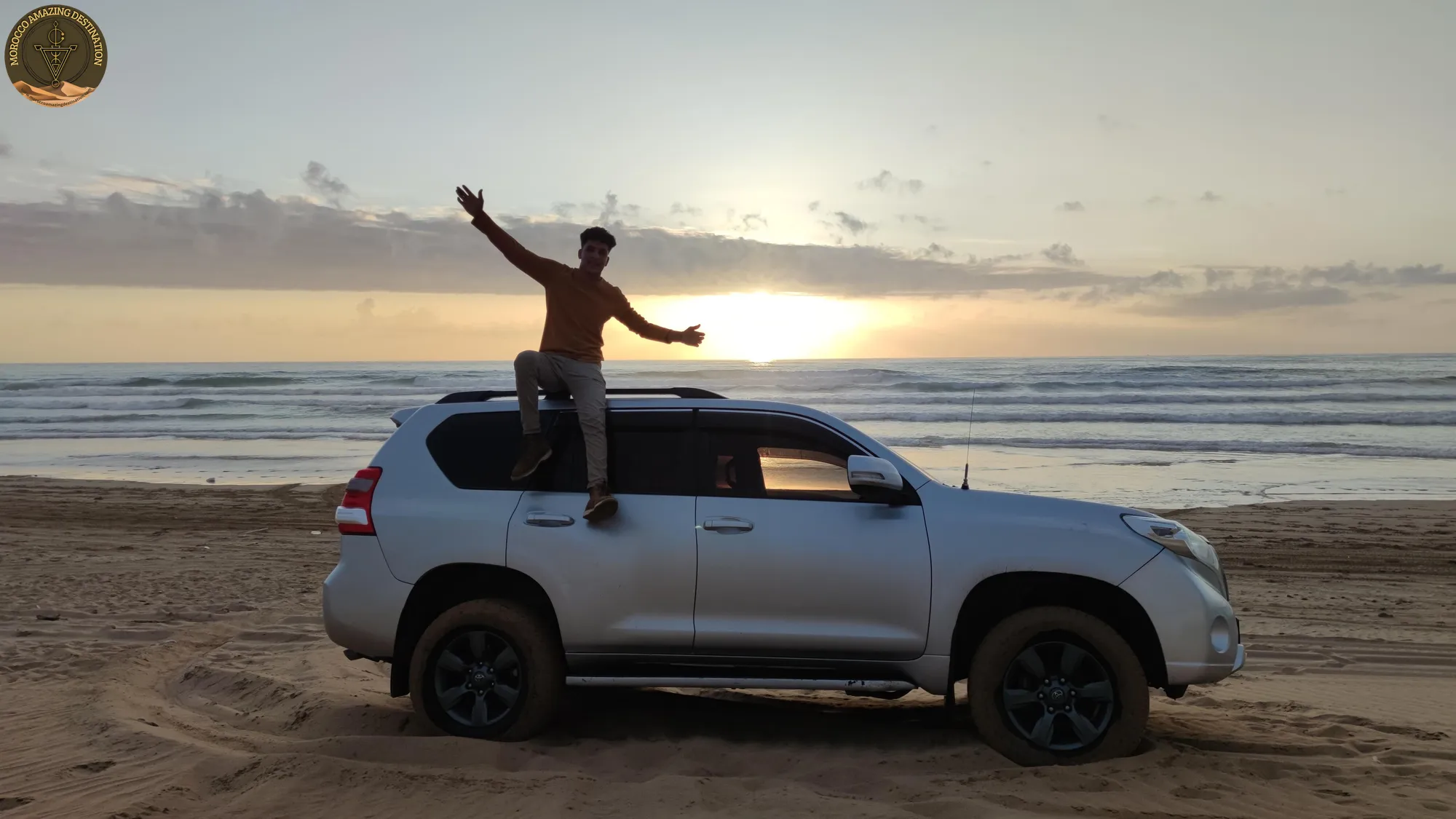
Should I travel to Morocco? If you are dreaming of wandering through labyrinthine medinas, riding a camel across golden Sahara dunes, or savoring the warmth of freshly brewed mint tea in a sun-drenched riad courtyard—the answer is a resounding yes. Morocco is not just a destination; it is an experience that stays with you long after you return home.
This complete Morocco travel guide covers everything you need to know before your trip: safety, cost, culture, the best time to visit, and the unforgettable experiences that await. Whether you are a solo traveler, a couple, or a family planning your first adventure to North Africa, this guide will help you decide—and prepare.
Is Morocco Worth Visiting?
Morocco consistently ranks as one of the top travel destinations in Africa, and for good reason. It offers a level of diversity rarely found in a single country. Within a week, you can explore ancient Roman ruins, trek through snow-capped mountains, sleep under the stars in the Sahara Desert, and surf along the Atlantic coast.
The country is incredibly affordable for most Western travelers. A comfortable riad costs between $40 and $80 per night, a filling tagine dinner is around $5 to $10, and train travel between major cities is both reliable and inexpensive. Your money goes far here, allowing you to experience luxury at a fraction of the price you would pay in Europe or North America.
Beyond the cost, Morocco is worth visiting for its rich cultural tapestry. The blend of Berber, Arab, and European influences creates a unique identity expressed through architecture, cuisine, music, and daily life. Every city has its own personality—from the electric energy of Marrakech to the serene blue streets of Chefchaouen.
What Makes Morocco a Unique Destination?
Rich Culture and History
Morocco has been a crossroads of civilizations for centuries. The imperial cities of Marrakech, Fes, Meknes, and Rabat are living museums, each offering stunning palaces, ancient universities, and bustling souks that have operated for over a thousand years. The medina of Fes, home to the world’s oldest university, is a UNESCO World Heritage site that feels frozen in time.
Diverse Landscapes
Few countries offer such dramatic geographic variety. The Atlas Mountains provide world-class hiking and breathtaking scenery. The Sahara Desert offers once-in-a-lifetime experiences like camel treks and luxury desert camping. The Atlantic and Mediterranean coasts boast charming seaside towns perfect for relaxation and water sports. And the Rif Mountains hide the blue-washed gem of Chefchaouen.
Incredible Moroccan Cuisine
Moroccan food is a highlight of any trip. From slow-cooked tagines to fluffy couscous, from sweet pastilla to harira soup—every meal is an event. Street food is safe and delicious in busy areas. Cooking classes are widely available and offer a wonderful way to connect with local culture.
Warm Hospitality
Moroccans are known for their genuine warmth toward visitors. It is common to be invited for tea, offered directions, or engaged in friendly conversation. This hospitality is deeply rooted in Berber and Islamic traditions and is one of the most memorable aspects of traveling in Morocco.
Things to Know Before Traveling to Morocco
Visa and Entry Requirements
Citizens of the US, UK, Canada, Australia, the EU, and many other countries do not need a visa for tourist stays up to 90 days. Your passport must be valid for the duration of your stay and have at least one blank page. Upon arrival, you will receive an entry stamp—this is your only entry requirement.
Best Time to Visit
The best time to visit Morocco depends on what you want to do:
- Spring (March to May): Ideal weather across the country; blooming landscapes
- Autumn (September to November): Pleasant temperatures; great for desert and mountain trips
- Winter (December to February): Mild days, cold nights; perfect for city exploration
- Summer (June to August): Hot inland; best for coastal destinations like Essaouira and Tangier
Safety for Tourists
Is Morocco safe for tourists? This is one of the most common questions—and the answer is reassuring. Morocco is a politically stable country with low violent crime rates. Tourist areas are well policed, and dedicated tourist police patrol major attractions. The US State Department classifies Morocco at Level 1 (Exercise Normal Precautions), the same advisory level as many European countries.
Common sense applies: watch your belongings in crowded areas, avoid poorly lit streets at night, and be cautious of unsolicited guides or “helpful” strangers in medinas—these are usually just persistent salespeople, not criminals.
Dress Code and Cultural Etiquette
Morocco is a Muslim country with a modest dress culture. For both men and women, covering shoulders and knees is recommended, especially in medinas and rural areas. Women are not required to wear a headscarf, but dressing conservatively will earn you respect and reduce unwanted attention.
Etiquette tips:
- Greet with “Salam alaykum” (peace be upon you)
- Use your right hand for eating, greeting, and giving money
- Accept tea when offered—it is a gesture of hospitality
- Ask permission before photographing people
- Avoid public displays of affection
Language and Communication
Arabic and Berber are the official languages, but French is widely spoken across the country. English is increasingly common in tourist areas, hotels, and restaurants. Learning a few basic phrases in Arabic or French will be appreciated:
- Salam alaykum — Hello
- Shukran — Thank you
- La shukran — No thank you (useful in souks)
- Bshhal? — How much?
Currency and Budget
The Moroccan Dirham (MAD) is a closed currency, meaning you cannot exchange it outside the country. ATMs are widely available in cities, and credit cards are accepted at hotels and larger restaurants. For souks and smaller vendors, carry cash.
Average daily budget for a comfortable trip:
- Budget traveler: $40–60 per day
- Mid-range traveler: $80–120 per day
- Luxury traveler: $150+ per day
Who Should Travel to Morocco?
Morocco suits almost every type of traveler:
- Solo travelers: Morocco is one of the best solo travel destinations in Africa. The tourism infrastructure is well developed, and locals are accustomed to independent visitors.
- Couples: Romantic riads, desert camps, and sunset views make Morocco a top honeymoon destination.
- Families: Moroccans love children, and many activities are family-friendly. Private tours make travel with kids easy and enjoyable.
- Adventure seekers: Hiking, surfing, camel trekking, quad biking, and hot air ballooning are widely available.
- Culture enthusiasts: History lovers will spend days exploring medinas, museums, and archaeological sites.
Top Destinations for Your First Visit
If you are wondering “Should I travel to Morocco?” the next question is usually “Where should I go?” Here are the must-visit places for first-time travelers:
- Marrakech: The vibrant red city with Jemaa El-Fnaa square, stunning palaces, and lively souks
- Fes: The spiritual and cultural capital with the world’s oldest university and a mesmerizing medina
- Sahara Desert (Merzouga): Camel rides, luxury desert camps, and the most breathtaking night sky you will ever see
- Chefchaouen: The famous blue city nestled in the Rif Mountains—a photographer’s paradise
- Essaouira: A laid-back coastal town with fresh seafood, wind sports, and a charming medina
Common Concerns Answered
Is Morocco Safe for Solo Female Travelers?
Yes, many women travel solo in Morocco and have wonderful experiences. The key is dressing modestly, being aware of your surroundings, and avoiding walking alone late at night. Female-only tours and accommodations are widely available.
Can I Drink Alcohol in Morocco?
Alcohol is legal and available in hotels, licensed restaurants, and bars in major cities. However, public drinking is not permitted, and you will not find alcohol in traditional areas or during Ramadan. Drink discreetly and within tourist establishments.
Is the Street Food Safe?
Street food in busy areas with high turnover is generally safe. Look for stalls with long queues of locals—this is always a good sign. Stick to bottled water and avoid raw vegetables washed in tap water.
Conclusion
Should you travel to Morocco? Without hesitation, yes. Morocco offers a unique blend of adventure, culture, beauty, and affordability that is hard to match anywhere else in the world. It is a country that challenges your senses, broadens your perspective, and welcomes you with open arms.
Whether you spend three days exploring Marrakech and the desert or two weeks traveling from Tangier to the Sahara, Morocco will leave you with memories that last a lifetime. The only question is: when will you go?
Plan Your Moroccan Adventure
If you are ready to experience Morocco, a guided tour is the perfect way to get started. Our 3-Day Trip from Marrakech to Merzouga takes you through the Atlas Mountains, the UNESCO site of Ait Ben Haddou, the Dades Valley, and into the golden dunes of the Sahara Desert for a camel trek and overnight in a luxury camp.
For a more comprehensive experience, the 4-Day Trip from Marrakech to Fes covers the best of southern Morocco before arriving in the imperial city of Fes—perfect for first-time visitors who want to see the highlights without feeling rushed.
If you found this helpful, add us as your preferred source on Google.
Frequently Asked Questions
Is Morocco worth visiting for first-time travelers?
Absolutely. Morocco offers an incredible mix of culture, history, diverse landscapes, and warm hospitality at an affordable price. It is one of the most accessible and rewarding destinations for first-time visitors to Africa.
Is Morocco safe for tourists?
Yes, Morocco is generally very safe for tourists. Violent crime against visitors is rare, the country is politically stable, and tourist areas have dedicated police. As with any destination, exercise normal precautions.
What is the best time to visit Morocco?
Spring (March to May) and autumn (September to November) offer the most pleasant weather. These seasons provide mild temperatures perfect for exploring cities, hiking mountains, and visiting the Sahara Desert.
Do I need a visa to travel to Morocco?
US, UK, Canadian, and EU citizens do not need a visa for tourist stays up to 90 days. You simply need a valid passport with at least one blank page for the entry stamp.
- should-i-travel-to-morocco
- morocco-travel
- first-time-visitors
- morocco-travel-guide
- is-morocco-safe
- travel-tips
Ready for an Adventure?
Have questions? Feel free to contact us using the form below. We're here to help!