
· Travel · 5 min read
Museums in Agadir: A Heritage Route for Half a Day
Museums in Agadir, explained: the 1960 memory museum, the art museum with the Amazigh collection and the rebuilt medina in half a day.
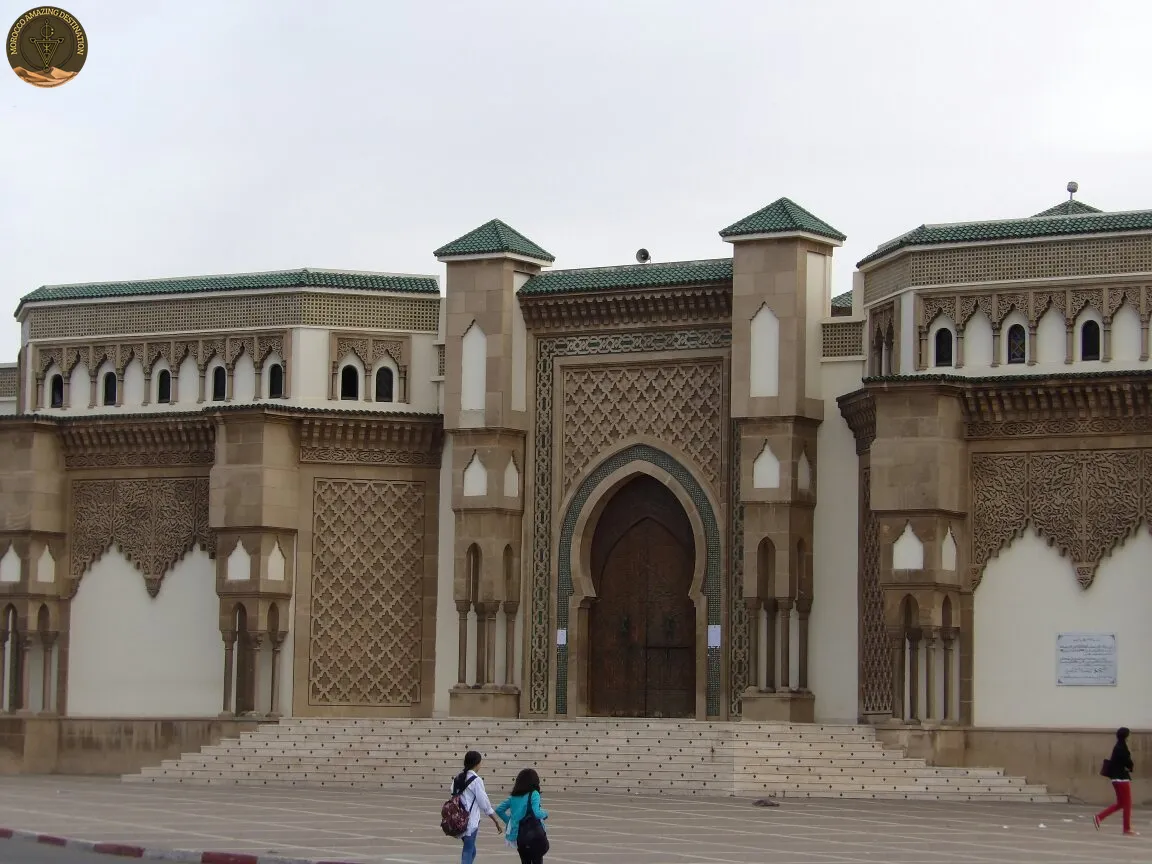
The oldest building in central Agadir is younger than most of the people walking past it. The old town did not survive the night of 29 February 1960, so the city keeps its history indoors. Museums in Agadir work at that scale: two compact halls a short taxi ride from the beach, and one rebuilt medina at the edge of town.
Agadir has two indoor museums in the centre and a rebuilt medina just outside it, and all three fit into half a day. In this guide, we will break down what each one holds, what it costs, when it closes, and the order that keeps you out of the afternoon heat.
Agadir Museums: Three Buildings, One Story
The earthquake of 29 February 1960 struck at about 23:40 and lasted roughly 15 seconds. It levelled around 90 percent of Agadir and killed between 12,000 and 15,000 people. The city was rebuilt on the plain below the hill, which explains why a place this old has so few old stones.
Three stops carry that story, each one from a different angle:
- Memoire d’Agadir: photographs, maps and survivor testimony from the night the city fell.
- Agadir Museum of Art: regional Amazigh jewellery and carpets, hung beside modern Moroccan painting.
- La Medina d’Agadir: a rebuilt medina of workshops, alleys and courtyards.
Both indoor museums sit 10 to 15 minutes by taxi from the beach promenade. The kasbah ruins on the hill above the bay cost nothing, and they make a good last stop. For everything outside these walls, our guide to the coast and the odd corners of Agadir covers what the museums leave out. A wider city list fills the rest of the week.
Memoire d’Agadir: The 15 Seconds Behind the City
Memoire d’Agadir fills the southeast entrance of the Jardin d’Olhão, in Nouveau Talborjt on Avenue Président Kennedy. The rooms are small and the lighting low. Black-and-white photographs show the same street corners before and after the quake, with maps and salvaged objects in the cases between them.
What to look for:
- The stopped watches: timepieces pulled from the rubble, all frozen at 23:40.
- Before-and-after streets: postcards and photographs paired across the same view.
- Survivor video: accounts recorded with people who were in the city that night.
- The solidarity room: documents from the cities abroad that sent rescue teams, including the Portuguese link behind the garden’s name.
Entry costs about 10 MAD, though some listings still quote 20. Hours are 09:30-12:30 and 14:30-18:30, closed Mondays, and 45 to 60 minutes covers it. Labels run in Arabic, French and English. The Jardin d’Olhão outside is free: 2.4 hectares laid out in 1992 for the Agadir-Olhão twinning. It reopened in June 2023 after an 18-month renovation.
Agadir Museum of Art: Amazigh Craft in a Modern Frame
Agadir Museum of Art sits at Avenue Hassan II, Passage Aït Souss, in the city centre. It opened in April 2023 under the national museums foundation, in a building that spent years as the municipal heritage museum. Travellers still call it the Amazigh heritage museum in Agadir, and the same door answers.
About 150 works donated by El Khalil Belguench hang across five thematic sections. Regional Amazigh jewellery and carpets share the rooms with modern and contemporary Moroccan painting, so the craft pieces read against the canvases. Whether a separate Amazigh-only gallery still runs alongside the main hang is worth asking at the desk.
Hours are 10:00-18:00, Tuesday to Sunday, closed Monday. Tickets cost 40 MAD for foreign adults, 20 MAD for Moroccan adults and residents, and 10 MAD for under-18s and students. Allow 60 to 90 minutes. The rooms are air-conditioned, which matters on a hot afternoon.
La Medina d’Agadir: What the Rebuild Holds
Fifteen minutes by car from the centre, La Medina d’Agadir rebuilds the street plan the earthquake erased. Coco Polizzi, a Moroccan-born craftsman of Sicilian heritage, began it in 1992 with traditional techniques and materials: lime, stone, cedar and hand-cut zellij.
Inside, alleys open onto artisan workshops, courtyards and cafés. Nobody lives here, and the place does not pretend otherwise. It is a reconstruction you can drink mint tea in, and it comes closer to the lost medina than anything else in town.
Adults pay 40 MAD, children aged 4 to 12 pay 20 MAD, and gates are open daily, roughly 09:00-18:00. Late afternoon suits it best: softer light, fewer coaches, tea arriving without asking.
Agadir Museums in Half a Day: Route and Timing
The order below follows the light and the closing days, and keeps the hottest hours indoors. Memoire first while the garden is cool, the art museum through the middle of the day, the medina late, and the kasbah last for the sunset.
- 09:30: Memoire d’Agadir, then a walk through the Jardin d’Olhão.
- 11:15: taxi to Passage Aït Souss for the art museum.
- 14:30: lunch, then a car out to La Medina d’Agadir.
- 17:30: Kasbah Agadir Oufella, free entry, sun going down over the bay.
Monday closes both indoor museums, and that is the trap most visitors hit. If Monday is your only free day, keep the kasbah and the beach and move the museums to another morning.
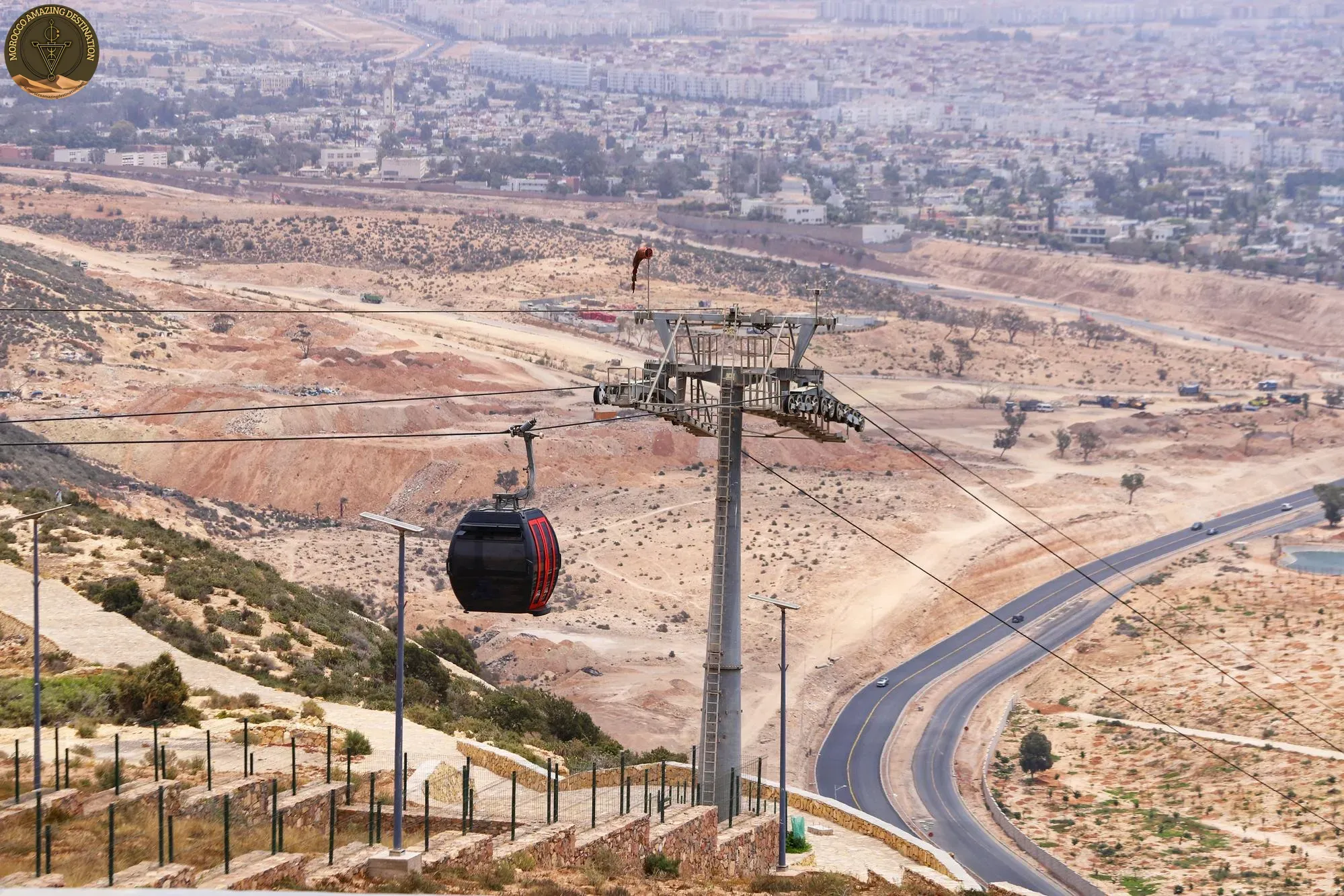
Taxis inside town run 10 to 20 MAD a hop, and the cable car up to Agadir Oufella has run since 2022 if you want to skip the climb. On a 38-degree afternoon or a rainy one, the two indoor stops carry two to three hours of shelter. A cruise-day timetable still fits both if you drop the medina.
Two tours head out of the city altogether. The 3-day tour from Agadir to Tafraoute, Sidi Ifni and Tiznit heads into the Anti-Atlas for almond valleys and the old Spanish enclave. With a week, the 7-day Agadir to Merzouga desert tour trades the coast for the dunes.
We can customize a tour to match your needs - design your perfect itinerary
If you found this helpful, add us as your preferred source on Google.
Frequently Asked Questions
Are there any museums worth visiting in Agadir?
Yes. Two compact indoor museums sit in the centre, Memoire d'Agadir and the Agadir Museum of Art, plus the rebuilt La Medina d'Agadir on the edge of town. The kasbah ruins above the bay are free to enter.
What are the opening hours and ticket prices of the Agadir Museum of Art?
Tuesday to Sunday, 10:00-18:00, closed Monday. Tickets cost 40 MAD for foreign adults, 20 MAD for Moroccan adults and residents, and 10 MAD for under-18s and students.
Is the Amazigh heritage museum in Agadir still open?
Yes. The building at Passage Aït Souss that travellers know as the Amazigh heritage museum now runs as the Agadir Museum of Art, and the Amazigh jewellery and carpets remain part of the display.
What can I do in Agadir on a rainy day or a hot afternoon?
The two indoor museums cover two to three hours with short taxi hops between them, and the Jardin d'Olhão outside Memoire d'Agadir is free. Add La Medina d'Agadir only if the weather allows an outdoor stop.
Ready for an Adventure?
Have questions? Feel free to contact us using the form below. We're here to help!