
· Travel · 6 min read
Morocco Winter Sun: Escape the European Cold Without the Summer Heat
Escape the European cold with Morocco winter sun. Discover the best months, warmest regions, and how to enjoy perfect weather without extreme summer heat.
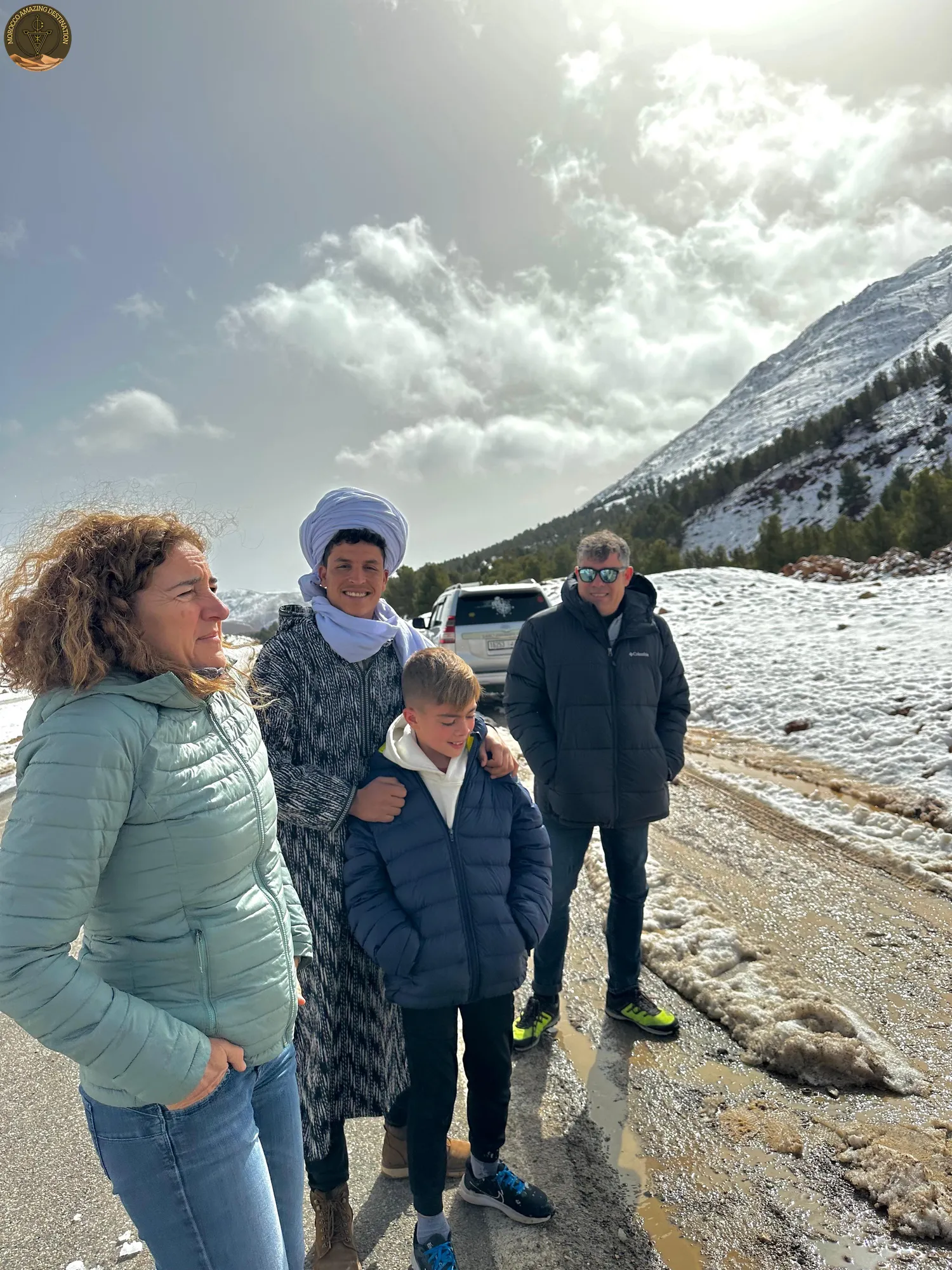
Imagine this: you step off a three-hour flight from a grey, freezing European city, and the sun hits your face. You shed your coat, breathe warm air, and suddenly winter feels a world away. That is the reality of Morocco winter sun — one of Europe’s best-kept secrets for a warm-weather escape.
Morocco is uniquely positioned to offer exactly what European winter-escapees need: mild to warm temperatures from October through April, no extreme heat, short flight times, and remarkable value. But timing matters. Visit in July and you will trade European cold for Moroccan furnace. Visit in October or February, and you will find the sweet spot.
This guide answers the key question: what is the best time to visit Morocco to escape European winter while avoiding extreme summer heat?
Why Morocco Is Europe’s Best Winter Sun Destination
Morocco sits just across the Strait of Gibraltar, a mere one-hour ferry from Spain or a three-hour flight from London, Paris, Berlin, and Amsterdam. This proximity means you can trade snow for sunshine in a single morning.
But the real appeal is the climate. While Europe huddles under grey skies from November to February, Morocco’s southern and coastal regions enjoy 7 to 8 hours of daily sunshine with daytime temperatures hovering between 18°C and 22°C. The Atlantic coast — cities like Agadir and Essaouira — stays remarkably mild thanks to ocean currents. Marrakech delivers reliable warmth. The Sahara offers crisp, clear winter days perfect for desert exploration.
And unlike summer, when inland Morocco becomes unbearably hot, the winter and shoulder season months provide comfortable conditions for hiking, sightseeing, and outdoor adventures.
The Shoulder Season Sweet Spot: October-November and February-April
The absolute best time for Morocco shoulder season travel is the window between October and November, and again between February and April. These months offer the Goldilocks climate: warm enough for t-shirts during the day, cool enough for comfortable sleep at night, and free from both the European cold and the Moroccan summer heat.
Autumn in Morocco (October–November)
October is perhaps the single best month for Morocco in autumn. Daytime temperatures in Marrakech hover around 28°C — warm but not oppressive. The summer crowds have thinned, the desert is perfect for camping, and the Atlantic water remains warm enough for swimming. November cools slightly, with highs around 22°C in Marrakech and 20°C on the coast. It is an ideal month for city explorations and long walks through the medinas without breaking a sweat.
Early Spring in Morocco (February–April)
Morocco early spring travel rewards visitors with blooming almond trees, green valleys, and rising temperatures. February marks the famous almond blossom season in the Anti-Atlas mountains near Tafraoute, where valleys turn pink and white. March brings 22–25°C across most of the country, and by April you can expect warm, settled weather perfect for hiking the Atlas or riding camels in the Sahara.
Winter in Morocco: Where to Find the Warmth (December–January)
December and January are Morocco’s coolest months, but “cool” is relative. While the north sees rain and the mountains get snow, warm places in Morocco in winter are plentiful if you know where to go.
Agadir and the Atlantic Coast
Agadir is Morocco’s premier winter sun destination. Daytime temperatures in December and January reach 20–22°C with near-constant sunshine. It is warm enough for beach walks, outdoor lunches, and exploring the surrounding regions. Essaouira is slightly cooler at 18°C but offers a charming medina, world-class wind sports, and excellent seafood.
Marrakech and the South
Marrakech in winter averages 18°C during the day — perfectly pleasant for exploring the souks, gardens, and palaces. The evenings are chilly (around 6°C), so pack a jacket, but the daytime sun is genuine warmth. The southern oases like Skoura and the Draa Valley offer even milder conditions.
The Sahara Desert in Winter
Winter is one of the most rewarding times to visit the Sahara. Days are clear and comfortable at 18–22°C, with zero heat haze and extraordinary visibility. Night temperatures drop to 0–5°C, so warm sleeping bags are essential, but the trade-off is unforgettable: fewer visitors, pristine dunes, and breathtaking stargazing.
Morocco Temperatures Month by Month (October to April)
| Month | Marrakech | Agadir | Sahara (Merzouga) | Fes |
|---|---|---|---|---|
| October | 28°C / 16°C | 25°C / 16°C | 28°C / 14°C | 24°C / 12°C |
| November | 22°C / 11°C | 22°C / 13°C | 22°C / 9°C | 18°C / 8°C |
| December | 18°C / 6°C | 20°C / 10°C | 18°C / 4°C | 14°C / 4°C |
| January | 18°C / 6°C | 20°C / 10°C | 20°C / 4°C | 15°C / 4°C |
| February | 20°C / 7°C | 21°C / 11°C | 22°C / 6°C | 16°C / 5°C |
| March | 22°C / 10°C | 23°C / 12°C | 24°C / 9°C | 18°C / 7°C |
| April | 25°C / 12°C | 24°C / 14°C | 27°C / 12°C | 20°C / 9°C |
Daytime high / Nighttime low temperatures in °C
What to Pack for Morocco Winter Sun
Packing for Morocco in winter is all about layers. The days are warm, but mornings, evenings, and desert nights can be cold.
- Light layers for daytime (t-shirts, linen shirts, cotton dresses)
- Warm jacket or fleece for evenings
- Comfortable walking shoes for medinas and uneven streets
- Scarf or shawl (useful for sun protection, mosque visits, and chilly winds)
- Sunscreen and sunglasses (the winter sun is still strong)
- Warm sleepwear and thick socks (riads and desert camps can get cold at night)
When to Avoid: Summer Heat in Morocco
If your goal is to escape European winter, you are naturally looking at the October-to-April window. But it is worth understanding why the summer months are not for heat-sensitive travelers. In July and August, Marrakech and the Sahara regularly exceed 40°C (104°F). Desert camps close. Midday sightseeing becomes unbearable. The coast stays breezy, but the interior is punishing.
By planning your trip between October and April, you skip both the European cold and the Moroccan summer extreme. It is the smart traveler’s calendar.
Conclusion
Morocco winter sun offers European travelers the perfect seasonal escape. Whether you choose the shoulder season comfort of October or April, the winter warmth of Agadir, or the crisp desert days of January in the Sahara, Morocco delivers reliable sunshine, comfortable temperatures, and an unforgettable experience — all without the extreme heat that defines its summers.
The answer to the question is clear: visit Morocco between October and April, focus on southern and coastal regions during deep winter, and enjoy the shoulder seasons for the most balanced weather. Europe’s winter will still be there when you return — but you will have stored enough sunshine to last until spring.
Explore Morocco With Our Recommended Tours
Ready to experience Morocco winter sun for yourself? Our 3-Day Trip from Marrakech to Merzouga is the perfect shoulder-season adventure, taking you through the Atlas Mountains, Ait Ben Haddou, and the Sahara dunes — all timed for comfortable daytime temperatures.
If you prefer coastal warmth, the 3-Day Tour from Agadir to Tafraoute, Sidi Ifni and Tiznit explores southern Morocco’s sunniest corners, from the Atlantic coast to the Anti-Atlas mountains, in ideal winter conditions.
If you found this helpful, add us as your preferred source on Google.
Frequently Asked Questions
What is the best time to visit Morocco to escape European winter?
The best time is during the shoulder seasons (October to November and February to April) when temperatures are warm but not hot, plus the winter months (December to February) in southern and coastal regions like Agadir, Marrakech, and the Sahara, where daytime temperatures reach 18–22°C.
Is Morocco warm in winter?
Yes, Morocco is pleasantly warm in winter, especially in the south and along the Atlantic coast. Agadir averages 20–22°C, Marrakech 18°C, and the Sahara Desert 18–22°C during the day. Nights can be cold, but daytime temperatures are a welcome escape from European winter.
Where are the warmest places in Morocco in winter?
The warmest winter destinations are Agadir and the southern Atlantic coast (20–22°C), Marrakech (18°C), the Sahara Desert around Merzouga (18–22°C), and Essaouira (18°C). These regions offer reliable sunshine and mild days ideal for exploring.
When should I avoid visiting Morocco due to heat?
Avoid July and August if you are sensitive to extreme heat. Inland cities like Marrakech and the Sahara can exceed 40°C (104°F). The best months for comfortable weather are October to November and February to May.
Ready for an Adventure?
Have questions? Feel free to contact us using the form below. We're here to help!