
· Travel · 5 min read
White Water Rafting in Morocco: The Ahansal River Guide
White water rafting in Morocco means the Ahansal River: a short spring season, grade III water and a rough final road. What to plan.
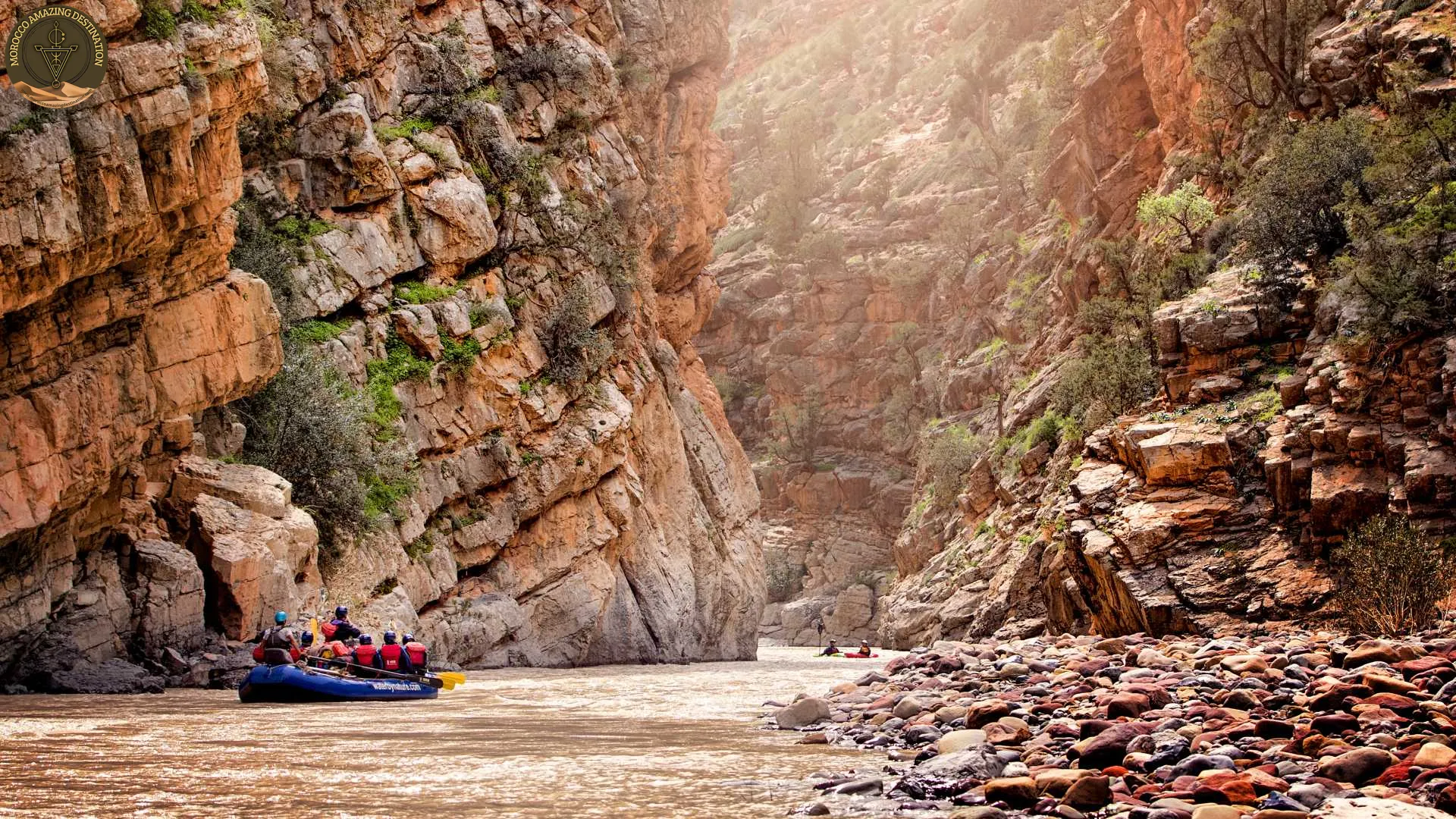
Morocco’s rivers run low for most of the year, so white water rafting in Morocco comes down to one river and a short window in spring. The Ahansal gathers snowmelt in the central High Atlas and, for a few weeks, carries enough of it to float a raft through limestone gorges.
This guide covers the stretch people actually paddle, how the season and the water level set the difficulty, and how to fit the river into a longer Atlas and desert route. Plan it as a two or three day detour rather than a day trip from Marrakech.
The Ahansal: One Atlas River, One Rough Road In
The river rises east of Marrakech and runs past Zaouiat Ahansal and Taghia, under the Cathedral of Imsfrane, a limestone tower above the water. Below Tilouguite it loses gradient before the Bin El Ouidane reservoir, and the whole valley sits inside the M’Goun UNESCO Global Geopark.
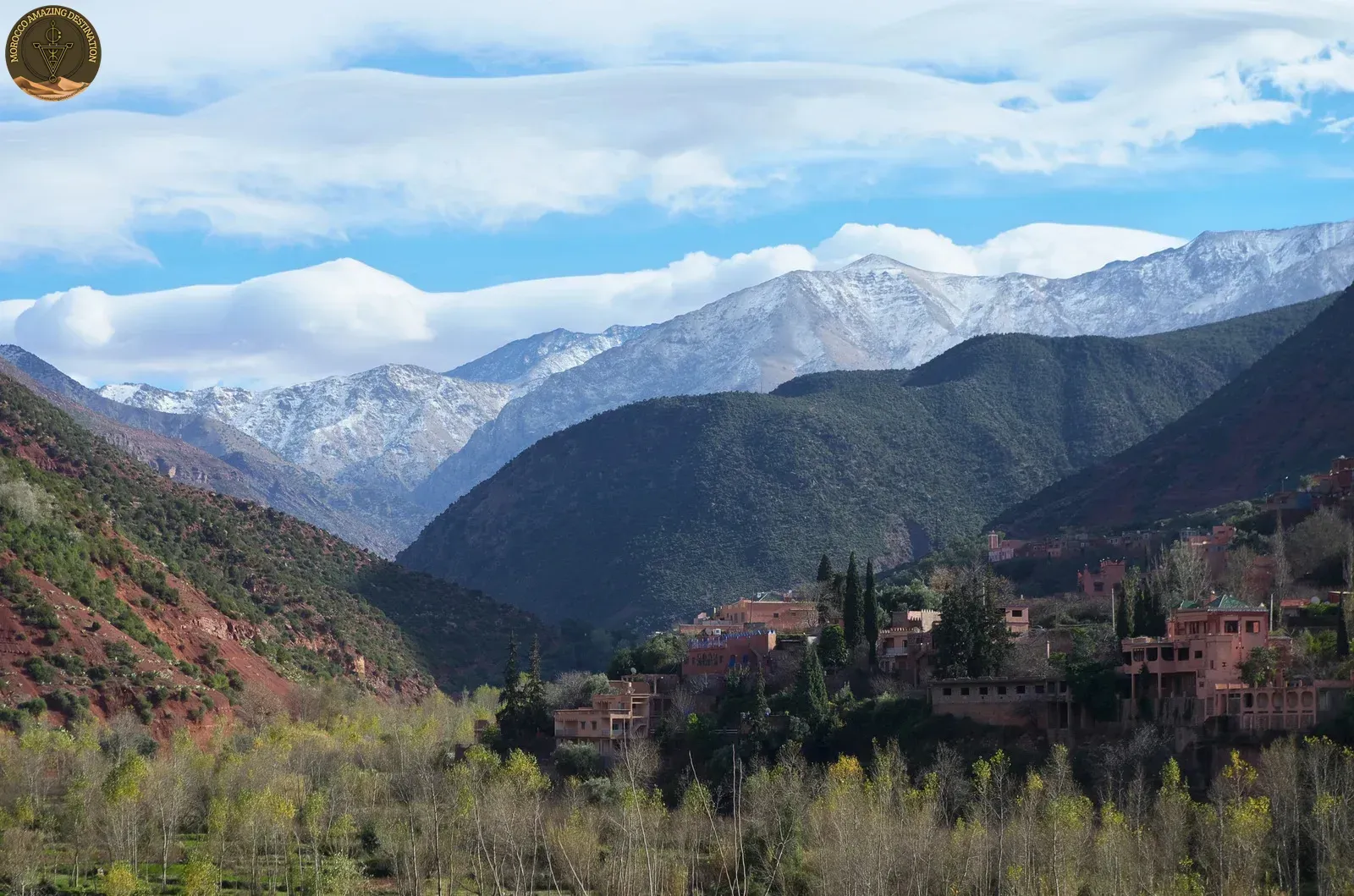
Commercial Ahansal River rafting uses the stretch between Zaouiat Ahansal and Tilouguite. The 9 to 12 km below the Cathedral is the beginner run and takes about two hours on the water. A 30 km day takes four, and the longer outfits cover 50 km in two days or the full 80 km in four.
Driving in is the part people underestimate. Piste in the dark is a different trip from the same track in daylight, so leave Marrakech early and let the driver set the pace.
- Marrakech to Tilouguite runs roughly 250 km and four and a half hours on paved road through Demnate and Azilal.
- Past Tilouguite the R302 turns to dirt: about 40 km to Zaouiat Ahansal, two to three hours, with a 4x4 advised.
- Wadis can close the track after storms, and there is no phone signal once you leave the tarmac.
Season, Grade and Cold Water
The Morocco rafting season opens in March and usually ends by late May, with April the safest month to book. Flow comes from snowpack and rain, so a wet spring can change the plan inside a day. Operators watch the level rather than the calendar: a heavy snow year can push trips into June, and a dry one can close the season early. No dam release sets the schedule, because the Bin El Ouidane dam sits downstream of the confluence with the El Abid.
Expect grade III overall, with individual rapids pushing III+ at high water. The published grade tells you less than the level on the day, and a good base will move you to an easier section rather than cancel. Beginners, fit couples and families do well on the lower water. If you have never paddled, say so when you book, and the guide will explain what a swim feels like before you get in.
- Wetsuits, helmets and buoyancy aids come with the trip. Bring river shoes, synthetic layers, a dry bag and warm clothes for afterwards.
- Age limits move with the section, from about eight on family water to sixteen on the harder stretches.
- A raft carries six paddlers and a guide, so a small group may be pooled with other travellers.
- The briefing covers paddle commands, swimming position and throw-bag rescue, and multi-day trips run with a safety kayaker.
The water is snowmelt, so a warm afternoon on land can still mean a cold hour in the boat. Wear the wetsuit even when the valley feels hot.
Making a Spring Loop of It
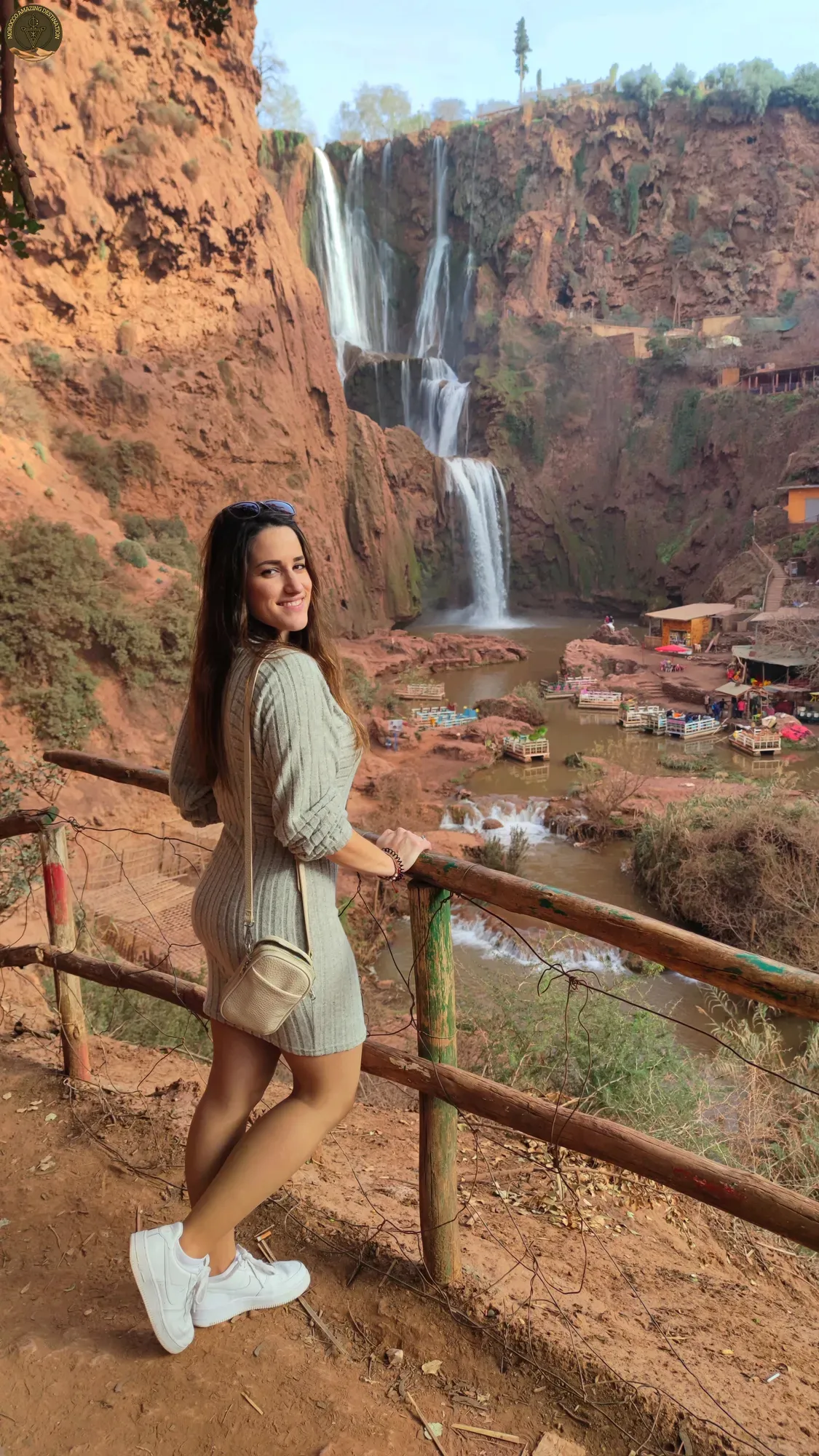
The river rarely fills a week on its own, and the valley sits well inside a wider Atlas loop. Ouzoud’s falls are just off the Demnate to Azilal road, which makes them a lunch stop on the way in. Beyond Tilouguite the country opens into Ait Bouguemez, the Happy Valley at 1,800 to 2,200 m, reached over the Tizi n’Tirghist or the Tizi n’Illisi road. Both are slow 4x4 going, and Tabant is worth a night.
Taghia is a separate draw: a 9 km track from Zaouiat Ahansal, about two hours on foot, a limestone cirque for walkers and climbers rather than for rafts. Imlil belongs to another leg of the trip, not to this road.
The limits are worth stating plainly. Outside March to May the river is usually too low to run. After heavy rain it can be too high. The valley is basic and cold at night, with simple accommodation and no phone signal, so the trip suits travellers who are happy to rough it for a night or two.
Raft First, Then the Desert
The cleanest sequence is to raft, return to Marrakech and set off for the desert the next morning. Our 4-Day Morocco Desert Tour from Marrakech leaves from the same city and crosses the High Atlas to Ait Ben Haddou, the Dades Valley and Merzouga. The dunes are too far to reach on the day you come off the river. A driver who knows the track is worth more than a navigation app that loses signal at Tilouguite.
With more time, the 9 Days Morocco Tour from Marrakesh adds the Sahara, Essaouira and the imperial cities, which leaves room for a spring detour without squeezing the rest of the trip. The river sets the dates, so once the level and your window line up, the drive, the valley and the desert fit around it.
We can customize a tour to match your needs - design your perfect itinerary
If you found this helpful, add us as your preferred source on Google.
Frequently Asked Questions
When is the rafting season on the Ahansal River in Morocco?
The season runs from March to late May, and April is the safest month to book. Flow depends on the winter snowpack and spring rain, so a heavy snow year can push trips into June while a dry one can close early. Outside that window the river is usually too low to raft, and after heavy rain it can be too high.
How difficult is white water rafting on the Ahansal?
Expect grade III overall, with individual rapids pushing III+ when the water is high. The level on the day matters more than the published grade. Beginners, fit couples and families handle the lower section well, and age limits move with the stretch, from about eight on family water to sixteen on the harder sections.
How long does it take to reach the Ahansal River from Marrakech?
Marrakech to Tilouguite is roughly 250 km and four and a half hours on paved road through Demnate and Azilal. From Tilouguite the R302 becomes dirt for about 40 km to Zaouiat Ahansal, two to three hours with a 4x4 advised. There is no phone signal in the valley, and storms can make the wadis impassable.
Can you combine Ahansal rafting with a Sahara desert tour?
Yes, with a night in between. Raft, drive back to Marrakech, then start a desert tour the next morning. Reaching Merzouga or the dunes on the same day you come off the river leaves no time for the piste, and the distances south are long.
Ready for an Adventure?
Have questions? Feel free to contact us using the form below. We're here to help!