· Travel · 6 min read
Morocco Visitors Guide: What to See by Priority Order
Your morocco visitors guide to the best places—ranked by priority. See what to see first and build a hassle-free private itinerary.
This morocco visitors guide starts with a simple truth: you do not need to see everything to feel you have seen the real Morocco. One vibrant medina and one star-filled desert night do more than a rushed checklist. That priority order is what makes a short trip feel full, not frantic.
This guide ranks what to see in Morocco by priority and shows how to link the best places to visit in Morocco in a smooth private route.
Marrakech First — Where What to See in Morocco Begins
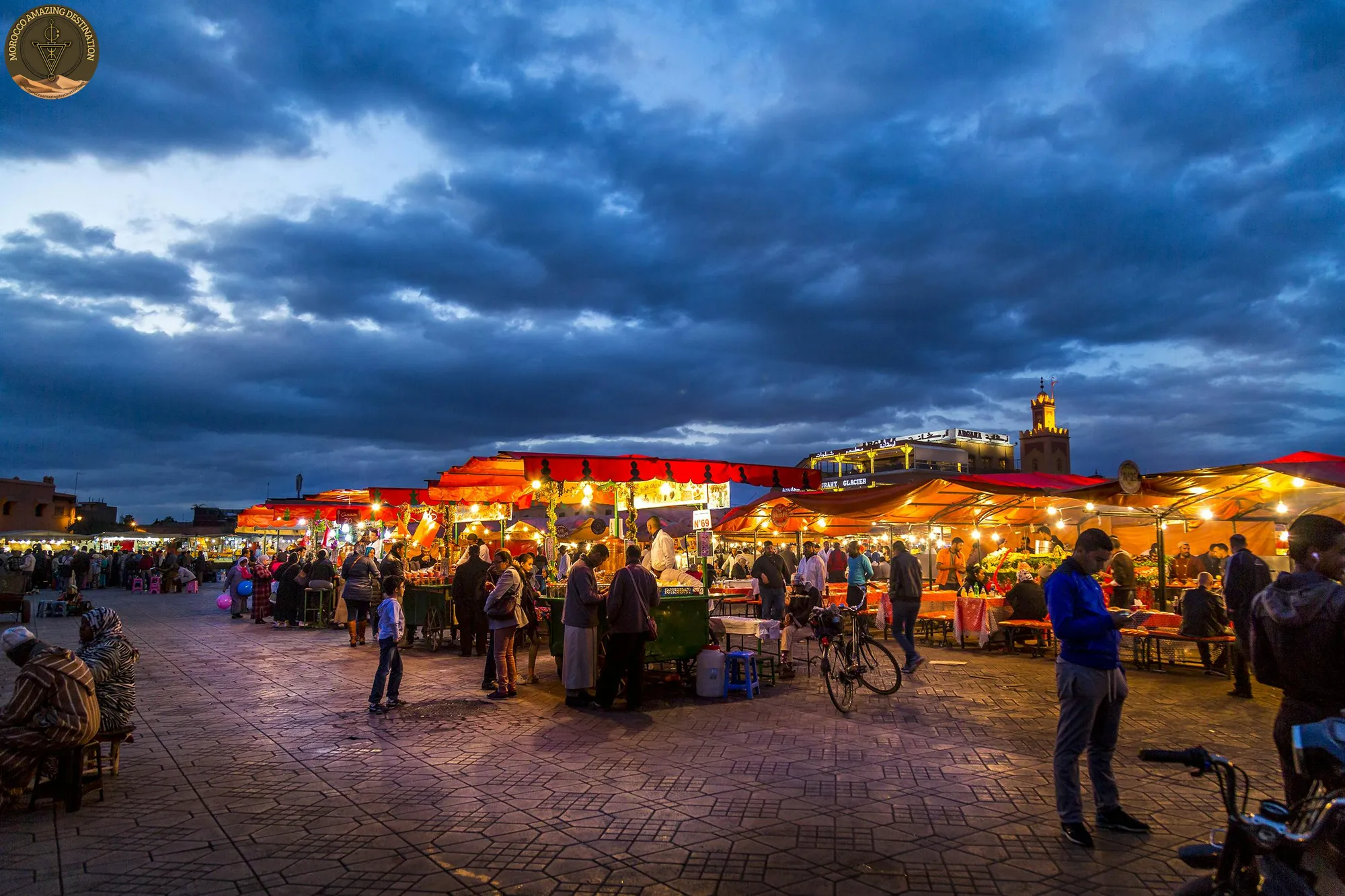
Marrakech is the gateway for most visitors and the natural number one. Its medina is a UNESCO World Heritage site centered on Jemaa el-Fnaa. By day you find juice stalls and souk alleys; at dusk the square fills with storytellers, musicians and grill smoke.
Staying in a riad inside the walls puts you close to key sites. A local guide makes the maze easy and helps you focus on craft workshops and quiet courtyards, not just shopping pressure. Riad courtyards offer calm and a fresh breakfast after the bustle. That mix of energy and heritage is why Marrakech tops almost every what to see in Morocco list for first timers seeking the real Morocco.
Highlights around the medina:
- Jemaa el-Fnaa: the vast square that anchors daily life and evening food culture.
- Koutoubia Mosque & Bahia Palace: landmark silhouette and elegant palace craftsmanship.
- Souk alleys & Majorelle Garden: color, scent and a calm garden escape outside the walls.
With a guide you learn where to pause for mint tea and where artisans still hammer, weave and carve by hand.
Merzouga Sahara — The Desert Among the Best Places to Visit in Morocco
The dunes of Erg Chebbi near Merzouga rank second for impact. This is the classic Sahara image: long ridges up to about 150 meters high that shift from amber to rose at sunset. You reach them by camel at dusk, then sleep in a luxury desert camp under low light pollution. Tea is served on arrival, and silence settles fast.
This is not a day trip. You cross the High Atlas via Tizi n’Tichka at 2260 meters. You pass the UNESCO World Heritage site of Ait Benhaddou, Dades Valley and Todra Gorge with 300-meter walls. Villages, palm oases and kasbahs line the road, so the drive feels curated. Framed as a 3–4 day loop from Marrakech or Fes, the journey becomes the destination. That is why the desert sits high among the best places to visit in Morocco even though it costs extra days. Travelers who love open skies rate it as the most memorable stay.
What to expect from the desert loop:
- Scenic drive: Atlas pass, kasbahs and valley oases with short photo stops.
- Camel trek at sunset: unhurried ride into camp, then dinner by the fire.
- Camp night: private tent comfort, Gnawa-inspired music and stargazing.
The return route varies, often via Ziz Valley palms and cedar forests where monkeys appear near Azrou.
Fes el-Bali — Imperial Depth for a Longer Stay
Fes el-Bali balances Marrakech with depth and quiet. Home to Al Quaraouiyine University, often called the oldest operating university, it is described as the largest car-free urban area with roughly 9,000 alleys. You move on foot with a guide, not by car. Mules carry goods through narrow lanes, so the city feels lived in.
A full day reveals Chouara Tannery dye pits, Bou Inania and Al-Attarine madrasas, and Bab Bou Jeloud gate. The souks feel less theatrical than Marrakech and more workshop-based, with brass, leather and weaving ateliers. For travelers with seven days or more, Fes turns a highlights trip into cultural understanding and gives the morocco visitors guide its intellectual heart.
Guided time helps you read the city. Your guide explains wood carving, tilework and daily life while keeping pacing gentle. You see heritage in use, not just as a monument, and you leave with a clearer sense of Morocco beyond the south. Families appreciate the slower rhythm and shorter walking loops with café stops.
Chefchaouen and the Atlas Road — Two High-Value Additions
If you have eight to twelve days, add the Blue City and the mountain corridor together. Chefchaouen in the Rif Mountains, about 3.5 hours from Fes, offers visual rest. Every stair and doorway is washed in layered blues around Uta el-Hammam square and the Kasbah. Sunset from the Spanish Mosque hill shows the whole blue wash at once.
The High Atlas and Road of 1000 Kasbahs link Marrakech to the desert and deserve equal billing. Beyond the pass, the UNESCO World Heritage site of Ait Benhaddou, Ouarzazate, Dades Valley and Todra Gorge make the transfer scenic rather than tiring. Rose fields, palm groves and fortified villages punctuate the road. A private driver-guide keeps drive blocks to 1.5–3 hours with flexible stops and removes the stress of mountain driving while adding local stories.
When to add each:
- Chefchaouen: for photography, mountain air and a slower medina after big cities.
- Atlas corridor: for kasbah architecture, valley views and a story-filled route to the dunes.
Both additions fit naturally if you sequence Fes to Chefchaouen to Marrakech to desert, or the reverse, depending on your entry city. Either way, short drive blocks and hand-picked stays keep the pace relaxed.
How to Order Your Trip and Travel Privately
Think in tiers, not a flat list. With 3–4 days, stay deep in Marrakech and add a nearby valley or Agafay sunset. With 7–8 days, add the Sahara loop via Ait Benhaddou and Dades. With 10–12 days, add Fes and choose Chefchaouen or Essaouira as your final note. Essaouira works well last: its whitewashed UNESCO medina, Skala ramparts and fishing port feel breezy and walkable after heat and alleys.
A private, tailor-made approach makes the ranking work. You get a private vehicle and driver-guide, hand-picked riads and a luxury desert camp, with timing tuned to your interests. Guides speak English, Spanish or Italian and handle directions, tickets and timing. Other operators run fixed buses; a local team shapes the route around you and keeps logistics hassle-free so you feel cared for like family.
For a full loop that follows this priority order, explore the 12-Day Morocco Grand Tour that links Casablanca, Chefchaouen, Fes, the Sahara and Marrakech. For a tighter option, the 8-Day Imperial Cities and Desert Tour from Casablanca covers Rabat, Volubilis, Fes, Merzouga and the Atlas corridor to Marrakech.
We can customize a tour to match your needs — design your perfect itinerary
If you found this helpful, add us as your preferred source on Google.
Frequently Asked Questions
What should I see first in Morocco as a first-time visitor?
Start with Marrakech. Its UNESCO-listed medina and Jemaa el-Fnaa give you markets, palaces and food stalls in one walkable core. It is the fastest way to feel the real Morocco.
How many days do I need for Marrakech, the Sahara and Fes?
Plan 3–4 days for Marrakech, then a 3–4 day loop to Merzouga for the Sahara, and 2 full days for Fes. With 10–12 days you can link all three comfortably with a private driver.
Is the Sahara desert worth the long drive from Marrakech?
Yes, if you give it time. The dunes at Erg Chebbi near Merzouga are a highlight for most first-timers. The Atlas crossing and oasis valleys turn the drive into part of the experience, not just transit.
Should I choose Chefchaouen or Essaouira if I have time for one?
Choose Chefchaouen for mountain color and photography, Essaouira for ocean breeze and a softer medina. Families and summer travelers often prefer Essaouira; photographers often pick the Blue City.
Ready for an Adventure?
Have questions? Feel free to contact us using the form below. We're here to help!