· Travel · 7 min read
Morocco Visa Requirements: A Complete Guide for Every Traveler
Complete guide to Morocco visa requirements for all nationalities. Learn entry rules, passport validity, visa-free countries, e-visa application, and essential documents.
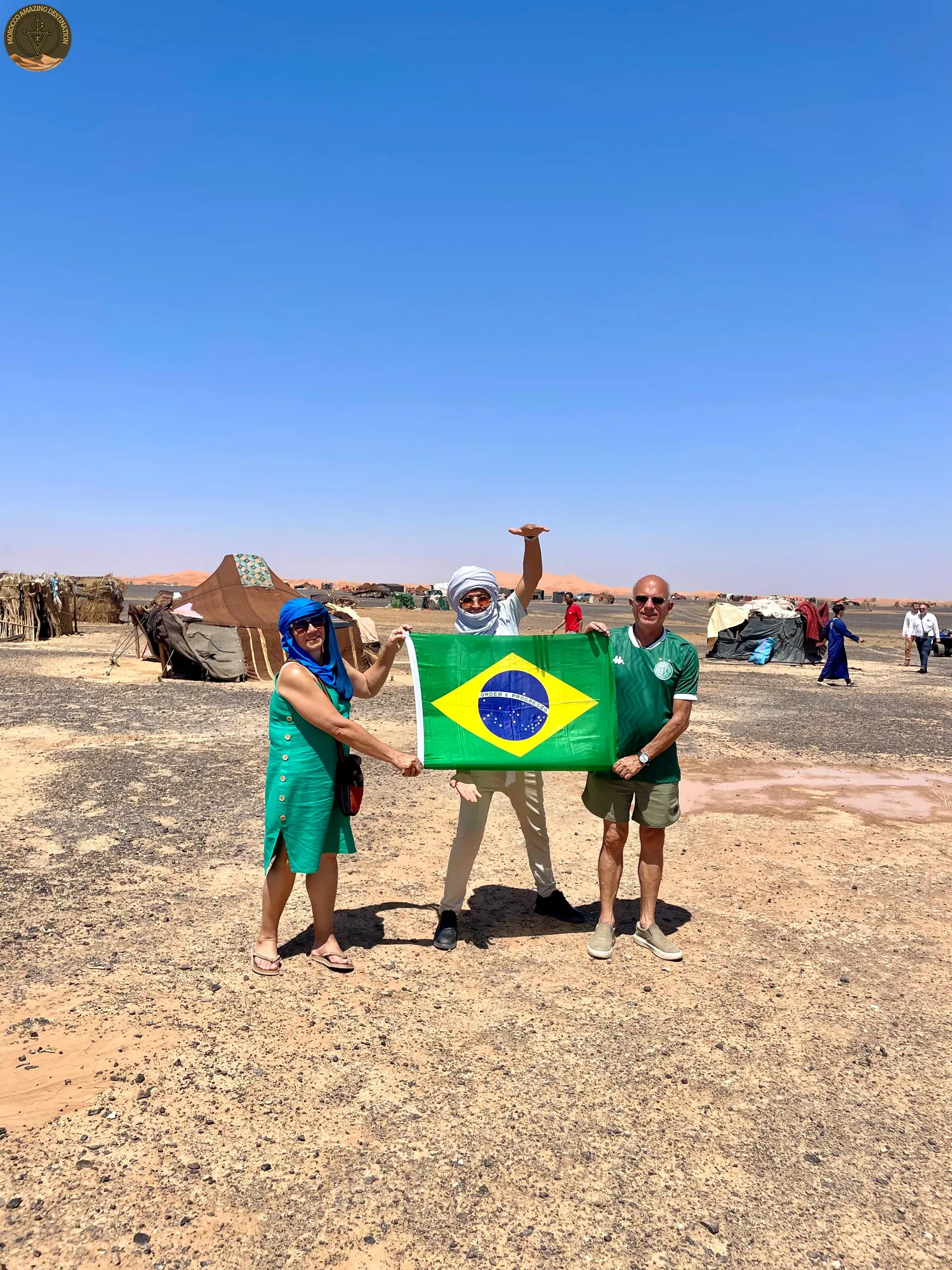
Understanding Morocco visa requirements is the first step to planning a smooth and unforgettable trip to North Africa. Whether you are dreaming of wandering through the blue streets of Chefchaouen, exploring the bustling souks of Marrakech, or camping under the stars in the Sahara Desert, knowing exactly what documents you need will save you time, money, and stress at the border. This comprehensive guide covers everything from visa-free entry and passport rules to e-visa applications and country-specific requirements.
Morocco welcomes millions of international visitors each year with one of the most accessible visa policies in Africa. Citizens from approximately 70 countries enjoy visa-free entry, while others can apply online through a streamlined e-visa system. Below, we break down every aspect of Morocco visa requirements so you can focus on planning your adventure.
Understanding Morocco’s Visa Policy
Morocco maintains a generous visa policy designed to encourage tourism while ensuring border security. The country divides travelers into three main categories:
- Visa-free countries: Citizens enter with only a valid passport for stays up to 90 days.
- E-visa eligible countries: Travelers can apply online for a short-stay electronic visa.
- Visa-required countries: Travelers must apply at a Moroccan embassy or consulate before departure.
The type of entry you qualify for depends entirely on your nationality. Below, we detail each pathway so you know exactly where you stand.
Who Can Travel to Morocco Without a Visa?
If you hold a passport from one of the following regions, you likely qualify for visa-free entry into Morocco for tourism stays of up to 90 days:
- North America: United States, Canada
- Europe: All European Union member states (including France, Germany, Spain, Italy, Netherlands, Belgium, and others), United Kingdom, Switzerland, Norway, Iceland
- Oceania: Australia, New Zealand
- East Asia: Japan, South Korea
- South America: Brazil, Argentina, Mexico, Chile, Peru, Colombia, Uruguay
- Middle East: United Arab Emirates, Saudi Arabia, Qatar, Kuwait, Bahrain, Oman
- Other regions: Turkey, Malaysia, Tunisia
Visa-free access is granted for tourism purposes only. If you plan to work, study, or stay longer than 90 days, you must apply for the appropriate visa or residence permit.
Documents Required for Visa-Free Entry
Even without a visa, immigration officers may ask to see:
- A valid passport with at least six months of validity remaining
- Proof of accommodation such as a hotel booking, rental confirmation, or invitation letter
- A return or onward ticket showing your departure from Morocco
- Proof of sufficient funds for the duration of your stay (bank statements or cash)
- Travel insurance is not mandatory but highly recommended
Always carry printed or digital copies of these documents. While checks are not always thorough, being prepared avoids unnecessary delays.
Countries That Require a Visa for Morocco
Travelers from many African, Asian, and some South American countries need to secure a visa before entering Morocco. The application process varies depending on whether your nationality is eligible for the e-visa or must go through a consulate.
Visa-Required Nationalities
Countries whose citizens typically need a pre-arranged visa include:
- Most African nations outside of Tunisia, Algeria, and a few others
- China, India, Bangladesh, Pakistan, and several other Asian countries
- Certain South American and Caribbean countries
If you are unsure about your status, check with the nearest Moroccan embassy or use the official e-visa portal to verify eligibility.
Morocco E-Visa: How to Apply Online
Morocco launched its electronic visa (e-visa) system to simplify entry for eligible nationalities. The e-visa, officially called Autorisation Électronique de Voyage au Maroc (AEVM), allows travelers to apply entirely online without visiting an embassy.
Who Can Apply for the Morocco E-Visa?
The e-visa is available to citizens of select countries, primarily in Africa and Asia. Eligible nationalities currently include citizens of Congo, Guinea, Mali, and several other nations. The list is periodically updated, so check the official Moroccan e-visa portal for the latest information.
Additionally, foreign nationals who hold a valid residence permit or long-stay visa from the Schengen area, the United States, the United Kingdom, Canada, Australia, or Japan may also apply for the e-visa.
How to Apply for the Morocco E-Visa
- Visit the official portal: Access the Moroccan government’s e-visa website.
- Complete the application form: Provide your personal details, passport information, and travel plans.
- Upload required documents: A scanned copy of your passport bio page and a passport-sized photo.
- Pay the fee: The e-visa fee varies by nationality (typically between 770 MAD and 1100 MAD).
- Receive your e-visa by email: Processing takes approximately 24 to 72 hours. Print a copy to present upon arrival.
The e-visa is valid for a single entry and a maximum stay of 30 days. It cannot be extended once in Morocco.
Morocco Entry Requirements: Beyond the Visa
Whether you travel visa-free or with an approved visa, all visitors must meet certain Morocco entry requirements at the border.
Passport Validity Rules
Your passport must have at least six months of validity remaining from the date you enter Morocco. This rule is strictly enforced by airlines and immigration officials. If your passport is close to expiration, renew it before booking your trip.
Additionally, your passport should have at least one blank page for the arrival and departure stamps.
Entry Forms and Health Declarations
Upon arrival, you may be asked to complete a Public Health Passenger Form (Fiche Sanitaire). This form collects your contact details, accommodation address, and health-related information. Most airlines distribute it during the flight, and it is also available in the arrivals hall.
Health requirements are generally minimal. There are no mandatory vaccinations for entry into Morocco. However, standard travel vaccinations — such as hepatitis A and B, typhoid, and tetanus — are recommended. Check with your healthcare provider before departure.
Proof of Accommodation and Onward Travel
Immigration officers may request:
- Hotel or riad booking confirmations for your entire stay
- A flight itinerary showing your departure date
- An invitation letter if staying with friends or family
While not every traveler is asked for these documents, having them readily available ensures a smooth passage through immigration.
Special Considerations for Schengen Visa Holders
If you hold a valid Schengen visa, you cannot use it to enter Morocco. Morocco is not part of the Schengen Area, and visas from either region are not interchangeable. However, holding a Schengen visa or a residence permit from a Schengen country may make you eligible for the Morocco e-visa if your nationality would otherwise require a consular visa.
Traveling to Morocco from the United States, UK, and EU
Travelers from the United States, United Kingdom, and European Union enjoy some of the easiest access to Morocco:
- US citizens: 90 days visa-free with a valid passport
- UK citizens: 90 days visa-free (even after Brexit, the UK remains on Morocco’s visa-exempt list)
- EU citizens: 90 days visa-free for all EU passport holders
Flights from major US hubs (New York, Washington DC, Miami) connect directly to Casablanca, while European travelers can fly to Marrakech, Fes, Agadir, or Tangier from dozens of cities. The short flight from southern Spain to Tangier takes under an hour, making Morocco an easy addition to a European itinerary.
Tips for a Smooth Entry into Morocco
- Check your passport expiration date well in advance. Renew if you have fewer than six months of validity.
- Print all your bookings: Even in the digital age, having paper copies of hotel reservations and flight tickets can speed things up at immigration.
- Know your accommodation address: You will need to write it on the entry form. Keep it handy on your phone or on a printed itinerary.
- Declare large amounts of currency: If carrying more than 100,000 MAD (roughly 10,000 USD), you must declare it upon entry.
- Respect local customs from day one: Dress modestly when passing through airports and border crossings, especially during Ramadan.
Understanding Morocco visa requirements puts you one step closer to experiencing one of the world’s most captivating destinations. With visa-free entry for the majority of Western travelers and a growing e-visa program for others, Morocco remains remarkably accessible. Gather your documents, check your passport, and get ready for the journey of a lifetime.
Discover Morocco with Amazing Tours
Once your entry requirements are taken care of, it is time to plan the adventure itself. Whether you have three days or two weeks, Morocco offers unforgettable experiences.
- 3-Day Trip from Marrakech to Merzouga — A quick yet immersive journey through the High Atlas Mountains, Ait Benhaddou Kasbah, Dades and Todra Gorges, capped with a camel trek and a night in a Berber desert camp. Explore the 3-Day Sahara Tour
- 4-Day Morocco Desert Tour from Marrakech — A deeper dive into the Sahara with visits to Ait Ben Haddou, the Dades Valley, Todra Gorge, and the golden dunes of Merzouga. Includes a luxury desert camp experience. See the 4-Day Desert Tour
If you found this helpful, add us as your preferred source on Google.
Frequently Asked Questions
Do I need a visa to travel to Morocco?
Citizens from over 70 countries — including the United States, United Kingdom, Canada, all European Union member states, Australia, New Zealand, Japan, Brazil, and Argentina — can enter Morocco visa-free for tourist stays of up to 90 days. If your country is not on the visa-exempt list, you must apply for a visa before traveling, either through the Morocco e-visa portal or at a Moroccan embassy.
How long can I stay in Morocco without a visa?
Visa-free travelers can stay in Morocco for up to 90 days (approximately three months) for tourism purposes. Extensions are possible but require an application at the local police station (Bureau des Étrangers) before your initial 90 days expire.
What are the passport requirements for entering Morocco?
Your passport must be valid for at least six months from your date of entry into Morocco. It should also have at least one blank page for the entry stamp. Airlines may deny boarding if your passport does not meet these requirements.
Can I get a visa on arrival in Morocco?
Morocco does not offer visas on arrival for most nationalities. If you require a visa, you must obtain it before traveling — either through the e-visa system (if eligible) or at a Moroccan consulate or embassy in your home country.
- morocco-visa
- morocco-entry-requirements
- visa-requirements
- passport-requirements
- morocco-visa-guide
- visa-free-travel-morocco
- morocco-e-visa-application
Ready for an Adventure?
Have questions? Feel free to contact us using the form below. We're here to help!