· Travel · 7 min read
Morocco Travel Tips for First-Time Visitors: Your Essential Guide for a Smooth Trip
Planning your first trip to Morocco? Discover essential Morocco travel tips for first-time visitors covering packing, etiquette, safety, money, and food for an unforgettable adventure.
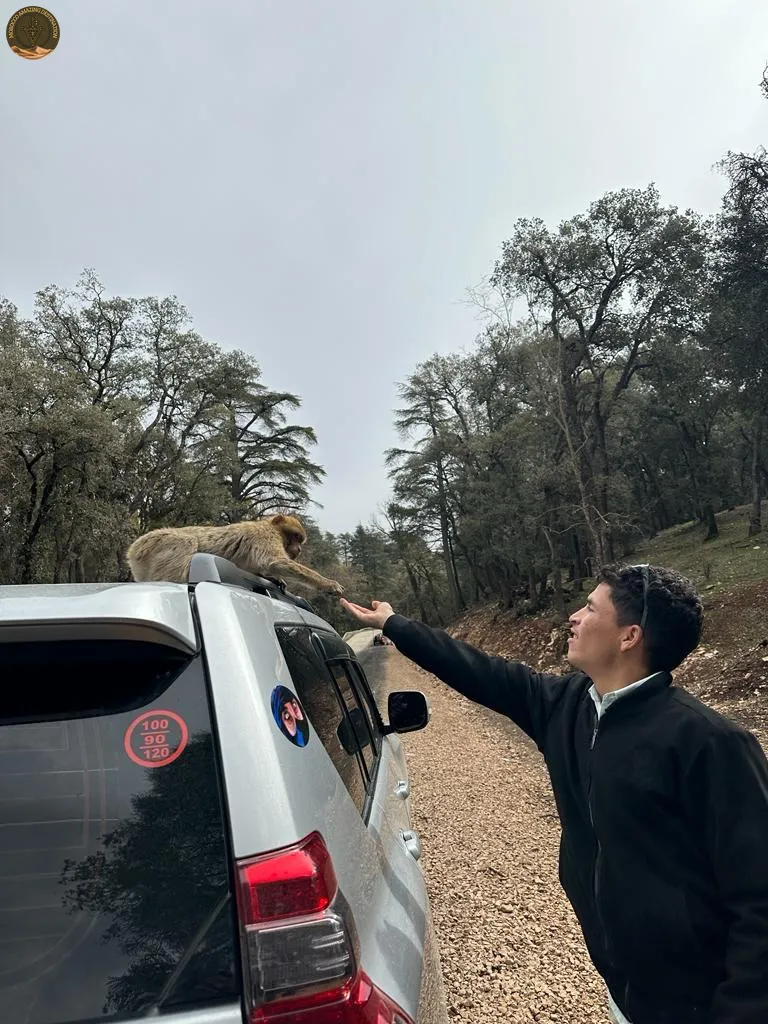
Morocco travel tips for first-time visitors — if you have been searching for this, you are probably dreaming of wandering through the blue streets of Chefchaouen, sipping mint tea in a Marrakech riad, or watching the sunset over the Sahara dunes. Morocco is a breathtakingly beautiful country with a rich culture, but it can feel unfamiliar on a first visit. This guide packs everything you need to know before you go — from packing and etiquette to safety and money — ensuring your trip is smooth, respectful, and unforgettable.
When to Visit Morocco
The best time to visit Morocco is during spring (March to May) and autumn (September to November) when temperatures are pleasant across most regions. Summers can be scorching in cities like Marrakech and Fes, while winters are mild in the south but cold in the mountains and desert at night.
If you plan to visit the Sahara Desert, avoid the peak summer months unless you are comfortable with extreme heat. Winter desert nights can be surprisingly cold, so pack accordingly.
Packing Essentials for First-Time Visitors
Knowing what to pack for Morocco is one of the most common concerns for new travelers. The golden rule is: dress modestly and in layers.
Clothing
- Lightweight, loose-fitting clothes that cover your shoulders and knees. Long skirts, linen trousers, and breezy tops are ideal.
- A light scarf or pashmina — essential for visiting mosques, covering up in conservative areas, and protecting against the sun.
- A warm layer — evenings can get chilly, especially in the desert and mountains.
- Comfortable walking shoes — medinas involve a lot of walking on uneven cobblestone streets.
- Swimwear if your riad or hotel has a pool or if you visit the coast.
Toiletries and Health
- Sunscreen and sunglasses — the sun is strong year-round.
- Hand sanitizer and wet wipes — useful for eating in markets and using public restrooms.
- Any prescription medications plus a basic first-aid kit.
- Insect repellent — especially during warmer months.
Electronics
- Universal travel adapter — Morocco uses Type C, E, and F plugs (same as Europe) with a standard voltage of 220V.
- Power bank — useful for long travel days and desert excursions.
- Unlocked smartphone — you can buy a local SIM card upon arrival.
Moroccan Cultural Etiquette
Understanding Morocco cultural etiquette will help you connect with locals and show respect for their traditions.
Dress Code
Morocco is a conservative Muslim country. While tourists are not expected to dress exactly like locals, modest dressing is appreciated. Women should cover their shoulders and knees. Men should wear trousers or knee-length shorts and avoid sleeveless tops. In beach towns like Essaouira and Agadir, swimwear is fine on the beach but not in town.
Greetings and Hospitality
- “As-salamu alaykum” (peace be upon you) is the standard greeting. A simple “Salam” works too.
- Men typically shake hands with men. With women, wait to see if she extends her hand first — some may prefer not to shake hands with men.
- Accept mint tea if invited. It is a symbol of hospitality and friendship.
Photography
Always ask permission before photographing people. A smile and a gesture with your camera usually works. Some people, especially artisans and performers, may expect a small payment for photos.
Other Important Customs
- Use your right hand for eating, shaking hands, and handing things to others — the left hand is considered unclean.
- Avoid public displays of affection — holding hands is fine, but kissing and hugging in public are frowned upon.
- Non-Muslims are generally not allowed inside mosques, except for the Hassan II Mosque in Casablanca.
- During Ramadan, avoid eating, drinking, or smoking in public during daylight hours out of respect.
Money Matters in Morocco
Currency and ATMs
The currency is the Moroccan Dirham (MAD). It is a closed currency — you cannot get it outside Morocco, so exchange money or withdraw from ATMs after you arrive. ATMs are widely available in cities and large towns. Carry enough cash when heading to rural areas or the desert, as card payments are not always accepted.
Bargaining in the Souks
Bargaining is part of the shopping experience in Morocco. The key is to be respectful and lighthearted:
- Start at about half the asking price.
- Know your maximum and walk away if needed — sellers may call you back.
- Only bargain if you genuinely intend to buy.
- Fixed prices are common in shops with price tags, supermarkets, and for everyday items.
Tipping
Tipping is customary in Morocco. Round up taxi fares, leave small change at restaurants (5-10% is appreciated), and tip guides and drivers at the end of tours. A few dirhams go a long way.
Food and Drink in Morocco
Moroccan cuisine is one of the highlights of any visit. Do not miss: tagine, couscous, harira (a hearty soup), pastilla (savory-sweet pie), and freshly squeezed orange juice.
Water Safety
Tap water is not recommended for drinking. Stick to bottled water, which is cheap and available everywhere. Avoid ice in street stalls unless you are sure it is made from purified water.
Mint Tea
Mint tea — “berber whisky” as locals jokingly call it — is more than a drink. It is a ritual. Accept it when offered, and note that pouring is done from height to create a frothy top.
Getting Around Morocco
- Trains — ONCF runs reliable rail services between major cities including Casablanca, Rabat, Fes, Marrakech, and Tangier. Book first-class for extra comfort.
- Buses — CTM and Supratours are comfortable and cover routes not served by trains.
- Grand taxis — shared long-distance taxis that depart when full. Agree on the price before getting in.
- Petit taxis — for short trips within cities. Insist on the meter or agree on a fare upfront.
- Private tours — the most comfortable and flexible option. A driver-guide takes care of everything, letting you relax and enjoy the journey.
Safety Tips for Tourists
Is Morocco safe for tourists? Yes. Morocco is a safe destination for first-time visitors. Most Moroccans are welcoming and honest. That said, a little awareness goes a long way:
- Keep valuables out of sight in crowded medinas and souks.
- Be polite but firm with persistent vendors and unofficial guides — a simple “La, shukran” (no, thank you) works.
- Avoid dark and empty streets at night, especially in unfamiliar areas.
- Use official taxis with meters or agree on a price before setting off.
- Women travelers may receive attention, particularly in busy areas. Dressing modestly helps reduce this. A confident “no” or ignoring is usually enough.
- Morocco is welcoming to LGBTQ+ travelers, though discretion is advised as public displays of same-sex affection are culturally sensitive.
Useful Phrases
Learning a few words in Moroccan Arabic (Darija) or French goes a long way:
| English | Arabic (Darija) |
|---|---|
| Hello / Peace be upon you | As-salamu alaykum |
| Thank you | Shukran |
| Please / Excuse me | Afak |
| Yes / No | Na’am / La |
| How much? | Bshhal? |
| Delicious | Bnin |
| No, thank you | La, shukran |
Staying Connected
Buy a local SIM card at the airport or in any city. Maroc Telecom, Orange, and Inwi offer affordable prepaid data plans. WiFi is widely available in hotels, riads, and cafes in cities — expect slower speeds in rural and desert areas.
Final Thoughts
Visiting Morocco for the first time is an incredible experience. With these Morocco travel tips for first-time visitors, you are ready to pack your bags, respect the culture, and explore with confidence. The key is to come with an open mind, a sense of adventure, and a willingness to embrace the beautiful chaos that makes Morocco so special.
Ready to Explore Morocco?
A guided tour takes the stress out of your first visit. For a short but immersive desert experience, the 3-Day Trip from Marrakech to Merzouga is perfect — you will cross the High Atlas, visit Ait Benhaddou, and sleep under Sahara stars.
If you have more time and want to see the imperial cities, the 5-Day Trip from Marrakech to Fes takes you from Marrakech through the desert all the way to the cultural heart of Fes. Both tours include guides, transport, and accommodation so you can focus on the magic.
If you found this helpful, add us as your preferred source on Google.
Frequently Asked Questions
What should I pack for Morocco as a first-time visitor?
Pack lightweight, modest clothing that covers shoulders and knees, comfortable walking shoes, a light scarf for mosques and sun protection, sunscreen, a universal travel adapter (Type C/E/F), and any prescription medications. Layers are key due to temperature swings between day and night.
Is Morocco safe for first-time tourists?
Yes, Morocco is generally safe for tourists. Exercise common sense as you would anywhere — keep valuables secure, avoid poorly lit streets at night, and be cautious in crowded medinas. Petty scams exist in tourist areas, but violent crime against visitors is rare.
What cultural etiquette should I know before visiting Morocco?
Dress modestly covering shoulders and knees, use your right hand for eating and handshakes, ask permission before photographing people, avoid public displays of affection, and greet with "As-salamu alaykum." During Ramadan, refrain from eating or drinking in public during daylight hours.
How do I handle money and bargaining in Morocco?
The currency is the Moroccan Dirham (MAD). ATMs are widely available in cities but carry cash for rural areas. Bargaining is expected in souks — start at half the asking price and negotiate respectfully. Tipping is customary for guides, drivers, and restaurant service.
- morocco-travel-tips
- first-time-visitors
- what-to-wear-in-morocco
- etiquette
- morocco-safety-tips
- travel-tips
Ready for an Adventure?
Have questions? Feel free to contact us using the form below. We're here to help!