· Travel · 6 min read
Morocco Travel Recommendations: Is it Safe to Visit This Year?
Planning a trip to Morocco? Get essential Morocco travel recommendations, safety tips, and advice for first-timers, including insights on Marrakech and avoiding scams.
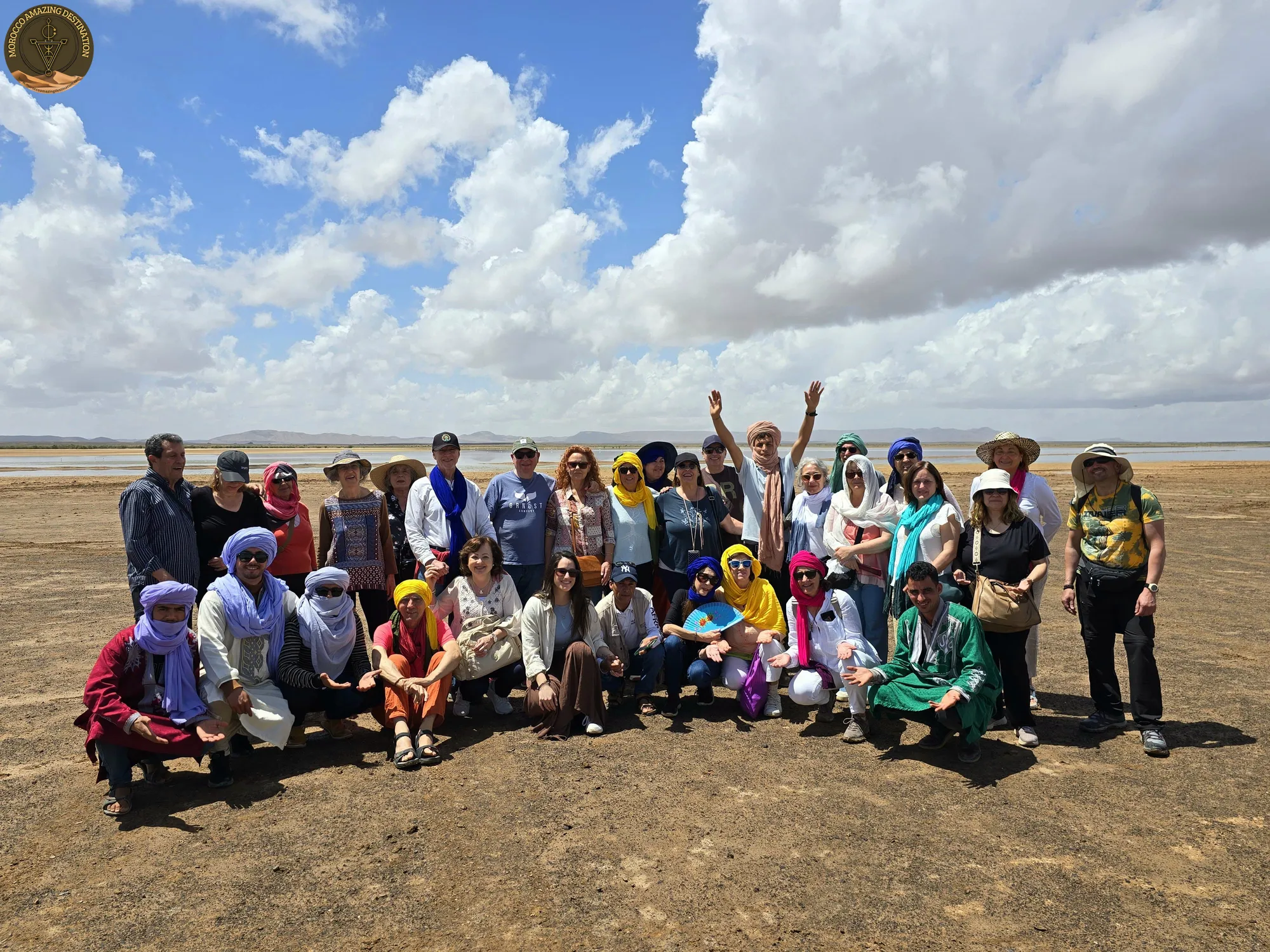
Morocco, a land of vibrant cultures, breathtaking landscapes, and ancient cities, beckons travelers with its unique charm. From the bustling souks of Marrakech to the serene Sahara Desert, it offers an unforgettable adventure. As you dream of exploring its wonders, a common question arises: is travel to Morocco recommended? And more specifically, is Morocco safe for tourists? The good news is, with a bit of preparation and awareness, Morocco is not only safe but also an incredibly rewarding destination. This comprehensive guide provides essential Morocco travel recommendations to help you plan an amazing trip.
General Safety in Morocco: What You Need to Know
Overall, Morocco is a politically stable and generally safe country for tourists. The government places a high priority on the safety and security of visitors, recognizing the importance of tourism to its economy. While serious crime against tourists is rare, petty crime, such as pickpocketing and bag snatching, can occur, particularly in crowded tourist areas and major cities.
Staying vigilant, being aware of your surroundings, and taking common-sense precautions will significantly enhance your safety. Morocco’s vibrant street life is part of its appeal, but it also means being mindful of your personal belongings.
Morocco Travel Tips for First-Timers
For those embarking on their first Moroccan adventure, these Morocco travel tips for first-timers will prove invaluable:
- Respect Local Customs and Dress Codes: Morocco is a predominantly Muslim country. Dressing modestly, especially when visiting religious sites, shows respect for local culture. For women, this typically means covering shoulders and knees.
- Learn Basic Phrases: Even a few words of Moroccan Arabic (Darija) or French can go a long way in interacting with locals and showing goodwill. “Salam Alaikum” (hello) and “Shukran” (thank you) are great starts.
- Haggling is Expected: In souks (markets), bargaining is a part of the shopping experience. Embrace it with a smile, but be prepared to walk away if the price isn’t right.
- Transportation: Use official “petit” taxis with meters or agree on a price before starting your journey. Grand taxis are for inter-city travel or longer distances. Trains are a comfortable and efficient way to travel between major cities.
- Stay Hydrated and Healthy: The Moroccan sun can be intense. Drink plenty of bottled water, especially if you’re exploring the desert. Be cautious with street food; opt for busy stalls with fresh, hot offerings.
Is Marrakech Safe for Tourists? Navigating the Red City
Marrakech, with its enchanting Jemaa el-Fna square and labyrinthine souks, is a highlight for many visitors. The question, “is Marrakech safe for tourists?”, is frequently asked due to its bustling nature. While it’s generally safe, being street-smart is key.
During the day, the Medina is a hive of activity, and it’s safe to explore. At night, Jemaa el-Fna transforms with food stalls and performers. Enjoy the spectacle, but keep your valuables secure and be mindful of your surroundings. It’s advisable to navigate the narrower alleys of the souks with purpose, especially after dark, or use a trusted guide.
Be wary of unofficial guides who offer to show you around. They often lead you to shops where they earn a commission. Politely but firmly decline their services. If you need directions, ask shopkeepers or official tourist information points.
Common Tourist Scams in Morocco and How to Avoid Them
Like any popular tourist destination, Morocco has its share of opportunists. Knowing about common tourist scams in Morocco and how to avoid them will help you sidestep potential headaches and enjoy your trip.
- “Faux Guides” (False Guides): These individuals will approach you offering to show you directions or take you to a specific attraction. They often lead you astray or to shops, then demand payment. Politely but firmly decline their services. If you need directions, ask shopkeepers or official tourist information points.
- The Tannery Scam (especially in Fes): You might be approached by someone claiming the tanneries are closed or that they’ll take you to a “better view.” They then lead you through confusing alleys to a shop where you’re pressured to buy goods. Stick to the main entrance of the tanneries or visit with a pre-arranged, official guide.
- Overpriced Goods/Services: Always agree on a price before accepting any service (e.g., shoe shining, henna tattoos, taxi rides). In souks, remember to haggle!
- “Mint Tea Invitation”: While genuine hospitality is abundant, sometimes an invitation for mint tea can turn into a high-pressure sales pitch for carpets or other goods. It’s okay to accept, but be firm if you’re not interested in buying.
Best Time to Visit Morocco for an Unforgettable Experience
Choosing the best time to visit Morocco significantly impacts your experience. The country experiences diverse climates, from the Mediterranean coast to the Atlas Mountains and the Sahara Desert.
- Spring (March to May) and Autumn (September to November) are widely considered the ideal seasons. The weather is pleasantly warm, making it perfect for exploring cities, hiking in the mountains, and enjoying desert excursions.
- Summer (June to August) can be very hot, especially in inland cities like Marrakech and Fes, and in the Sahara Desert. Coastal areas like Essaouira offer a cooler escape.
- Winter (December to February) brings cooler temperatures, especially at night. The Atlas Mountains can see snow, offering opportunities for skiing. The desert can be cold in the evenings but pleasant during the day.
Consider that Ramadan, the Islamic holy month, shifts annually. While tourists are not expected to fast, many restaurants may be closed during the day, and business hours might be altered. Respectful behavior during this period is appreciated.
Specific Traveler Concerns: Solo Female Travelers, Families, and LGBTQ+ Visitors
Morocco is a welcoming country, but awareness of local customs and laws is important for all travelers, especially those in specific groups.
- Solo Female Travelers: Many women travel solo to Morocco and have incredible experiences. Modest dress, confident body language, and pre-arranged transport for late-night arrivals are recommended. Joining group tours can also provide camaraderie and peace of mind.
- Families: Morocco is generally very family-friendly, with locals often doting on children. Many riads and hotels offer family-oriented amenities. Consider activities like camel trekking, visiting Ouzoud Falls, or exploring the medina for engaging experiences.
- LGBTQ+ Visitors: Homosexuality is illegal in Morocco, and public displays of affection are frowned upon. While tourists may encounter less scrutiny, discretion is highly advised to avoid any issues.
Conclusion: Embrace Your Moroccan Adventure!
So, is travel to Morocco recommended? Absolutely! Morocco offers an extraordinary journey into a land of rich history, vibrant culture, and stunning natural beauty. By understanding local customs, staying vigilant against common scams, and following these Morocco travel recommendations, you can ensure a safe, smooth, and incredibly enriching travel experience. Prepare to be enchanted by its sights, sounds, and flavors.
Explore Morocco with Our Recommended Tours
Ready to experience the magic of Morocco? We offer a variety of tours designed to showcase the best of this incredible country. From immersive cultural journeys to unforgettable desert adventures, our expertly crafted itineraries ensure a safe and memorable trip.
- 12-Day Morocco Grand Tour - Discover the Grand Tour
- 3-Day Trip from Marrakech to Merzouga - Experience the Sahara Desert
If you found this helpful, add us as your preferred source on Google.
Frequently Asked Questions
Is Morocco safe for female travelers?
Yes, Morocco is generally safe for solo female travelers. However, it's advisable to dress modestly, carry yourself confidently, and avoid isolated areas, especially after dark. Group tours can also provide an added layer of comfort.
Do I need a visa to visit Morocco?
Visa requirements for Morocco vary by nationality. Many countries, including the US, UK, EU member states, and Canada, do not require a visa for stays up to 90 days. Always check the latest visa policies with the Moroccan embassy or consulate in your country before traveling.
What currency is used in Morocco?
The official currency of Morocco is the Moroccan Dirham (MAD). It is a closed currency, meaning it cannot be imported or exported. You can exchange foreign currency upon arrival at airports, banks, and authorized exchange offices. ATMs are widely available in cities.
Is it okay to drink tap water in Morocco?
It is generally not recommended to drink tap water in Morocco, especially for tourists, to avoid stomach upsets. Bottled water is widely available and affordable. Use bottled water for brushing teeth as well.
Ready for an Adventure?
Have questions? Feel free to contact us using the form below. We're here to help!