
· Travel · 6 min read
What Time Zone Does Morocco Use? Permanent GMT Guide
Wondering what time zone Morocco uses? Learn about the permanent GMT switch and how it keeps flights, tours and daily life simple.
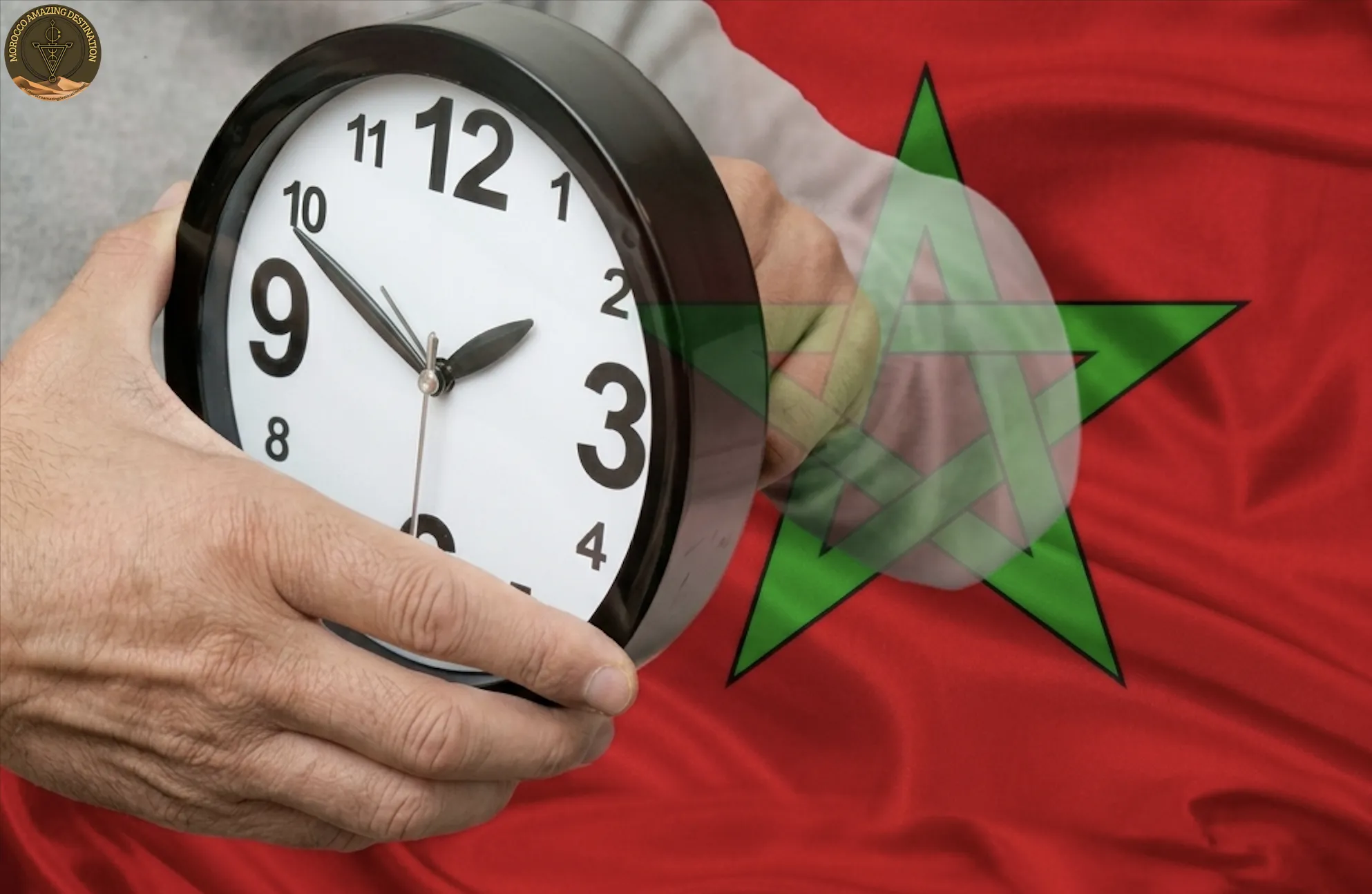
Planning flights or a desert pickup and wondering what time zone does morocco use right now? Morocco now runs on GMT (UTC+0) year-round across the single national zone Africa/Casablanca, after clocks moved back one hour on the night of 20 September and stayed there permanently. In short, Morocco uses Greenwich Mean Time at UTC plus zero in every city from Marrakech and Casablanca to Fes, Tangier, Chefchaouen and Merzouga, so your phone shows the same time everywhere and the old seasonal and Ramadan exceptions are gone.
In this guide, we will break down what GMT means for travelers, how the permanent return happened, what it changes for flights and tours, and how it compares to Spain and the United Kingdom.
What Time Zone Does Morocco Use?
Morocco now uses GMT, which is equivalent to UTC+0 and to Western European Time, on one unified zone called Africa/Casablanca. Every city observes the same offset, so there is no regional difference between the coast, the imperial cities and the desert.
Before the permanent change, Morocco spent most of the year on WEST at UTC+1 and temporarily returned to GMT during Ramadan. That seasonal exception created confusion for travelers tracking flight times and driver pickups. The current system removes that back-and-forth, keeping the country on a stable GMT baseline through all seasons and religious periods.
Key points for travelers:
- One zone: Africa/Casablanca covers the whole country with no internal gap.
- Stable offset: GMT equals UTC+0 with no daylight saving shift.
- Same everywhere: Marrakech, Casablanca, Fes, Tangier and Merzouga share the clock.
- Device-friendly: Phones update automatically when set to automatic time.
For planning, treat Morocco as GMT year-round and use that offset for all vouchers, transfers and check-ins.
20 September — Permanent Return to GMT
The story behind the change is simple and official. The government council adopted Decree 2.26.530 in late June, with publication at the end of June, and set the transition for 20 September at 02:00, when clocks moved back to 01:00. In other words, 20 september morocco switched back permanently to GMT at that precise hour, and morocco switched back permanently to GMT from then on with no further adjustments.
Sources such as Timeanddate, Time.is, Le360 and Morocco World News describe the same timeline, noting the spokesperson announcement and the legal publication. The move ends the earlier cycle, when Morocco kept WEST as a default and only stepped back to GMT for Ramadan.
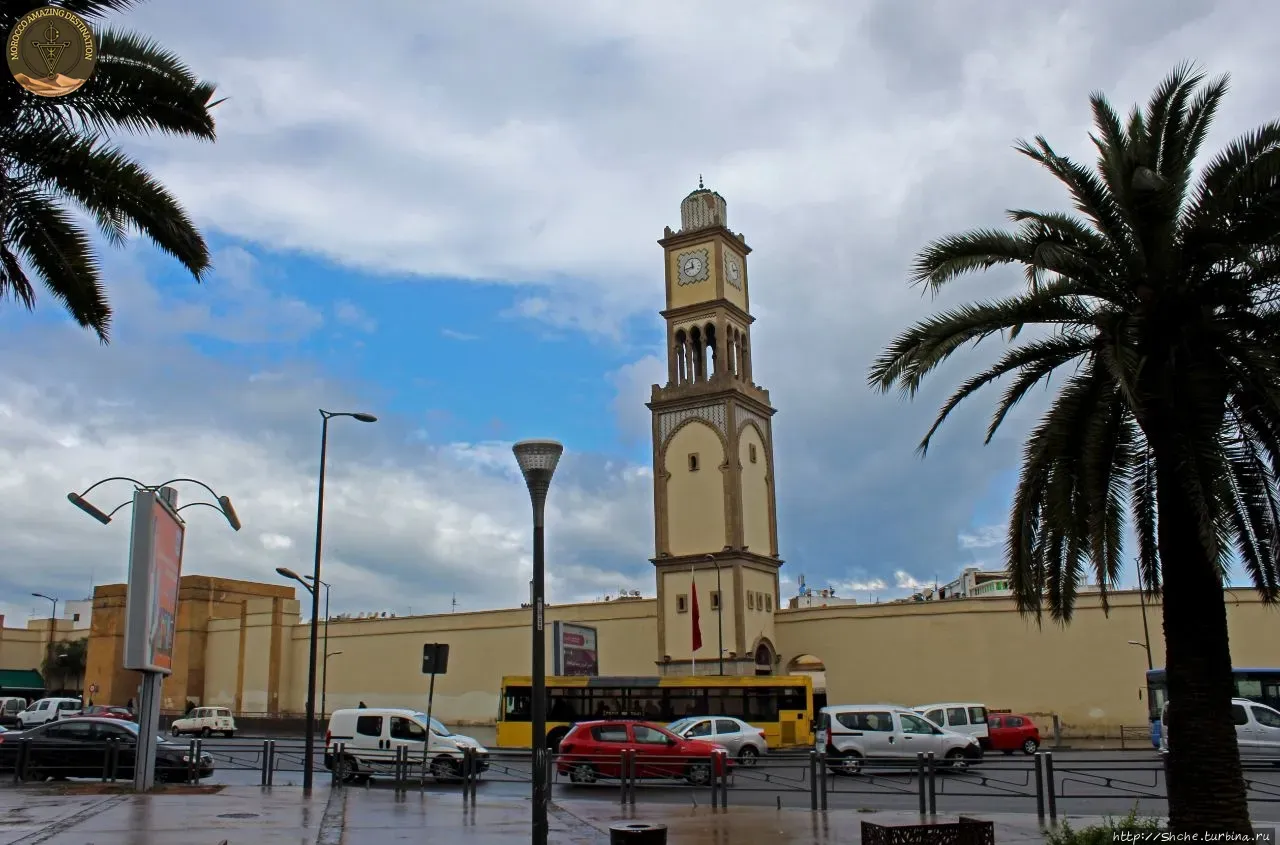
What matters for you is the result, not the paperwork. After that night, Morocco stays on GMT through summer, winter and Ramadan, so you no longer need to check whether a Ramadan exception applies to your travel dates. If you have an overnight flight or a desert departure around that transition, confirm the local time shown on your ticket and with your driver, and keep your phone on automatic.
Flights, Tours and Daily Life — What Changes?
For daily travel, the permanent GMT makes planning more predictable. Flight boards, hotel check-ins and private driver pickups now reference the same offset throughout your stay. You still get the same sunrise and sunset rhythm, but the official hour no longer jumps.
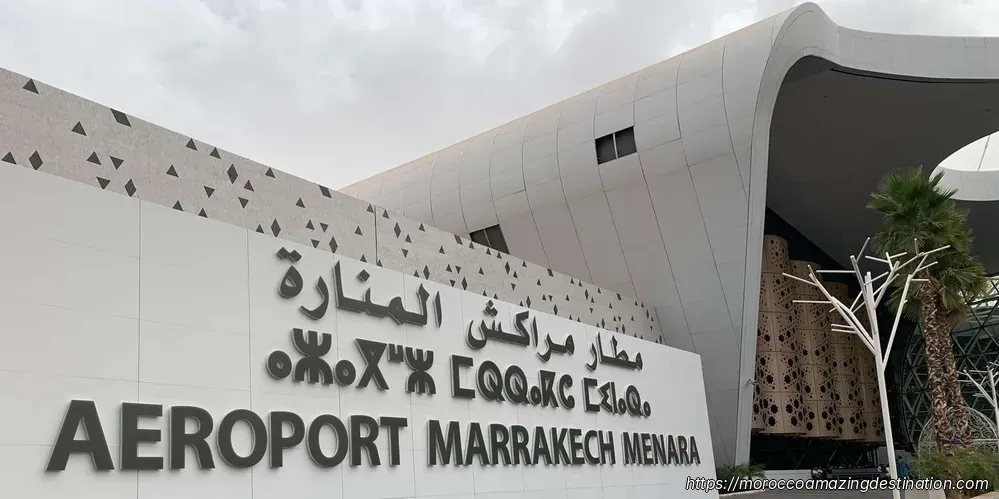
That stability is helpful for early starts, like the long drive from Marrakech to Merzouga over the High Atlas, and for sunrise camel treks in Erg Chebbi. Your driver references local GMT, your riad confirms breakfast in GMT, and your flight voucher should also be read as Moroccan local time when departing from a Moroccan airport.
Practical tips for a smooth trip:
- Keep auto time on: Allow your phone to update from the network and verify the Africa/Casablanca zone.
- Read vouchers locally: Departure times from Casablanca, Marrakech, Fes or Tangier are in GMT.
- Confirm pickups in GMT: Reconfirm transfer times the evening before in Moroccan local time.
- Prayer times still move: The clock is stable, but religious and some shop schedules still follow the sun.
Private tailor-made tours benefit most, as your driver-guide can keep a consistent schedule for Atlas passes, kasbah stops and coastal arrivals without recalculating a seasonal offset.
Morocco vs Spain and UK — Time Differences Made Simple
Before the change, the gap with Europe varied with Ramadan and with European daylight saving. Now the math is straightforward and easier to remember, which helps when you connect through Madrid or London or take the ferry between Spain and Morocco.
Morocco now aligns with the United Kingdom during the UK winter period and sits one hour behind the UK when Britain moves to summer time. Against Central Europe, Morocco is one hour behind in the standard period and two hours behind when Central Europe observes summer time.

Quick reference after the permanent GMT:
- United Kingdom: Morocco equals UK in UK winter, Morocco is UK minus one hour in UK summer.
- Spain and France: Morocco is one hour behind in standard time, two hours behind in summer time.
- US Eastern: Morocco is typically five hours ahead of Eastern time.
Check current offsets before you fly, as Europe and the UK still shift for summer while Morocco does not. Ferry crossings from Tarifa or Algeciras to Tangier are short, but allow for the hour difference when booking onward trains or transfers.
Plan Your Morocco Trip With Stable Time
Stable GMT means simpler planning and less stress, especially for first-time visitors juggling flights, ferries and desert nights. You can book private transfers, early check-ins and sunset activities knowing the clock will not jump during your stay.
Imagine arriving in Casablanca, heading to the blue lanes of Chefchaouen, then crossing the Middle Atlas to the dunes of Merzouga, all on one consistent time. Your guide can optimize drive blocks, photo stops at Ait Benhaddou and the Valley of Roses, and evening arrivals at hand-picked riads and luxury camps without reworking the schedule.
For desert rhythm, consider the 3-Day Desert Tour from Marrakech to Merzouga, which balances the Tizi n’Tichka pass, Dades and Todra Gorges, and a sunset camel trek with a night in a Berber camp. For a broader loop that tests the new stability from arrival to departure, the 14-Day Morocco Tour from Casablanca covers Casablanca, Chefchaouen, Fes, the Sahara, Dades Valley, Ouarzazate and Marrakech on a smooth GMT-based itinerary.
We can customize a tour to match your needs — design your perfect itinerary
If you found this helpful, add us as your preferred source on Google.
Frequently Asked Questions
What time zone does Morocco use now?
Morocco now uses GMT (UTC+0) year-round on the single Africa/Casablanca zone. After the 20 September switch back to Greenwich Mean Time, clocks stay at UTC+0 with no seasonal change. Marrakech, Casablanca, Fes, Tangier and Merzouga all share the same time, aligned with London in winter.
Did Morocco really switch permanently to GMT on 20 September?
Yes. The government adopted Decree 2.26.530 in late June and set the implementation for 20 September at 02:00, moving clocks back to 01:00. From that moment Morocco stays on GMT permanently, ending the previous system of WEST (UTC+1) with a temporary return to GMT during Ramadan.
Does Morocco still change clocks for Ramadan?
No. The permanent GMT system removes both daylight saving and the Ramadan time adjustment. Prayer times still shift with sunrise and sunset, and business hours may adapt during Ramadan, but the official clock no longer moves. Your devices stay on GMT all year if the time zone database is current.
What is the time difference between Morocco and Europe after the switch?
After the switch Morocco is one hour behind Central Europe in winter and two hours behind when Central Europe uses summer time. Morocco matches the United Kingdom in winter and sits one hour behind the UK in summer. Always check the current offsets in Spain, France and the UK before you fly.
Ready for an Adventure?
Have questions? Feel free to contact us using the form below. We're here to help!