· Travel · 10 min read
Morocco Hidden Gems: Off the Beaten Path Destinations Tourists Completely Miss
Discover Morocco's hidden gems tourists miss — from Tafraoute's painted rocks to Sidi Ifni's coast. Explore off-the-beaten-path destinations.
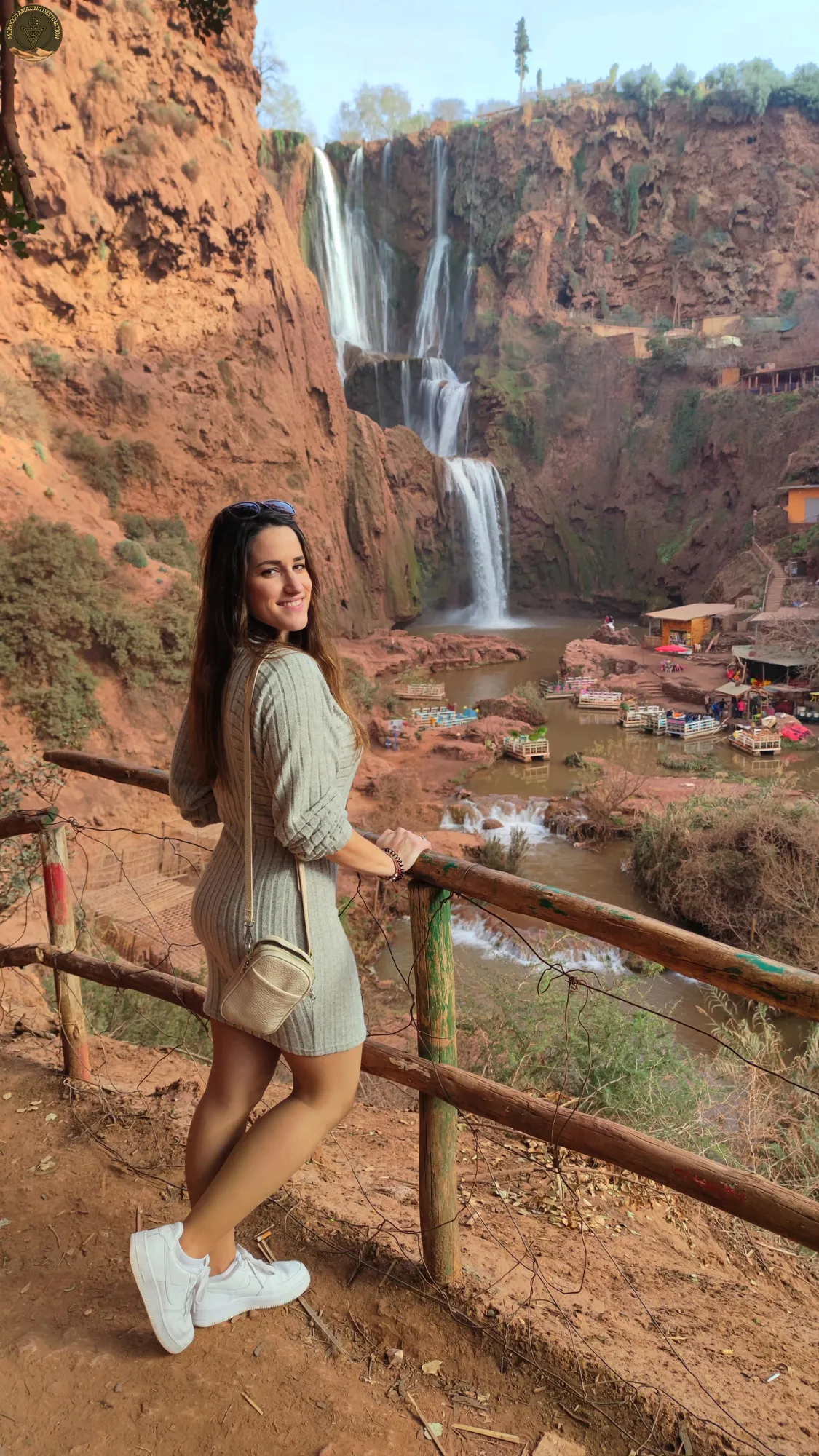
Morocco draws millions of visitors each year to its iconic destinations — the bustling souks of Marrakech, the blue-washed streets of Chefchaouen, and the sweeping dunes of Merzouga. These places are legendary for good reason. But there is another Morocco, one that remains largely unknown to the typical tourist. A Morocco of hidden valleys, forgotten coastal towns, painted rock landscapes, and sacred hilltop villages.
If you are searching for Morocco hidden gems that offer authentic experiences without the crowds, you have come to the right place. This guide takes you beyond the well-trodden tourist trail to discover the country’s best-kept secrets. These off the beaten path Morocco destinations reveal a side of the country that few travelers ever see — and that is precisely what makes them so special.
Tafraoute and the Anti-Atlas Mountains
Tucked away in the rugged Anti-Atlas Mountains of southern Morocco, Tafraoute is one of the most beautiful and least-visited towns in the country. Surrounded by dramatic granite rock formations and lush palm groves, this Berber stronghold feels a world apart from Morocco’s more frequented destinations.
The area is famous for the Painted Rocks of Tafraoute, a striking outdoor art installation created in the 1980s by Belgian artist Jean Vérame. Massive boulders were painted in vibrant shades of blue, red, and pink, creating a surreal contrast against the golden desert landscape. The rocks remain one of Morocco’s most unusual sights, yet they attract only a fraction of the visitors that other attractions receive.
Just a short drive from Tafraoute lies the Ameln Valley, a lush valley dotted with traditional Berber villages clinging to the mountainsides. Walking through the valley’s terraced fields and ancient olive groves, you will encounter a way of life that has changed little in centuries. Local women still weave brightly colored carpets on hand looms, and the hospitality of the Berber families is unforgettable.
For hikers, the Anti-Atlas offers some of the best trekking in Morocco. Trails wind through secret places Morocco visitors rarely discover — hidden gorges, abandoned kasbahs, and viewpoints that stretch all the way to the Sahara on clear days. Tafraoute is also the gateway to the Jebel el Kest massif, popular among rock climbers for its granite cliffs.
Sidi Ifni: Art Deco on the Atlantic
Perched on Morocco’s Atlantic coast, Sidi Ifni is a town that feels frozen in time. This former Spanish enclave was returned to Morocco in 1969, and its faded Art Deco architecture tells the story of a bygone colonial era. Pastel-colored buildings with wrought-iron balconies line the seafront promenade, giving the town a nostalgic, almost melancholic charm.
Unlike the busy tourist hubs of Essaouira and Agadir, Sidi Ifni remains wonderfully quiet. The town’s main square, Plaza de España, features a striking Spanish cathedral that now serves as a cultural center. Wandering the streets, you will find few other travelers — just local fishermen repairing their nets and children playing in the narrow lanes.
The coastline around Sidi Ifni is spectacular. Legzira Beach, famous for its massive natural rock arches, lies just a few kilometers to the north. While one of the arches collapsed in 2016, the remaining arch and the dramatic red cliffs are still breathtaking. The beach is almost always deserted, making it a perfect spot for solitude.
Sidi Ifni is a true Morocco hidden gem for travelers looking to experience the country’s Atlantic coast without the crowds. The nearby Paradise Valley and the fishing village of Mirleft add to the area’s appeal, offering surfing, seafood, and stunning coastal views.
Moulay Idriss Zerhoun: Morocco’s Holiest Town
Perched on a hilltop overlooking the fertile plains of northern Morocco, Moulay Idriss Zerhoun is one of the most sacred towns in the country. It is the burial place of Moulay Idriss I, the founder of the Idrisid dynasty and the man credited with introducing Islam to Morocco. Despite its religious significance, the town remains remarkably untouched by mass tourism.
The town’s whitewashed houses cascade down the hillside in a series of terraces, creating a striking visual scene from the valley below. From the mausoleum viewpoint, you can see the entire town spread out beneath you, with the Roman ruins of Volubilis visible in the distance.
What makes Moulay Idriss Zerhoun especially unique is that non-Muslim visitors were only permitted to stay overnight here relatively recently. The town offers a genuine glimpse into Moroccan religious life, and its narrow streets are filled with the sounds of daily life — children playing, merchants calling, and the call to prayer echoing across the hills.
Visiting Moulay Idriss is one of the most rewarding off the beaten path Morocco experiences. Combine it with a trip to Volubilis, Morocco’s best-preserved Roman ruins, for a day of history, culture, and breathtaking views.
Akchour Waterfalls: A Hidden Paradise in the Rif
While Chefchaouen draws crowds of Instagrammers, the surrounding Rif Mountains hold secrets that most visitors never discover. The Akchour Waterfalls, located about 30 kilometers from Chefchaouen, are among Morocco’s most spectacular natural attractions — yet they receive only a fraction of the visitors.
The hike to Akchour takes you through a dramatic limestone gorge, past clear turquoise pools, and beneath towering cliffs. The trail culminates at a series of cascading waterfalls that plunge into deep natural pools perfect for swimming. The most famous feature is the God’s Bridge (Pont de Dieu), a natural rock bridge that spans the gorge high above the river.
The full hike from the trailhead to the main waterfall takes about two hours each way, with the option to continue to God’s Bridge for another hour. The trail is moderate in difficulty and suitable for most fitness levels. Along the way, you will pass small cafes built into the rock face where you can stop for mint tea.
Akchour is one of those hidden places in Morocco that feels like a true discovery. Visiting early in the morning or on a weekday ensures you have the trail almost to yourself.
Paradise Valley: Agadir’s Secret Oasis
Just a 30-minute drive north of Agadir, Paradise Valley is a lush canyon carved into the foothills of the High Atlas. Despite its proximity to one of Morocco’s largest resort cities, the valley feels completely secluded. Crystal-clear natural pools, smooth granite rock formations, and towering palm trees create an idyllic setting for swimming and relaxation.
The valley gets its name from an early French visitor who declared it paradise on earth. Walking through the canyon, it is easy to understand why. The water is refreshingly cool, the rocks are perfect for sunbathing, and the surrounding mountains provide a dramatic backdrop.
Paradise Valley is accessible via a short hike from the village of Tamraght, a small surf town that itself remains relatively undiscovered. Combining a visit to Paradise Valley with a surf session at Tamraght’s beaches makes for a perfect day trip from Agadir.
As one of the most accessible hidden gems Morocco offers near a major city, Paradise Valley is perfect for travelers who want to escape the resort crowds without traveling far.
Oualidia: The Oyster Lagoon
Halfway between Casablanca and Essaouira lies Oualidia, a sleepy fishing village built around a protected coastal lagoon. Known as Morocco’s oyster capital, this tiny town is a sanctuary of calm on the Atlantic coast. The lagoon’s calm, shallow waters make it one of the safest swimming spots in Morocco, perfect for families and those seeking tranquility.
The town’s main attraction is simply being there — watching the fishing boats drift across the lagoon, tasting freshly shucked oysters at waterside restaurants, and walking the long sandy spit that separates the lagoon from the Atlantic. Birdwatchers will find the lagoon rich with flamingos, herons, and migratory seabirds.
Unlike the developed resorts to the north and south, Oualidia has retained its authentic character. There are no large hotel chains or souvenir shops. Accommodation consists of charming boutique guesthouses and traditional riads, many with direct lagoon access.
Oualidia is a true Morocco hidden gem for anyone seeking peace, seafood, and natural beauty. It is also an excellent base for exploring the nearby Safi and El Jadida, two coastal towns with fascinating Portuguese heritage.
Kalaat M’Gouna: The Valley of Roses
In the heart of the Dades Valley, near the town of Kalaat M’Gouna, lies the famous Valley of Roses. From April to May, the entire valley is carpeted in pink Damask roses, filling the air with an intoxicating fragrance. The roses are harvested by local Berber women and distilled into rose water and essential oils, which are sold across Morocco.
Despite its beauty, the Valley of Roses receives far fewer visitors than the nearby Dades Gorge and Todra Gorge. The annual Rose Festival in May is a vibrant celebration of Berber culture, featuring parades, traditional music, and the crowning of a Rose Queen. It is one of Morocco’s most authentic festivals, yet it remains largely unknown to international tourists.
Visitors can tour local distilleries, hike through the rose-covered hills, and purchase pure rose products directly from the producers. The surrounding landscape of dramatic gorges and Berber villages makes the journey to Kalaat M’Gouna worthwhile in any season.
Practical Tips for Visiting Morocco’s Hidden Gems
Exploring Morocco hidden gems requires a bit more planning than visiting the main tourist sites. Here are essential tips to make the most of your journey:
Transport: Renting a car offers the most flexibility for reaching remote destinations. Many hidden gems are not served by public transport. Alternatively, booking a private tour with a local operator ensures you have transportation, accommodation, and knowledgeable guides arranged in advance.
Accommodation: Small guesthouses, family-run riads, and homestays are often the only options in remote areas. Book ahead during peak seasons. Many offer half-board with delicious home-cooked Moroccan meals.
Language: In rural areas, Berber (Tamazight) is the primary language, followed by Moroccan Arabic. English is not widely spoken outside tourist centers. A local guide can bridge the language gap and enrich your experience.
Respect local customs: Dress modestly, especially in religious sites like Moulay Idriss Zerhoun. Ask permission before photographing people. During Ramadan, be discreet about eating and drinking in public during daylight hours.
What to pack: Comfortable walking shoes, sun protection, a reusable water bottle, and a light jacket for cool evenings. If hiking in the Anti-Atlas or Rif Mountains, bring proper hiking gear and plenty of water.
Conclusion
Morocco’s magic extends far beyond its famous cities and desert dunes. The country’s true beauty lies in its hidden corners — the painted rocks of Tafraoute, the Art Deco streets of Sidi Ifni, the sacred hilltop of Moulay Idriss, the turquoise pools of Akchour, the serene lagoon of Oualidia, and the fragrant Valley of Roses. These off the beaten path Morocco destinations offer something priceless: authentic encounters, genuine hospitality, and the feeling of discovering something truly special.
To experience these undiscovered Morocco treasures, the best approach is to travel with those who know them best. Our 3-Day Tour from Agadir to Tafraoute, Sidi Ifni and Tiznit takes you deep into the Anti-Atlas Mountains and along the secret Atlantic coast, covering two of Morocco’s most remarkable hidden gems. For a broader exploration of the country’s lesser-known wonders, our 4-Day Guided Morocco Tour from Ouarzazate to Marrakech weaves through ancient kasbahs, Berber villages, and landscapes that most tourists never see.
Step off the tourist trail and discover the real Morocco. The hidden gems are waiting.
If you found this helpful, add us as your preferred source on Google.
Frequently Asked Questions
What is the best way to reach Morocco's hidden gems?
Renting a car or booking a private tour with a local guide is the best way to reach off-the-beaten-path destinations in Morocco. Many hidden gems like Tafraoute, Sidi Ifni, and Akchour are located in remote areas not easily accessible by public transport. A guided tour ensures you have safe transport, local insights, and the flexibility to explore at your own pace.
Are Morocco's hidden gems safe for tourists?
Yes, Morocco's hidden gems are generally very safe for tourists. Rural communities are welcoming and hospitable toward visitors. As with any travel, exercise standard precautions: avoid walking alone at night in unfamiliar areas, keep valuables secure, and always follow the advice of your local guide. The Anti-Atlas and Rif Mountain villages are known for their warm hospitality.
What is the best time of year to visit off-the-beaten-path Morocco?
Spring (March to May) and autumn (September to November) are ideal for exploring Morocco's hidden gems. The weather is mild and pleasant for hiking in the mountains and walking through coastal towns. Summer can be very hot in the valleys and deserts, while winter brings snow to the High Atlas and cold nights in the desert regions.
Can I visit Morocco's hidden gems independently or should I book a guide?
You can visit some hidden gems independently with a rental car, but a local guide adds immense value. Guides know the best routes, can arrange authentic homestays, introduce you to local families, and take you to places that aren't in guidebooks. For remote areas like the Ameln Valley in the Anti-Atlas, a guide is highly recommended for a richer experience.
- morocco-hidden-gems
- off-the-beaten-path
- secret-places-morocco
- tafraoute
- sidi-ifni
- anti-atlas
- travel-tips
- morocco-travel
Ready for an Adventure?
Have questions? Feel free to contact us using the form below. We're here to help!