· Travel · 5 min read
What Do the Colors of the Moroccan Flag Represent? Symbolism and Meaning
Discover the deep symbolism behind Morocco's red and green flag. Learn about the pentagram star, the Alaouite dynasty, and the history of the Moroccan flag.
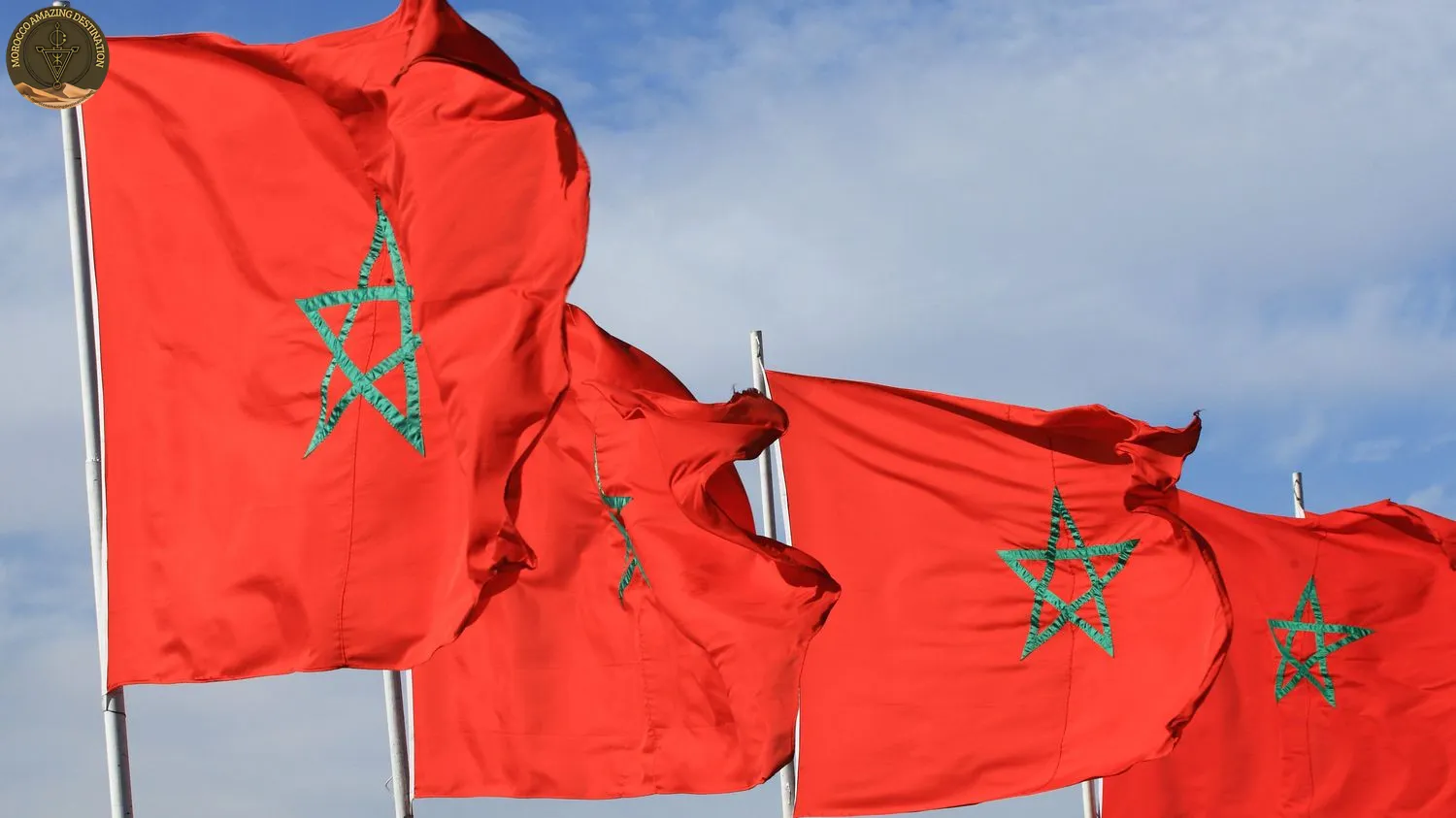
A flag is more than just a piece of fabric — it is a symbol of identity, history, and national pride. When you travel through Morocco, you will see its striking red flag with a green star flying everywhere: from government buildings and schools to bustling market squares and remote desert camps. But have you ever wondered about the Morocco flag colors meaning?
In this guide, we explore the Moroccan flag symbolism, its fascinating history, and what each element represents for the Moroccan people.
The Red Background: Courage and Dynasty
The dominant red field of the Moroccan flag is not a random choice. This color carries centuries of history and meaning.
Red has been associated with the Alaouite dynasty, the royal family that has ruled Morocco since the 17th century. The Alaouites are sharifs — descendants of the Prophet Muhammad — and red was historically the color used by the sharifs of Mecca. By adopting this color, the sultans of Morocco asserted both their religious legitimacy and their ancestral lineage.
Beyond its dynastic roots, red also symbolizes courage, bravery, and valor. Throughout Moroccan history, this color has been linked to the sacrifices made to protect the nation’s independence and territorial integrity. When Moroccans look at their flag, the red background reminds them of the strength, resilience, and determination that define their national character.
The Green Pentagram: The Seal of Solomon
At the heart of the flag lies a green five-pointed star, known as the pentagram or the Seal of Solomon (Khatam Suleiman). This emblem is rich in spiritual and cultural meaning.
First and foremost, green is the color of Islam, the official religion of Morocco. The choice of green for the star reinforces the deep-rooted Islamic identity of the country and its people.
The five points of the star represent the five pillars of Islam:
- Shahada — the declaration of faith
- Salat — the five daily prayers
- Zakat — charity and almsgiving
- Sawm — fasting during the month of Ramadan
- Hajj — the pilgrimage to Mecca
In this way, the flag itself becomes a daily reminder of the spiritual foundations that guide Moroccan society.
The pentagram also carries ancient symbolism. In Islamic and regional traditions, the Seal of Solomon represents wisdom, divine protection, and the connection between the heavenly and the earthly realms. By placing this symbol at the very center of the national flag, Morocco declares that faith and spirituality stand at the core of its identity.
The History of the Moroccan Flag
The Moroccan flag history stretches back centuries and reflects the country’s rich political and cultural evolution.
Before the current design was adopted, Moroccan dynasties used various standards and banners. The Almohad and Marinid dynasties, for instance, employed red flags during their rule in the medieval period. However, the flag as we know it today was officially established on November 17, 1915, during the French protectorate period.
At that time, the plain red field was already in use, but Sultan Moulay Youssef recognized the need for a distinctive emblem to differentiate Morocco’s flag from those of other Arab nations — many of which also flew plain red banners. By royal decree, the green pentagram was added to the center, giving Morocco a unique and instantly recognizable national symbol.
When Morocco regained its independence in 1956, the flag remained unchanged. Today, it stands as an enduring emblem of sovereignty, unity, and national pride.
The Flag in Modern Morocco
In contemporary Morocco, the flag is an omnipresent symbol of identity. It flies proudly over landmarks such as the Hassan II Mosque in Casablanca, waves enthusiastically during football matches when the Atlas Lions take the field, and decorates homes and streets during national celebrations like Throne Day and Independence Day.
For Moroccans, the flag is far more than a government emblem — it is deeply personal. You will find it painted on medina walls, embroidered on traditional garments, and carried proudly by people of all ages during festivals. It represents a shared identity that transcends regional differences, uniting those from the Atlantic coast, the Rif Mountains, and the vast Sahara alike.
Conclusion
The Morocco flag colors meaning goes well beyond simple design choices. The red background honors the Alaouite dynasty and the enduring courage of the Moroccan people. The green pentagram embodies the spiritual heart of the nation, with its five points reflecting the pillars of Islam and its color representing faith itself.
Understanding Moroccan flag symbolism adds a deeper layer of meaning to any journey through this captivating country. The next time you see that red and green banner fluttering in the warm Moroccan breeze, you will know the profound story it carries.
Discover Morocco’s Imperial Cities and Cultural Heritage
To truly understand the history and identity that the Moroccan flag represents, there is no better way than visiting the imperial cities that shaped the nation. Our 8-Day Imperial Cities and Sahara Desert Tour from Casablanca takes you through Rabat, Fes, Meknes, and Marrakech — each a former capital with centuries of stories to tell.
For a more immersive experience, our 12 Days Morocco Tour - Grand Desert & Imperial Cities Adventure combines the cultural depth of the imperial cities with the breathtaking landscapes of the Sahara, offering a complete immersion into the heart of Moroccan identity.
If you found this helpful, add us as your preferred source on Google.
Frequently Asked Questions
What do the colors of the Moroccan flag mean?
The red background represents the Alaouite dynasty, courage, and bravery. The green pentagram star symbolizes the Seal of Solomon, the five pillars of Islam, and the connection between God and the nation. Green is also the color of Islam.
What does the green star on the Moroccan flag represent?
The green pentagram (five-pointed star) represents the Seal of Solomon and symbolizes the link between God and the nation. Its five points also represent the five pillars of Islam, while the green color is deeply associated with the Islamic faith.
When was the current Moroccan flag adopted?
The current Moroccan flag with its red background and green star was officially adopted on November 17, 1915, during the French protectorate period. However, the red field dates back to the Alaouite dynasty in the 17th century.
Is the Moroccan flag connected to Islam?
Yes, the Moroccan flag is deeply connected to Islam. The green color of the star is the traditional color of Islam, and the five points of the pentagram represent the five pillars of Islam. Additionally, the red field connects to the Alaouite dynasty, which claims descent from the Prophet Muhammad.
Ready for an Adventure?
Have questions? Feel free to contact us using the form below. We're here to help!